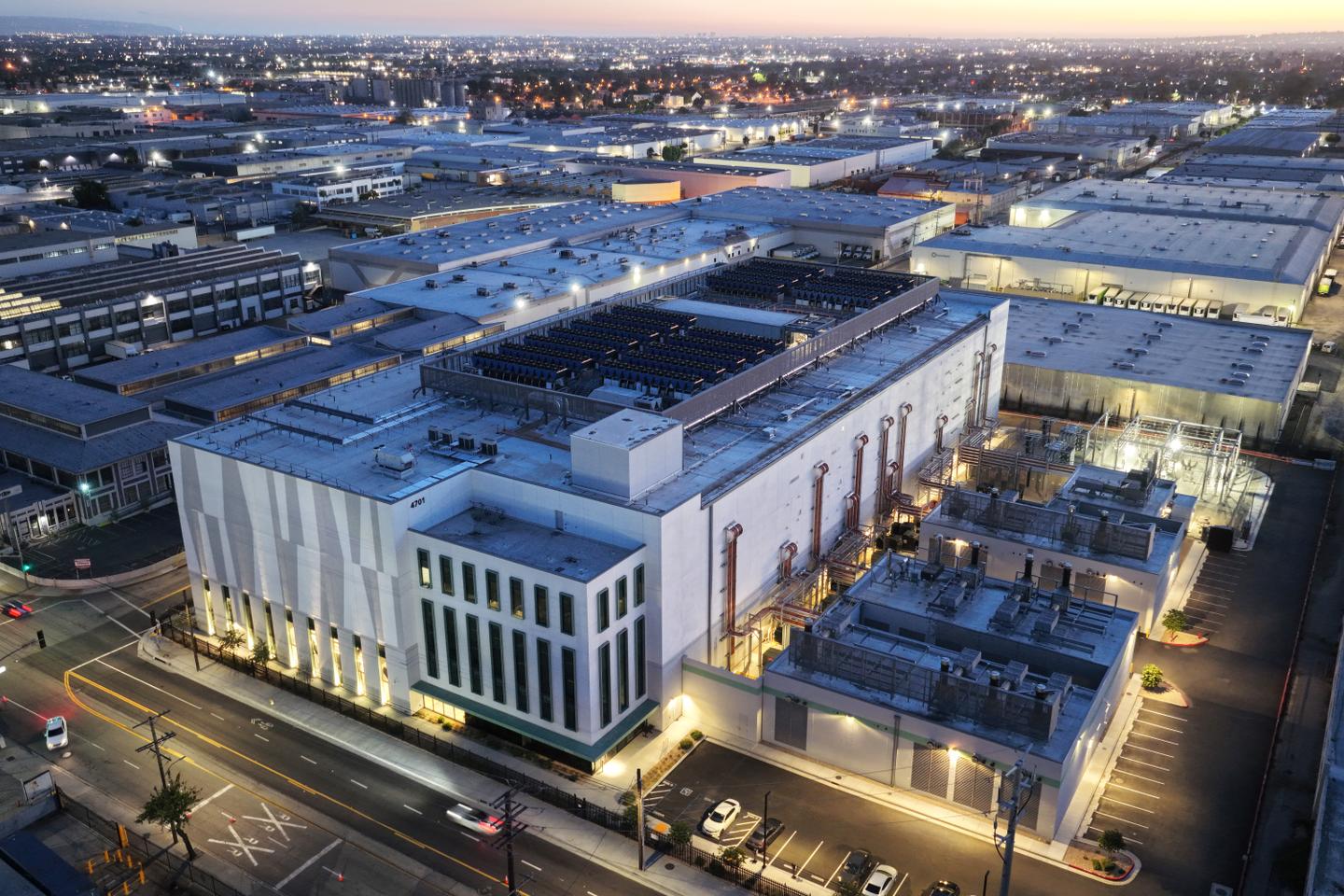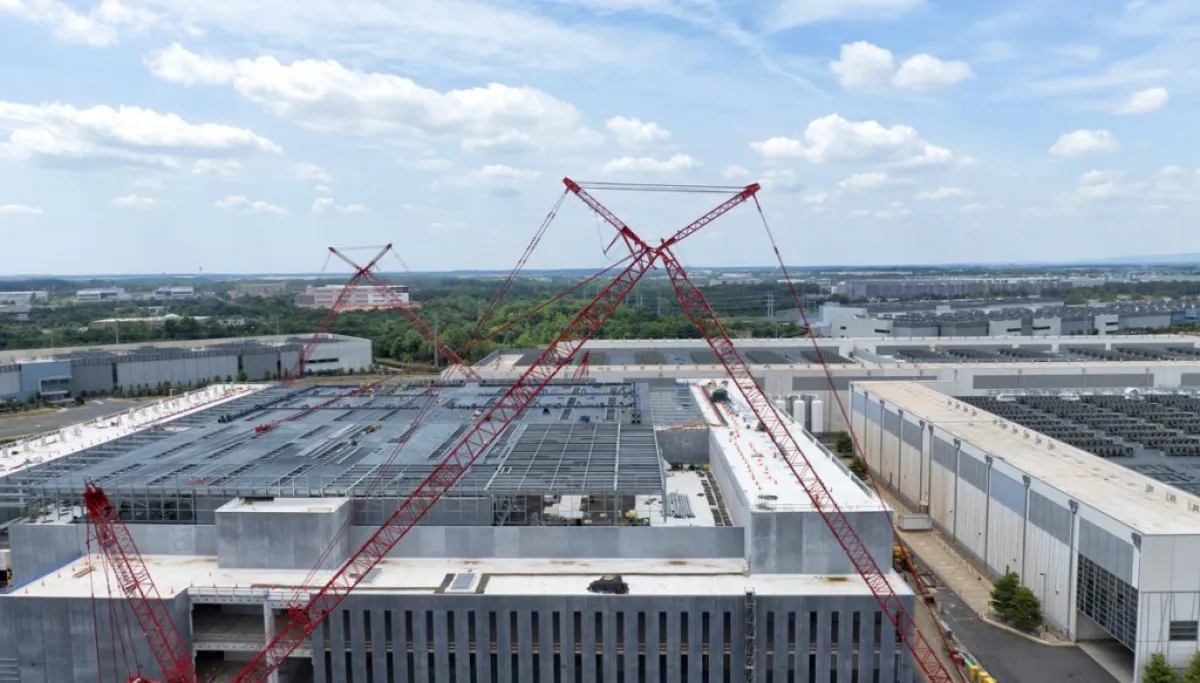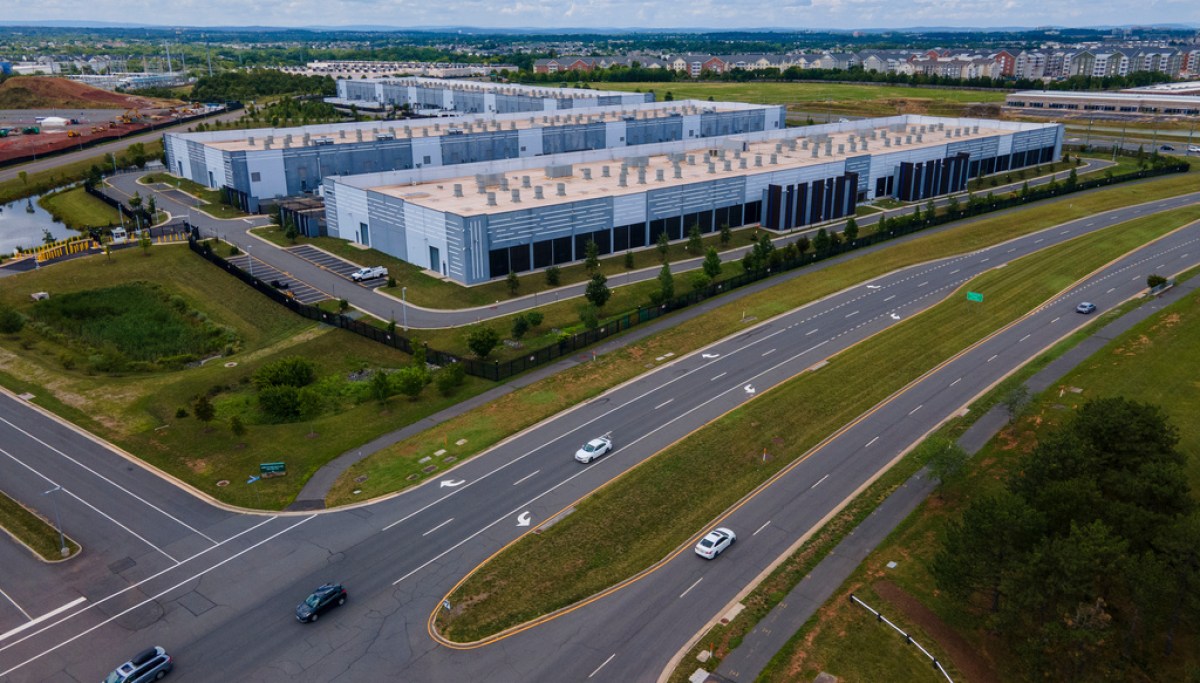
Washington spent years restricting China’s access to advanced semiconductors and the equipment used to manufacture them. Those controls protect an important American advantage. They do not tell states and communities how to evaluate the facilities needed to install, power, and cool those chips at home.New York exposed that omission on July 14, when Gov. Kathy Hochul (D-NY) ordered a one-year pause on certain incomplete state environmental permit applications for data centers capable of drawing 50 megawatts or more. The order does not halt previously permitted construction and expressly leaves local approvals in place. New York is using the pause to develop standards on electricity costs, environmental effects, and community benefits because those rules were not settled before projects arrived.Public concern is too broad to dismiss as hostility to technology. A Reuters/Ipsos poll released in June found that 57% of Americans would oppose a data center in their community, while 14% would welcome one. Seventy-seven percent worried that artificial intelligence would raise electricity costs. That last figure concerns AI generally, but the concern behind it is understandable. When utilities build generation and grid capacity for one exceptionally large customer, households and existing businesses can bear part of the risk unless rates and contracts assign those costs to the customer that created them.
America's AI buildout needs clear rules, not moratoriums
A Reuters/Ipsos poll released in June found that 57% of Americans would oppose a data center in their community, while 14% would welcome one.
765 words~3 min read