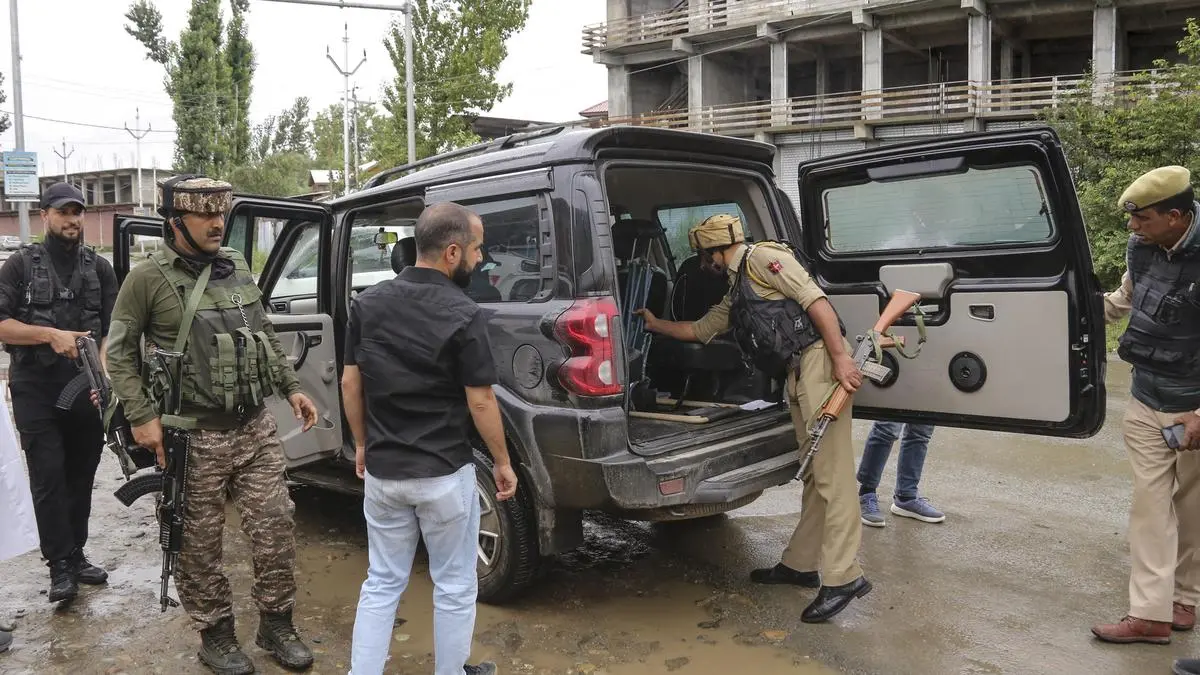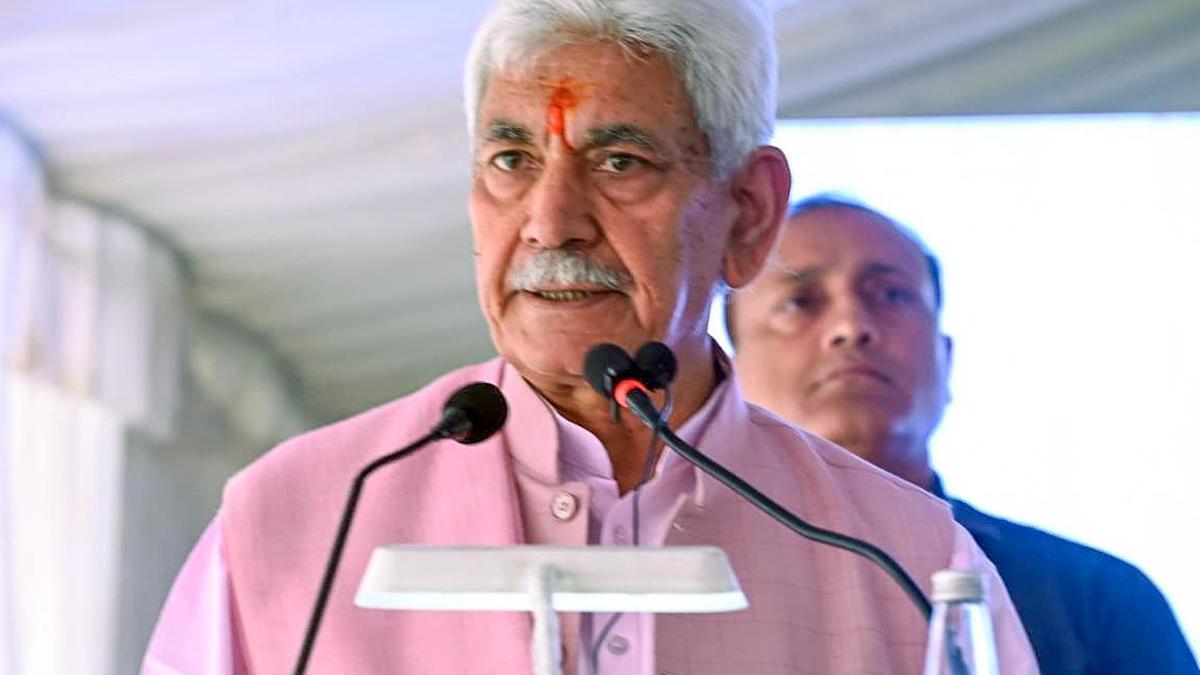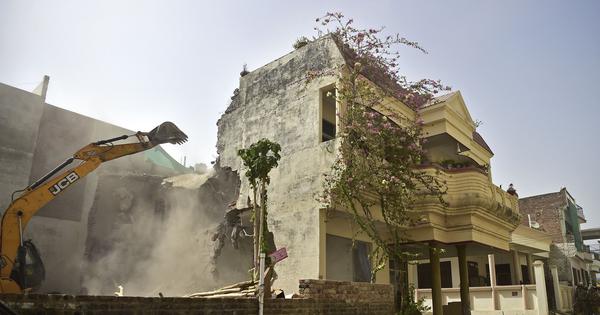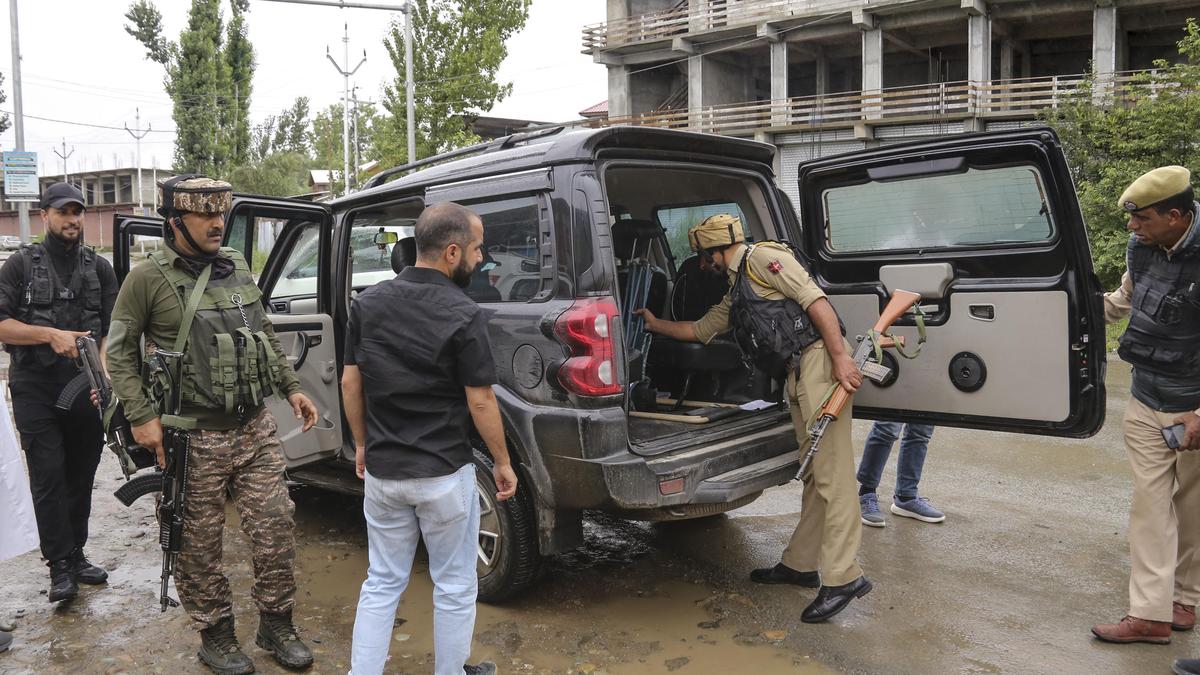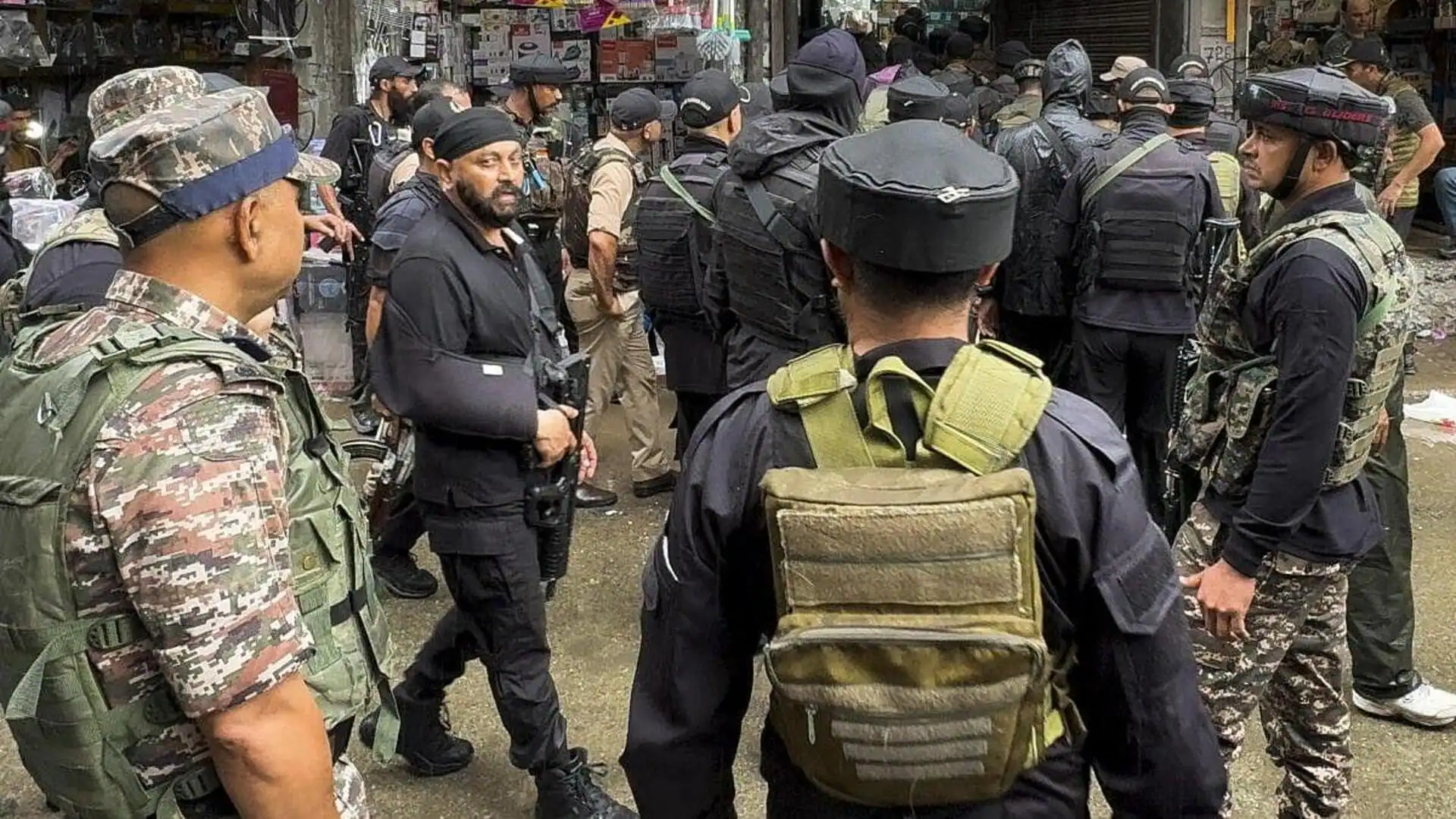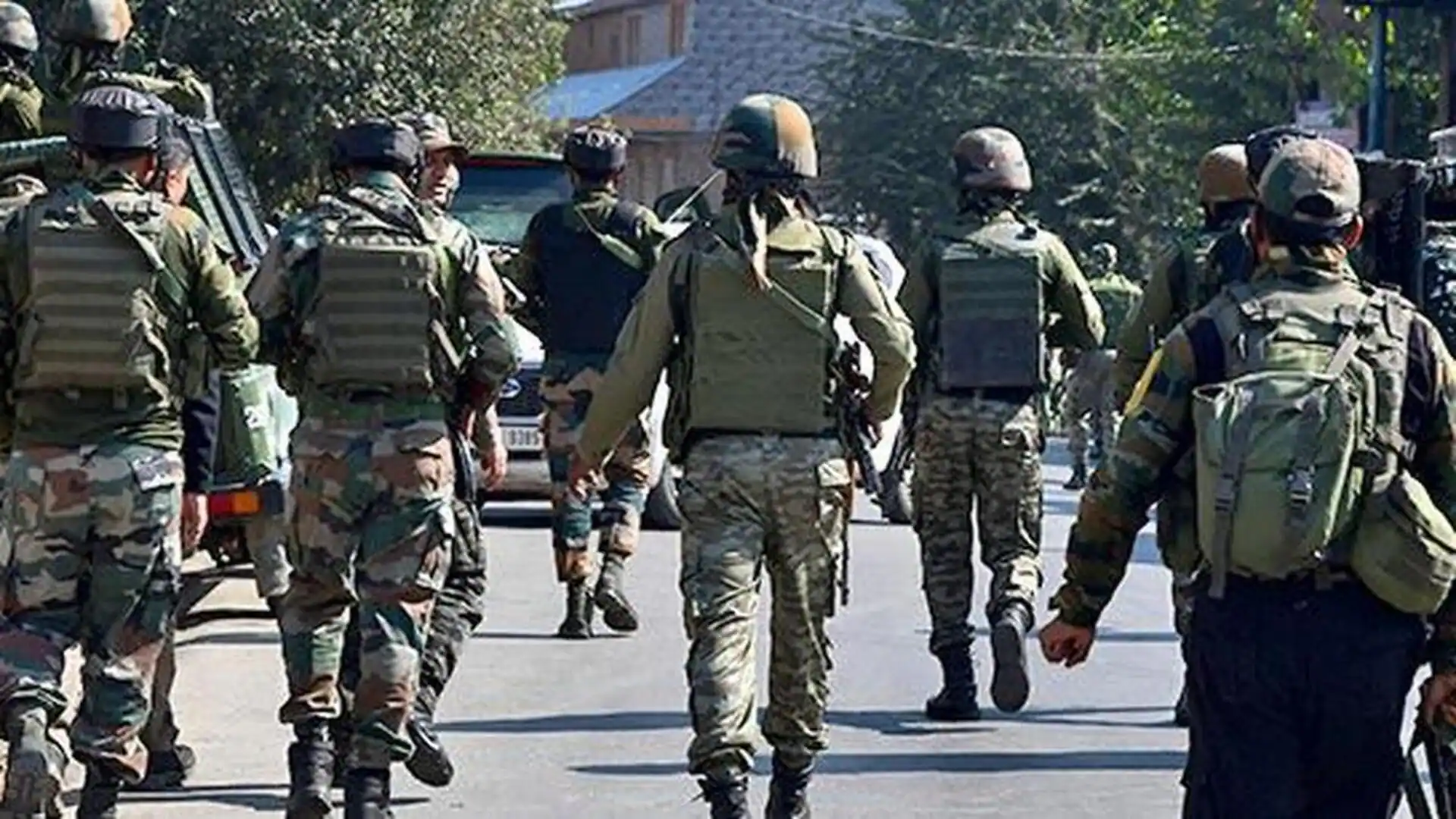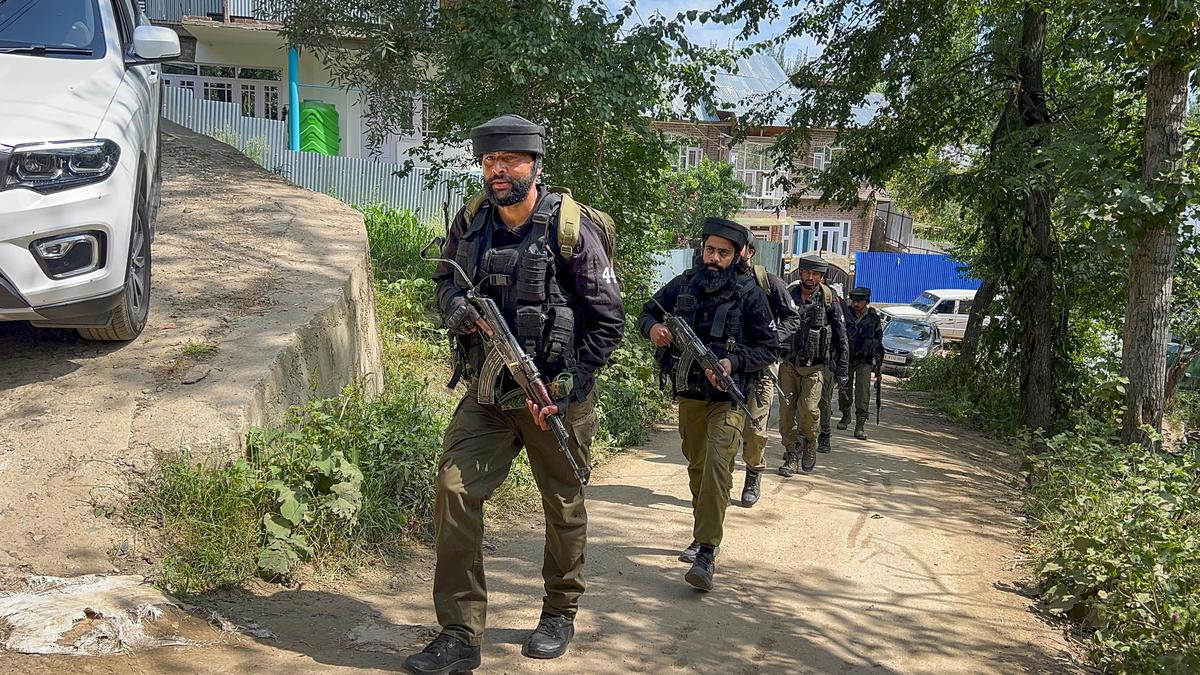
The establishment’s response to the July 22 killing of a policeman in Jammu & Kashmir by a Lashkar-e-Taiba (LeT) terrorist was to detain 1200 suspects and demolish two houses associated with LeT terrorists in the Union territory’s Anantnag district. The action comes after the first terrorist attack in Jammu and Kashmir after the massacre of tourists in Baisaran, Pahalgam on April 22, 2025. The attack and response prompt two interconnected questions. First, are authorities anticipating another spate of Pakistan-backed violence in the valley? And should this attack be seen as a desperate bid by LeT, a Pakistan-based terror outfit?
On July 8, a special court issued a non-bailable warrant against Hafiz Saeed, the co-founder of LeT, after the National Investigation Agency filed a supplementary charge sheet in the Pahalgam terror attack case, which claimed 26 lives. With the killing of head constable Ashiq Hussain on Wednesday, LeT operatives, along with their Kashmir-based proxy organisation called The Resistance Front (TRF), might be signalling the continuance oftheir adventurism in the region.
While details are awaited, the attack also has to be seen in conjunction with Pakistan’s increased efforts on various international fora to tarnish India’s image. By ratcheting up the Indus treaty issue, Islamabad has been seeking to internationalise the larger Kashmir dispute. India’s strict stance on Indus waters seems to have rattled the politico-military establishment of Pakistan. Enjoying a greater rapport with the US, bolstered prematurely by a now-broken ceasefire deal in the ongoing West Asia conflict, Pakistan wants to obfuscate the reality of its backing to several terrorist outfits active in the region.