The training of healthcare professionals shapes the way they relate to their patients, patients’ families and the communities they serve. But what if that training doesn’t fit the circumstances the professionals work in?
I’ve been working in higher education in South Africa and internationally for over 20 years. During this time, my colleagues and I have introduced our students in various health and social care professions to training modules that are based on theory, models and frameworks from the global north. For example the curriculum has a strong focus on an individual’s performance. As a result, health professionals will look for those same behaviours in their colleagues, and unconsciously expect patients and communities to engage in that same individualistic way.
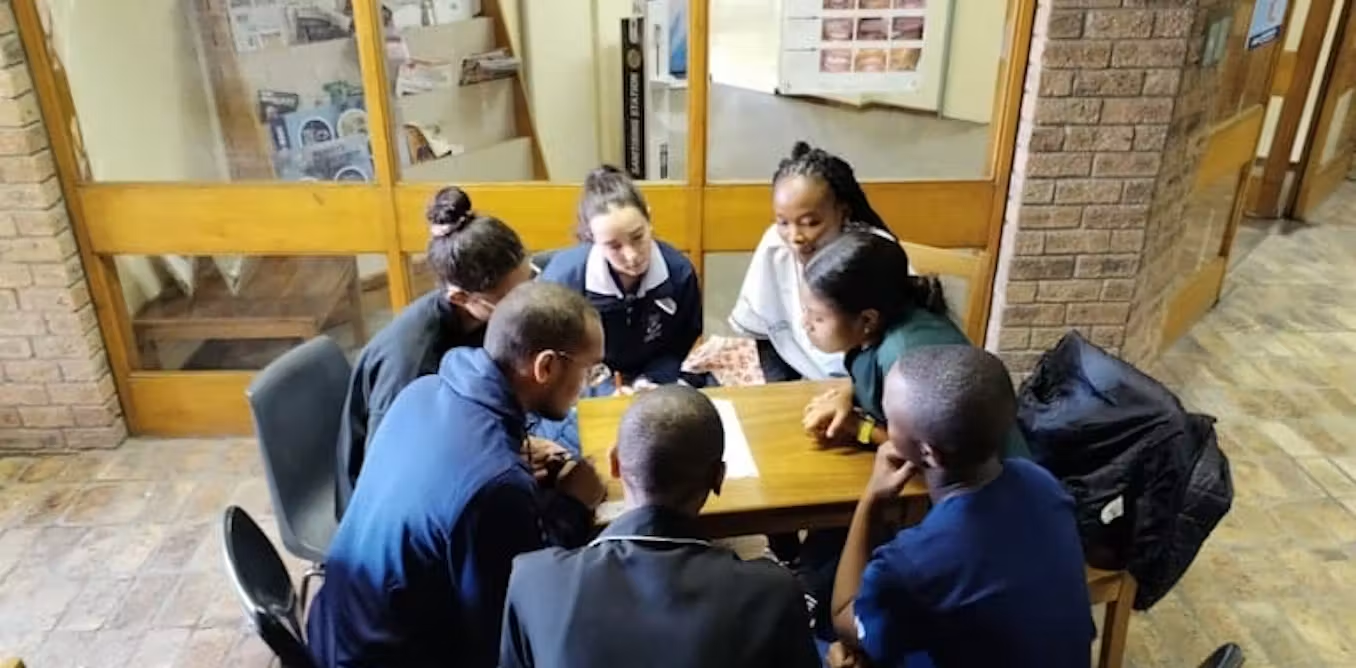
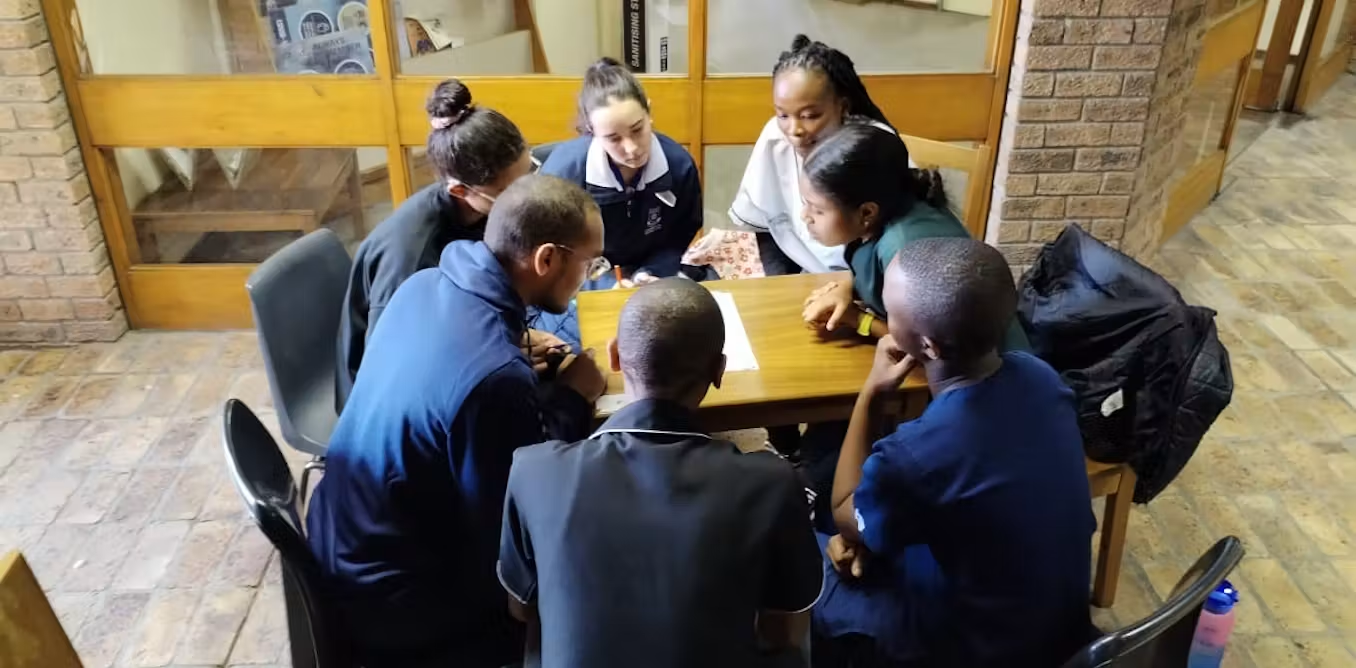
It often felt that we were lagging behind in our training. We asked ourselves why our students were not actively participating in group work or team discussions during clinical training. Over time, however, our team of educators began to wonder whether the students in African countries had a different approach to how they worked with people.
In a recently published paper we looked into this question. We concluded from our findings that some training and education models for health professionals in Africa are misplaced. That’s because health decisions in many communities across the continent are frequently made within families. Elders need to be consulted. Care is understood as a shared, communal undertaking rather than a private negotiation between one health professional and one patient.