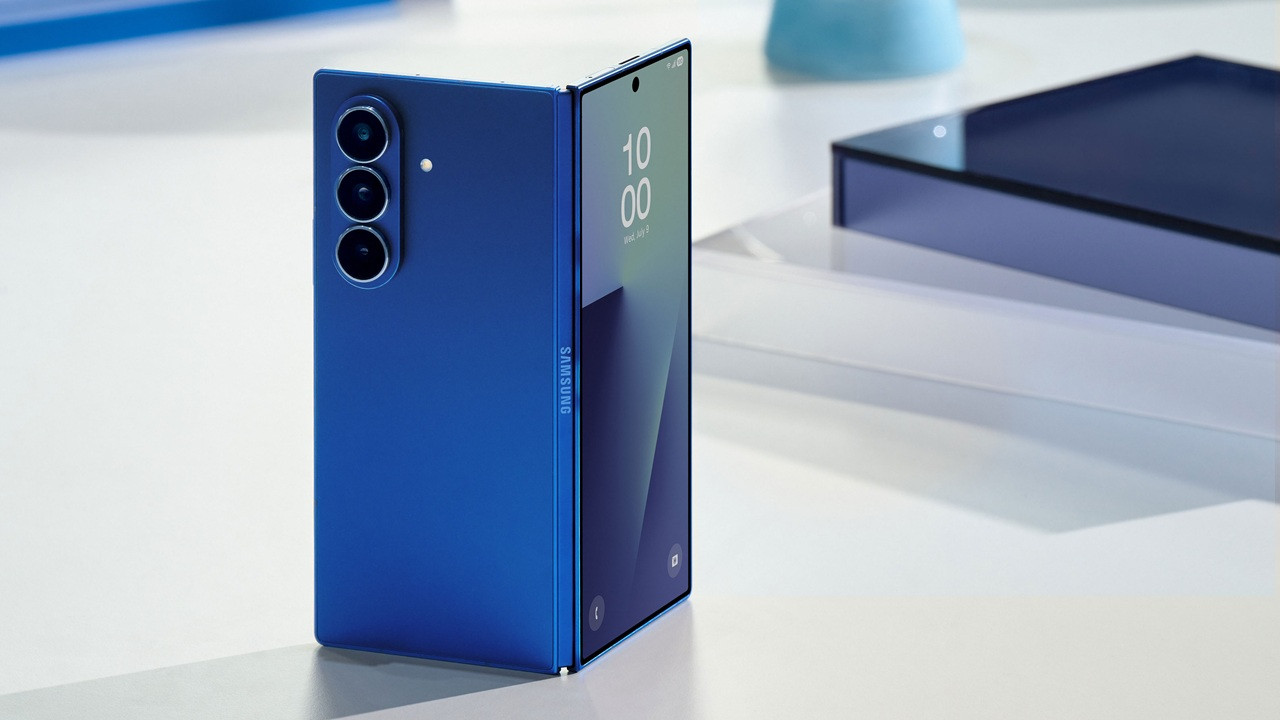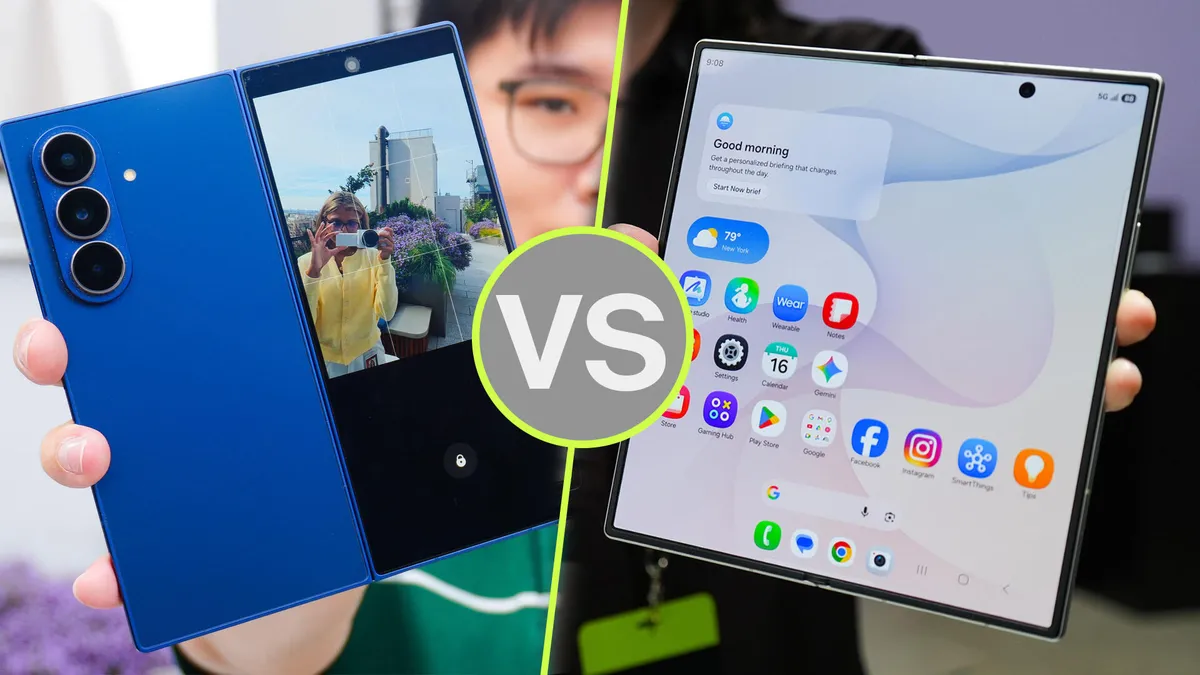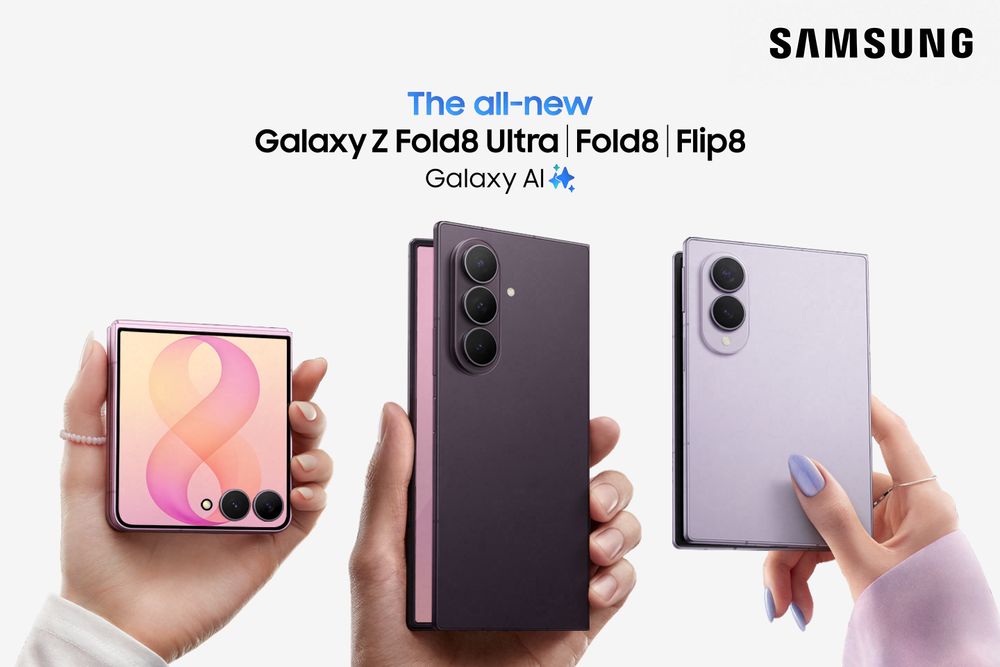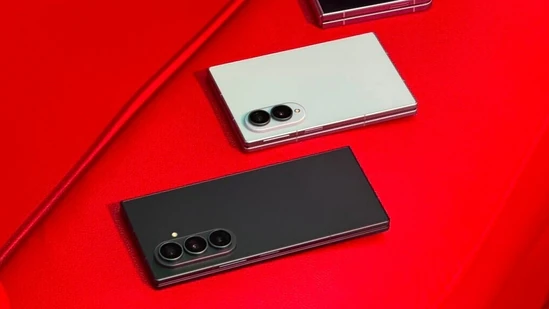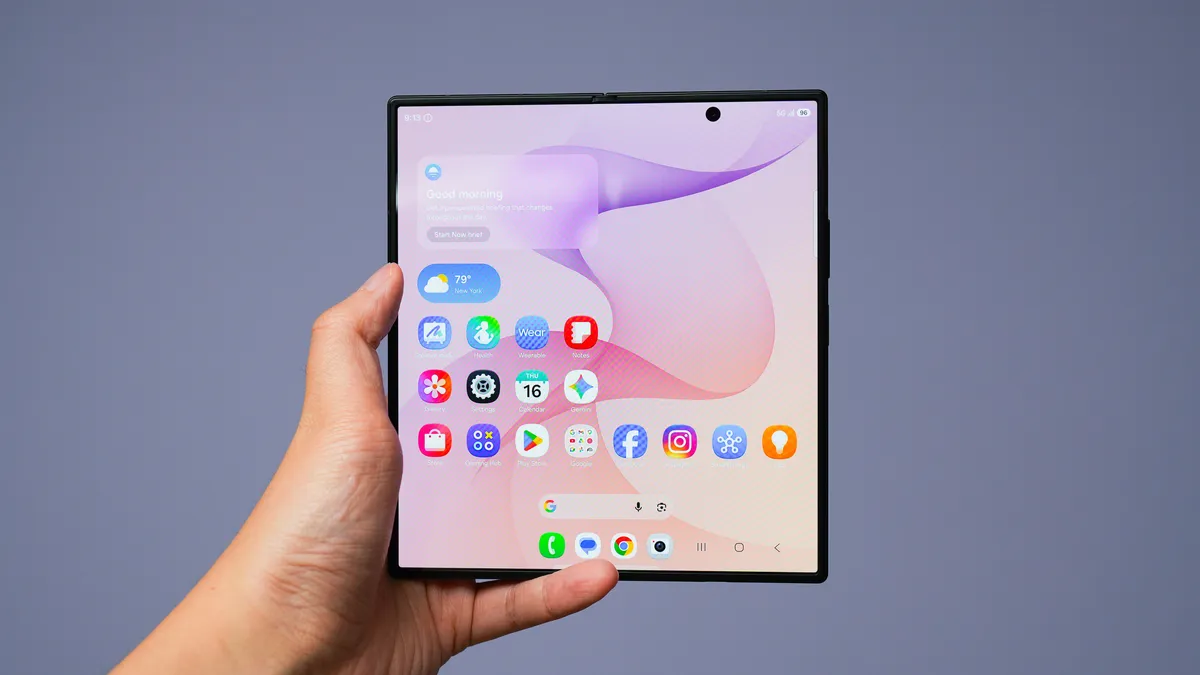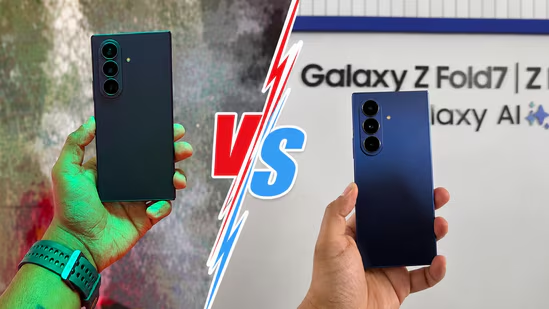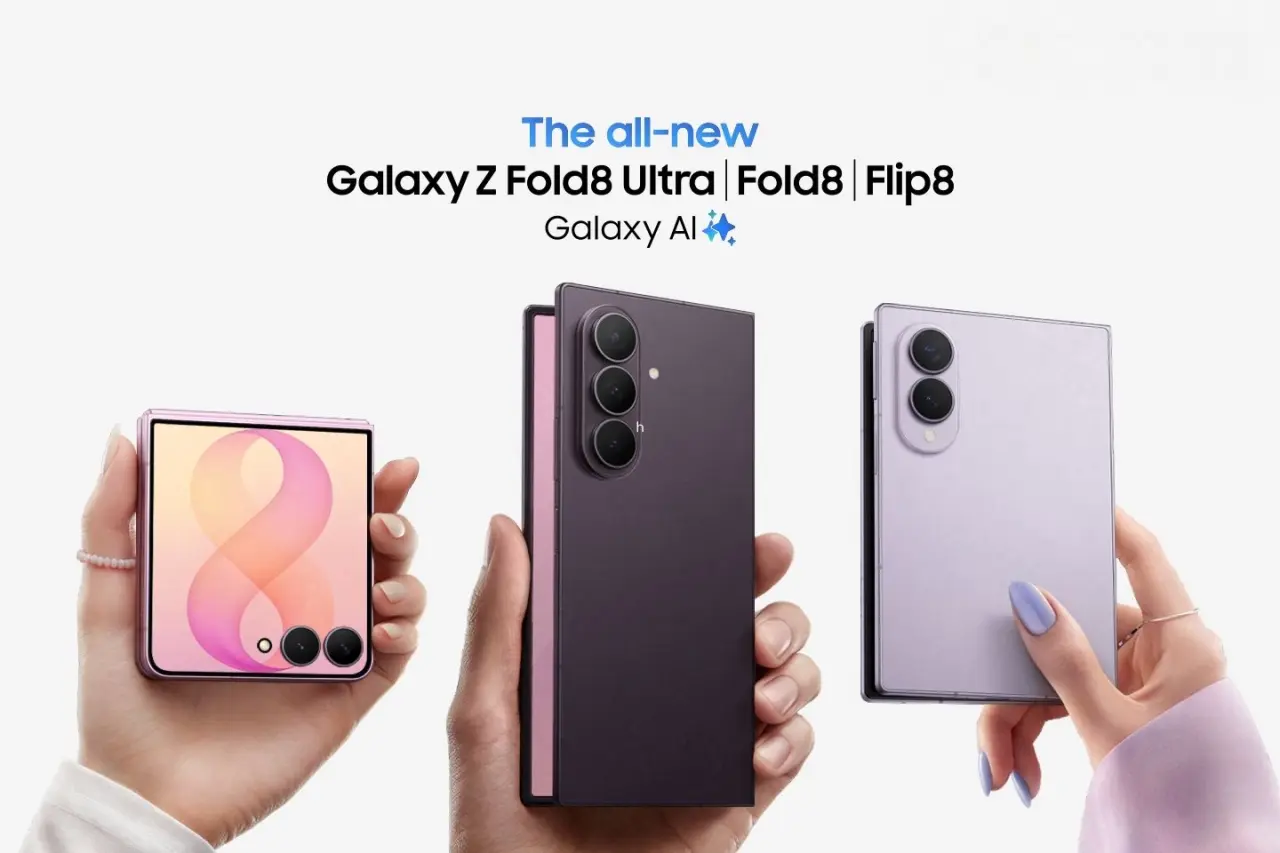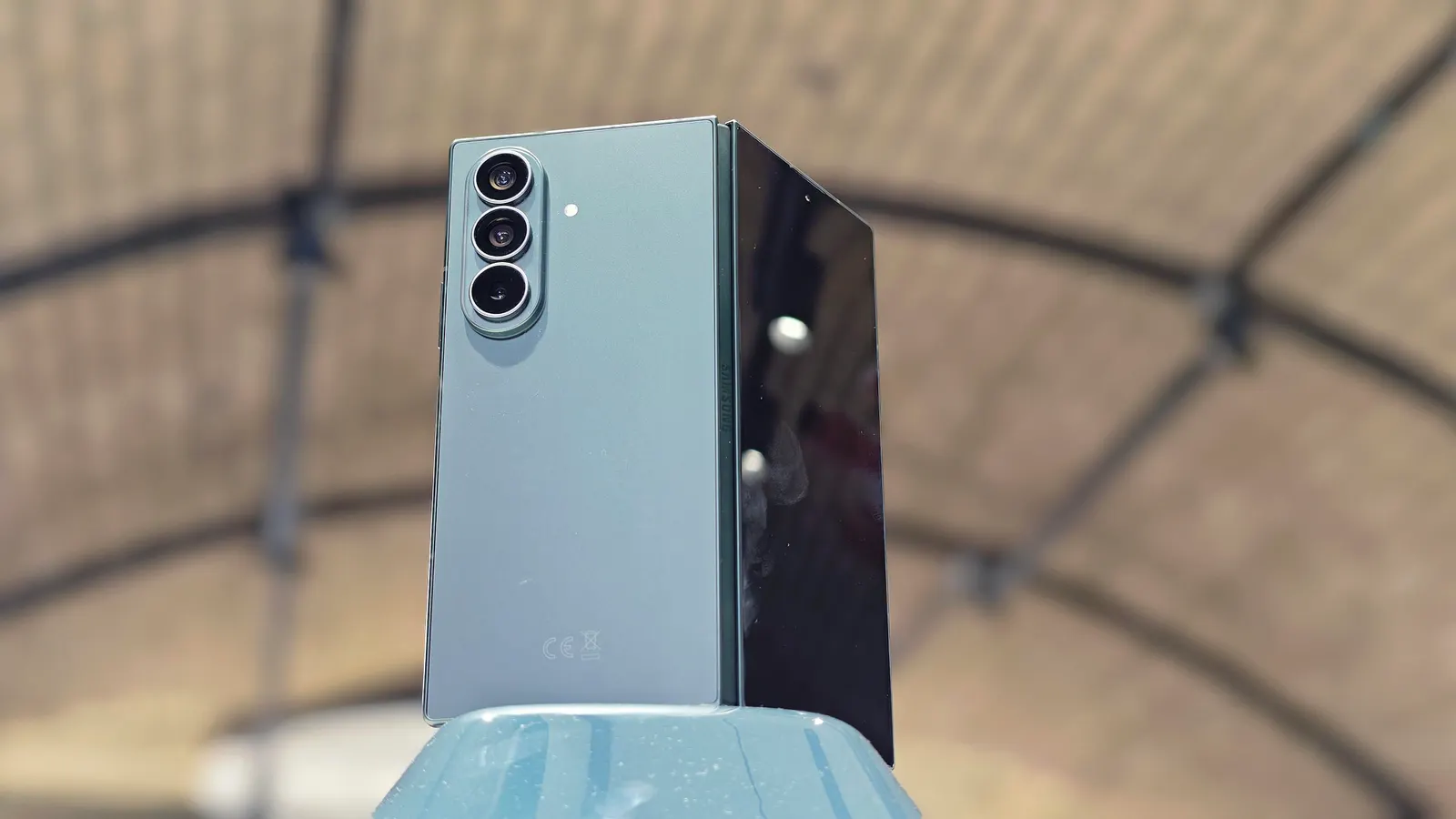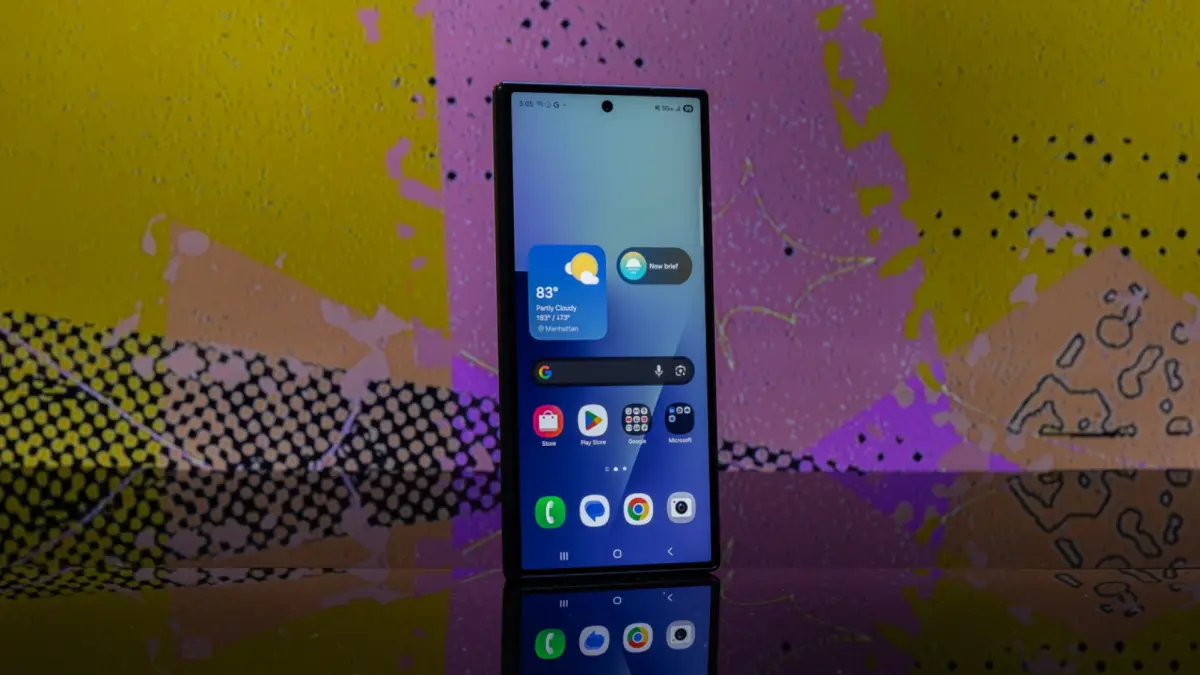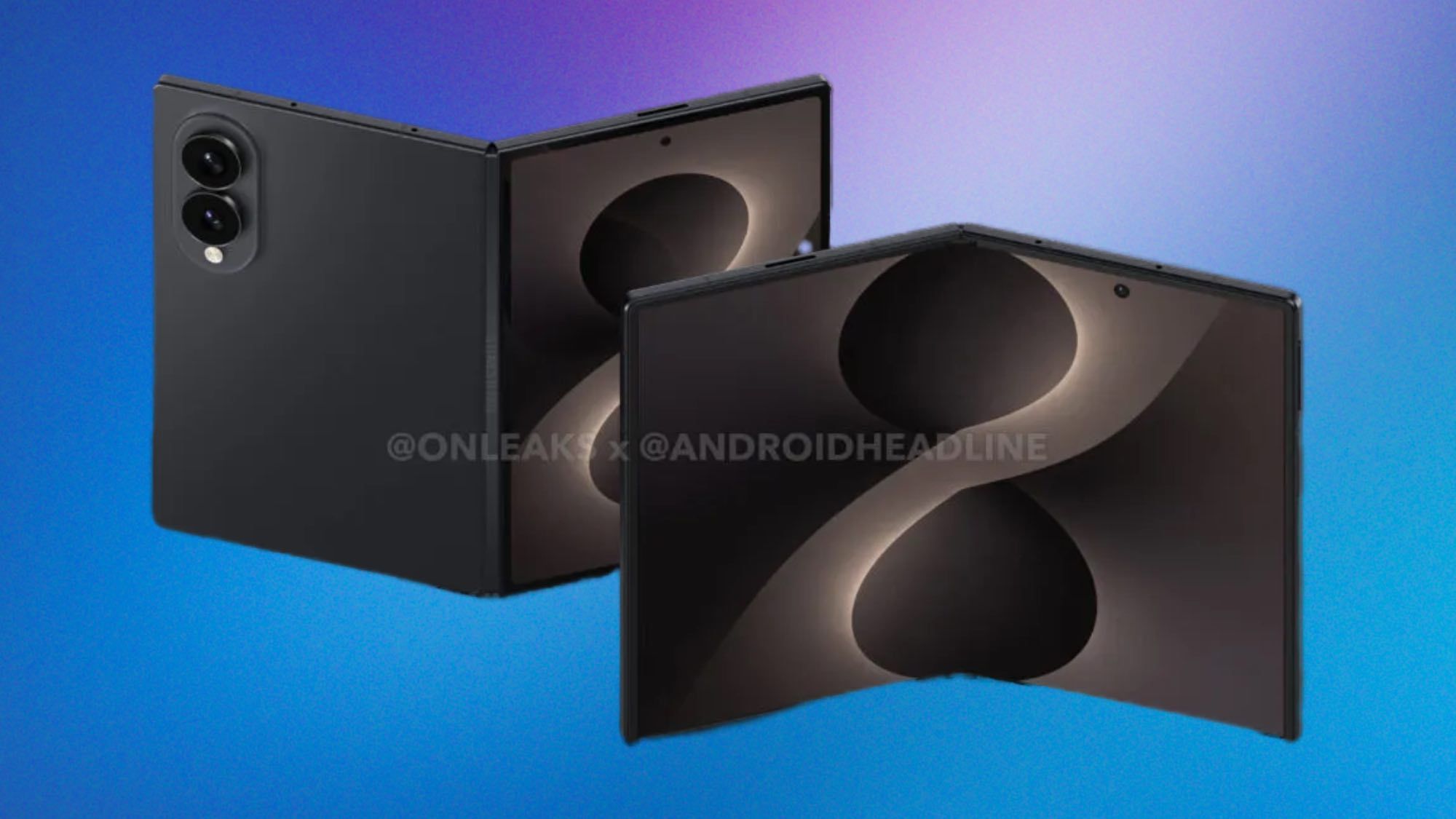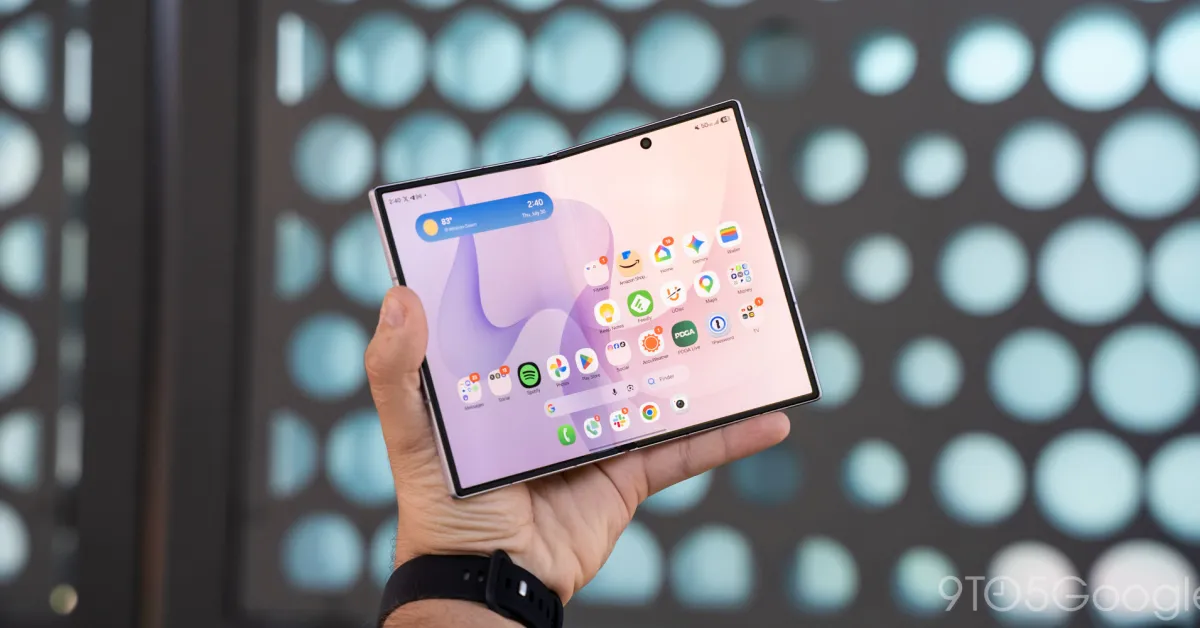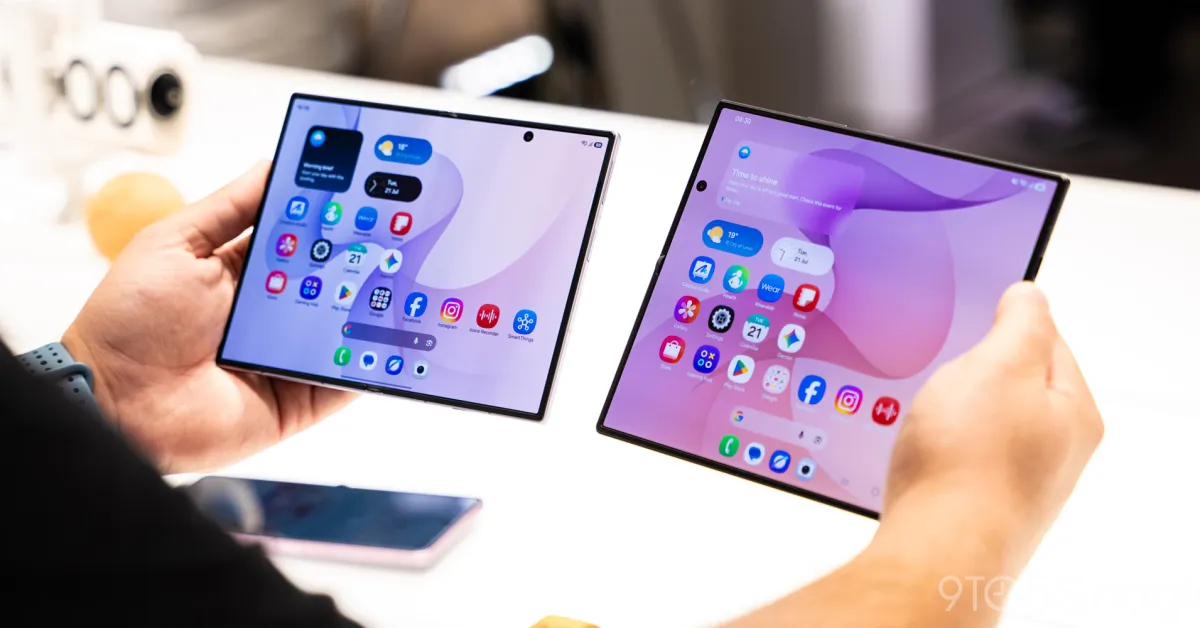
Android is a platform of variety, and that’s even more true now with the launch of Samsung’s new Galaxy Z Fold 8 series, which includes what Google refers to as an “ultra-wide foldable.”
In a developer-focused blog post, Google encourages Android app makers to build for the latest foldables by “dropping assumptions about display orientation and size.” Google calls the new Galaxy Z Fold 8 an “ultra-wide foldable,” which hasn’t been a particularly common canvas for Android apps. Only a few devices, including Google’s original Pixel Fold, fit into this category.
Google encourages developers to build with adaptive layouts, track the actual space being used by an app on these foldable displays, and take advantage of new features, like fold awareness which can help apps split wherever a foldable device’s hinge is found.
Build fluid, adaptive layouts: Wide aspect ratios and compact vertical heights require fluid UIs that scale responsively. Our updated adaptive design guidance advises considering the window class width first to determine layout changes, then adjusting for height. To let individual components fluidly adapt to the grid, structure your layout using flexible containers that allow your content to automatically wrap, span, and reflow. For design inspiration browse our adaptive sample app and dual-screen design galleries.