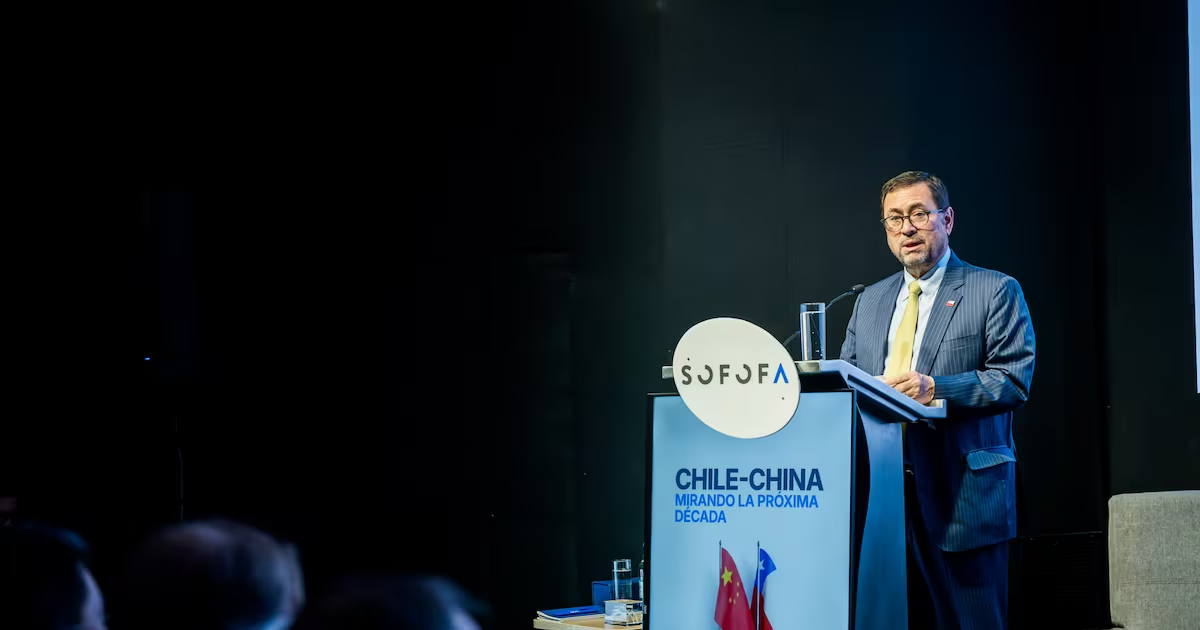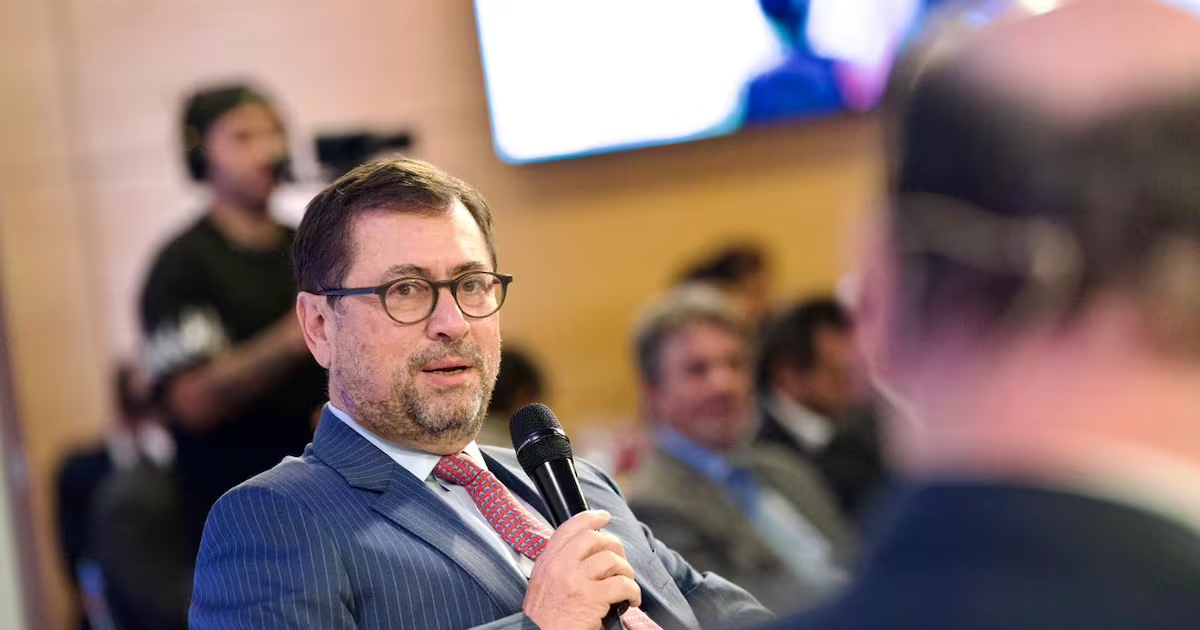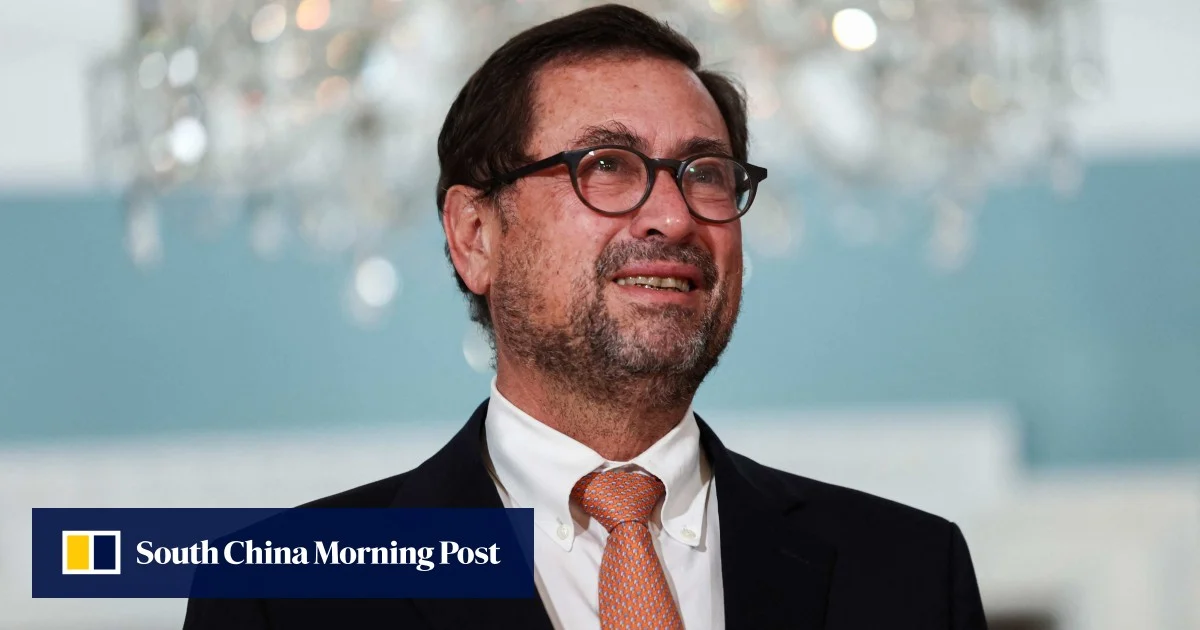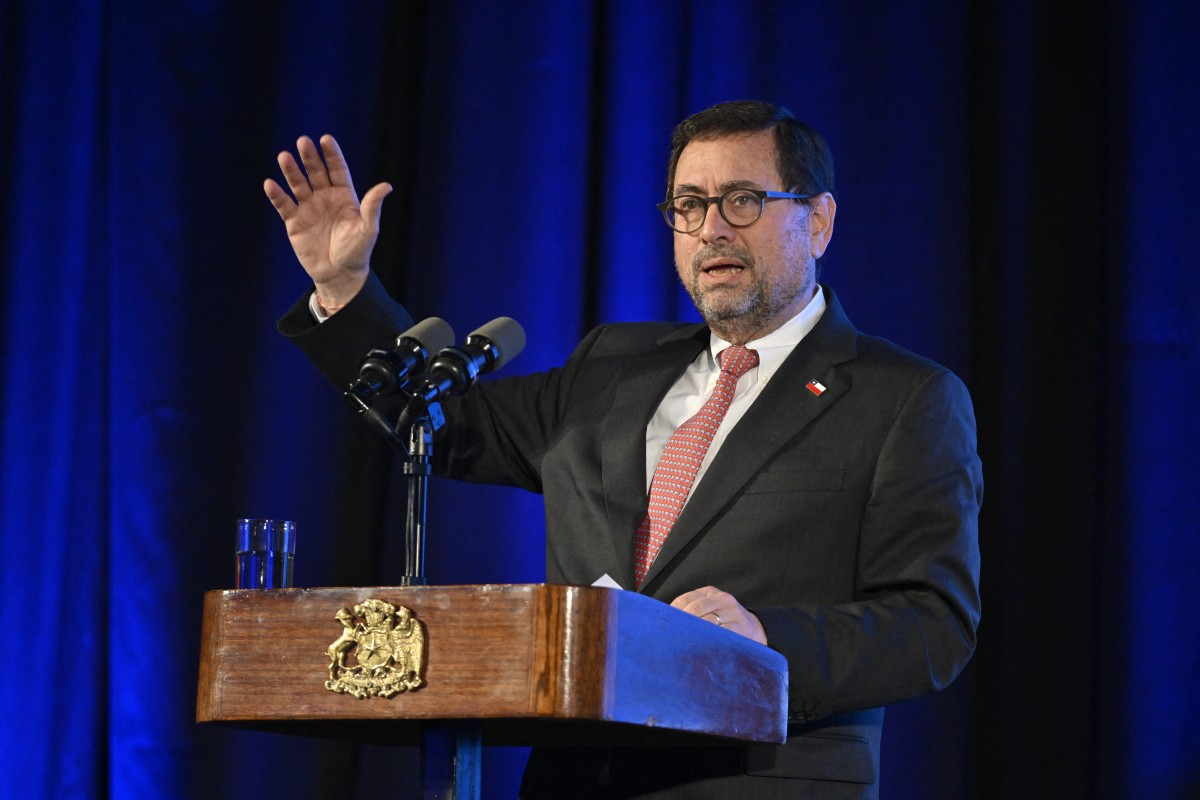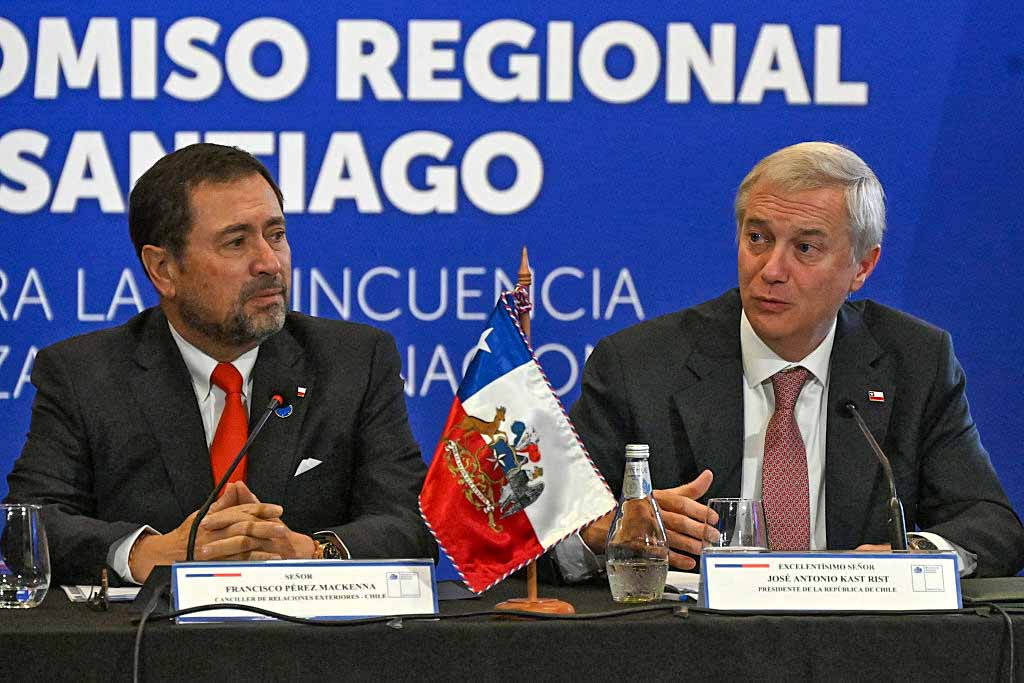
Reading Time: 4 minutesSANTIAGO—Earlier this month, Chile’s Foreign Minister Francisco Pérez Mackenna sent shockwaves through Santiago’s diplomatic circles when describing the country’s relationship with the U.S. “The United States is probably, from a strategic standpoint, our main partner,” the official said in a TV interview. He then quickly added that this “does not mean that China is not a tremendous partner of ours, nor that we shouldn’t seek other alternatives, such as what we have done with India.”
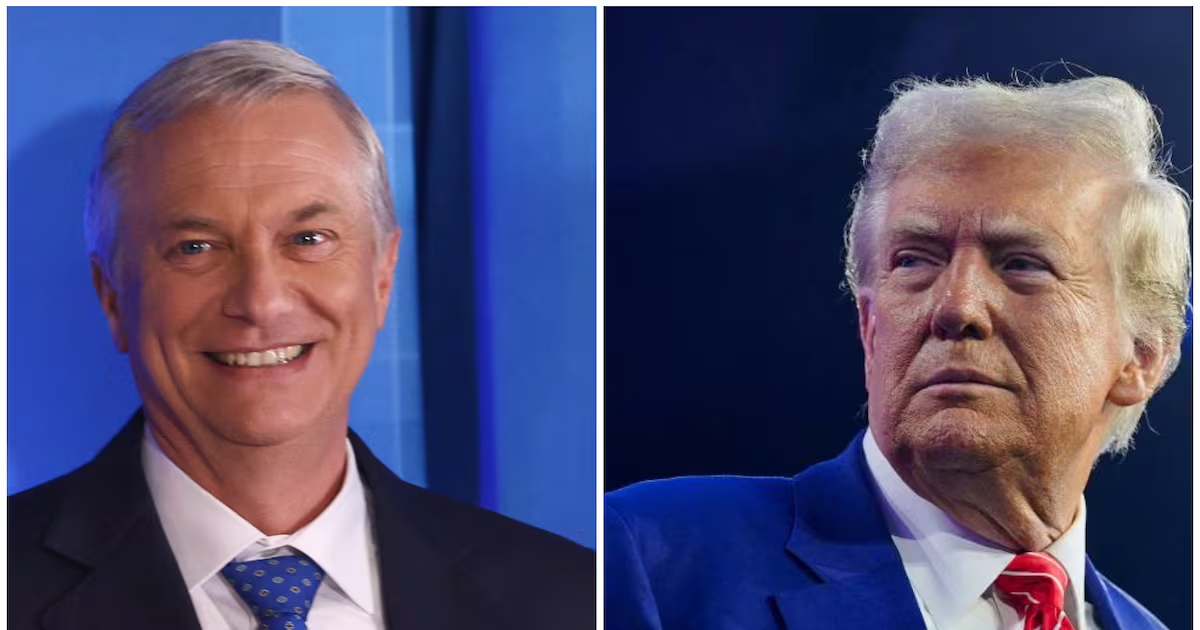
His comments may seem like a diplomatic balancing act, but they also exposed a real and growing tension at the heart of Chilean diplomacy. Days before the interview, on July 6, Pérez Mackenna held his first meeting with his U.S. counterpart, Secretary of State Marco Rubio, to discuss areas of cooperation, including regional security and critical minerals, as the conservative administration of President José Antonio Kast seeks to signal alignment with the West.
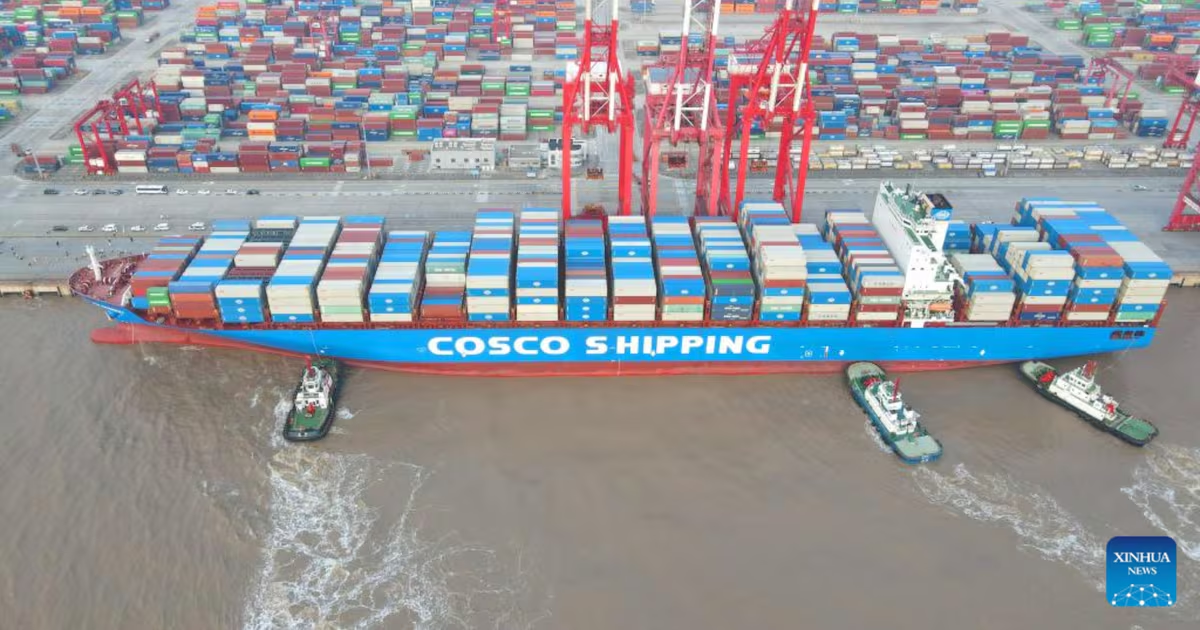
But as the new government makes this a priority, it is simultaneously aware that no other Latin American country sends a higher share of its exports to China. The Asian country absorbs 53% of Chile’s copper exports and 70% of its lithium—the two pillars of the country’s economic future. It is a dilemma that no amount of careful wording can paper over.