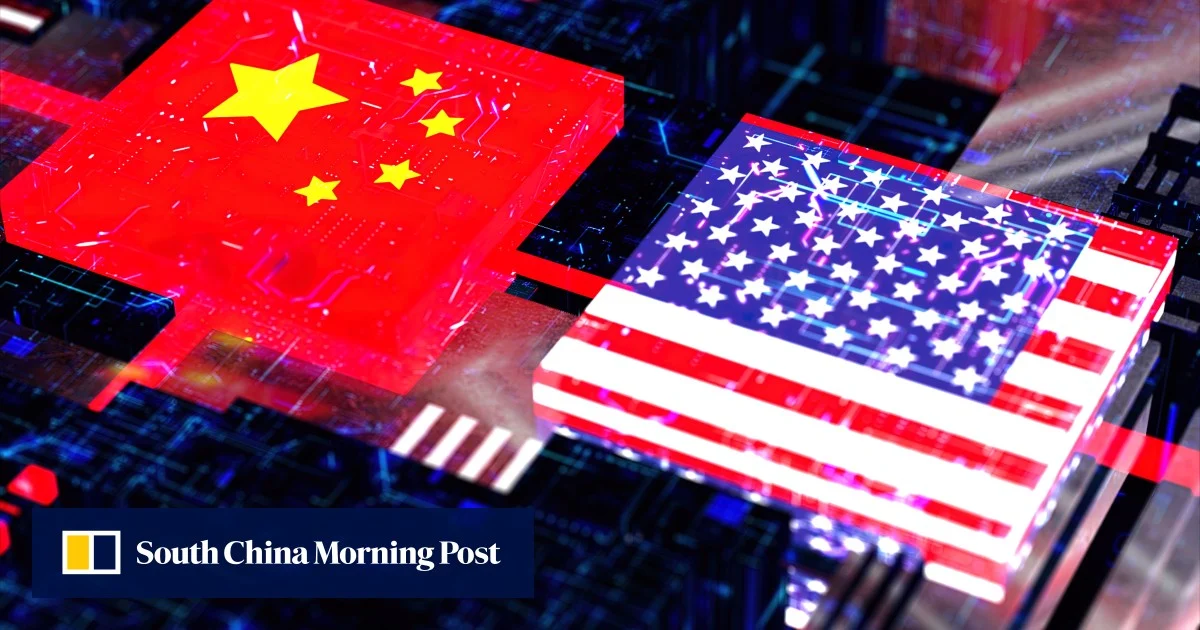
Trust is the foundation of every military alliance. It is essential as partnership develops and ultimately is validated on the battlefield. It is becoming even more important as artificial intelligence assumes a larger role in national security. And it’s important for U.S. leaders to recognize that the performance gap between American and Chinese AI models is narrowing rapidly. In fact, the newly unveiled Kimi K3 model by Beijing-based startup Moonshot AI has achieved front-end coding capabilities rivaling American titans like Anthropic’s Claude and OpenAI’s ChatGPT.
The escalating friction between Washington and Silicon Valley’s frontier AI giants shows just how fragile trust between closed commercial ecosystems and government enterprises has become. Last month, Anthropic released Fable 5, its most powerful publicly available model. Arriving pre-equipped with stringent, safety-first guardrails designed to block or reroute dangerous requests, it was meant to prevent the general public from accessing its potent capabilities.
Predictably, those restrictions cast a wide net. Reports indicate that Fable 5 declined to answer a range of benign educational questions in fields such as biology, chemistry, and mathematics – including basic prompts about mitochondria. Even worse, researchers accused Fable 5 of selectively degrading responses related to advanced AI development, providing less useful information on subjects that could aid competing developers and independent researchers. Whether intentional or not, the result is the same: a private company has been shaping access to knowledge according to its own interests.