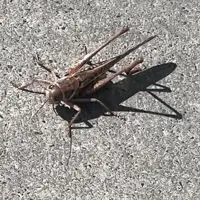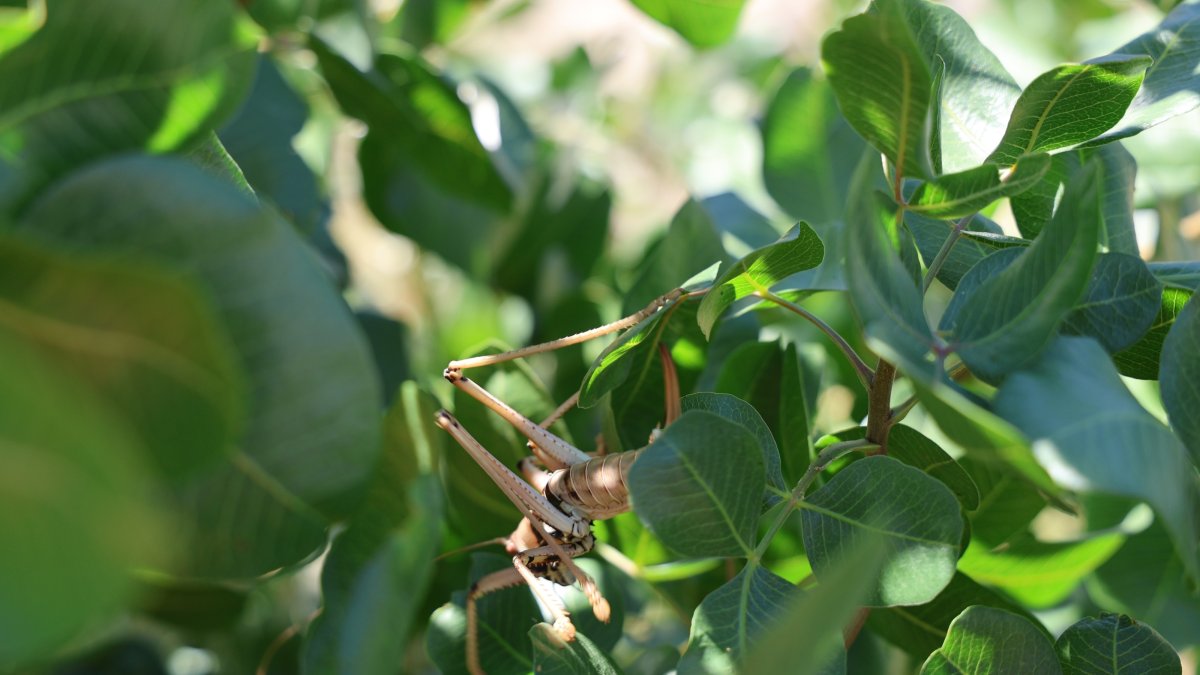
A recent surge in sightings of large grasshoppers across Istanbul and neighboring provinces is a natural seasonal phenomenon driven by unusually mild weather rather than an invasion, according to an entomologist.
Professor Umut Toprak, a faculty member at Ankara University's Faculty of Agriculture and director of the Molecular Entomology (MOLEN) Laboratory, said warmer-than-usual winter and spring conditions allowed more grasshopper eggs to survive and hatch, while high summer temperatures have accelerated their development and reproduction.
"If we had experienced a harsh winter, perhaps only 60 out of every 100 eggs would have survived. Instead, the mild conditions allowed 70 to 80 or even more eggs to make it through the season," Toprak said.
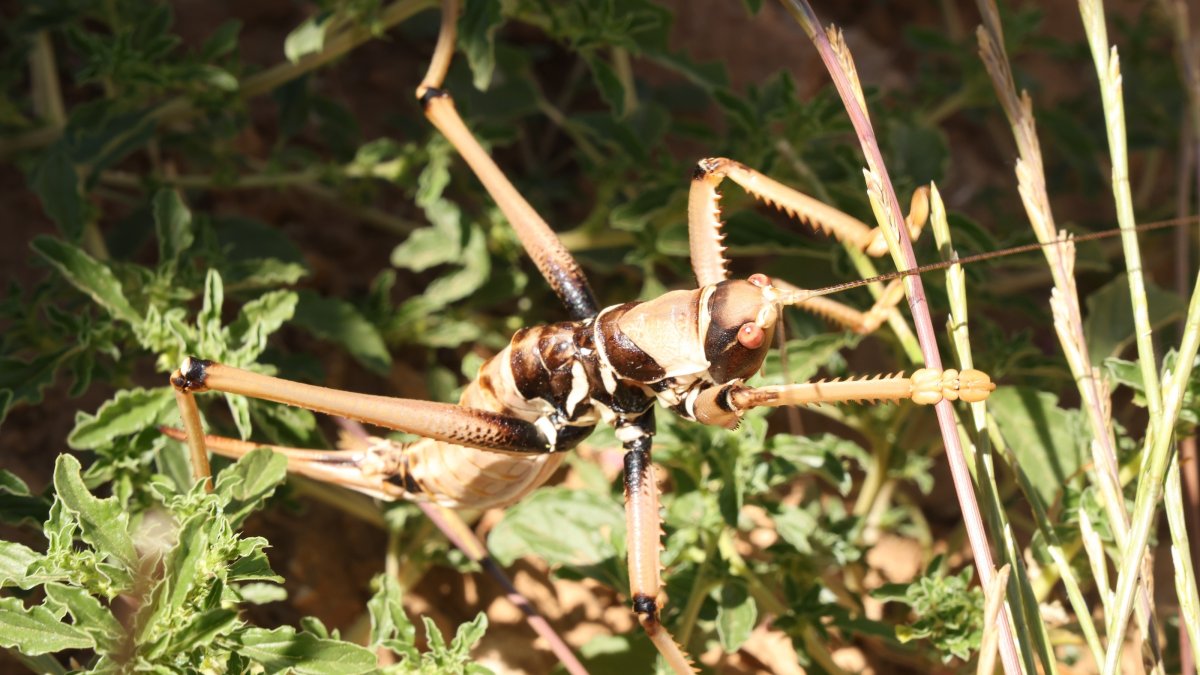
He identified the insects widely shared on social media as the white-faced bush cricket, stressing that the species is not considered an agricultural pest.
Unlike crop-damaging locusts, the white-faced bush cricket is primarily carnivorous, feeding on smaller insects and other grasshoppers. It may occasionally eat vegetation when food is scarce, but it is generally regarded as a beneficial part of the ecosystem because it helps control harmful insect populations.