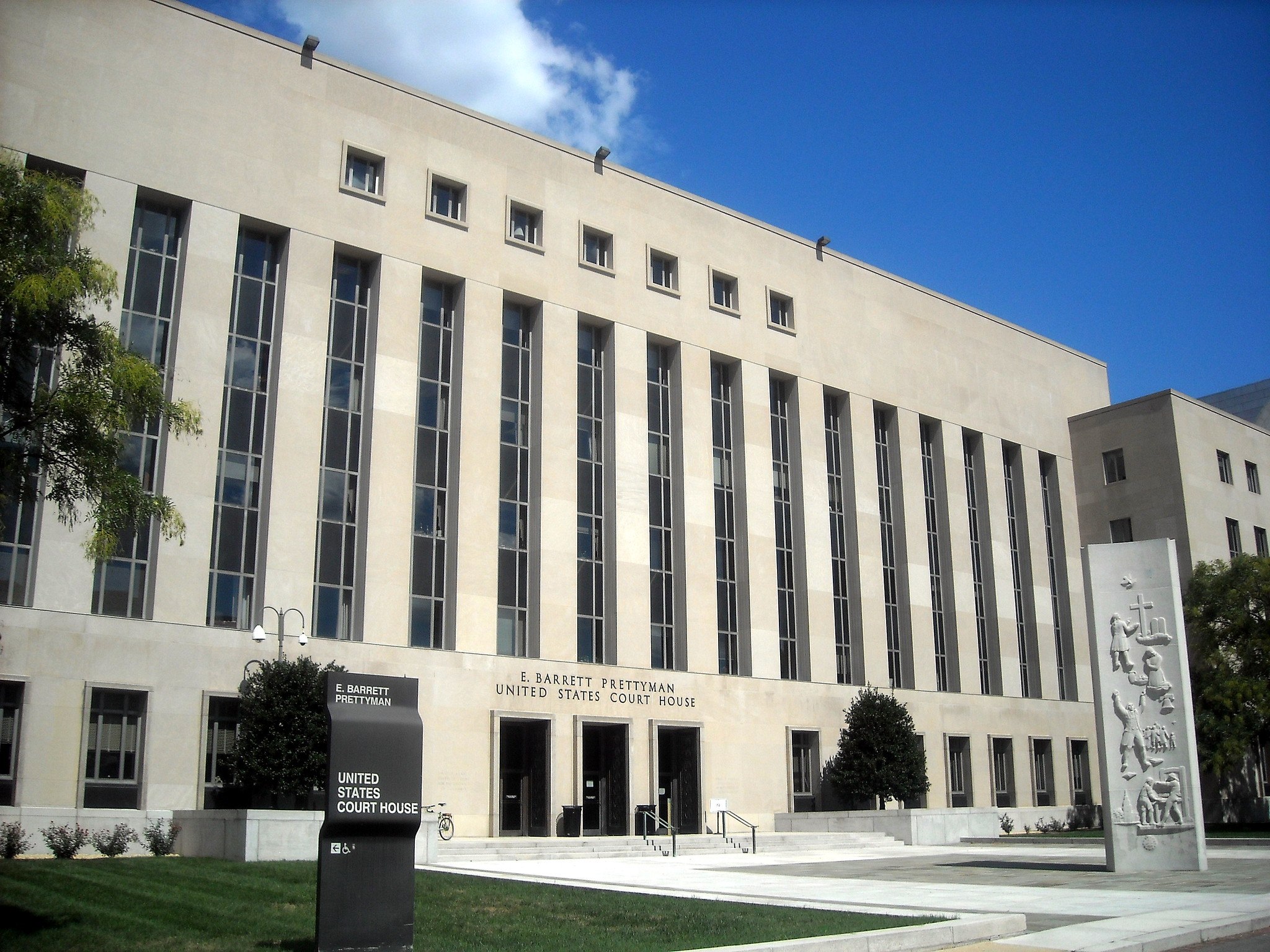
A little-known court tasked with handling highly sensitive deportation cases against alleged alien terrorists has laid dormant since its 1996 creation, lacking even a website for tracking any proceedings before it.
But this month, the Alien Terrorist Removal Court sprung to life with a first-of-its-kind case filed by the Trump administration as it reaches for new deportation tactics.
For 30 years, a rotating set of judges assigned to the court have sat ready to hear any cases brought to it. Yet never before has the federal government thought it had a case that required the court – or was worth the risk of testing the constitutionality of its controversial procedures.
The court gives the government enormous latitude to keep secret – including from the person it is trying to deport – its reasons for believing an immigrant is a terrorist. And it closes off many of the avenues migrants typically have for contesting their removals.
Because, by design, most of what happens in the court is kept under wraps, little is known about the groundbreaking case the Justice Department filed in the court this month. But what is a public is an order from the ATRC judge who is overseeing it, indicating she was not persuaded by the government’s initial arguments and was requiring additional information to be submitted this week.