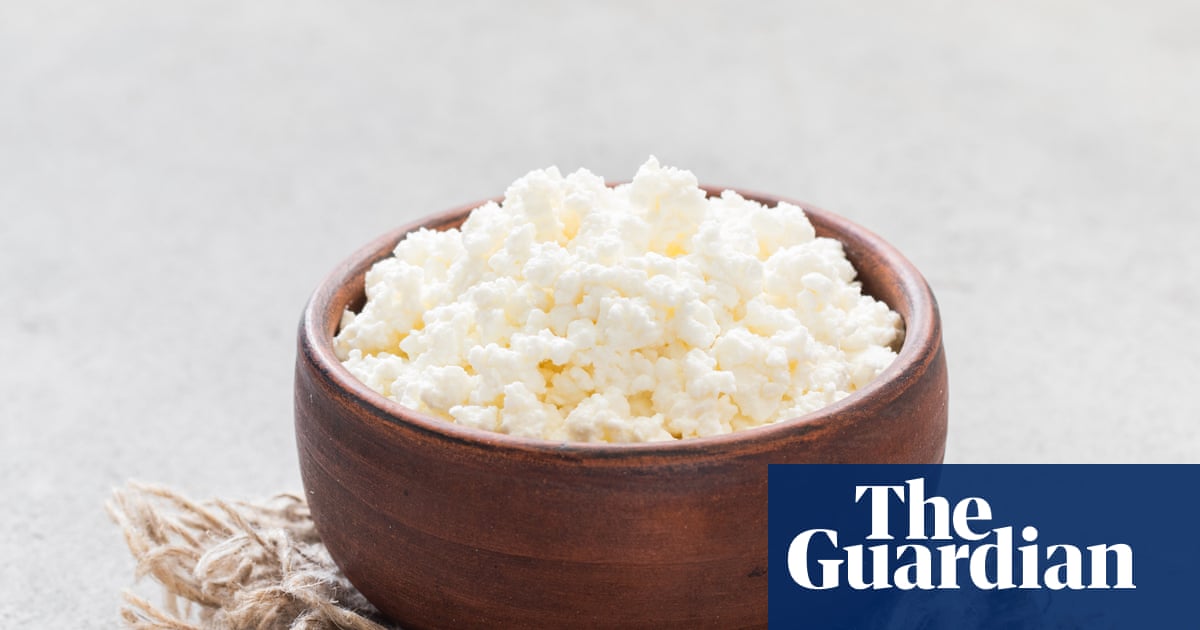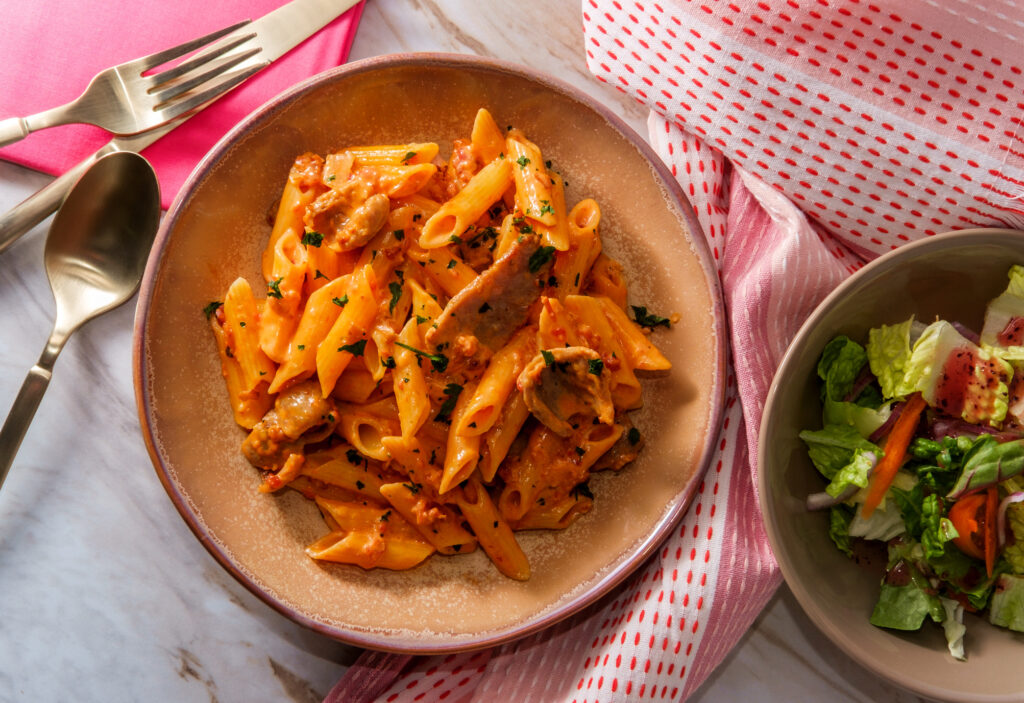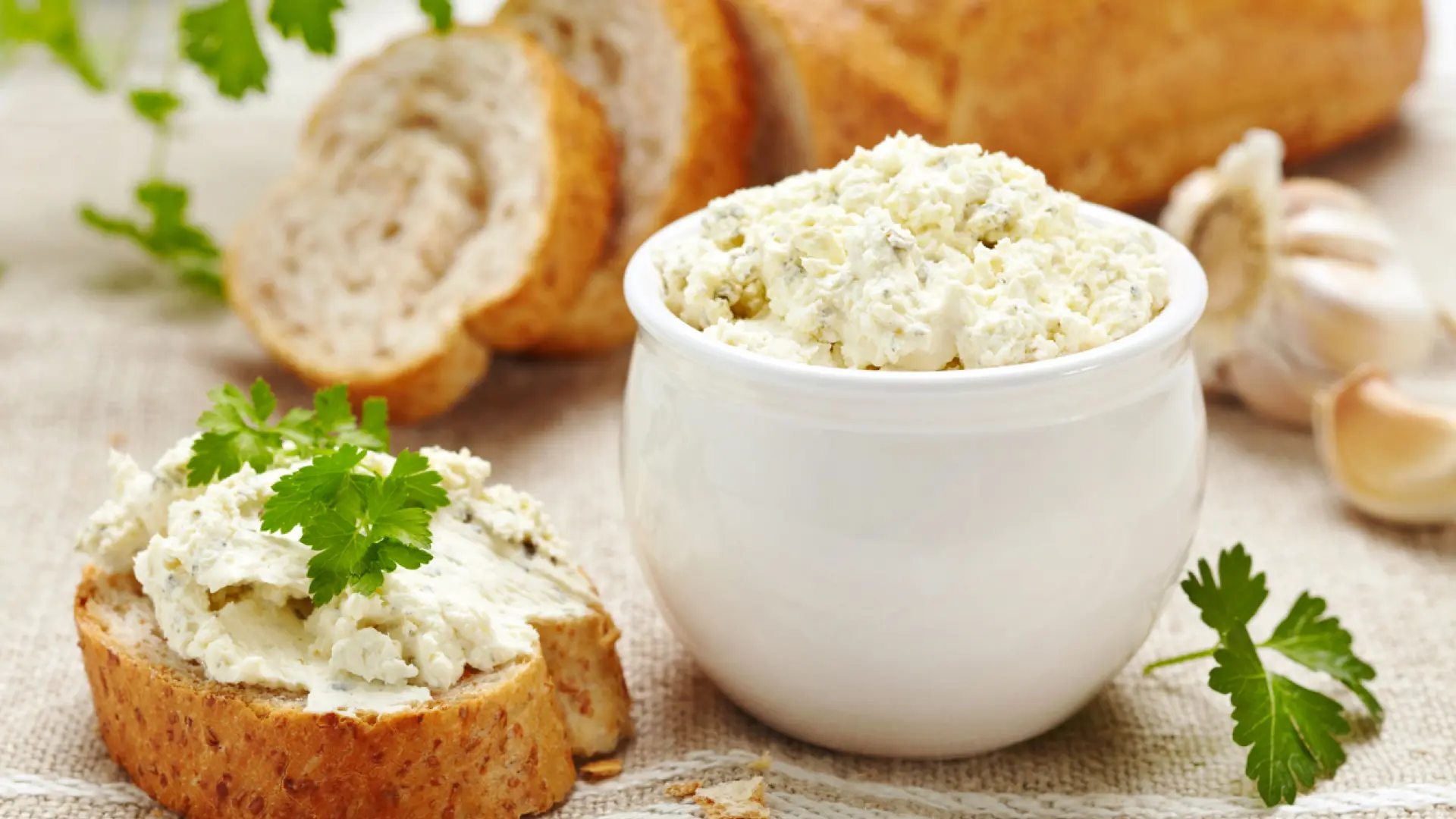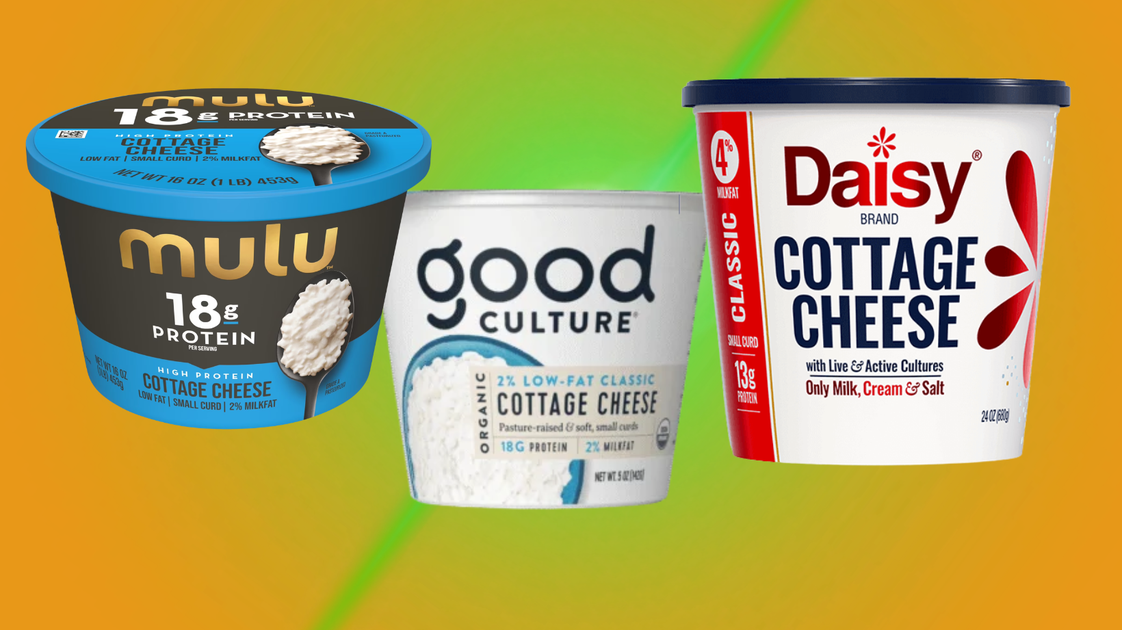
Grace Elkus didn’t choose the cottage cheese life, it chose her. The vegetarian recipe developer was indifferent about the creamy, curd-laden cheese until she realized just how much protein it contains.“I was trying to figure out how to increase my protein, and as a vegetarian you have to get a little creative,” she said. “I was just shocked by how much protein is in even just a half cup of cottage cheese.”Now, the cookbook author can’t get enough of it, eating it plain and adding it to recipes throughout the day.Meanwhile, Lauren Harris-Pincus, a registered dietitian nutritionist (RDN) and founder of NutritionStarringYOU.com, has been waiting for cottage cheese to have its moment. Her now-grown children used to gleefully eat it as kids, and she’s been singing its praises ever since. “It was grandma food back in the day, and now it’s everybody’s favorite protein source,” said Harris-Pincus. “I’m thrilled because it creates more innovation as well.”Mulu/Good Culture/DaisyMulu, Good Culture and Daisy cottage cheeses all come highly recommended.Cottage cheese may seem like a mysterious “spa food” from the ’80s, but it’s actually not that different from mozzarella or burrata: a soft, unaged cheese made from heated milk. The curds that give it a pebbly texture can vary in size, but that ultimately comes down to personal preference.“When it comes to cottage cheese, you’re talking about two things: texture and flavor,” said Erin Clarke, the recipe developer behind Well Plated by Erin. “I look for a uniformly creamy base with small, tender curds that are rich but not overly heavy. The flavor should be fresh, almost as if you were eating ice cream but with a bit of a tang.”As consumers become more obsessed with loading up on protein, cottage cheese is more in the culinary zeitgeist than ever. Grocery store options have expanded beyond the classic brands of the ’90s, and it can be hard to know which ones are the best — and worth the price tag. Here are the brands dietitians and chefs love.The Varieties With The Best Texture For Eating It Plain (According To Chefs)For Elkus, it’s all about Good Culture. “I only ever eat Good Culture plain, and that’s why I’ll stock up when I see it and always have it on hand,” she said. “The most fun is the single-serve cups because they’re so easy to grab.”She likes both the 2% and 4% varieties for on-the-go snacking. Elkus particularly likes Good Culture because it’s not too tangy, with a mild flavor and small curds that are creamy rather than watery. “You’re not finding the curds swimming in liquid like you are with some brands,” she added.Similarly, Clarke is a fan of Good Culture’s low-fat option, which helps her meet her protein goals. “It’s fantastic as a savory toast topping with sliced avocado, cherry tomatoes, and a pinch of sea salt and chili flakes,” she told HuffPost. Clarke also enjoys topping toast with cottage cheese, marinara sauce and mozzarella for a “faux-lasagna effect.”The Highest In Protein (According To Dietitians)Good Culture’s popularity isn’t limited to its flavor and texture, it’s also a protein powerhouse, making it a favorite among dietitians as well — including Morgan Walker, a sports dietitian at Lebanon Valley College. The brand’s 2% and 4% varieties each contain 14 grams of protein per half-cup serving, and Walker appreciates the straightforward ingredient list. “It has live cultures added, which not all cottage cheeses do, so it has helpful probiotics for gut health, too,” said Walker. “It also has a relatively simple ingredient list. Some brands have thickeners and gums added to them, and Good Culture doesn’t have that.”For shoppers looking to maximize protein, Harris-Pincus suggests grabbing a tub of Mulu. The brand is sold at Walmart and is made with whey protein in addition to the usual cottage cheese ingredients. “You get 18 grams of protein in a half-cup serving,” she said. “Eighteen grams of protein for 100 calories in a relatively whole food is really great.”The Best For Blending Into Cooking Applications (According To Chefs)When Shelley Elson-Roza, co-founder of Heirloom Fine Foods in Omaha, makes a cottage cheese-based dip, she likes to use Daisy (4%). “It has a firmer texture and curd, and it’s not as ‘loose,’” she said. One of her favorite dip recipes riffs on elote with corn, cilantro and chipotle folded together with the cottage cheese. “It’s really good with tortilla chips and it’s a healthier snack than eating a tub of guacamole or sour cream after work or in the afternoon,” Elson-Roza said.Even if you plan to blitz cottage cheese in a blender, Daisy stands out for other chefs, too. “When it comes to pureeing cottage cheese, I find the low-fat Daisy to be the best,” said Christine Pittman, founder of Cook The Story. “It’s just really creamy, and when I puree other brands they don’t get quite as smooth.”Cottage cheese also adds a creamy protein boost to scrambled eggs and sauces. When Elkus makes dishes like these, she never goes below 2% fat. “If I’m putting it directly in a sauce that’s going to go on the stovetop over direct heat, then I’ll always use the 4% just because I find it’s less likely to separate,” she said.Similarly, Clarke uses cottage cheese as a replacement for ricotta in recipes like lasagna and stuffed shells. For those turned off by the curds, she suggests whipping it in a blender first.Clarke also cautions that cottage cheese requires a gentle hand when heated. “If you get cottage cheese too hot, it will ‘cook,’ meaning it curdles, breaks, seizes and thickens,” she said. “If you’re using it for something like a pasta sauce, heat it very gently and add it to the hot pasta just before serving rather than letting it bubble away on the stove. In baked dishes where it’s mixed into other ingredients, like egg bakes or lasagna, it holds up beautifully and adds creaminess and protein.”
The Best Cottage Cheese You Can Buy At The Grocery Store, According To Experts
Three brands of the protein-packed cheese stand out above the rest.
985 words~4 min read