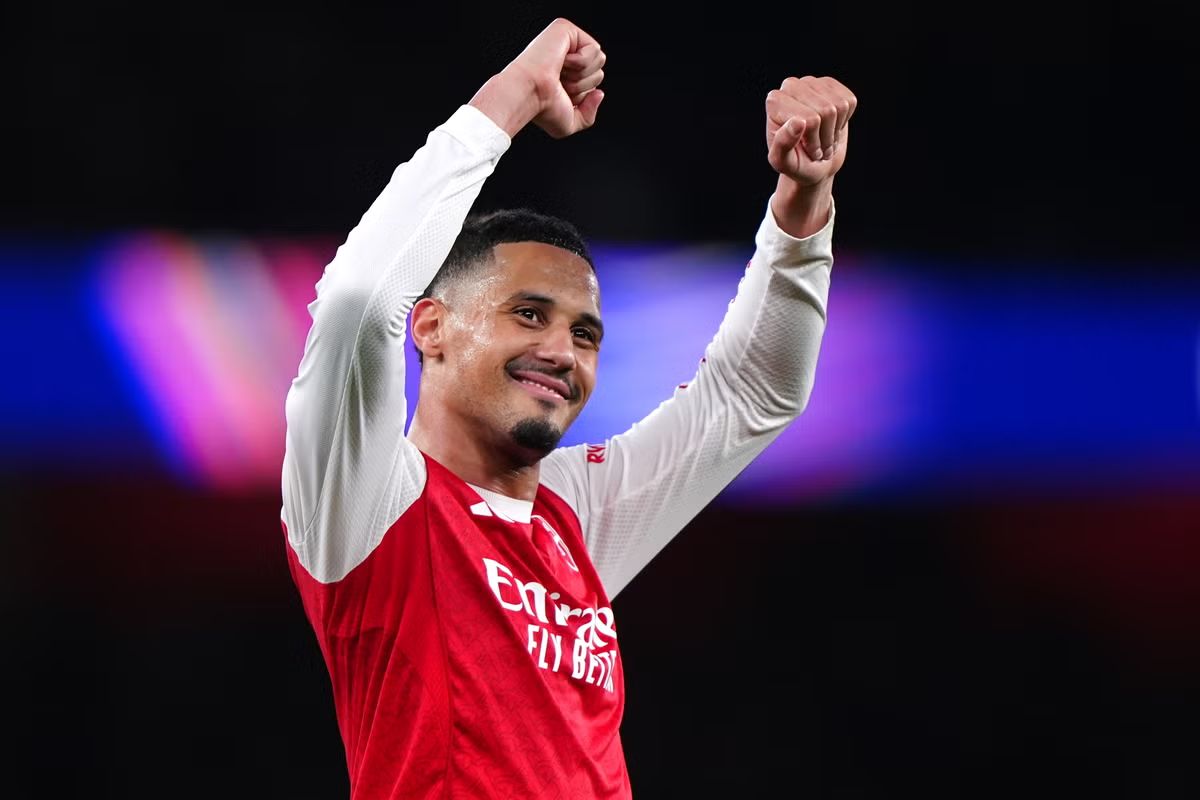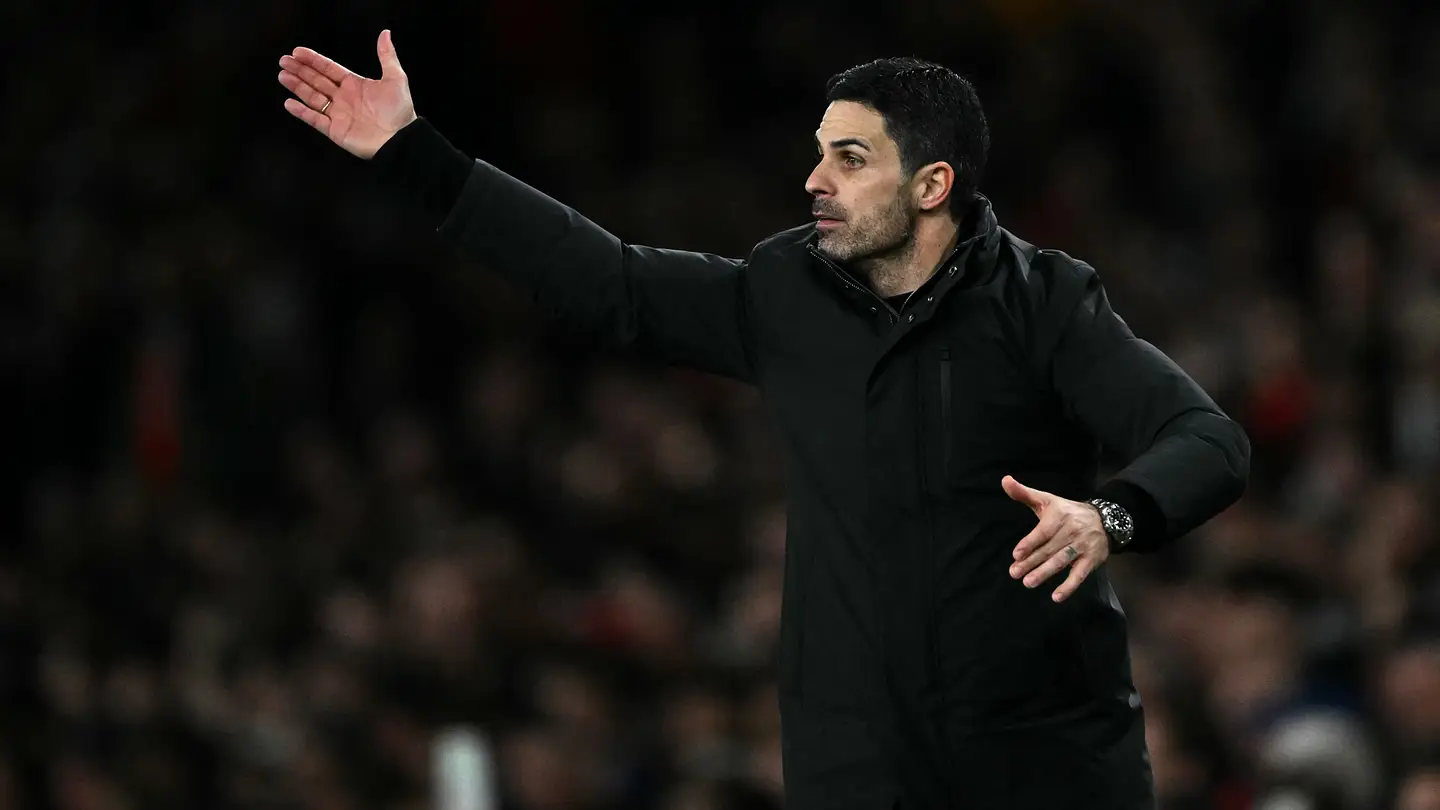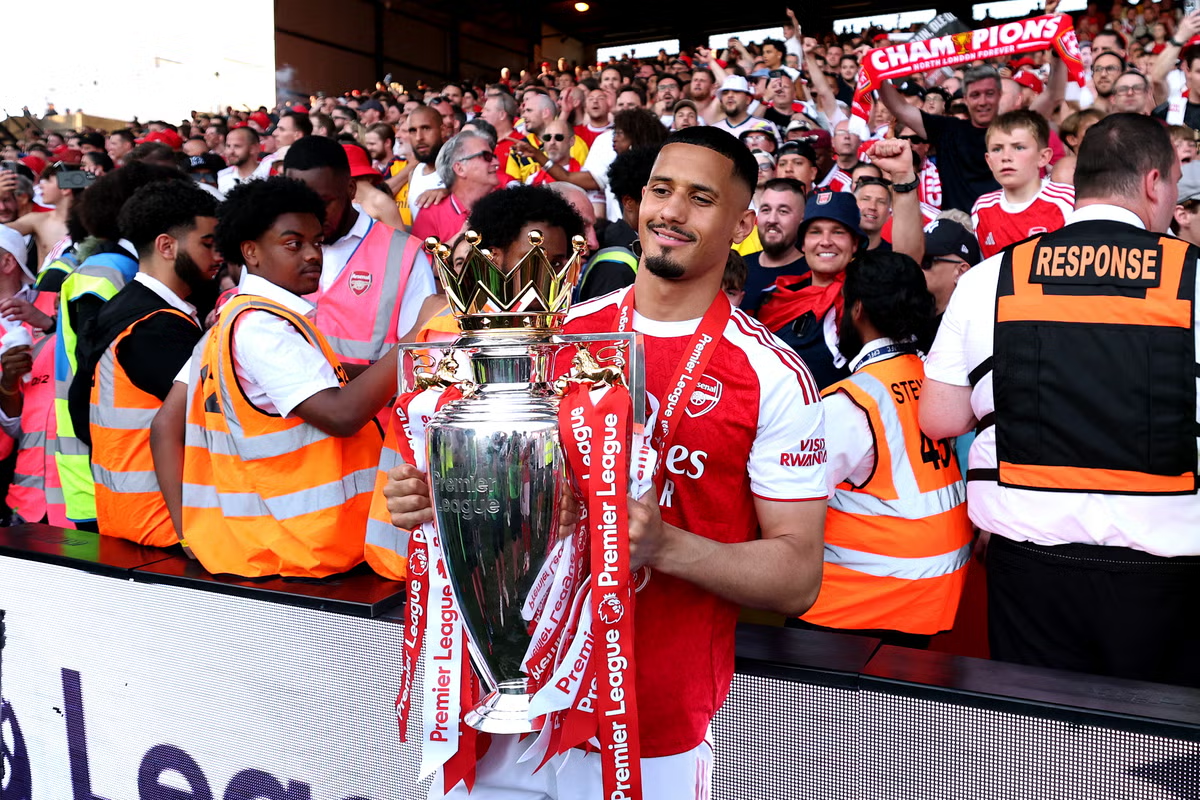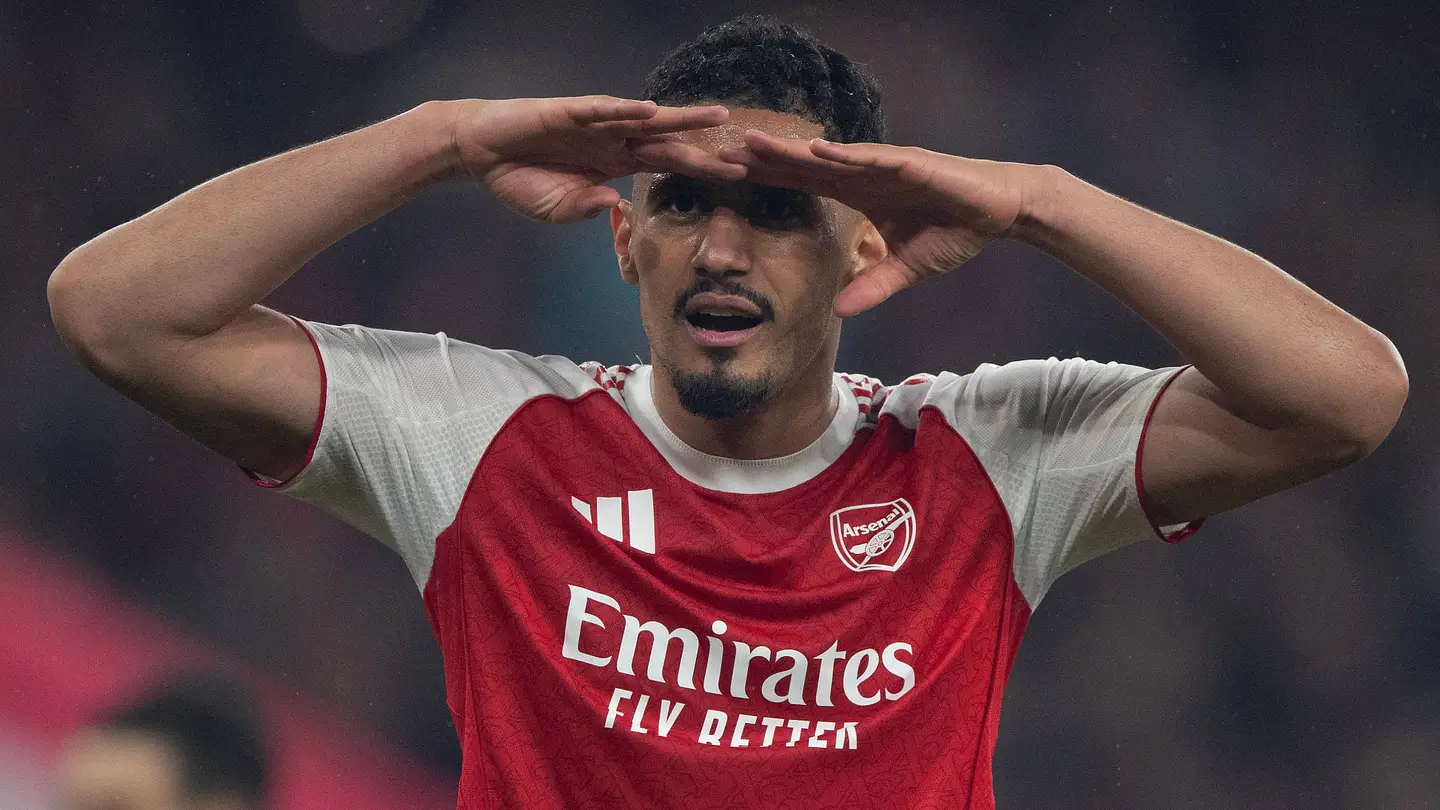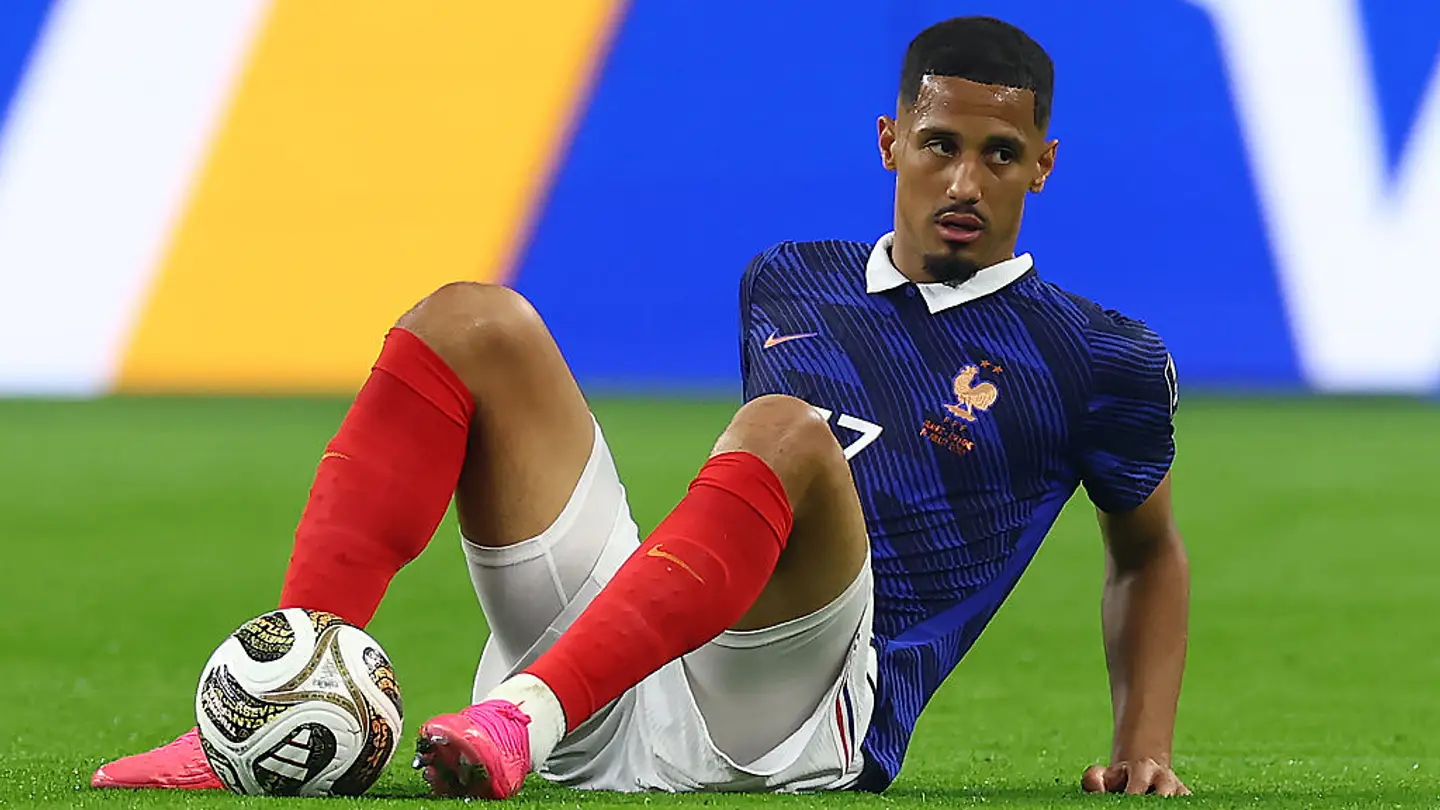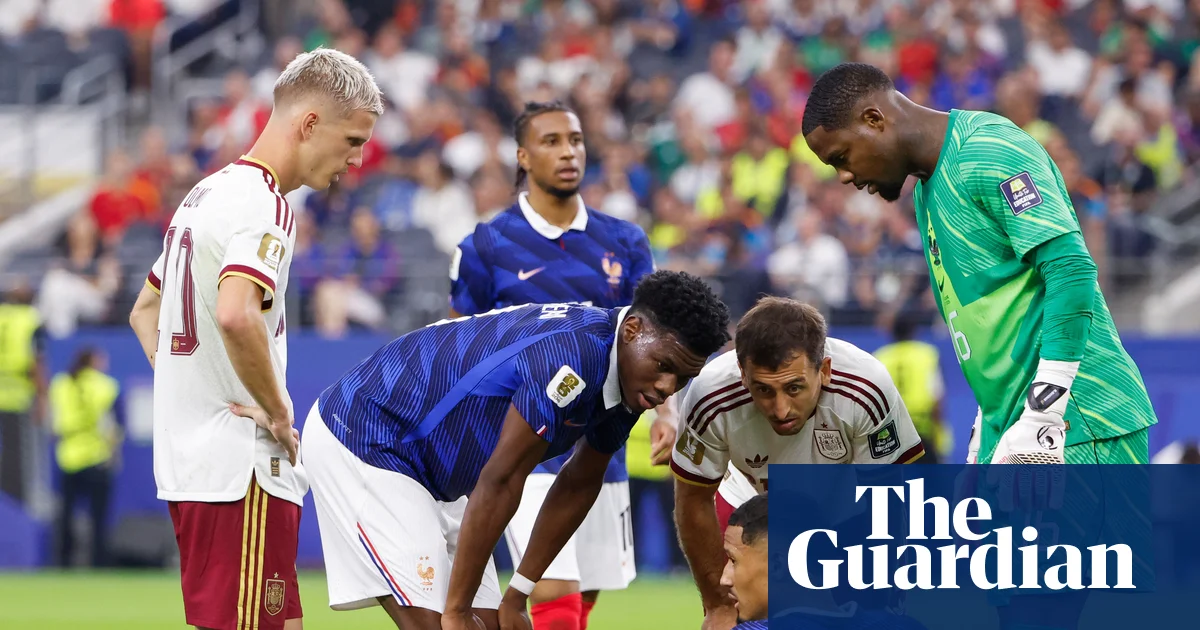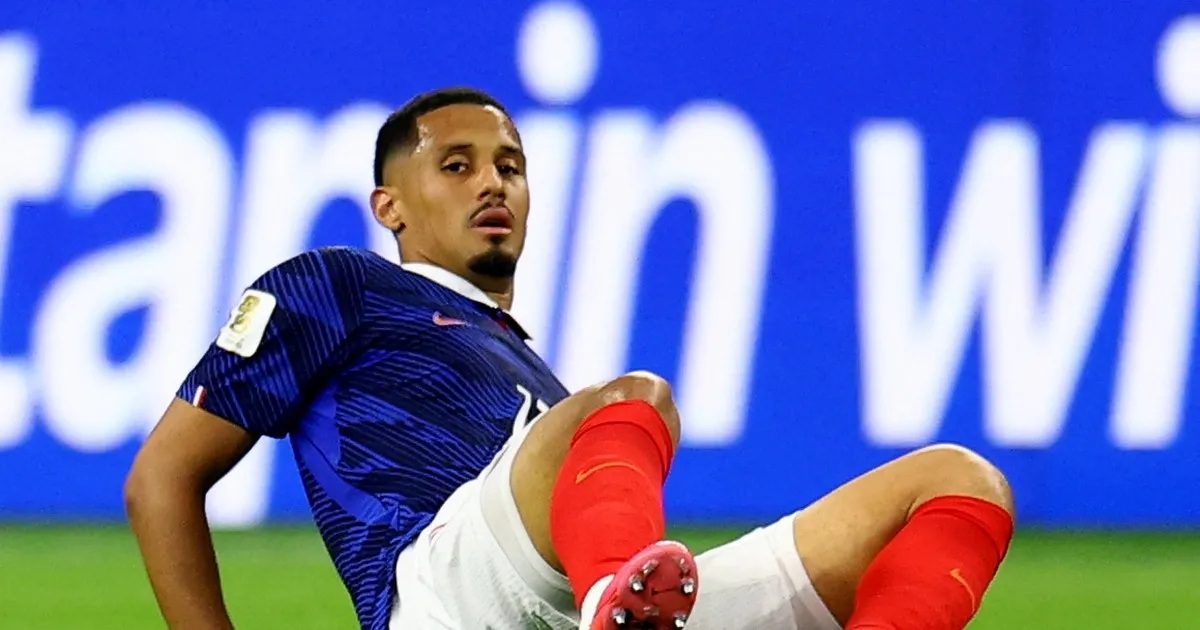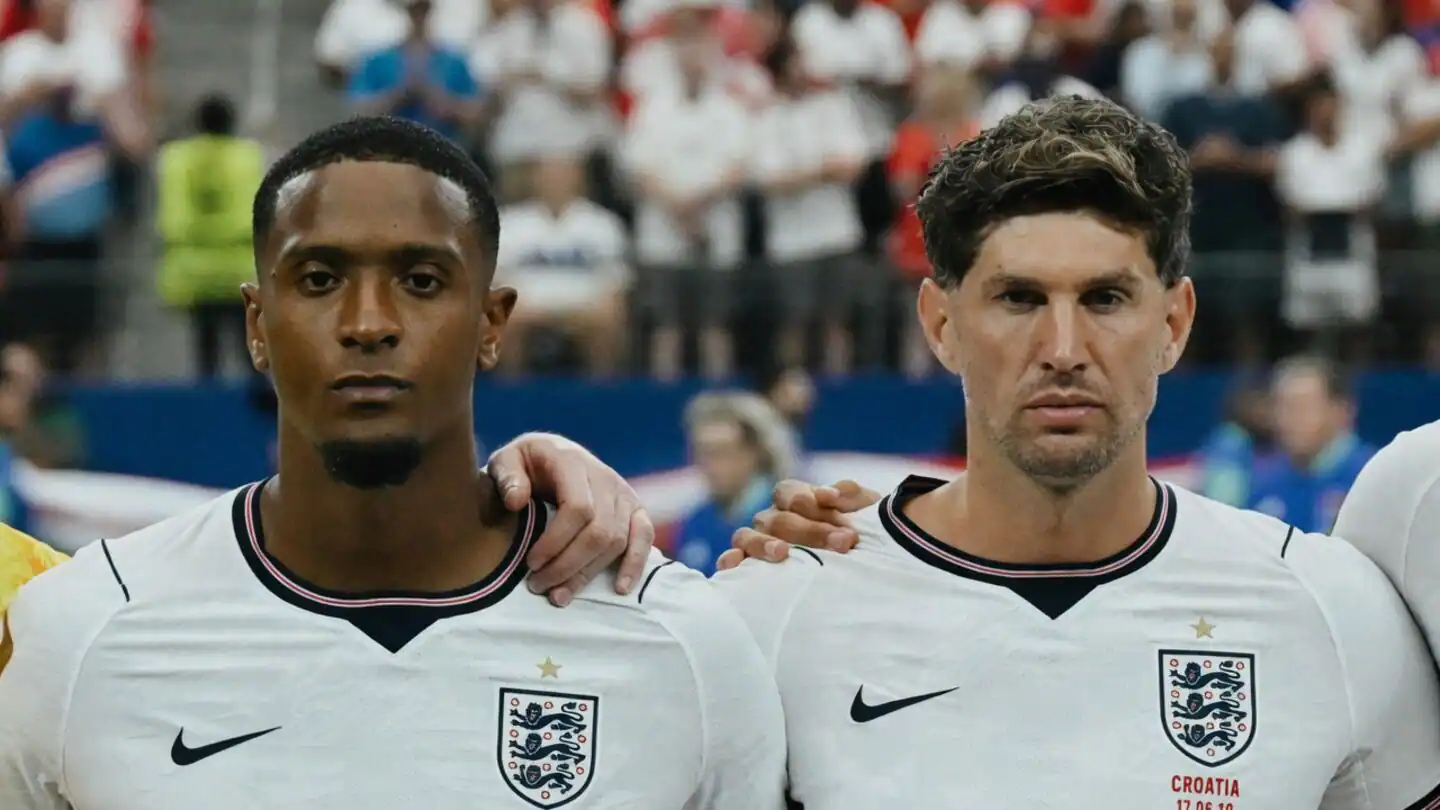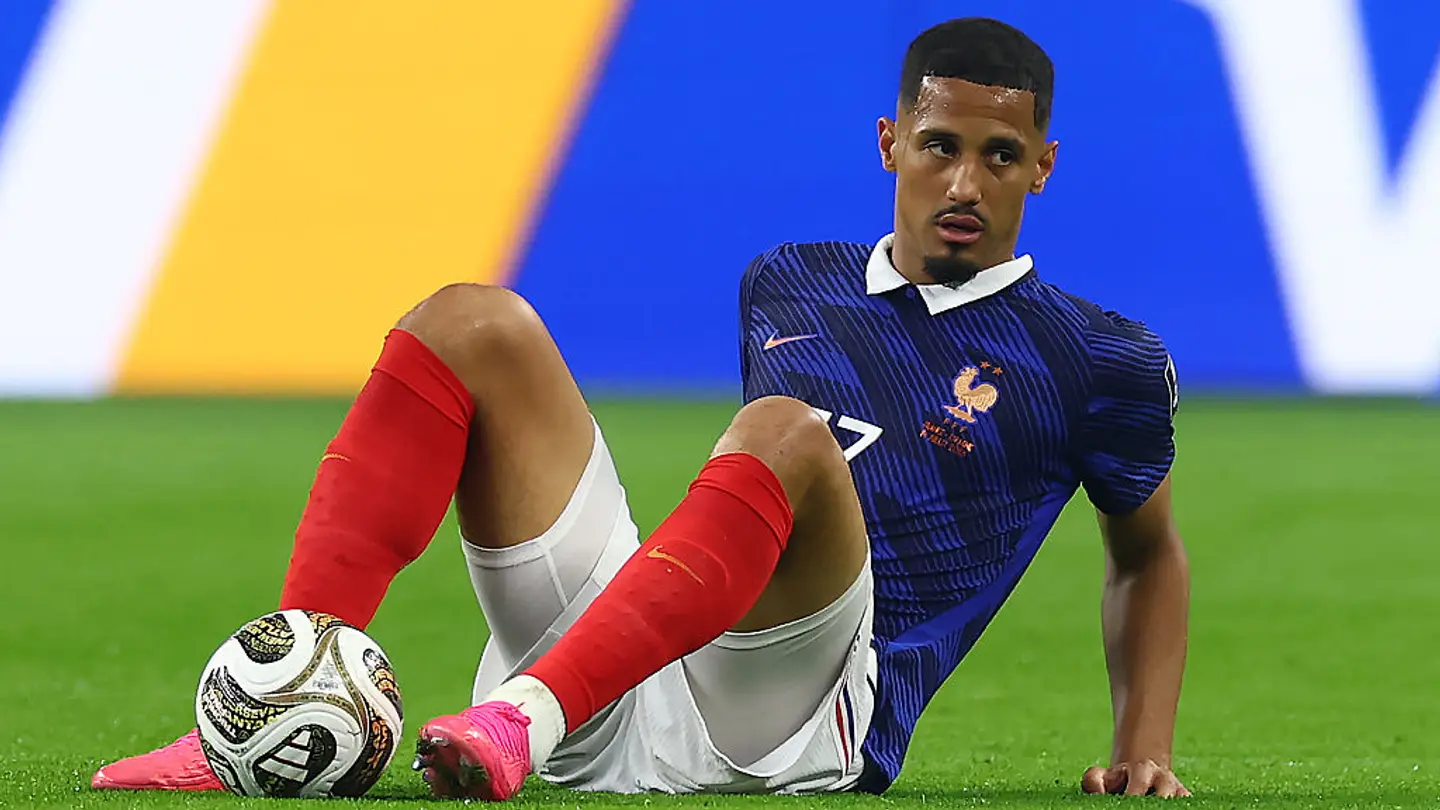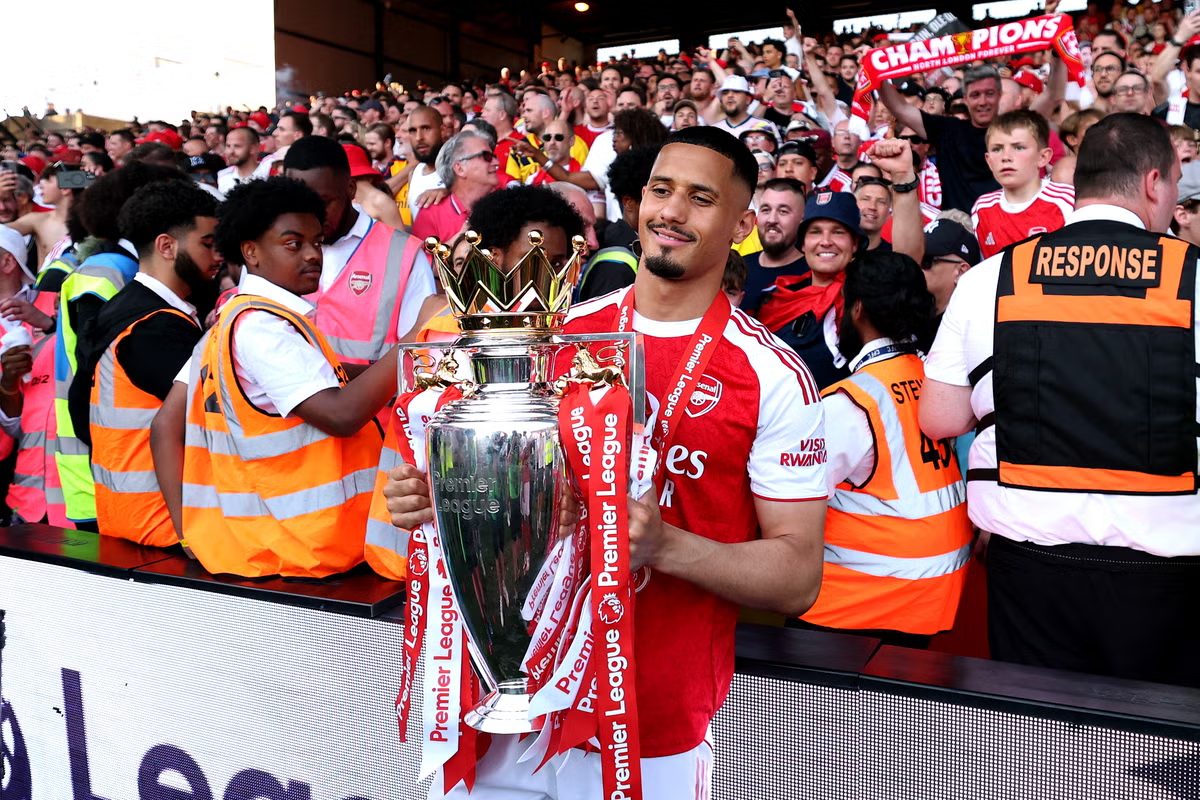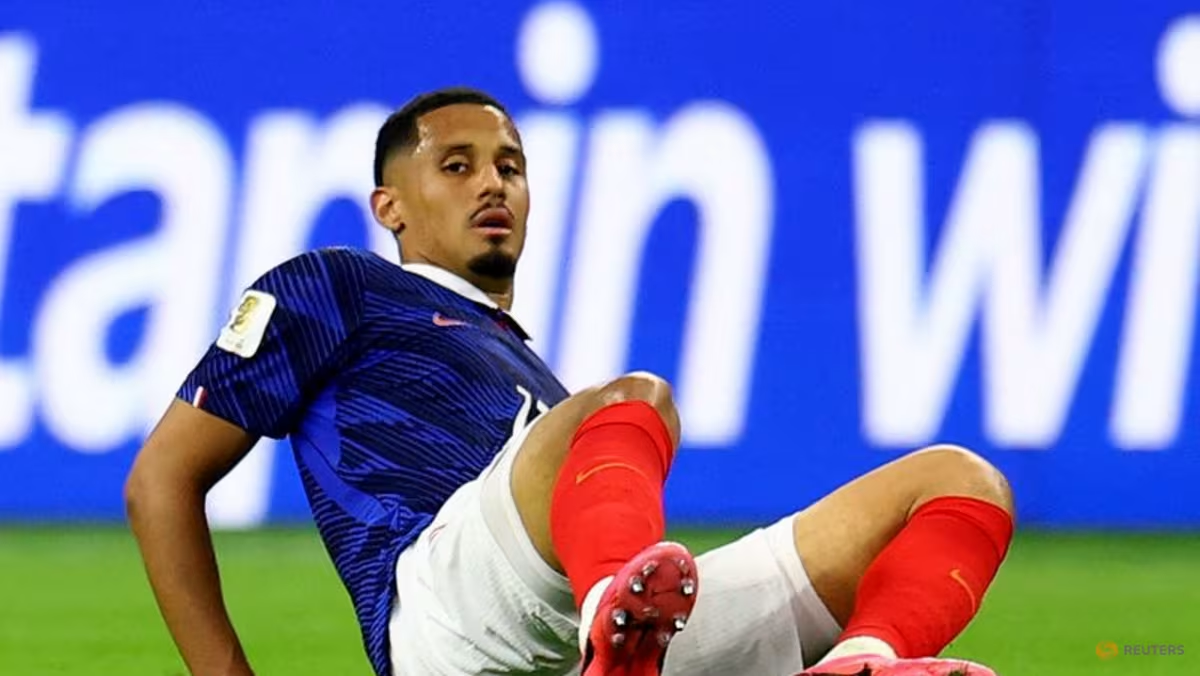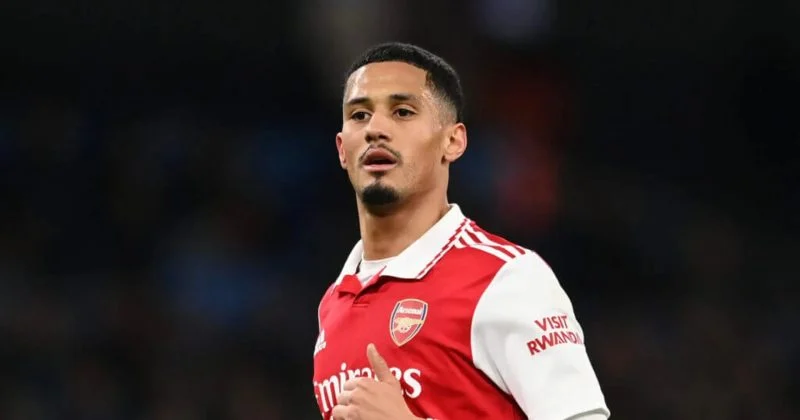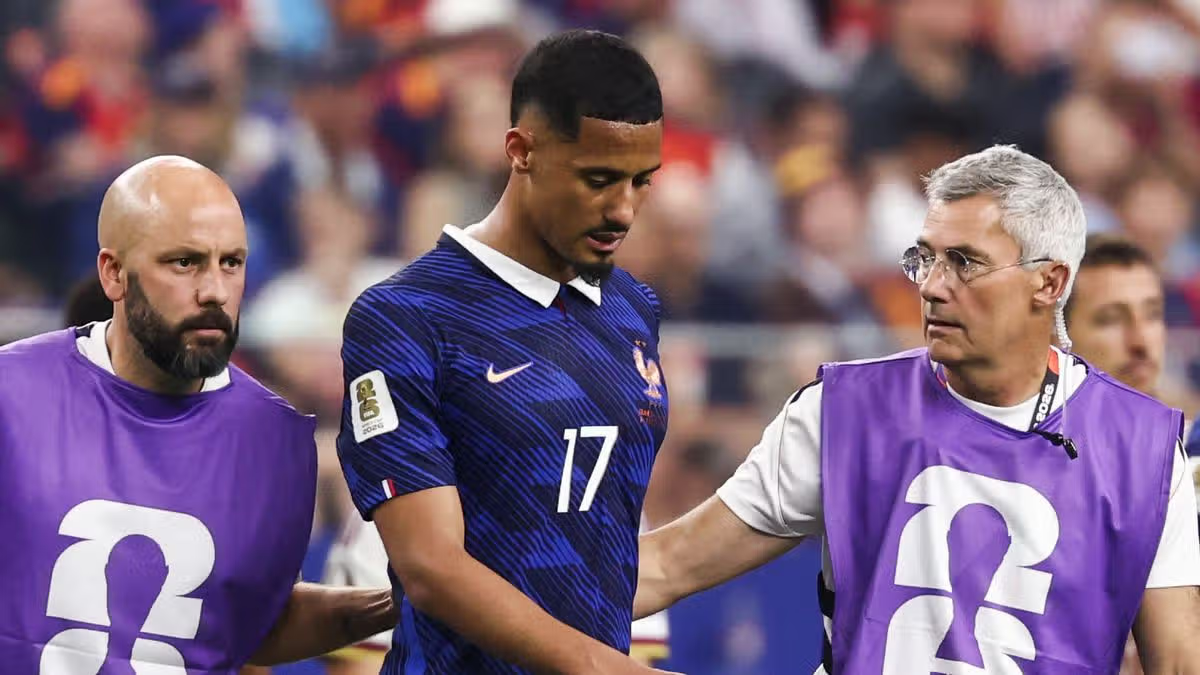
For Arsenal, this summer’s World Cup was a constant balancing act. There was pride in 15 of their players featuring at the tournament, juxtaposed by an undercurrent of nervousness surrounding the fitness of many of them.That anxiety reached an apex in France’s semi-final loss to Spain, when William Saliba, in possession with nobody near him, dropped to the ground, kicked the ball out of play and signalled to the dugout that he needed treatment.On Wednesday, the club confirmed Saliba would not undergo surgery on the injury, but would instead be out for an “extended period”.The Athletic also reported that Arsenal are in the market for a central defender this summer. England defender John Stones, who left Manchester City last month when his contract ended, is among the targets. The 32-year-old worked with Mikel Arteta for three years while the Arsenal manager was assistant to Pep Guardiola at City.Aston Villa’s Ezri Konsa, as reported in the Transfer DealSheet, is also of interest, though there is a significant gap between Arsenal and Villa’s valuations.So what are the options for Arsenal and Arteta as they look to cover for the absent Saliba?Saliba goes off in the World Cup semi-final with a back injury (Franck Fife / AFP via Getty Images)Is Stones or Konsa the best option?In some ways, it would be fitting for the 32-year-old Stones to arrive as a short-term replacement for Saliba, as he has been the Premier League’s prototypical ball-playing centre-back since his breakthrough at Everton in 2013.As recently as the 2024-25 season, Stones’s ability on the ball saw Pep Guardiola use him as an extra man in midfield. That may not be replicated as much if Arsenal do go for him, but not having too far a drop-off in on-the-ball quality would be viewed as a major benefit.However, concerns may arise around Stones’ fitness. He was insistent during the World Cup that he was fit enough to play more than he did for City in the last two seasons (11 starts in 76 league games), but like Kevin De Bruyne before him, injuries played a role in Stones not earning a new deal after 10 years at the club.Furthermore, Stones has not played more than two-thirds of available league minutes in over eight seasons.But the centre-back being available on a free transfer may persuade Arsenal to go for him. As a Champions League winner, he would add more experience than Gabriel Jesus and Oleksandr Zinchenko did when they joined from Manchester City in 2022.While Konsa, 28, can play centre-back and right-back, it might be hard to justify pursuing a player who would not be first choice in either position when all options are fit. He would also cost more than Arsenal are willing to pay.During the World Cup, Dean Smith, who bought Konsa for Brentford and Aston Villa, told BBC 5Live that his biggest strengths are that “he’s really calm on the ball and his 1v1 defending is outstanding”.These will tick two massive boxes for Arteta. Konsa may primarily be viewed as a central defender, but his shifts at right-back for England during the World Cup were nothing new to him. He has filled in there since his days at Charlton, between 2016 and 2018, and continued to do so when needed at Villa. In fact, 17 of his 35 league appearances in the 2023-24 season were at right-back.From a fitness perspective, the highest number of matches Konsa has missed through injury since joining Villa is four during the 2023-24 season, and that was a knee injury. Another knee injury kept him out for two months during the summer of 2022, but overall, Konsa’s availability has been steadily consistent for six years.Konsa has qualities that Arsenal would benefit from, but would a player who is accustomed to playing at least 85 per cent of his team’s minutes in a league season be happy with playing a bit-part role when Saliba is fit?While reacting in the transfer market is natural, Arsenal may prefer to sign a player of long-term interest who may be cheaper and will benefit the team over a period of multiple years. Of the right-backs they like, Tino Livramento’s injury record may be cause for concern, but they have monitored Sporting CP’s Ivan Fresneda for three years, and he can also play centre-back.Or is the answer internal?Cristhian Mosquera quickly emerged as an understudy for Saliba after impressively filling in for the injured Frenchman just four minutes into an away game at then-champions Liverpool in August. Mosquera went on to start 20 games in all competitions, including nine in the Premier League.The now 22-year-old Spaniard was never going to be as consistent as Saliba from game to game, and there were occasional struggles, but possessing similarities in defensive skill sets to both Saliba and his regular starting partner Gabriel helped him deputise well.Mosquera has impressed as centre-back despite his inexperience (Justin Setterfield/Getty Images)A full pre-season could give him the confidence and momentum to fill those shoes more seamlessly.Timber and Ben White can also slide across from right-back if needed. Both reported in for pre-season training on Monday, July 20. Timber missed the World Cup with a groin injury but said he is “Getting there slowly. (I was) rehabbing during the summer, hopefully back soon.”As for White, the medial cruciate ligament injury that ended his 2025-26 season did not require surgery, and on his summer, he said: “I’ve been training every day. Knee’s all good. Started training with the team last week.”With White, 28, having two years left on his contract, it would make this the ideal window to sell, and he was monitored by Everton last season. But Arsenal do hold an option of extending that deal for a further 12 months.The differences between White and Saliba in how they play that position could make Arsenal more unpredictable in possession. Arteta does not like his centre-backs dribbling as much as White did in his debut season, but whenever he plays there, he seems more ready to play passes in behind than Saliba does.Below is an example that resulted in a Bukayo Saka goal after White stepped in for a suspended Saliba against Liverpool in October 2024.For all the talk about how Arsenal cope without Saliba, the most important aspect of this situation is ensuring his rehabilitation is as smooth and effective as possible.Daniel Booth, a high-performance consultant and founder of MyoLab, a health and wellness centre, told The Athletic earlier this month: “Back issues affect everything. A player managing lumbar or nerve-related pain from the back is performing at the highest level with a compromised foundation, and the compensation that creates elsewhere in the body generates their own injury risk over time.”Saliba has suffered with his back before, with an issue in that area ending his 2022-23 season in March. Thankfully for Arsenal, he had no major issues in the following campaign, missing just two France matches in October with a toe injury, or in 2024-25, when a hamstring strain cost him a couple of January club appearances.Last season was the 25-year-old’s most stop-start in terms of fitness. The most common issues were with his ankles, as three separate injuries resulted in seven matches missed for club and country. He sat out another five due to various knocks and illness.Despite those absences, Saliba ended 2025-26 as Arsenal’s third most-used outfield player behind Declan Rice and Martin Zubimendi in terms of minutes played. In the two seasons prior, he was the most-used player at Arsenal.Looking to the coming campaign, and those beyond, Saliba may be one of a few players at the club whose minutes might have to be managed. Instead of relying on him at all times, Arteta and Arsenal will need to find other options — be that in the transfer market or those already at the club.
How Arsenal might cover for William Saliba: Stones, Konsa, Mosquera, or White?
Usually an ever-present for Arsenal, Saliba’s minutes may be managed next season. If so, Arteta will likely need more options at centre-back
1,301 words~6 min read