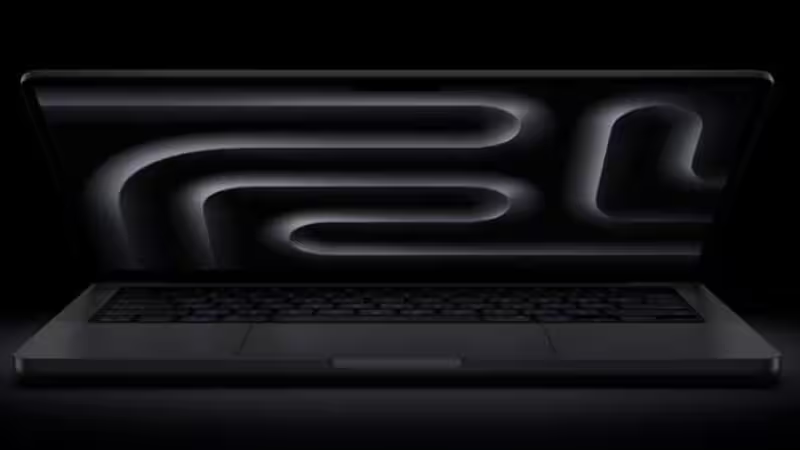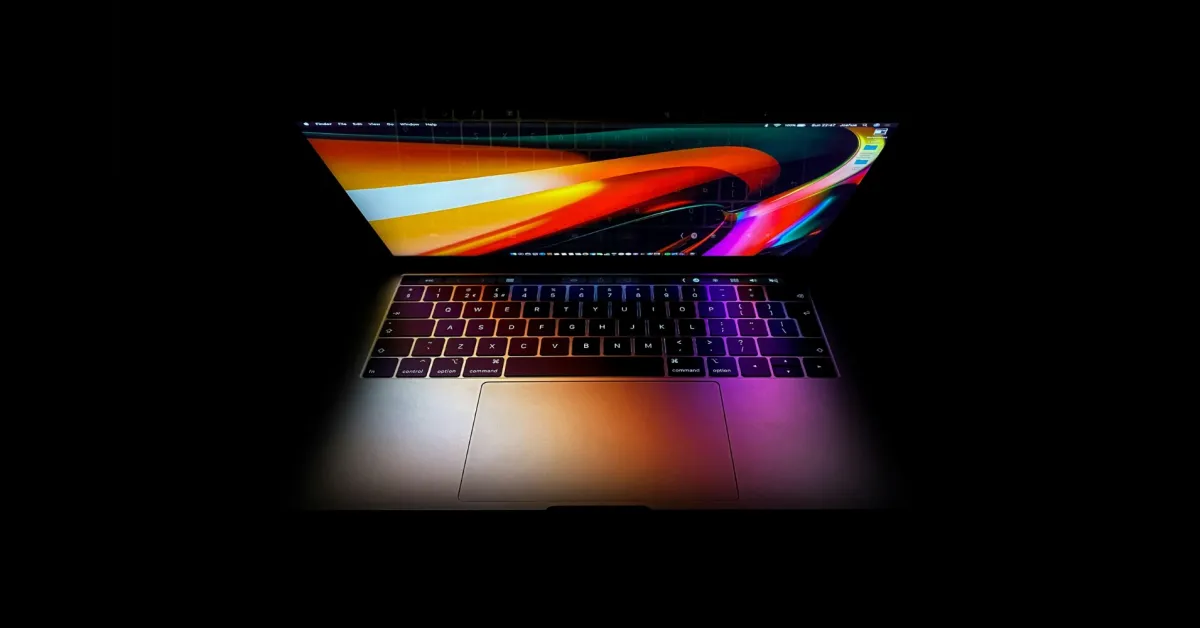
Apple devices were long known for having some of the highest-quality LCD screens in the business, and that remains the case for today’s MacBooks. The company upped the ante first through retina displays and then mini-LED backlighting. This is the reason Apple has been in no great hurry to adopt OLED technology.
It has, however, been making a phased transition to OLED. Apple first introduced the display tech with the Apple Watch, followed up with iPhone and iPad models, and the MacBook Pro is next in line for the upgrade …
Further ahead, the MacBook Air and iMac are also expected to make the switch from IPS LCD to OLED.
Almost every report we carry on this – including yesterday’s one on the Mac roadmap – generates one or more comments concerned about OLED’s reputation for burn-in, so it’s worth looking at what causes this and whether it is still a problem with today’s higher-spec displays.
What is OLED burn-in?