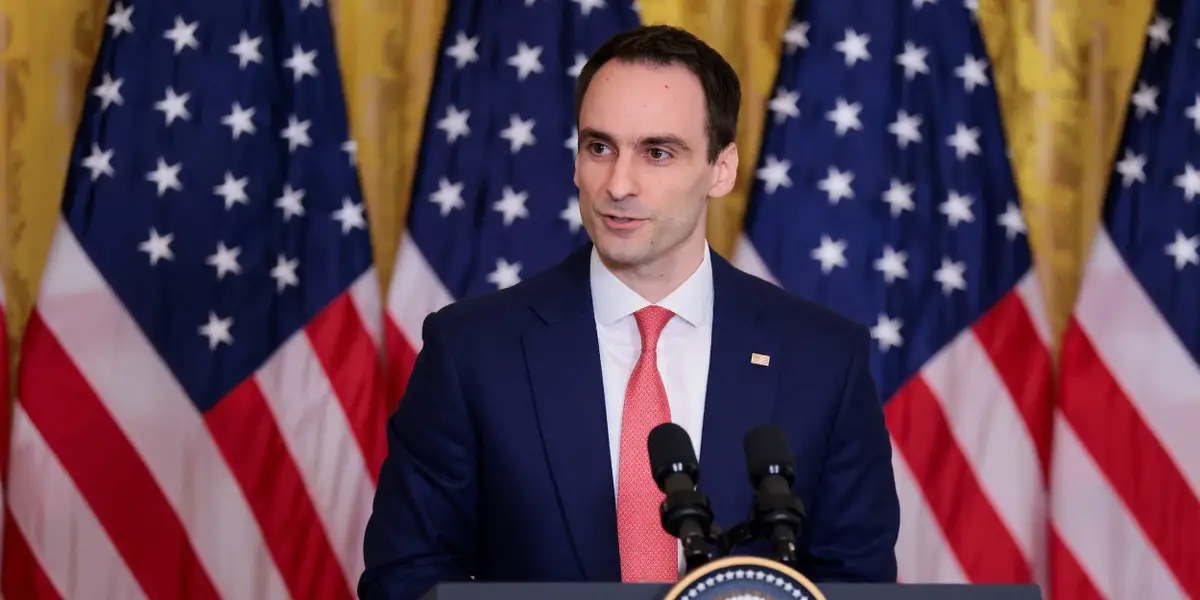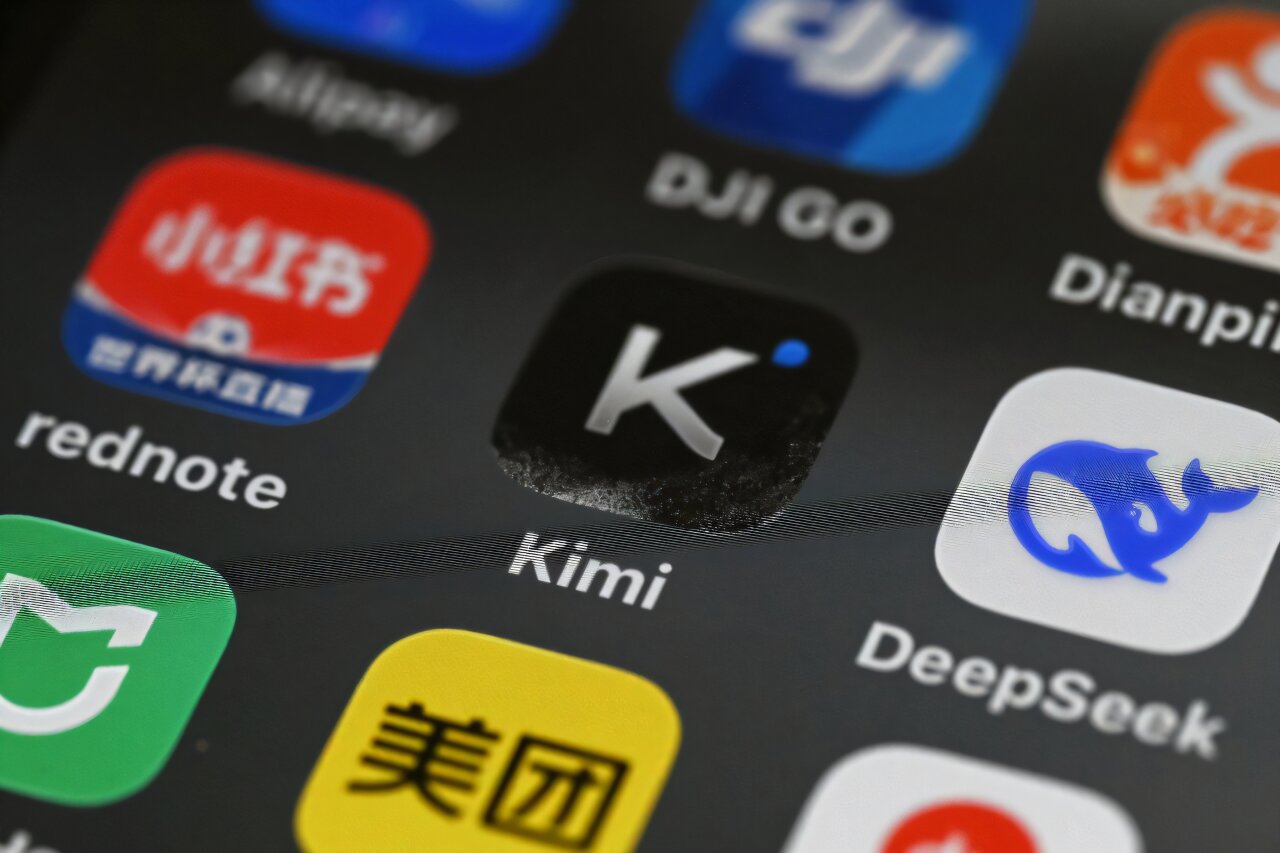
White House science advisor Michael Kratsios said that Moonshot, the Chinese company behind the Kimi K3, the largest available open-weight LLM, built its model by copying Anthropic’s Fable LLM while using chips that aren’t cleared for export to China.
“Large-scale, covert industrial distillation aimed at stealing proprietary U.S. technology and undermining American research is unacceptable,” Kratsios wrote, amid reported discussions about banning Chinese open-weight models that have roiled the AI sector. Moonshot did not respond to questions about its training process, and Kratsios did not share more details about the sources of his allegations.
Kratsios’ tweet echoed comments from Treasury Secretary Scott Bessent that “we are finding watermarks of our U.S. large language models on many of the Chinese models, and that that’s unacceptable.” It’s not clear what those watermarks consist of, and the Treasury Department did not respond to a query.
However, experts are skeptical that distillation—the process of querying an LLM to determine its inner workings and copy its capabilities—is responsible for the advanced capabilities that Kimi K3 displays.
“I don’t think you get a model this strong and this quickly on the heels of Fable doing strictly distillation,” Braden Hancock, a researcher at the Laude Institute and co-founder of Snorkel AI, told TechCrunch. “There’s just not even frankly time, right? Fable’s only been publicly available since July 1st. You can’t distill that much data, train a model, and release it in two weeks.”