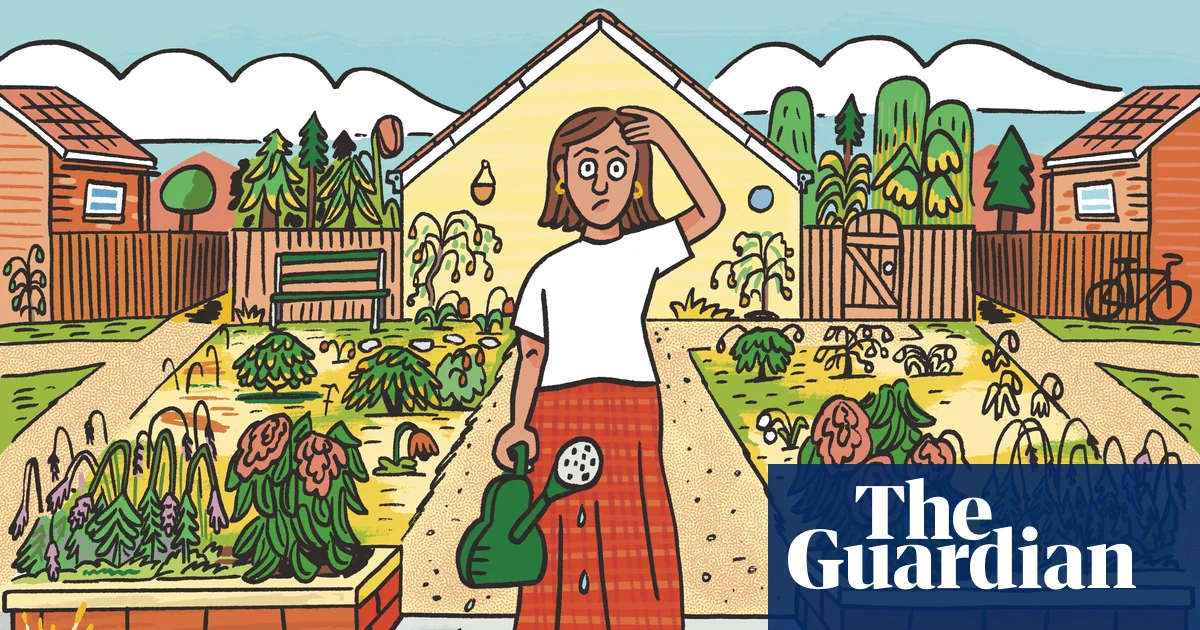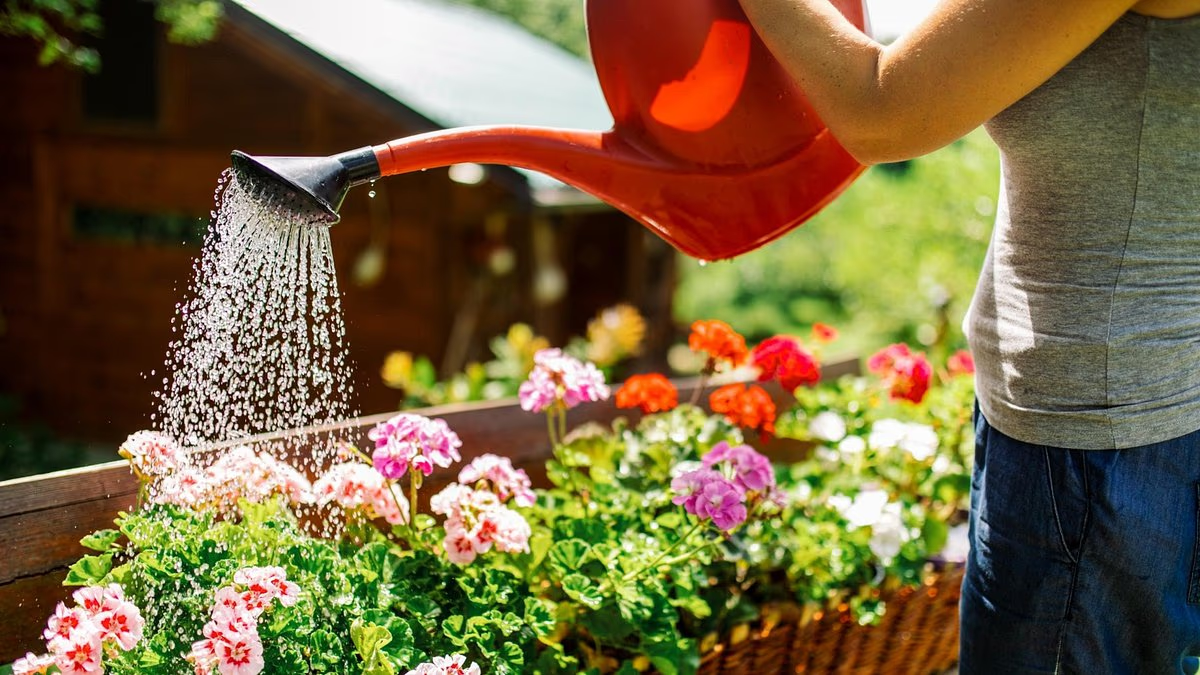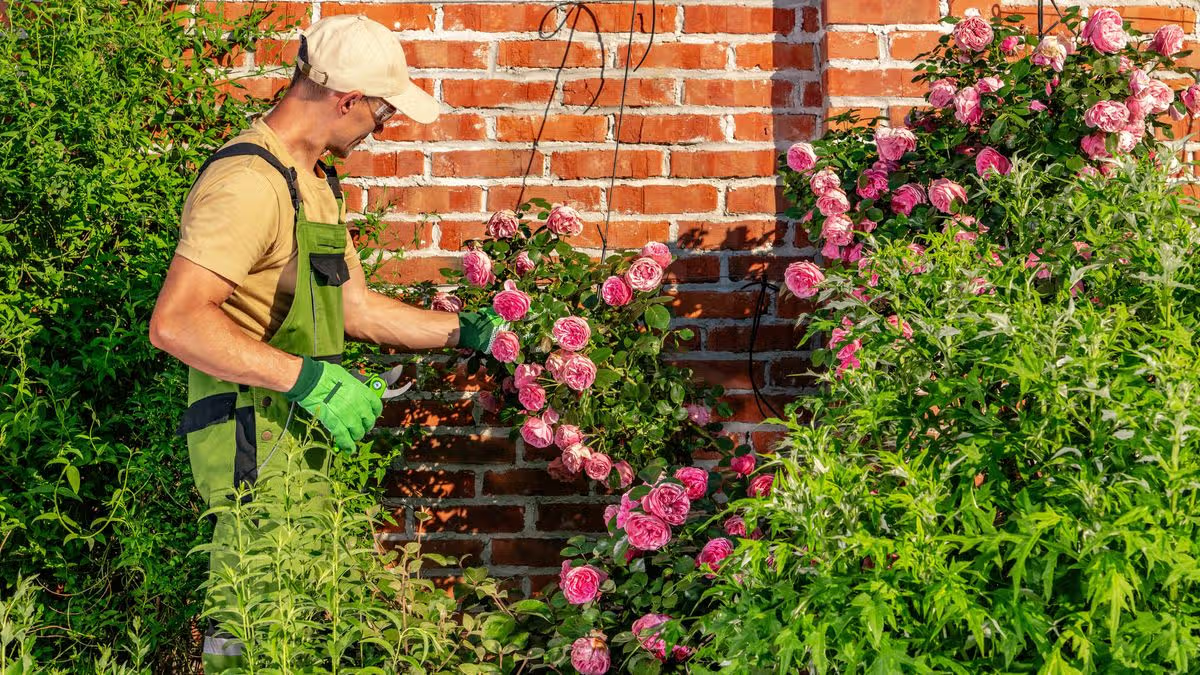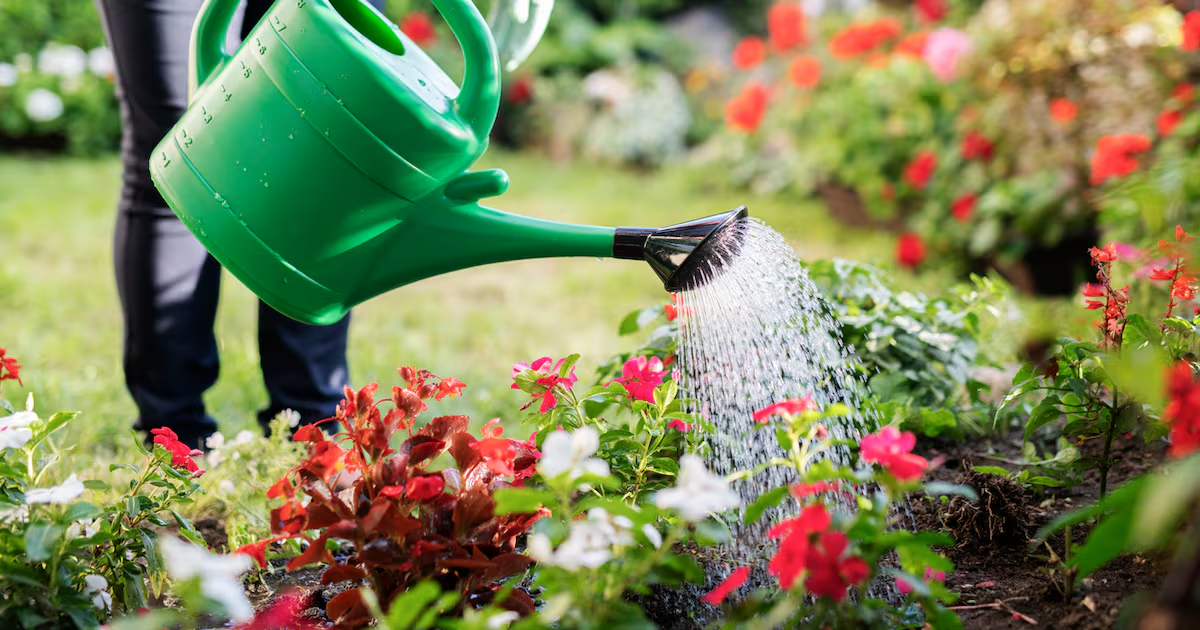
With a hosepipe ban set to come into effect from Friday for the whole of the State, households with outdoor space might be wondering how they should mind their previously well-watered garden plants. Which plants should they prioritise with sparing use of the watering can, and which might be more resilient in this prolonged dry spell? We sought the views of an expert.Where do I need to focus my attention during the hosepipe ban?“Plants most susceptible to drought are annual plants,” says Darach Lupton, curator of the National Botanic Gardens in Glasnevin, Dublin. “Anything shallow-rooted will wilt quickly.” This category includes common staples of Irish gardens such as hydrangeas, rhododendrons and azaleas, which all have shallow root systems. Lupton also urges gardeners to keep an eye out for those plants that are typically happy in the shade, including Japanese maples and fuchsias. “These are plants that are typically more comfortable in the shade, and are not used to prolonged drought,” Lupton says. “The sun may not kill these plants, but it may cause scorching.” [ The Irish Times view on the hosepipe ban: a homegrown water shortageOpens in new window ]Lupton warns of the specific danger the hosepipe ban poses to younger plants. “Anything newly planted – it could be a tree or a shrub – has to be paid close attention. People may lose them if they don’t water them soon," he adds. Herbaceous perennials such as geraniums or daylilies also need to be watched, says Lupton. “Their big leaves in full sun will be susceptible to drying out,” he says. “Many will be fine in the shade;it’s just the direct sun that causes rapid drying.” So are there any outdoor plants that don’t need extra attention? It’s not all bad news. Lupton notes that, in general, plants from warmer regions should manage well enough without much water during the heat. “Plants from warm parts of the world like the Mediterranean, California, North Africa – these plants can tolerate considerable drought periods,” he says.Examples of such plants are lavender and rosemary, which “will probably fare okay”. I have my watering can at the ready for emergencies, but when should I use it? For those armed with a trusty old watering can, Lupton says it’s important to avoid the sweltering midday heat. He advises watering “in the mornings and the evenings”.“By doing this, you avoid the rapid evaporation of water in the high midday temperatures,” Lupton says. Is there anything else to remember during the ban?“If people have access to bark chips or mulch soil, these can help provide moisture to plants,” Lupton adds. A layer of wood chips or mulch soil around the base of the plant “can help shade the roots, and prevent them from drying out”. “Lots of people will also have boxed plants in their gardens,” says Lupton, noting that these should be fine if moved to a more shady area.And what about my lawn?“Lots of people get anxious about lawns in the heat,” says Lupton, explaining that they can dry up quickly during a drought.Yet, he has some comforting words for those who might be worried about their garden’s pride and joy: “Lawns respond quickly and can return to being green in just a week.” Accordingly, Lupton jokes that Irish gardeners ought “not be too anxious about their precious lawns”.
Hosepipe ban: how can you mind your garden plants without wasting water?
Don’t be too anxious about your precious lawn – but keep an eye on the hydrangeas
555 words~3 min read