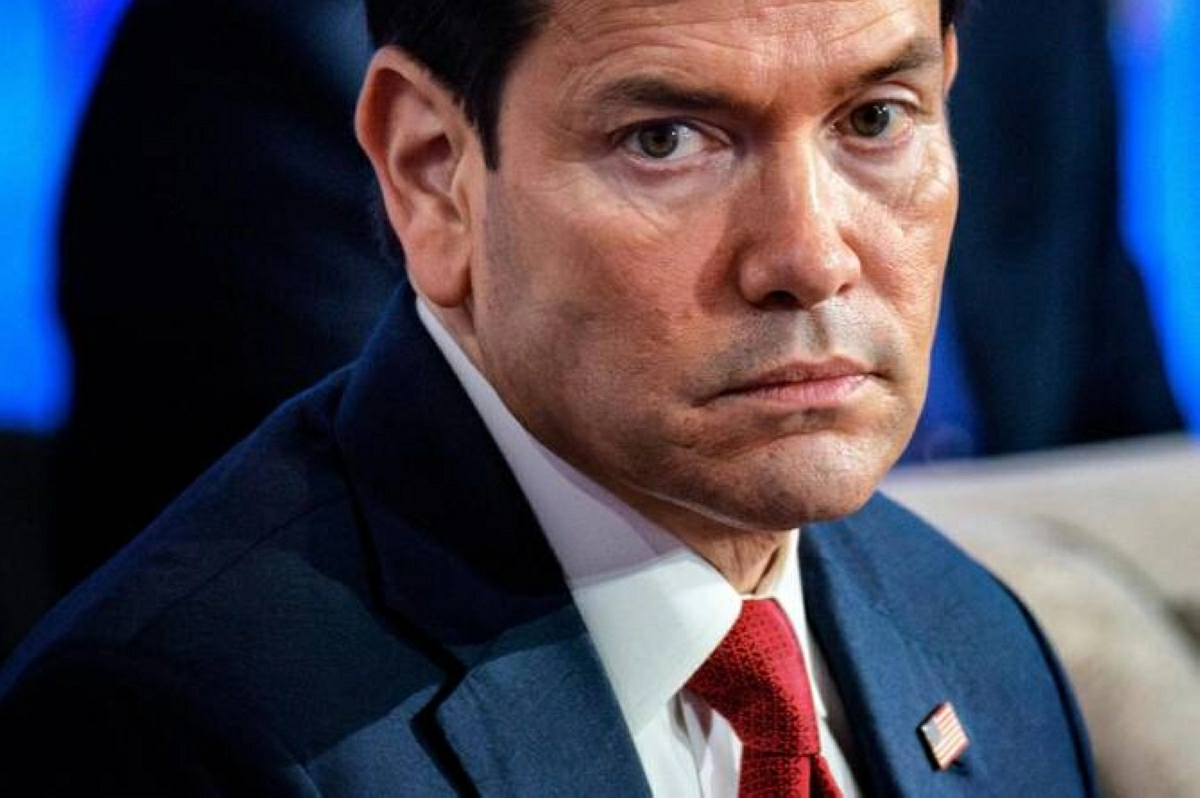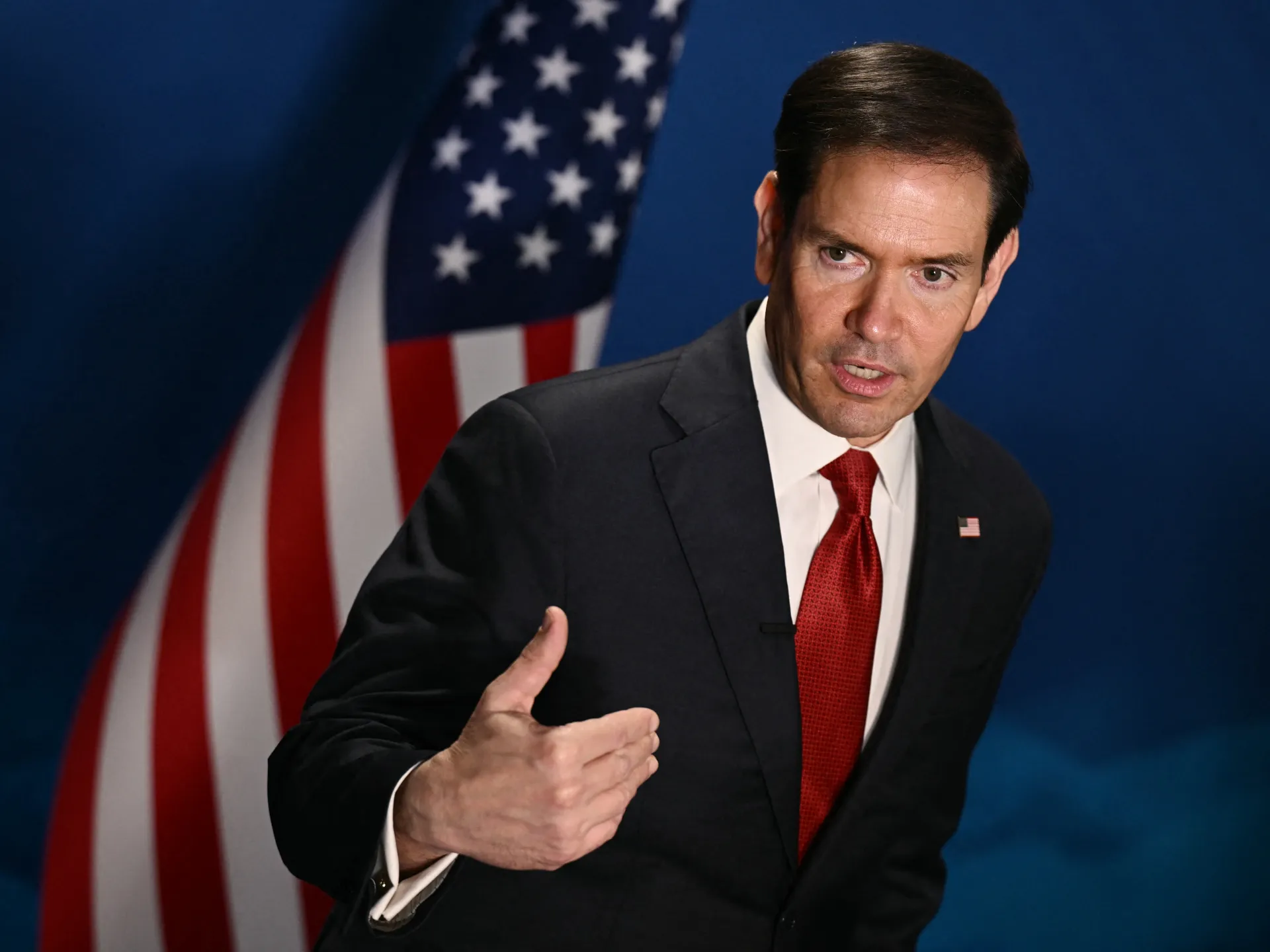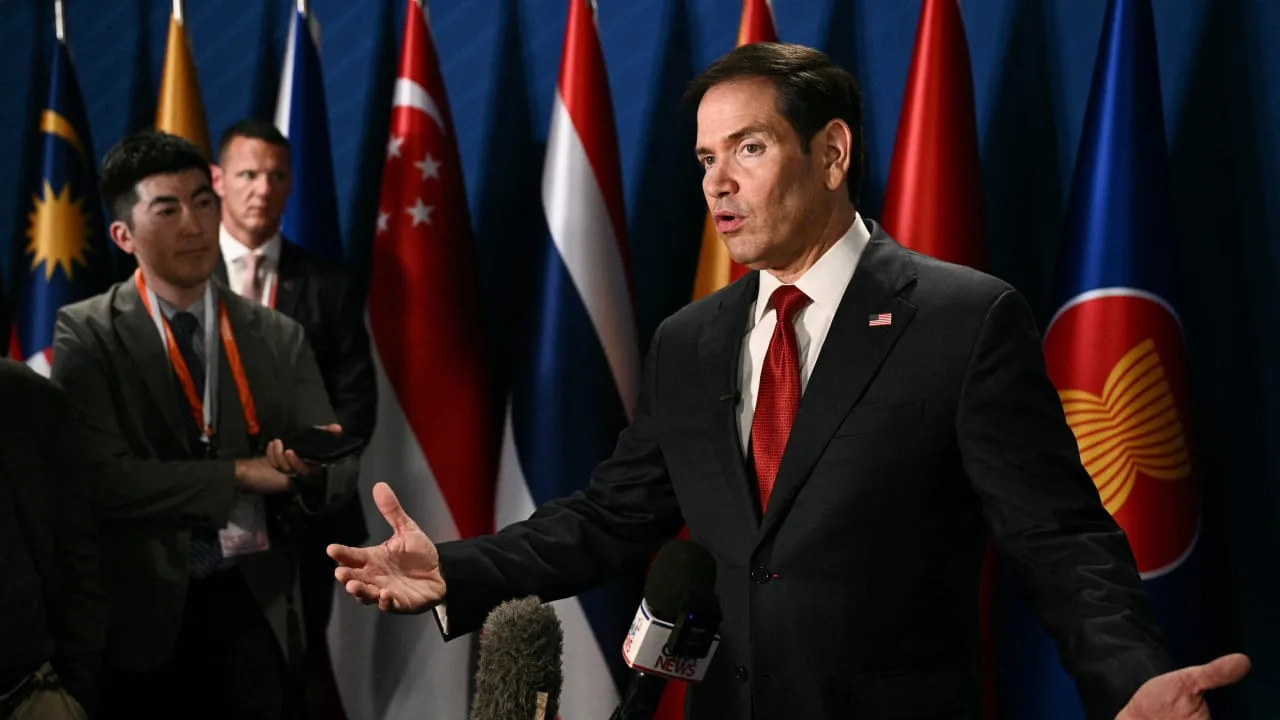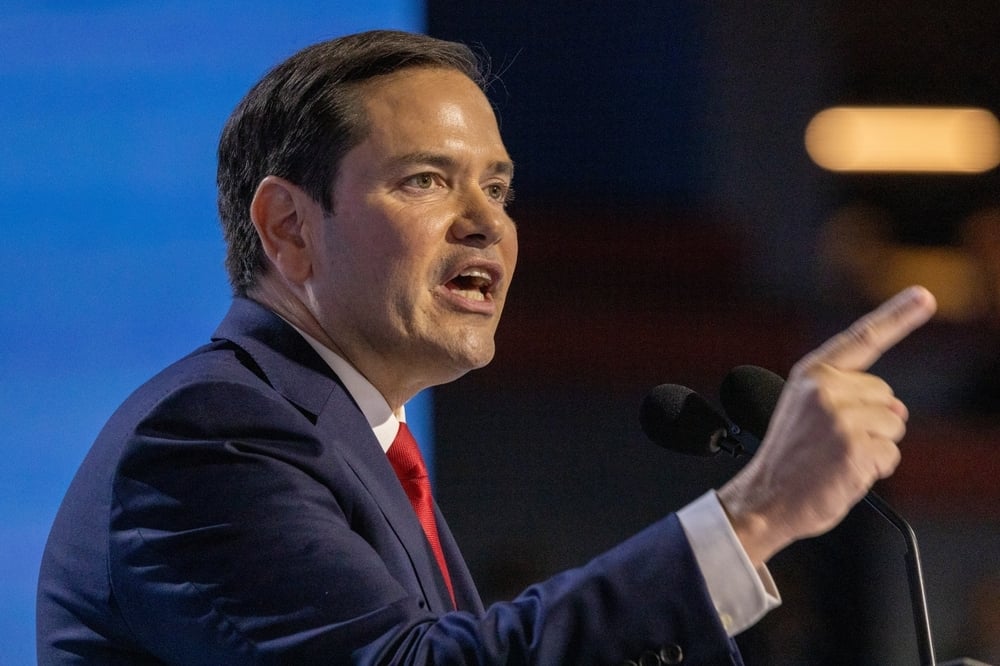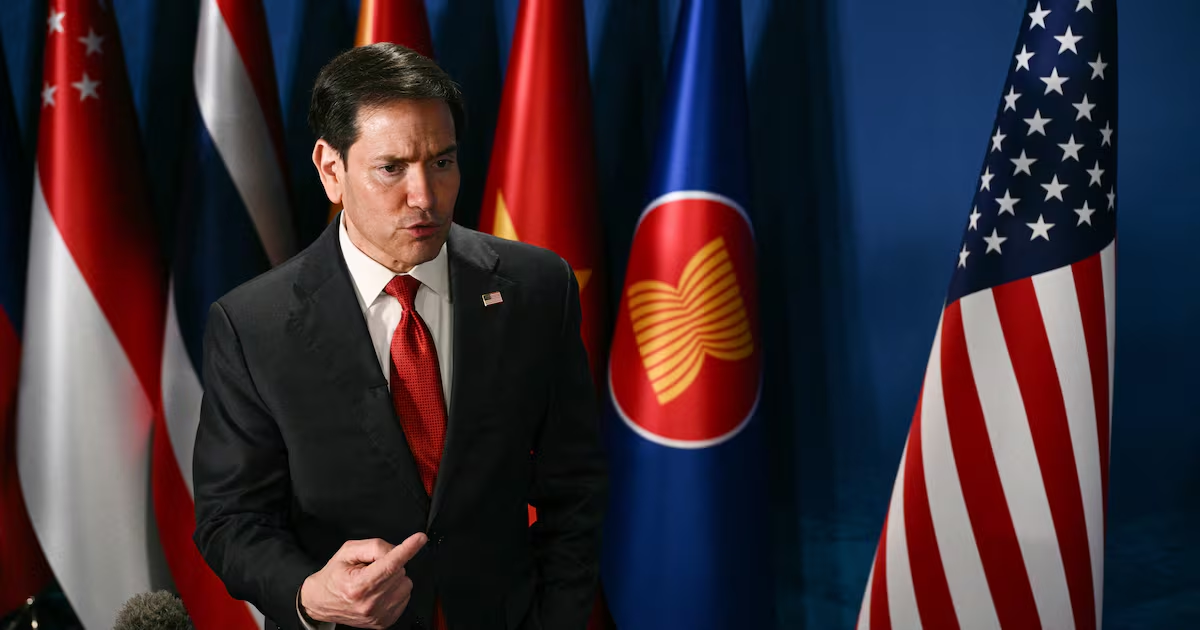
US Secretary of State Marco Rubio on Thursday claimed Iran has repeatedly indicated interest in discussions with Washington but remains unprepared to reach a credible agreement. “They're paying a price every single night,” he said, after a 12th consecutive night of the US bombing Iran.Speaking to reporters in Manila, Mr Rubio said he regularly receives messages from foreign counterparts suggesting Iranian officials are seeking contact with the US. “Every day I get a text or a call or a Signal message from a foreign minister: ‘the Iranians want to talk,’” Mr Rubio said.However, he expressed scepticism about Tehran's reliability as a negotiating partner, arguing that Iranian officials have a history of revisiting agreements after they have been reached, or failing to abide by commitments.“The problem with these guys is they make a deal, they agree to something, and then they decide, ‘Let's change it after they made it,’” Mr Rubio said. “Or they decide, ‘I know we made a deal but we're going to violate it.’“I mean, these people, unfortunately, just aren't ready for a deal. I think they'll be ready soon, though. You can't make a deal with people unless they're going to keep it. "They violated the MoU [memorandum of understanding] within days of it being implemented,” he added. “We kept our end of it. So now they're paying the price for it.“And maybe they'll change their mind here over the next few days as they continue to suffer great losses. They're going to pay a price. They're already paying a price every single night.”Mr Rubio said the Iranian government was under mounting pressure and suggested internal divisions may be complicating decision-making in Tehran.Despite public displays of defiance by Iranian leaders, he said the country was “suffering tremendously” and would continue to face consequences unless it changed course.Asked whether the US was preparing for significant escalation in the coming days, Mr Rubio declined to provide specifics, saying such decisions rested with President Donald Trump.Mr Rubio's remarks came as Iran and the US continued to exchange attacks.Iran's Islamic Revolutionary Guard Corps (IRGC) claimed on Thursday it had attacked US military facilities in Kuwait and Jordan, saying the strikes targeted American assets used in operations against Iran.The IRGC said it struck Ali Al Salem Airbase in Kuwait, claiming to have destroyed a military equipment warehouse, a Patriot air defence system and a hangar housing MQ-9 drones.In a separate statement, the IRGC said it had destroyed a THAAD missile defence radar, a Patriot system and a C-RAM radar at a US military base in Jordan.It also claimed to have set fire to fuel tanks, a helicopter equipment warehouse and a helicopter maintenance site.US Central Command said it completed its 12th consecutive night of strikes on Iran on Thursday. Centcom said it struck “military targets including maritime capabilities, missile and drone storage facilities, coastal surveillance sites and air defence assets” to further degrade Iran's ability to attack ships. The US last week reimposed a maritime blockade on Iran. Centcom said, as of Wednesday, it had “redirected nine commercial vessels and disabled one to prevent ships from entering or departing Iranian ports”.It added: “More than 50,000 US service members are operating across the Middle East and remain highly vigilant, focused, lethal and ready.”Jordan's armed forces said on Thursday its air force intercepted four missiles and six Iranian drones targeting the kingdom over the previous 24 hours.A military source at the General Command said air defence units shot down three missiles on Thursday morning, while a fourth landed in a remote, uninhabited area. The source added six drones were intercepted and destroyed overnight. “The operation resulted in no casualties or material damage,” they said.Kuwait's military also said its air defences intercepted hostile drones following what it described as “Iranian aggression”.Brig Gen Amir Mohammad Akraminia, a spokesman for Iran’s army, warned the country’s security forces will “implement new strategies and scenarios to make the war impossible for the aggressors to continue” should US attacks on Iran’s southern infrastructure persist.
Rubio says Iran 'paying the price' but not ready for deal | The National
US Secretary of State claims internal divisions may complicate decision-making in Tehran
664 words~3 min read