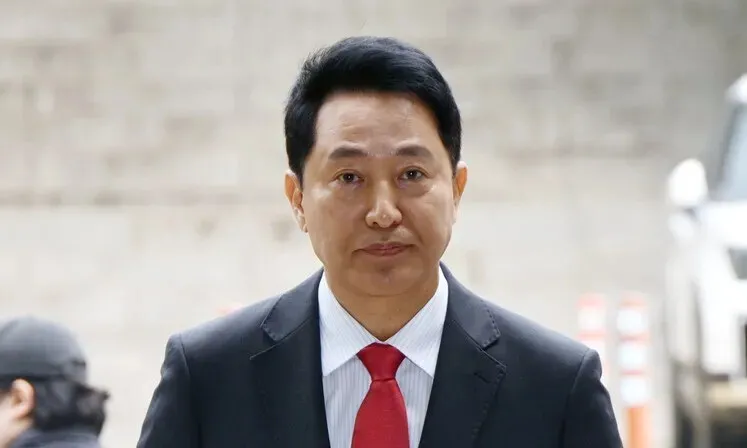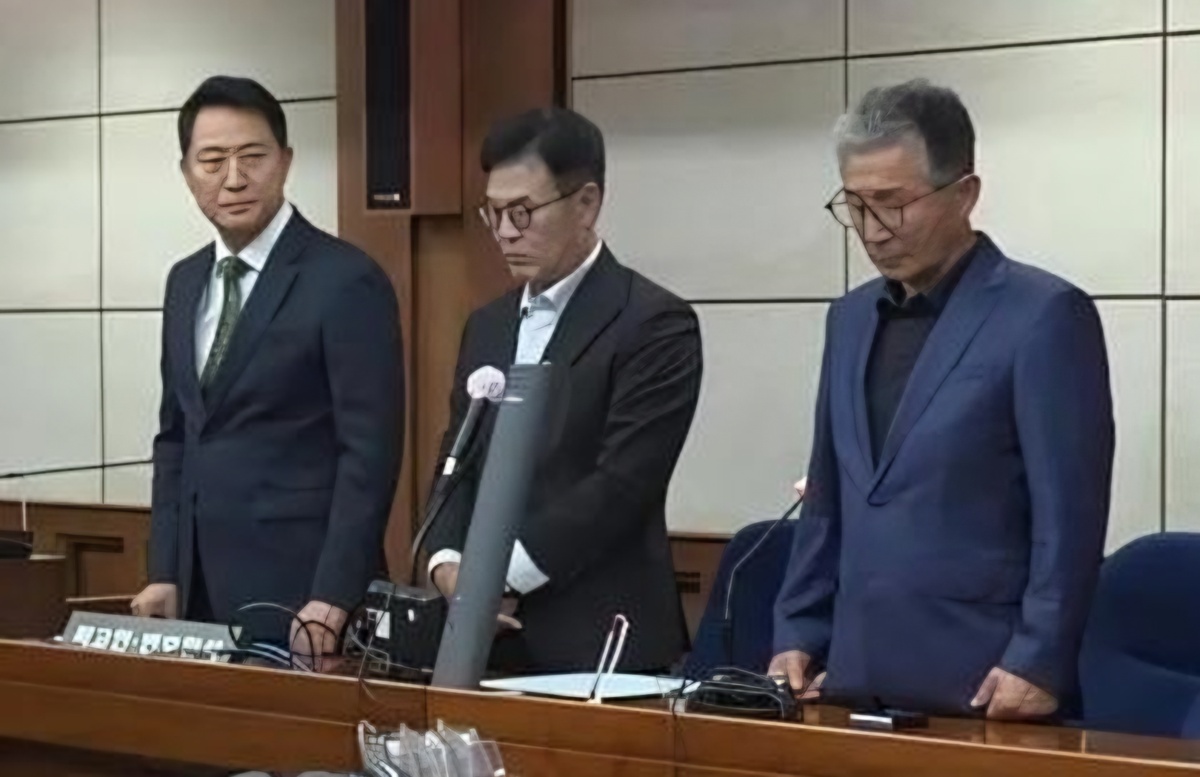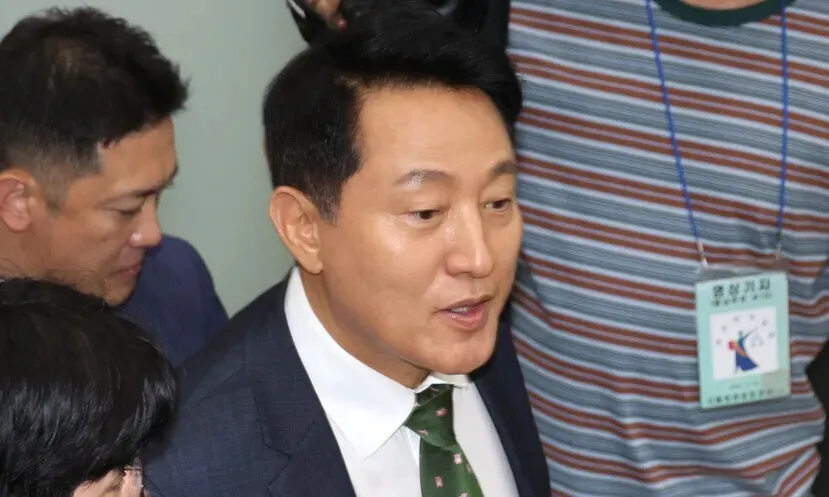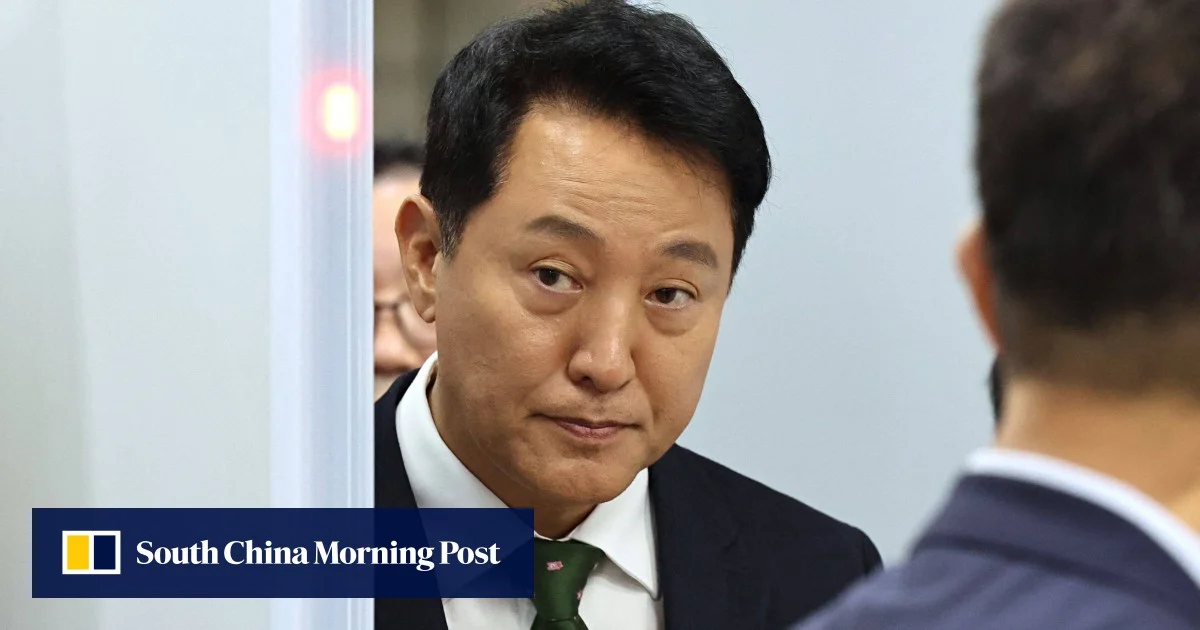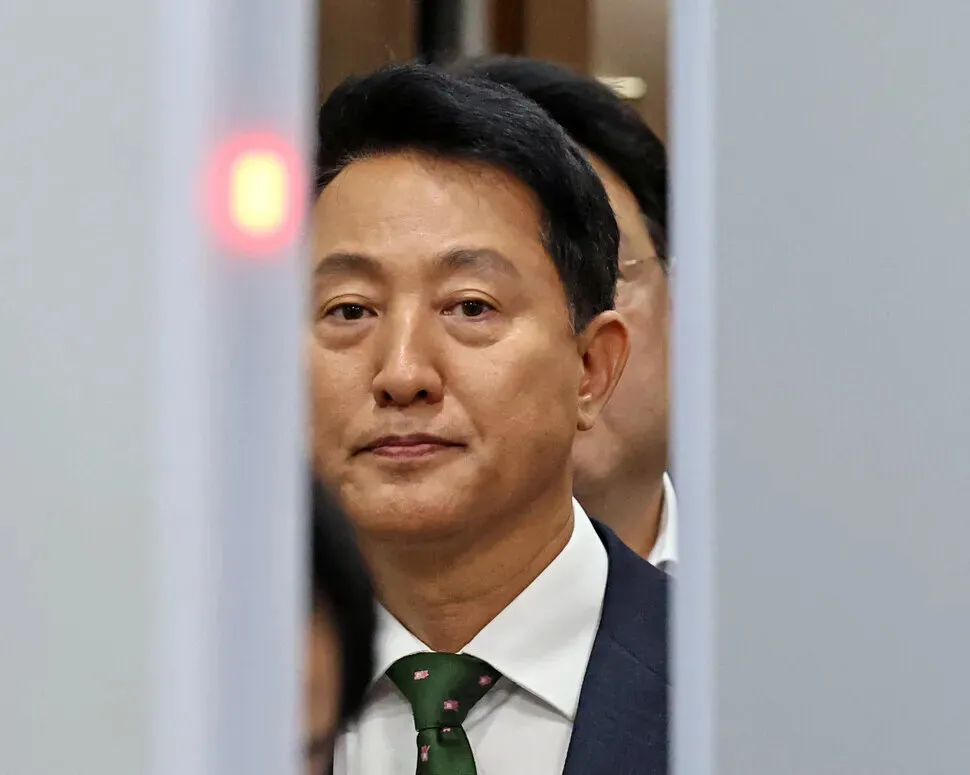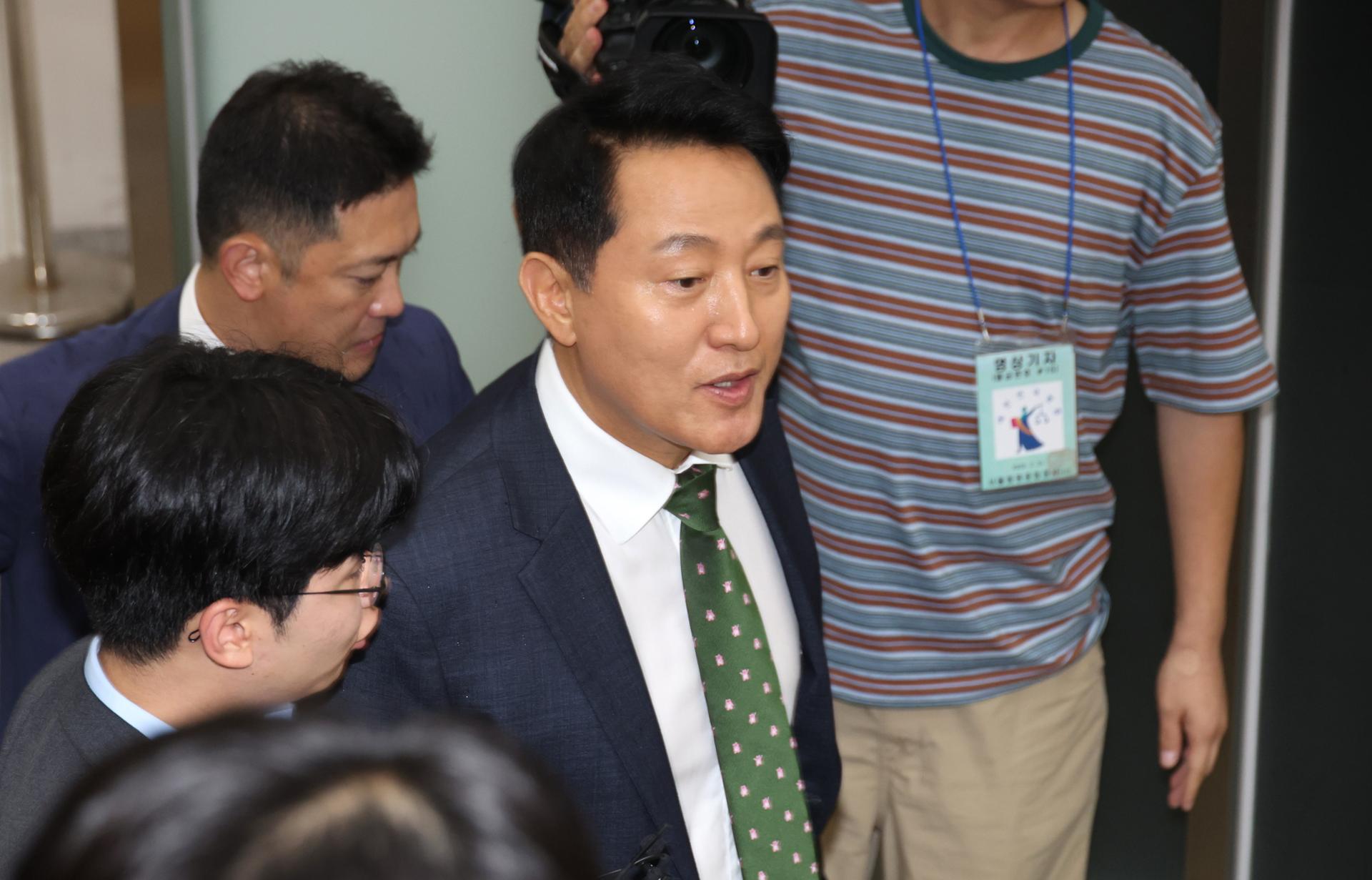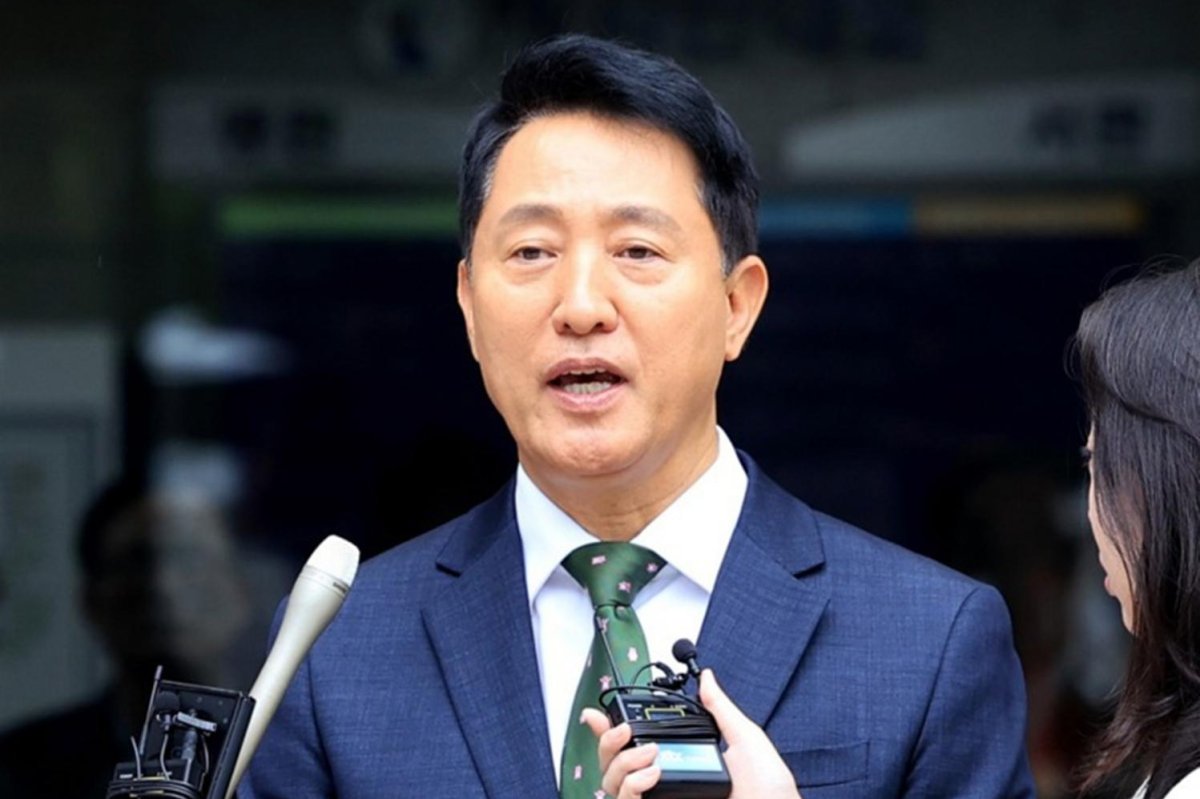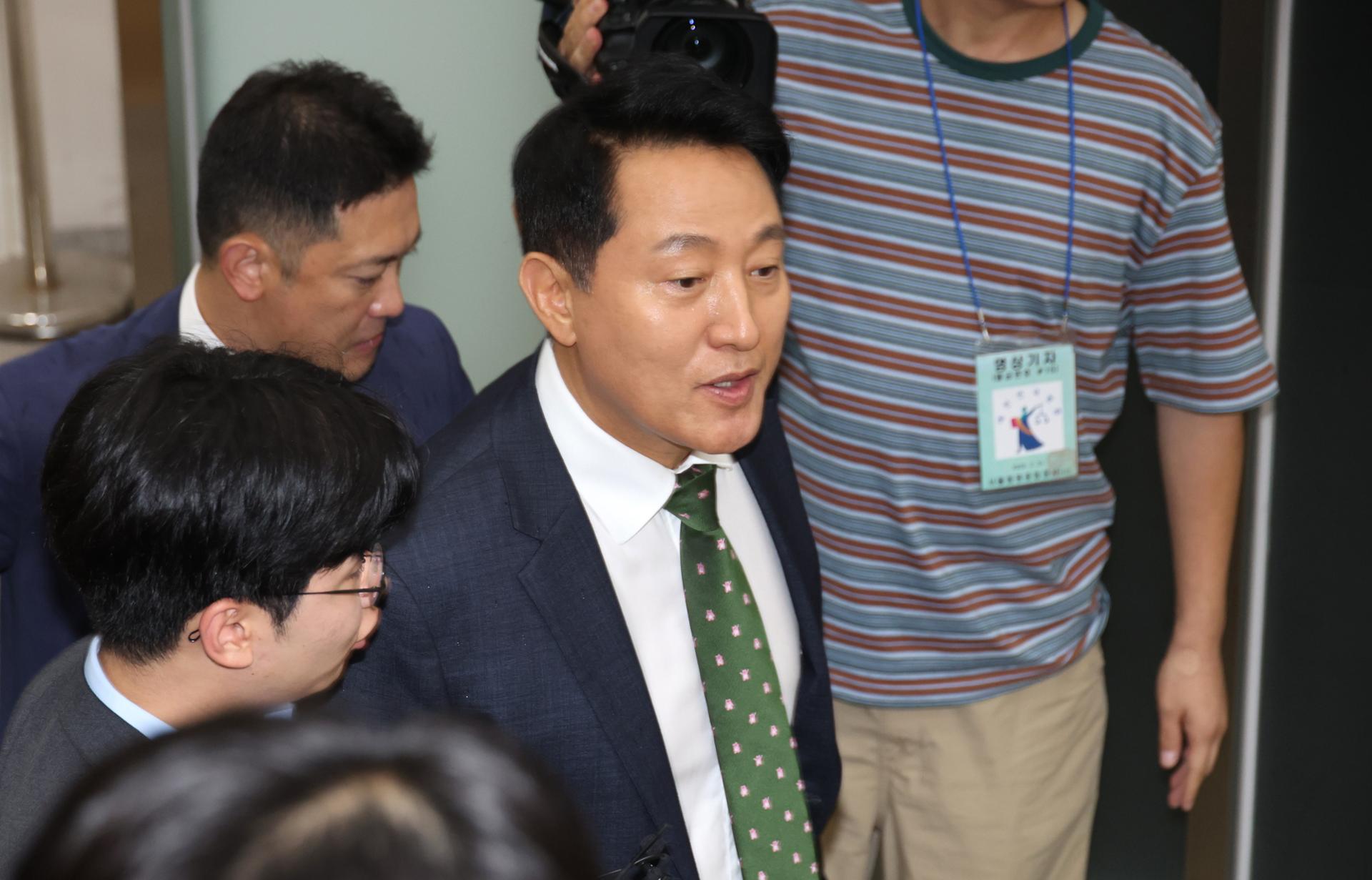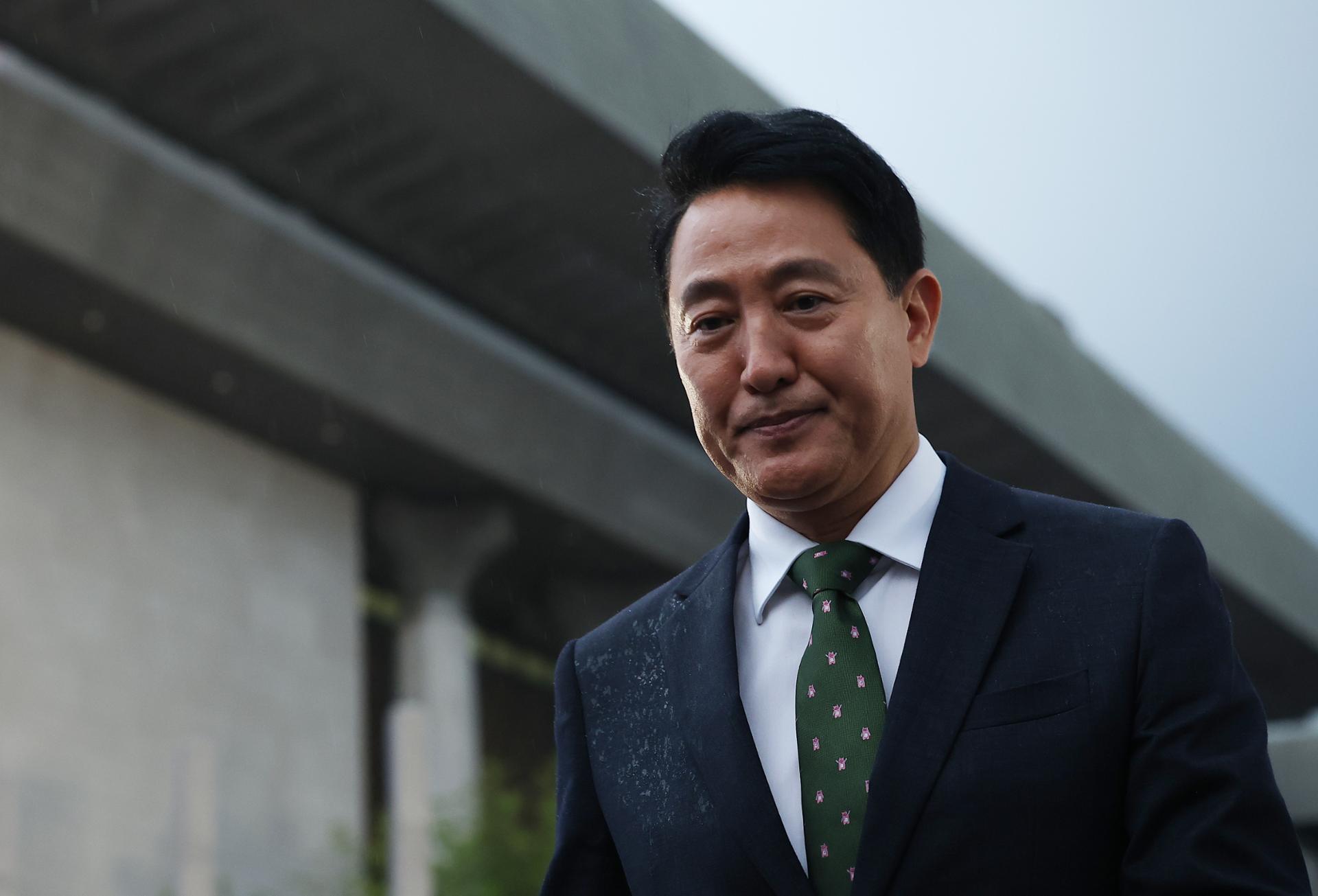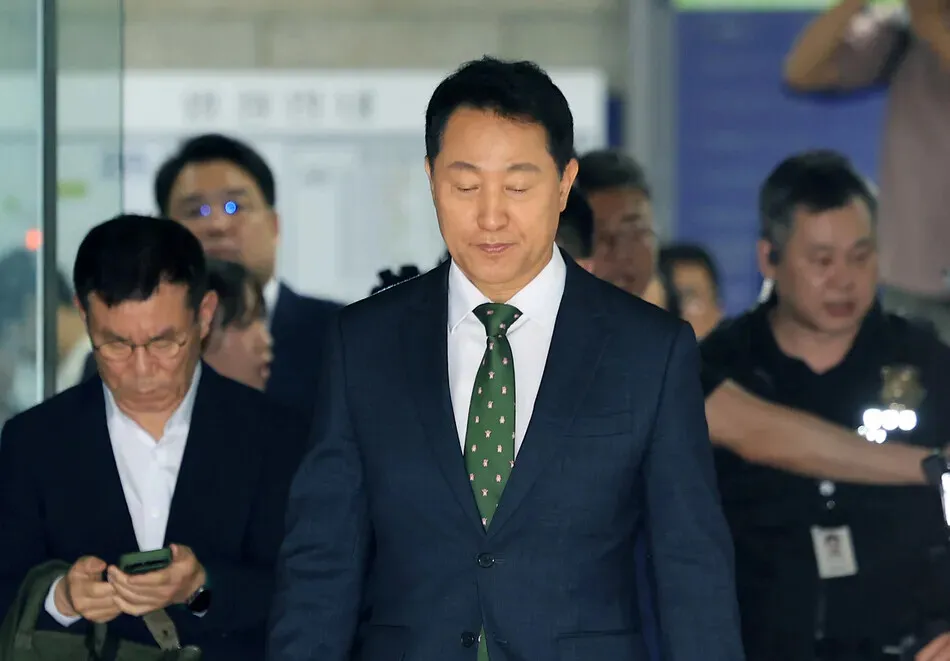
A Seoul court on Wednesday convicted Mayor Oh Se-hoon of violating political funding laws, handing him a sentence that could strip him of his office if upheld by the Supreme Court. Based on the evidence presented, the court found that Oh had commissioned self-styled power broker Myung Tae-kyun to conduct opinion polls ahead of the 2021 Seoul mayoral by-election and was guilty of having a supporter pay the costs on his behalf. Having a third party cover election expenses and concealing them from official accounts constitutes a serious violation of the Political Funds Act. The Seoul Central District Court sentenced Oh to a fine of 10 million won; fines of more than 1 million won for political funding violations result in removal from office and limits on the ability to seek elected office. The court cited the serious nature of the offense as the reason for its decision. Given how Oh should be familiar with political funding laws due to his substantial political career, the court judged that Oh is unfit to hold public office after requesting opinion polls to be conducted, which is prohibited under the Public Official Election Act. The court criticized Oh for making what it described as “confusing claims” in an apparent attempt to evade responsibility despite having orchestrated the offense. Oh categorically denied the allegations, claiming that he had neither commissioned Myung to carry out such polls, nor received the results of them. In fact, Oh even filed a criminal complaint against Myung on charges of fraud, claiming that he was being framed. Oh presented himself as a political victim, describing special counsel Min Joung-kie’s investigation as the work of a “malicious investigative organization” and alleging that both the investigation and his indictment had been “ordered from above” to influence the June 3 local elections. However, the facts confirmed by the trial painted a completely different picture. Myung conducted public opinion polls for Oh, while Kang Cheol-won, a close ally of Oh’s who served as his campaign manager, kept in contact with Myung and helped coordinate the polling. Kim Han-jung, a longtime supporter of Oh, was found to have paid Myung for the polls. Based on these findings, the court said that it was “natural to conclude that Oh decided to commission Myung to conduct a public opinion poll and asked his supporter Kim to cover the costs, which Kim promptly did.” In short, Oh resorted to bald-faced lies to deceive voters. Oh is a politician who is more than familiar with the significance of the Political Funds Act. He earned the reputation of being a clean politician after spearheading a political reform legislation known familiarly as the “Oh Se-hoon Act” in 2004. For a politician who made transparency in political funding a cornerstone of his public image, accepting illegal funds for his own campaign is a striking contradiction. He now faces not only substantial criminal liability but also an equally heavy burden of political accountability. Immediately after the ruling, Oh called the verdict “unacceptable” and vowed to fight it through an appeal. Indeed, everyone is guaranteed the right to appeal to a higher court. However, trust in Oh as a leader to rightly lead the Seoul metropolitan government has been substantially tarnished. How will Oh take responsibility for his actions?
[Editorial] Seoul mayor risks losing office, but he’s already lost voters’ trust
Though the court system must adjudicate his case, he is not exempt from the court of public opinion
546 words~2 min read