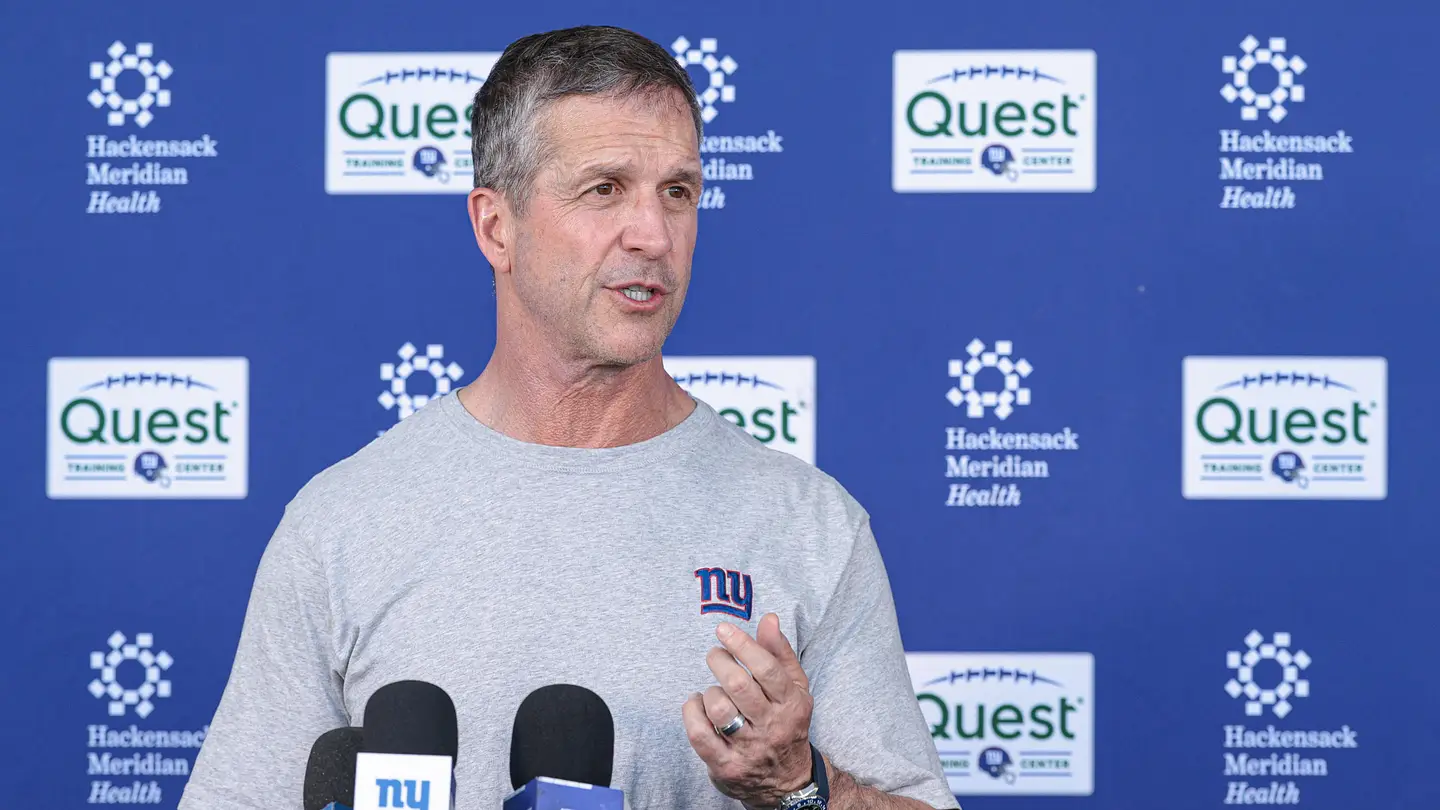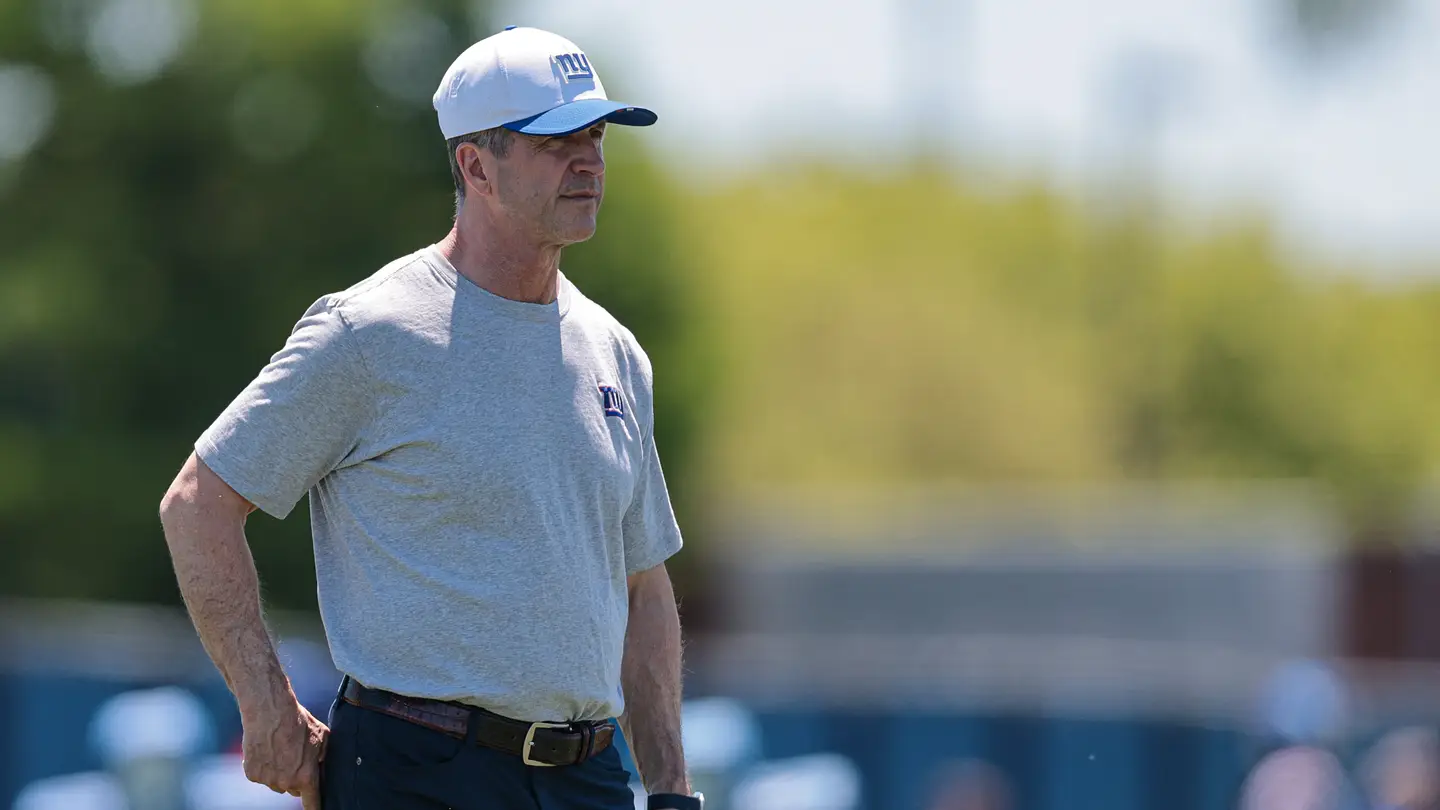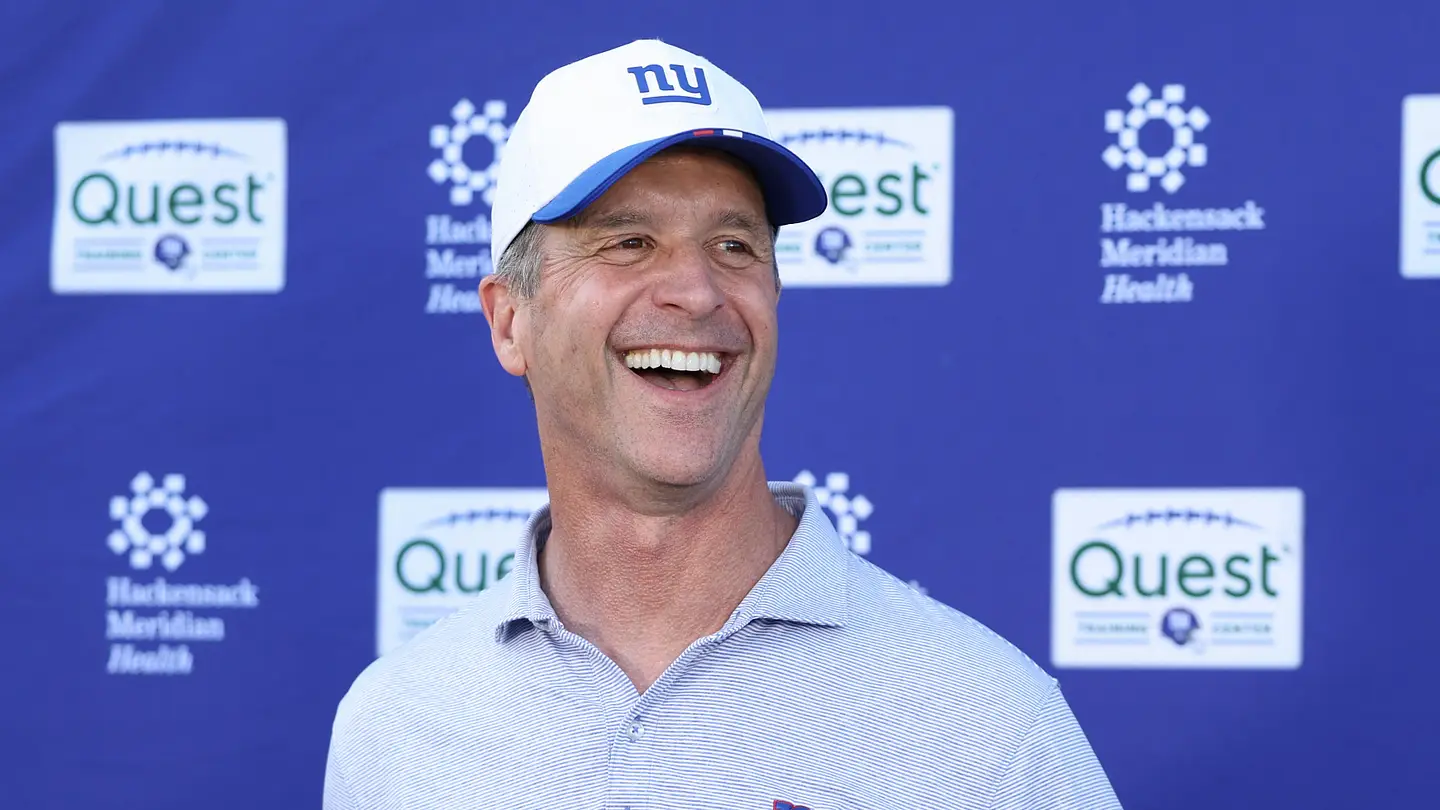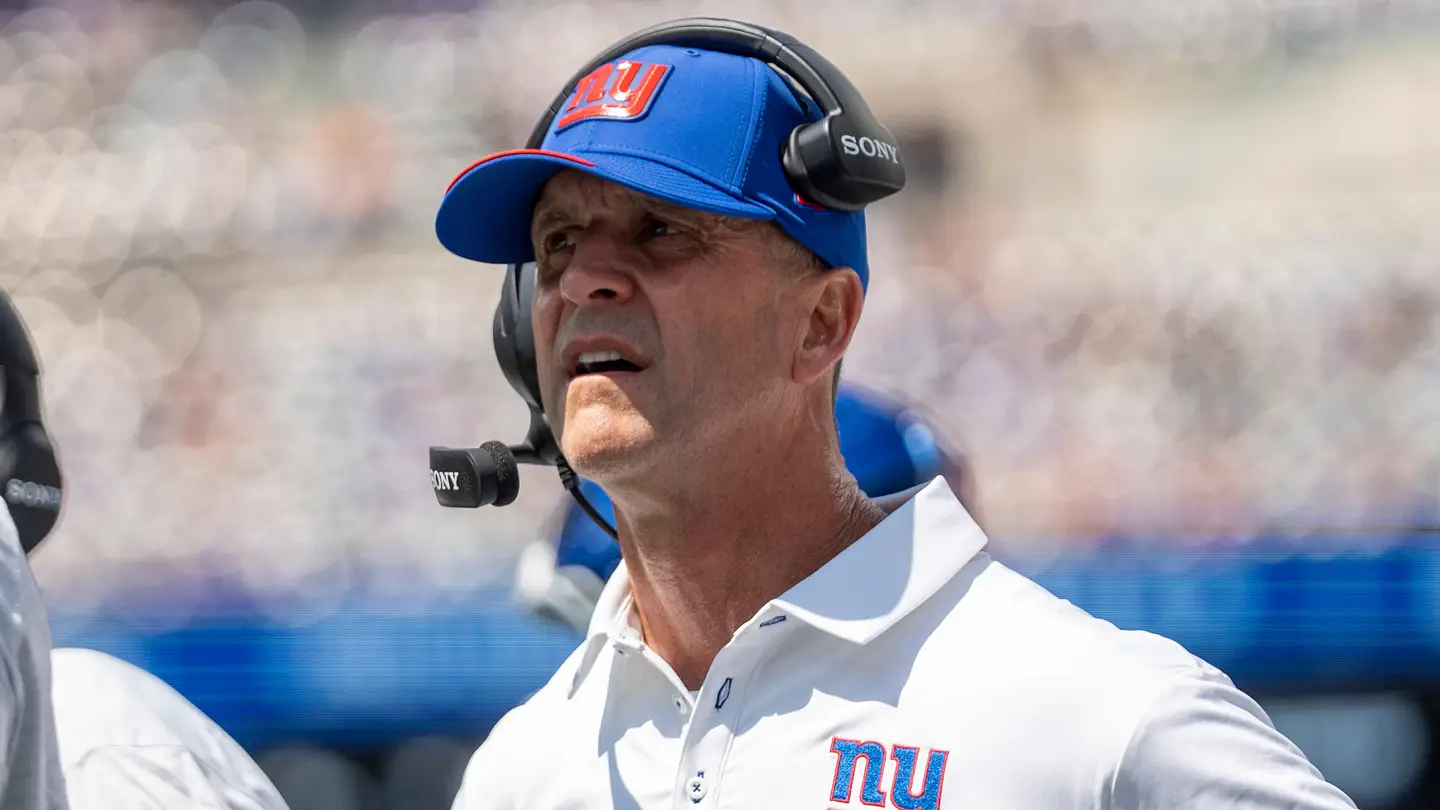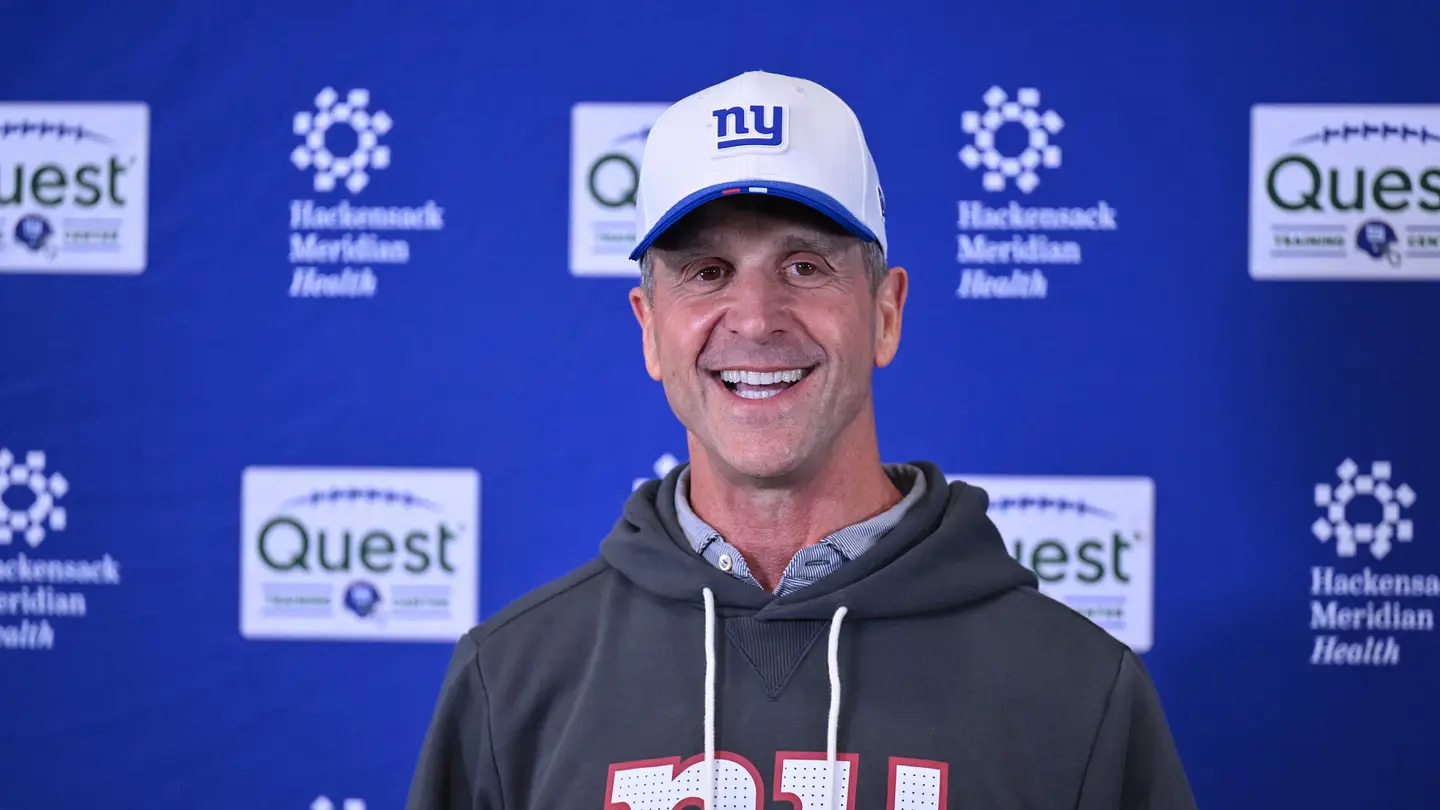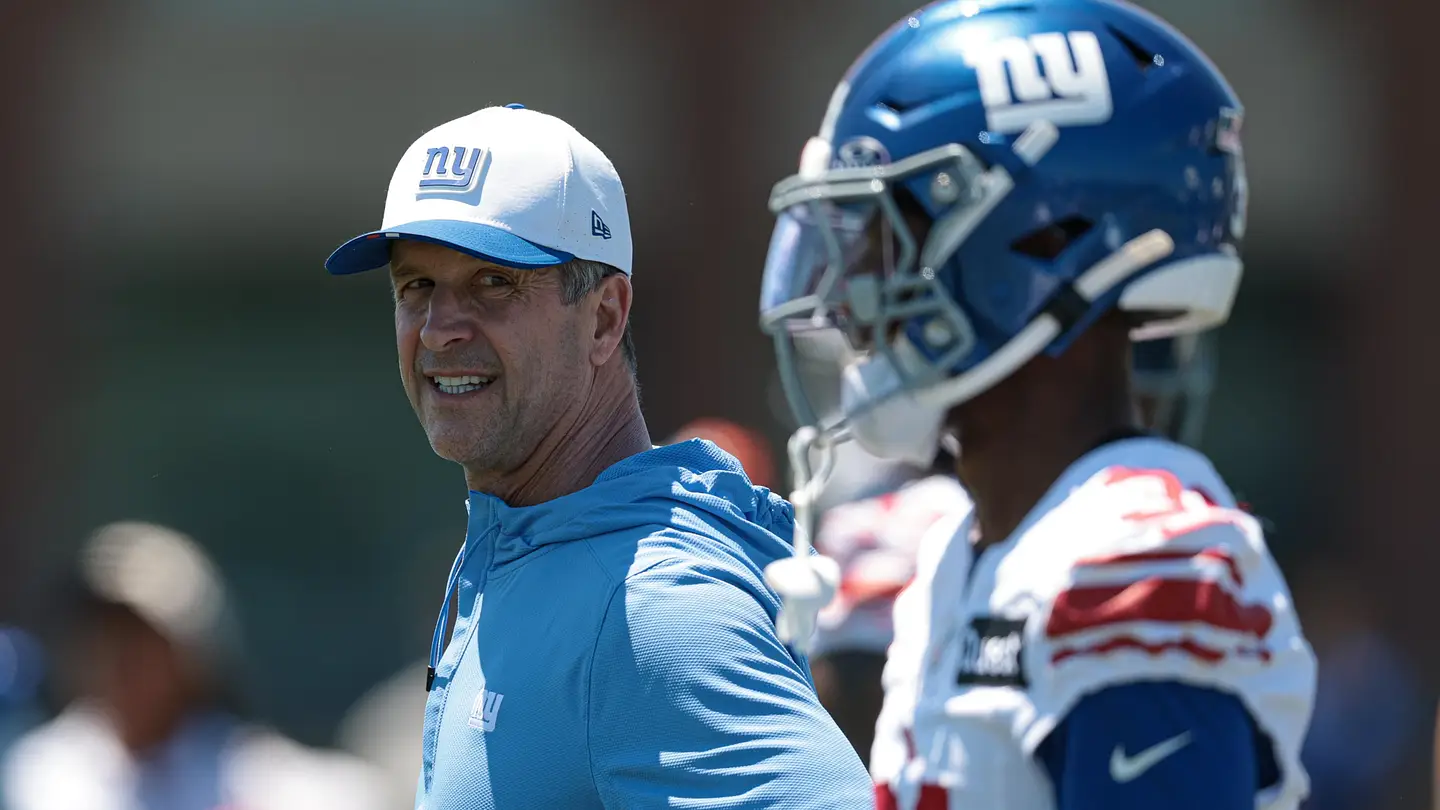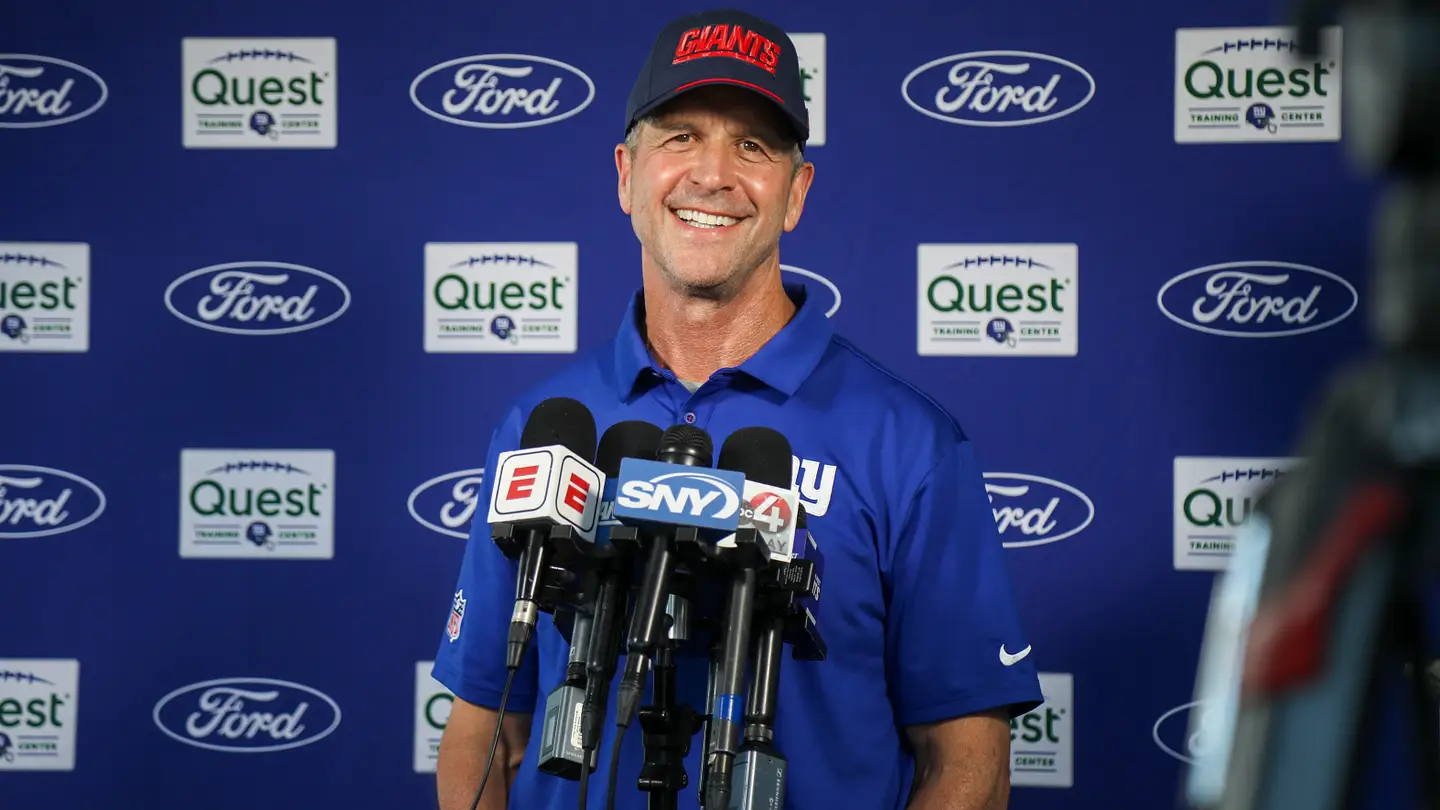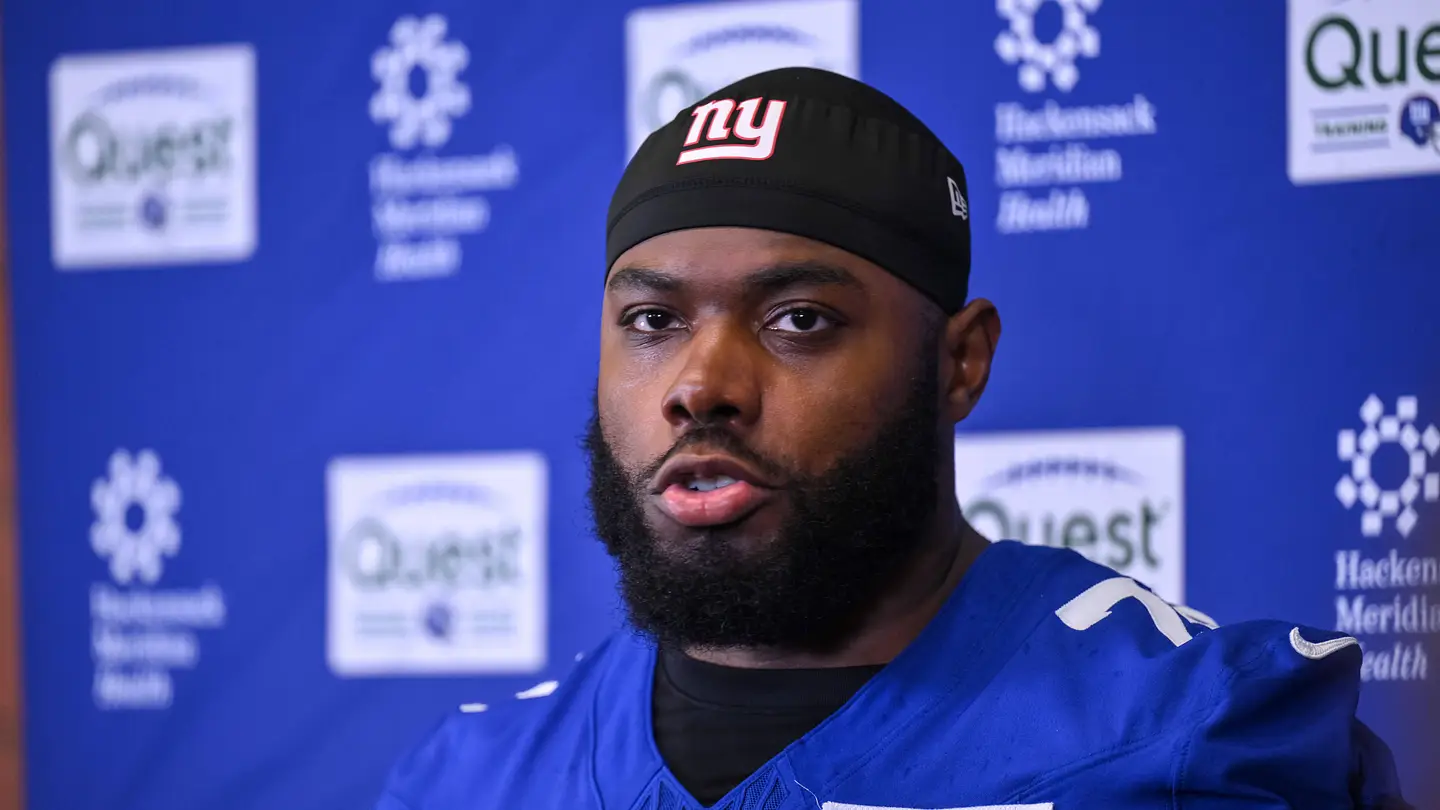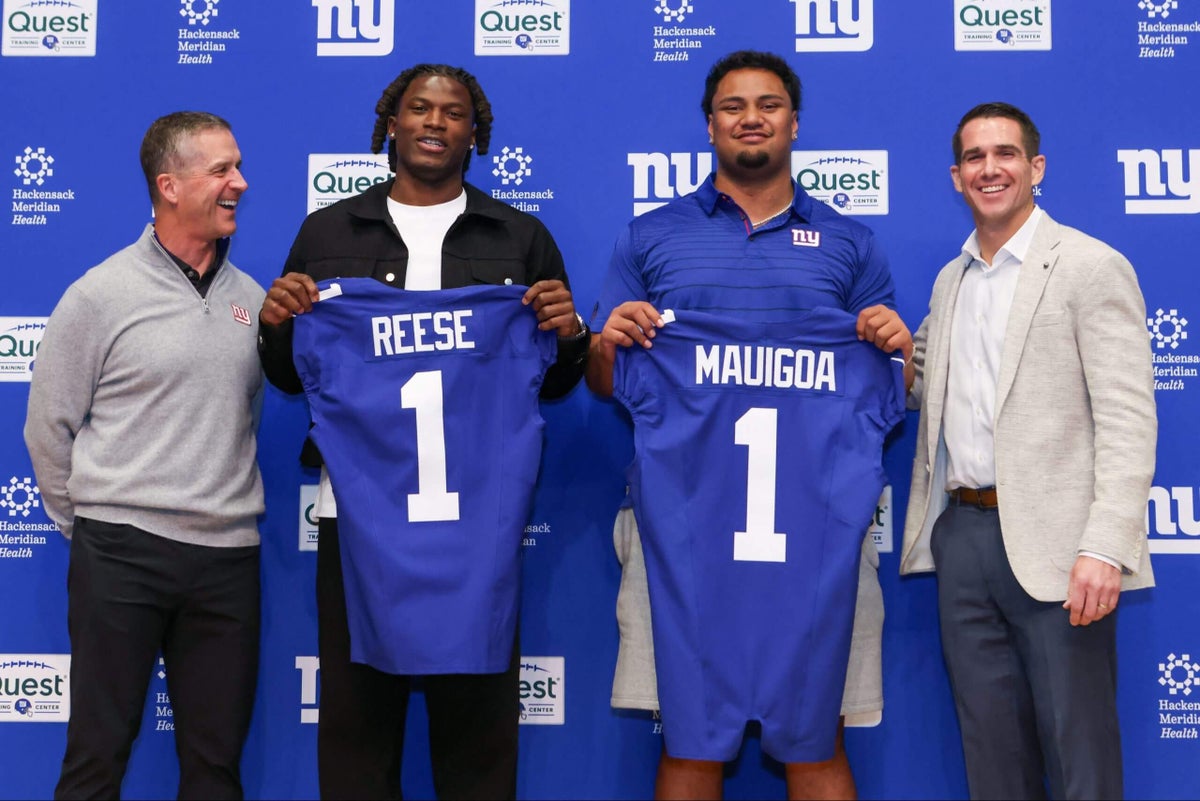
The New York Giants had more direction this offseason than in previous years. With the hiring of coach John Harbaugh and the promise of quarterback Jaxson Dart’s rookie season, it made sense for the Giants to be aggressive.The 63-year-old Harbaugh wasn’t hired to oversee a lengthy rebuild. And a quarterback’s rookie contract is a prime window for a team to spend on the rest of the roster. Of course, the Giants had to exercise some discipline with a roster that won seven games combined over the past two seasons.Is Jaxson Dart more in the Kenny Pickett, Mitchell Trubisky range?Robert Mays and Derrik KlassenSo, with that in mind, I penned my annual offseason plan in February. With training camp set to kick off July 29, here’s a review of how my 10-step plan compares to the Giants’ actions:1. Cut LB Bobby OkerekeThe Giants made the obvious decision to cut Okereke for $9 million in cap savings. I planned to direct those savings into a replacement, proposing Leo Chenal, who signed a three-year, $24.75 million contract with the Washington Commanders in free agency.The Giants signed Tremaine Edmunds, who hadn’t been released by the Chicago Bears when my plan was published, to a three-year, $36 million contract. Edmunds is a proven every-down Mike linebacker who should seamlessly step into Okereke’s role.The Giants also cut offensive lineman James Hudson and kicker Graham Gano to create $9.9 million in cap savings. Instead of cutting running back Devin Singletary for $5.25 million in cap savings, the Giants negotiated a pay cut to the minimum salary to save $4 million and keep the experienced backup.As expected, the Giants had to restructure the contracts of left tackle Andrew Thomas and outside linebacker Brian Burns to create cap space. Those moves freed up $26.1 million in cap space this year.The Giants traded defensive tackle Dexter Lawrence, which produced $13 million in cap savings. Cornerback Paulson Adebo remains the player with the most potential cap savings from a restructure, but the Giants have enough room that they may be able to avoid that move.2. Extend DL Dexter LawrenceI knew Lawrence wouldn’t be content to play out the final two years of a contract that dropped below market value as it progressed. So I proposed a proactive extension, landing on $28 million per year as a fair compromise. That’s exactly what Lawrence got, but it was a bumpy road to that resolution.I knew the situation had the potential to go south, but I didn’t grasp how toxic it would become. As the relationship reached the point of no return, the Giants got a lifeline from the desperate Cincinnati Bengals, who offered the No. 10 pick for Lawrence. Such a strong return made it palatable to part with a player who isn’t far removed from being viewed as the best interior defensive lineman in the NFL.I was willing to bet on Lawrence returning to dominant form (he was still ranked the No. 7 interior defensive lineman in the league, off a down season, in an ESPN poll of league evaluators) once he was satisfied with his compensation. It seems like a lock for that to happen with a fresh start in Cincinnati.Even if Lawrence returns to being an unblockable game-wrecker, the Giants can take solace that they acquired a potential building block in offensive lineman Francis Mauigoa with the 10th pick. That makes Lawrence’s exit much different from other high-profile departures in recent years.3. Don’t trade OLB Kayvon ThibodeauxThe Giants shared my approach on Thibodeaux by listening to trade proposals. I was willing to move Thibodeaux for a Day 2 draft pick. That was the sweet spot for the Giants, although their asking price jumped to the second round after Thibodeaux made a strong first impression on Harbaugh.The Giants were never getting a second-rounder; the best offer was a fourth-round pick from the New Orleans Saints. I understand the decision to resist that meager return.The Giants are trying to win with Harbaugh and Dart, so giving away a quality player for a Day 3 pick doesn’t fit that mindset. The edge depth that is the team’s strength would immediately become a weakness if they traded Thibodeaux and Burns or Abdul Carter got hurt.Thibodeaux’s future is unclear, but the Giants have options. They still could deal him at the trade deadline, or they could factor his free-agent departure next offseason into the comp pick formula. There’s an outside chance they could re-sign him if he has a great season in his new role.4. Re-sign RT Jermaine Eluemunor, CB Cor’Dale FlottRe-signing Eluemunor was my top priority in free agency. There was a wide range of projected contracts throughout the offseason, but Eluemunor’s three-year, $39 million contract wound up close to the three-year, $36 million projection by Pro Football Focus used in my plan. That’s an extremely reasonable price tag to ensure stability at a critical spot.Flott was a tougher call. I was in favor of keeping him because he’s only 24, and last season might have been the start of his prime. It was challenging to nail down a contract projection for Flott, but I was comfortable going up to $12 million annually. The Giants likely shared that valuation as they tried to re-sign Flott but declined to match the three-year, $45 million deal he received from the Tennessee Titans.That’s a healthy contract for a player with one season of high-level performance, but a case can be made to overextend for homegrown players who blossom during their rookie contracts. Flott’s cap hit this year is $10.7 million compared to $8 million for replacement Greg Newsome, who signed a one-year prove-it deal after consecutive subpar seasons.Flott’s cap hits increase in the future, but the Giants could be paying a No. 2 cornerback then. The hope is that second-round pick Colton Hood provides quality production at a discount price.5. Let WR Wan’Dale Robinson walkI expected Robinson to have the highest price tag of the Giants’ top three internal free agents, and I was comfortable letting him walk for the type of bloated contract (four years, $70 million) he got from the Titans.I proposed signing a mid-tier free agent like Kendrick Bourne, who got a two-year, $10 million contract from the Arizona Cardinals, to help offset Robinson’s departure.Darnell Mooney, who wasn’t available when I made my plan, fits the bill and was even cheaper at $3 million for one year. I also recommended using a mid-round pick on a wide receiver, which the Giants did by trading up in the third round to select Notre Dame product Malachi Fields.The 6-foot-4, 222-pound Fields has a different skill set than Robinson, but wide receivers come in all shapes and sizes, and the hope is Fields approaches Robinson’s production during his rookie contract.6. Sign DT John Franklin-MyersThe trenches were the emphasis of my plan, with the intention of adding Franklin-Myers alongside Lawrence. There’s excitement about the Giants’ front-seven now, but imagine a front of Lawrence, Franklin-Myers, the trio of edge rushers and No. 5 pick Arvell Reese.I prioritized Franklin-Myers over an investment in a linebacker like Edmunds. PFF projected a three-year, $45 million contract for Franklin-Myers, who blew that away with a three-year, $63 million deal from the Titans. I would have bowed out of the bidding at that point, and directing those funds toward a higher-caliber middle linebacker was an understandable pivot.7. Sign G Isaac SeumaloSeumalo has been on my radar each time he has hit the market in the past three years. He signed a three-year, $24 million contract with the Pittsburgh Steelers in 2023 and delivered three consistently strong seasons in Pittsburgh.Seumalo, 32, signed a reasonable three-year, $31.5 million contract with the Cardinals this offseason. The Giants flirted with Alijah Vera-Tucker, but bowed out when he got a three-year, $42 million contract from the New England Patriots. I would have pounced on Seumalo at his price, especially at the time when it appeared the Giants were going to roll with Daniel Faalele at right guard with Greg Van Roten and/or a mid-round pick as the backup plan.The guard outlook shifted when the Giants traded Lawrence for the No. 10 pick that was used on Mauigoa. Still, I would have signed Seumalo because that would have enabled the Giants to move on from left guard Jon Runyan. Cutting Runyan would have created $9.25 million in cap savings, which essentially would have been a wash with Seumalo’s salary.8. Draft Ohio State safety Caleb Downs at No. 5While Downs remained a preferred target for some throughout the draft process, my overarching point was to take the best player available at No. 5, and the Ohio State safety had a lot of buzz in February.Reese was widely projected to be gone before the Giants’ pick, but taking an off-ball linebacker at No. 5 fits my BPA profile.My Plan B was taking an offensive lineman at No. 5. The Giants got the best of both worlds by landing Mauigoa with the 10th pick.9. Trade back to acquire more picksIt’s mystifying that the Giants didn’t check this box. This is where some fans will counter that teams need to find a willing trade partner, and that’s obviously true, especially with first-round picks.That’s why I was skeptical the Giants would be able to deal the No. 5 pick. However, there were 39 pick trades during the draft, so the Giants could have found a partner if they were motivated to stockpile picks, as the Ravens did during Harbaugh’s time in Baltimore.Not only did the Giants continue their practice of not trading back, but they also made one move: trading up into the third round for Fields. It’s hard to understand why a team with plenty of depth questions didn’t prioritize adding more mid-round picks, especially after Harbaugh experienced the benefits of that roster-building strategy for 18 years.10. Decline CB Deonte Banks’ fifth-year optionI always address the Giants’ fifth-year option decision in the final step of my plan. Some years that’s an easier call than others.That was the case with declining Banks’ $12.6 million fifth-year option. Banks had a solid spring while rotating between the first- and second-team defenses.However, I remain skeptical the light will suddenly come on for a player who lacked effort, physicality and instincts at an alarming rate over his first three seasons. If Banks does transform into the player the Giants thought they were getting in the first round of the 2023 draft, they can tackle his contractual future next offseason.Cutting Okereke, keeping Thibodeaux, re-signing Eluemunor, letting Robinson walk and taking the best player available with the fifth pick were clear similarities between my plan and the Giants’ actions. There were also some differences, particularly in the lack of investment in the trenches in free agency. The Mauigoa pick mitigates that to an extent, but the Giants couldn’t have known they’d have that pick while making free-agency decisions.The biggest divide was the Lawrence situation. It was impossible at the time of my plan to have a full grasp on the interpersonal dynamics that eroded the relationship. I still wonder whether the Giants, if they had proactively made my extension offer, could have avoided the ugly standoff, but all things considered, they made the best of a tough situation by securing the 10th pick in the trade.Franklin-Myers was the only premier defensive tackle available in free agency, and he would up being out of the Giants’ price range. Still, I don’t feel good about the state of the defensive line.Late veteran signings DJ Reader and Shelby Harris were the best the Giants could do based on the circumstances, but that’s not a formidable duo. They have a low ceiling as pass-rushers, so the best-case scenario is they’ll be quality run-stuffers. My vision was to combine Lawrence and Franklin-Myers as the Giants’ edge rushers to create the most fearsome pass rush in the league.Signing tight end Isaiah Likely to a three-year, $40 million contract was more aggressive than my proposals for other skill positions. Still, I can understand why the Giants decided to add Likely to aid in Dart’s development.The Giants were never going to fill every hole in one offseason. And there are areas — interior offensive line, defensive tackle — that already stick out as likely needs for next offseason.However, the team’s future is going to be charted by the young core — Dart, Nabers, Carter — that grew with the selections of Reese and Mauigoa. This offseason was about augmenting that young nucleus, and the Giants did that without making any reckless gambles.
Giants’ 10-step plan revisited: Will New York regret lack of investment in trenches?
The Giants didn't hire John Harbaugh to oversee a rebuild, but did they do enough to help the coach turn them into NFC contenders?
2,083 words~9 min read