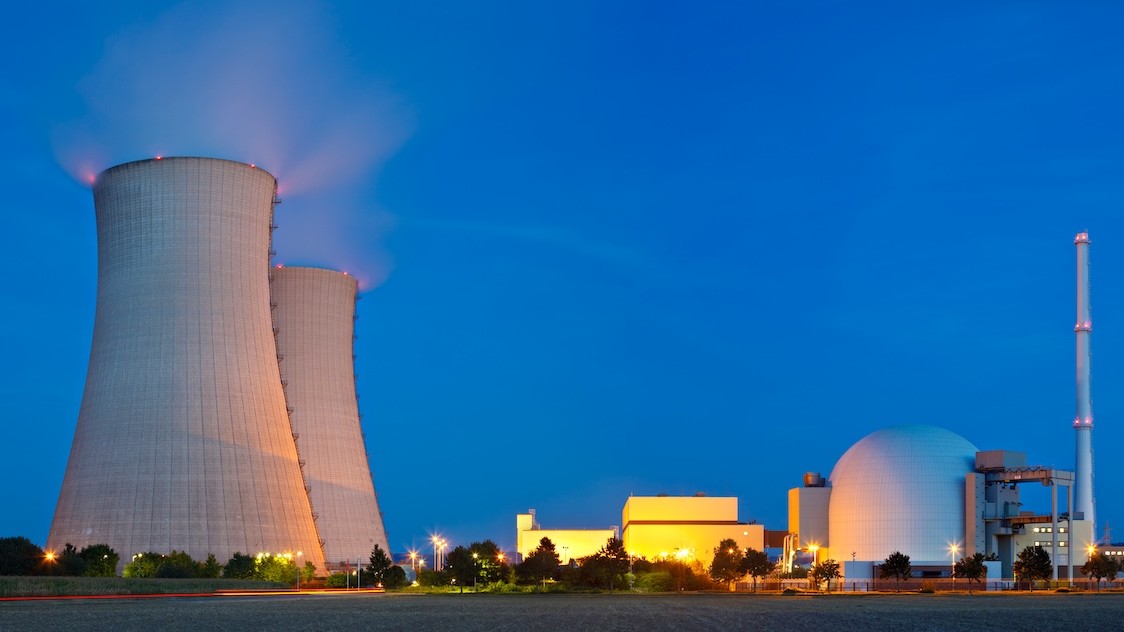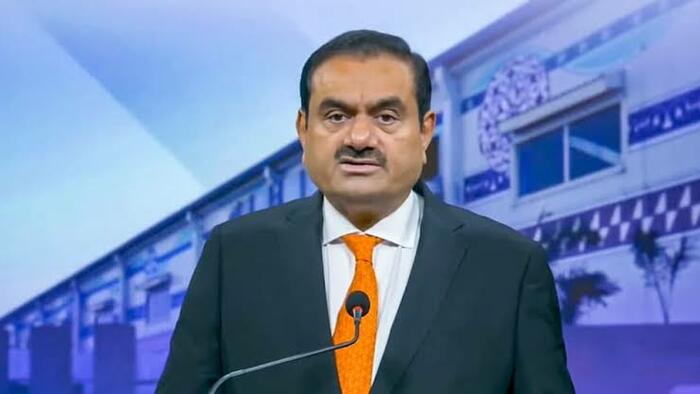
SynopsisAdani Power awaits government rules for private nuclear sector entry. The company plans ten gigawatts of nuclear capacity by twenty thirty-five. Investment decisions depend on regulatory clarity and cost-effectiveness for consumers. Feasibility studies for potential sites in Madhya Pradesh are underway. India aims to significantly expand nuclear power capacity by two thousand forty-seven.ReutersGautam AdaniAdani Power's plans to enter India's nuclear power sector remain dependent on one crucial hurdle: the government's finalisation of rules permitting private-sector participation, with the company saying it will take investment decisions only after regulatory clarity emerges.The Gautam Adani-owned entity, which has outlined an ambition to develop 10 gigawatts (GW) of nuclear power capacity by 2035, said it is evaluating both indigenous and international reactor technologies but is yet to zero in on a roadmap as the policy framework remains under development.Also read: Adani Power Q1 Results: Profit jumps 42% YoY to Rs 4,806 cr; co approves Rs 15,000 cr fundraise"It will all depend on which would be cost-effective. Electricity has to be viable for the Indian consumers, and the type of rates which are affordable to power distribution companies," Chief Executive Shersingh Khyalia said during the company's post-earnings call on Wednesday.Adani Power is also studying potential locations, including Bina and Nigrie in Madhya Pradesh, for future nuclear projects. Company executives said feasibility studies are underway and the sites are being kept ready so the company can move swiftly once the regulatory regime is in place.India is seeking to significantly expand nuclear power as part of its clean energy transition. The government last year opened the sector to domestic and foreign private companies and has set a target of raising the country's nuclear power capacity to 100 GW by 2047, from around 8.8 GW currently.If it proceeds with its proposed capacity addition, Adani Power could emerge as one of the country's largest nuclear power operators. State-run Nuclear Power Corporation of India (NPCIL), currently the sole operator of nuclear plants in the country, has a target of building 50 GW of nuclear capacity, while NTPC is aiming for 30 GW.Several private-sector players, including Tata Power and Reliance Industries, have also expressed interest in the emerging opportunity as India prepares to open up the strategically important sector.Also read: A look at billionaire Adani's businesses as he weighs starting an airlineRecord Q1FY27 earnings fuel expansion plansAdani Power posted its highest-ever quarterly operating and financial performance in the April-June quarter, with consolidated net profit rising 42% year-on-year (YoY) to Rs 4,806 crore, aided by robust power demand, higher generation and improved capacity utilisation. The company had reported a net profit of Rs 3,385 crore in the corresponding quarter last year.Revenue from operations climbed 34% YoY to Rs 18,902 crore, while consolidated EBITDA increased 36% to Rs 8,369 crore. Continuing EBITDA rose 22% to Rs 6,983 crore from Rs 5,744 crore a year earlier.The board also approved raising up to Rs 15,000 crore through the issuance of equity shares via qualified institutional placement (QIP) or other permissible routes to support its growth plans.The company's consolidated power sales rose 17% to 28.8 billion units during the quarter from 24.6 billion units a year ago, while electricity generation touched a record 31 billion units. Installed capacity increased to 18,330 MW from 17,550 MW, with plant load factor improving to 77.9% from 67%, reflecting better utilisation of its generation fleet.Adani Power also recognised Rs 1,386 crore as net prior-period income during the quarter, primarily following revisions in historic energy charges under certain power purchase agreements (PPAs), compared with Rs 406.21 crore in the year-ago period.Read More News on...moreless
Adani's nuclear power ambition hinges on a green light
Adani Power awaits government rules for private nuclear sector entry. The company plans ten gigawatts of nuclear capacity by twenty thirty-five. Investment decisions depend on regulatory clarity and cost-effectiveness for consumers. Feasibility studies for potential sites in Madhya Pradesh are underway. India aims to significantly expand nuclear power capacity by two thousand forty-seven.
593 words~3 min read