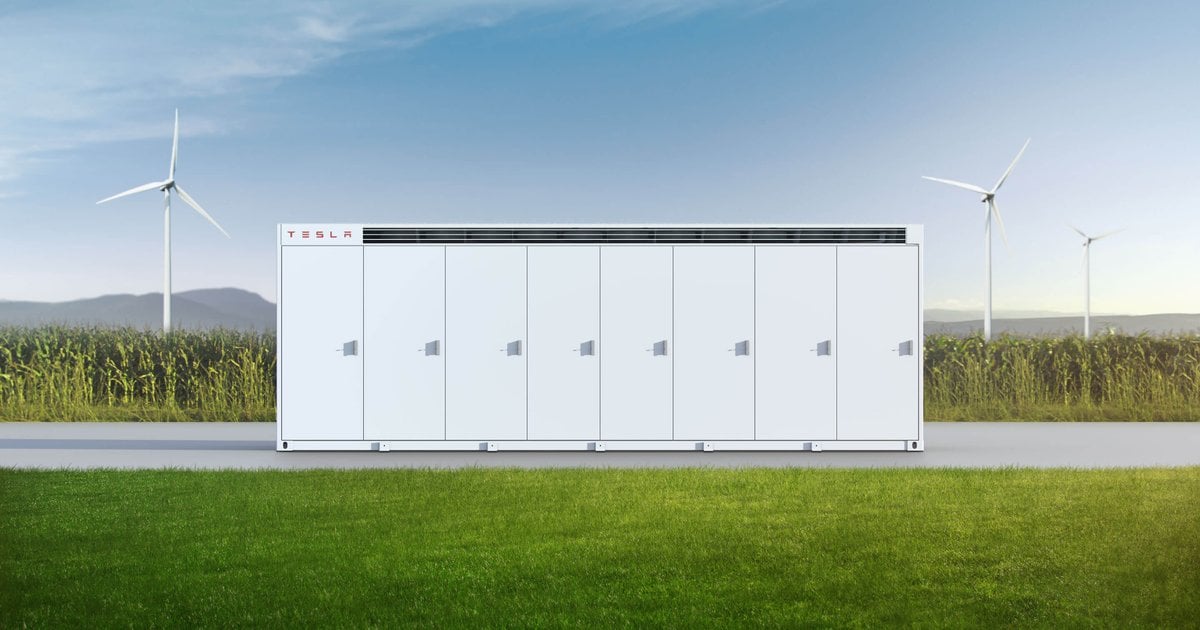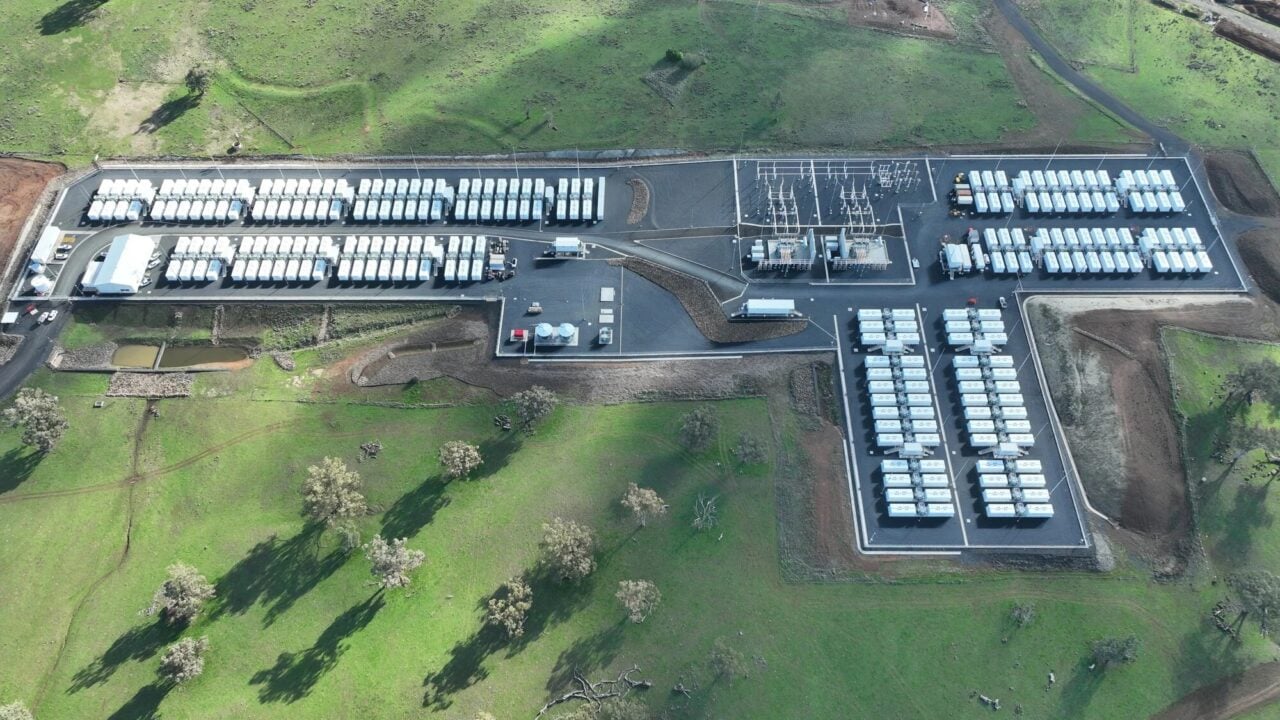
While the company was yet to file its SEC Form 10-Q with a detailed financial breakdown at the time of writing, chief financial officer (CFO) Vaibhav Taneja said in the earnings call that energy gross margins declined from 39.5% to 20.4%.
Noting that quarterly demand for energy storage is typically “lumpy,” Taneja attributed the decline to “several dynamics,” including a US$240 million warranty true-up “related to certain vendor cell issues for our legacy deployments.”
Additionally, the company recognised US$200 million in tariff benefits in Q1, which were not repeated. Meanwhile, the CFO said, as stated in previous guidance, the ASPs for industrial energy storage are “coming down amidst growing competition.”
Energy remains Tesla’s highest-margin business line. Automotive segment margins were 19.2% and its other division, services, reported a 14.1% margin for Q2. However, while the services division is broadly comparable in size to energy, with US$4.58 billion in revenue for the quarter, automotive is still by far Tesla’s biggest business, with US$20.5 billion in revenue in Q2.
“Long-term, we believe the energy business should normalise at a gross margin rate in the mid- to low 20% range,” Taneja said, adding that its order backlog is “robust” and Tesla is doing its “best to build based on both existing demand and future demand we expect from data centre growth and overall electrification of the economy.”