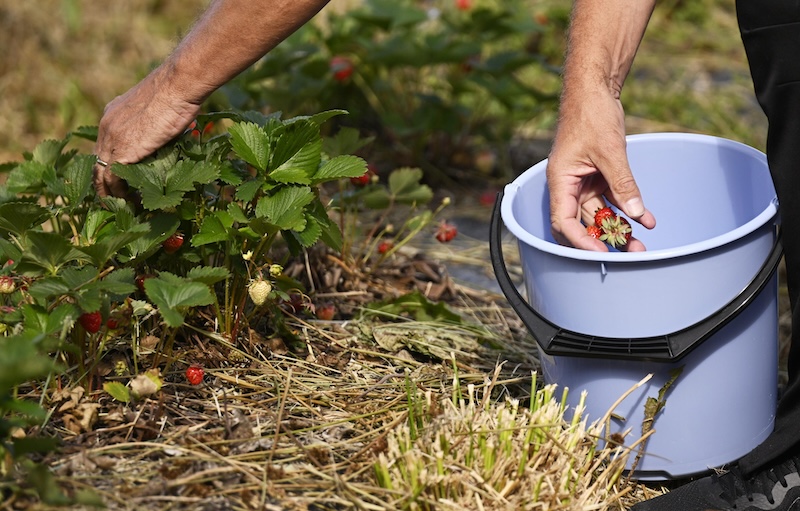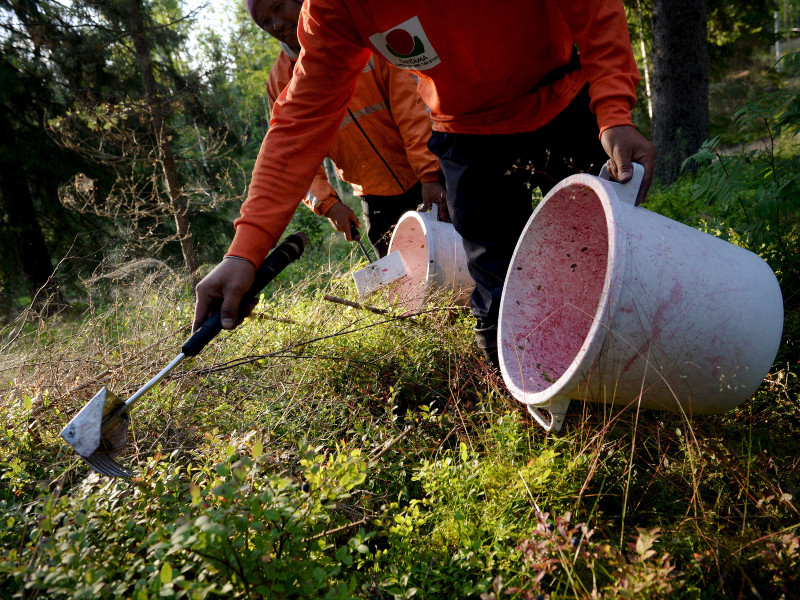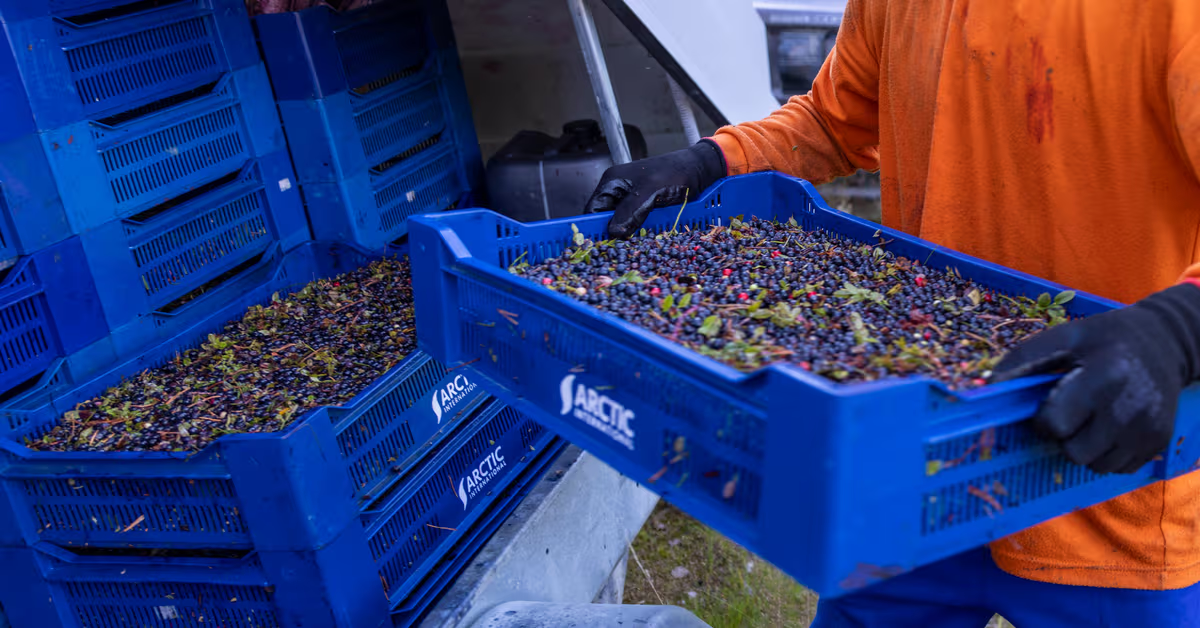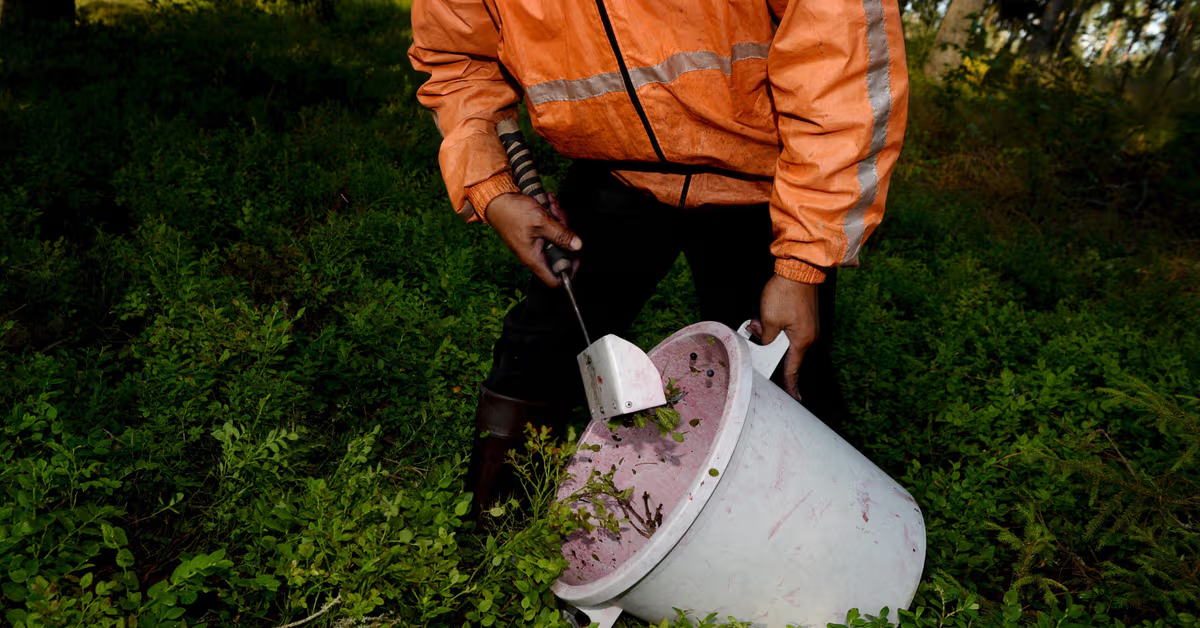
Nearly all the Thai labourers are working for a single firm, which pays their travel fees and has not been linked to human trafficking and exploitation, unlike others in the field.Image: Mikko Stig / LehtikuvaYle News23.7. 11:21Just 123 wild berry pickers from Thailand are coming to Finland this summer.Over 2,100 berry pickers applied for seasonal work visas at the Finnish Embassy in Bangkok. However, the Ministry for Foreign Affairs rejected most of them.The vast majority of visas for Thais, 107, were granted to berry pickers coming to work for one company, Pohjola Foods. It’s based in Lieksa, North Karelia.According to Pohjola CEO Akseli Nevalainen, the pickers from the Isan region of northeast Thailand are to arrive in Finland by the end of July.Nevalainen believes that the visas for Pohjola Foods' pickers were approved because the firm has promised to pay all the pickers' costs of coming to Finland."We pay their airfare, travel insurance and visa costs. This is a benefit of nearly 1500 euros for them, which would normally be deducted from their net salary," he tells Yle.The company decided to pay all entry costs after the Foreign Ministry announced the first negative visa decisions for rival firms’ workers in early summer. According to Nevalainen, Pohjola has previously covered 30 percent of its Thai berry pickers’ entry costs.He also points out that the company has not been implicated in criminal suspicions related to the wild berry industry. Recently, several executives in the sector have been convicted or are currently facing serious criminal suspicions regarding exploitation and human trafficking.Foreign Ministry weighs human trafficking riskAccording to Jussi Tanner, Head of Consular Affairs at the Foreign Ministry, the Finnish Embassy in Thailand approved visas for wild berry pickers coming to work for two companies.According to Tanner, the decisions were not based on any single factor, such as paying for flights, although pickers falling heavily into debt due to travel expenses has been a problem in the past."The decisions were of course affected by the working conditions presented in the application – especially the possible risk of human trafficking, which we must take very seriously," says Tanner.For the first time, the visa decisions also partly based on Finnish Supervisory Agency reports on wild berry picking from last summer. According to Tanner, the ministry is also closely monitoring lawsuits in the sector. He suggested that visas for certain firms can be rejected "if there is a serious suspicion that things are not as they should be"."If we were to wait for final rulings, we’d never be able to intervene sufficiently in the matter," says Tanner.Earlier this summer, some Finnish wild berry companies applied for the Fairtrade label, but Tanner says that merely starting the certification process was not sufficient grounds for pickers to obtain seasonal work visas.Travel costs reflected in the price of berriesMost of Pohjola Foods' berries are picked in Vesanto, North Savo. Nevalainen estimates that the firm's Thai labourers will harvest up to 400,000 kilos of wild blueberries (also known as bilberries) and about the same amount of lingonberries this season. Just under half of this will end up on the Finnish market, with the rest exported.Pohjola also buys a large amount of blueberries and lingonberries picked by Finns and Ukrainians, for example. These pickers collect berries on their own and are not employed by the company. Altogether the firm processes some 3–4 million kilograms of berries per year.The fact that the company is paying its seasonal workers’ travel expenses will definitely increase the price of berries, says Nevalainen.
Thousands applied, but only 123 berry harvesters from Thailand granted permits this year
Nearly all the Thai labourers are working for a single firm, which pays their travel fees and has not been linked to human trafficking and exploitation, unlike others in the field.
586 words~3 min read