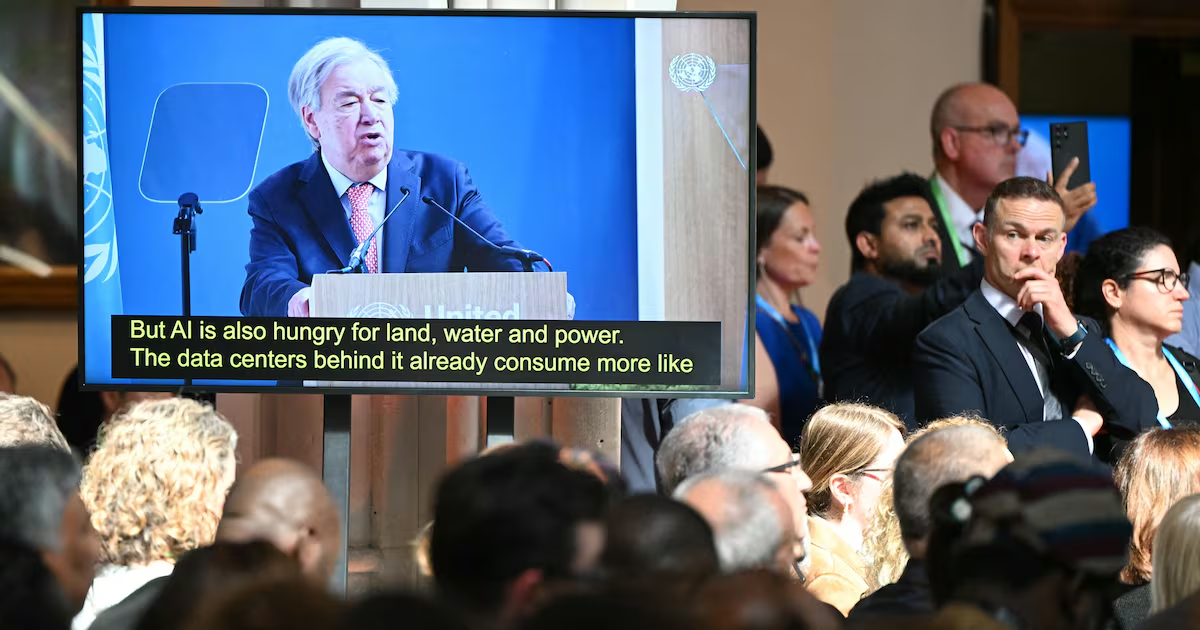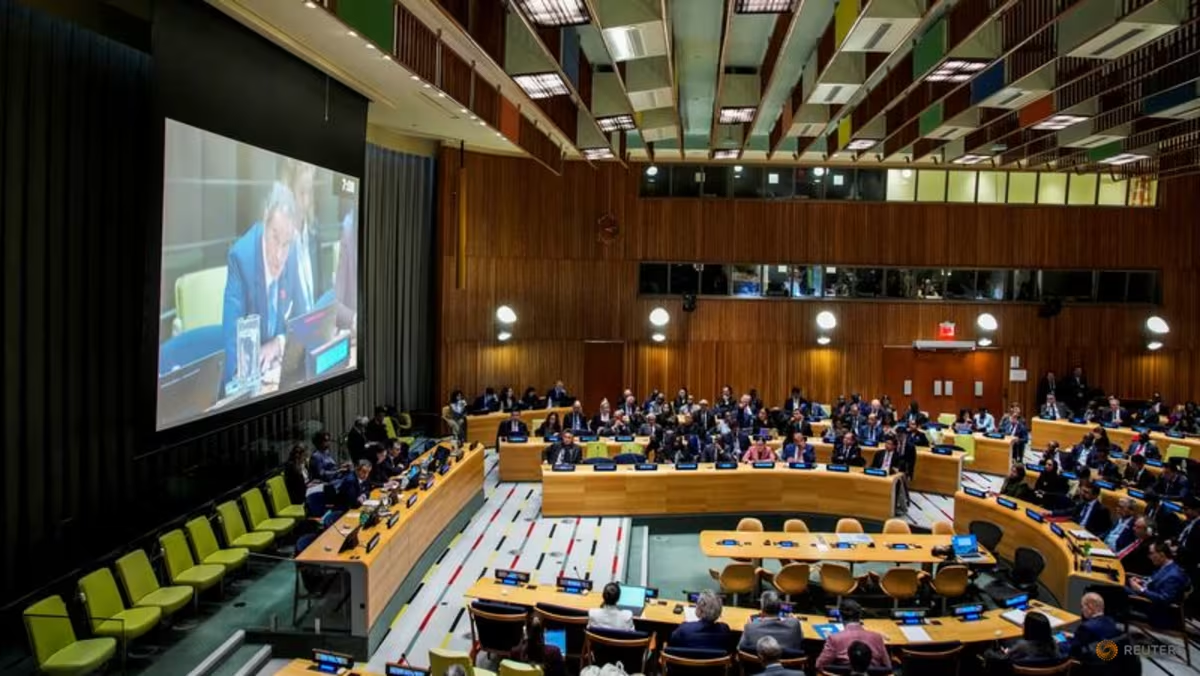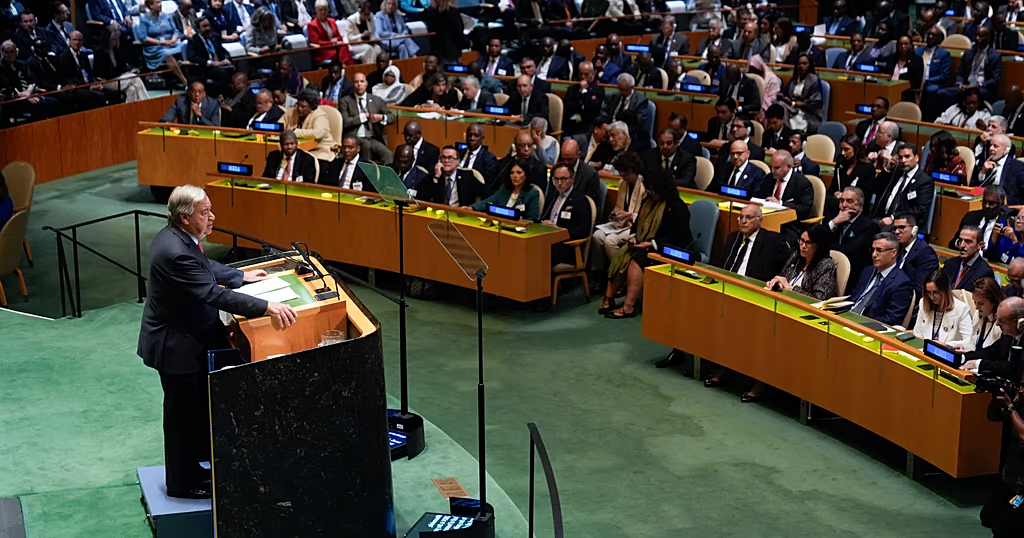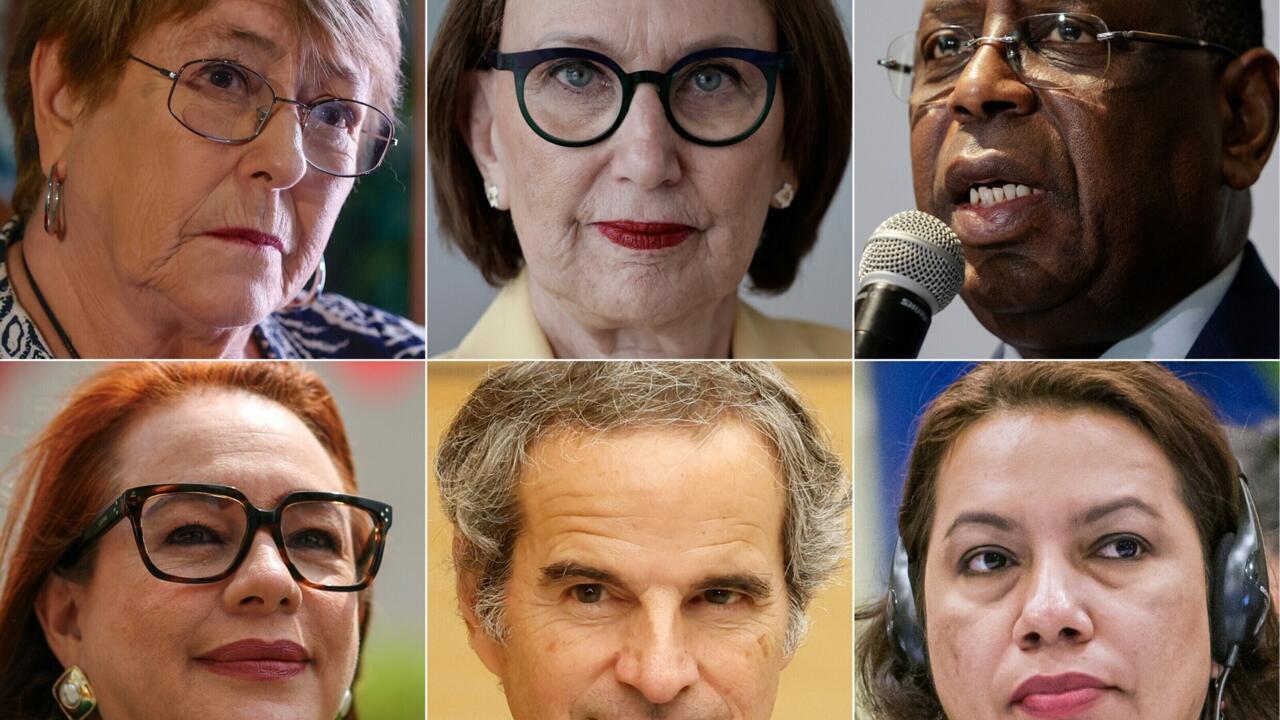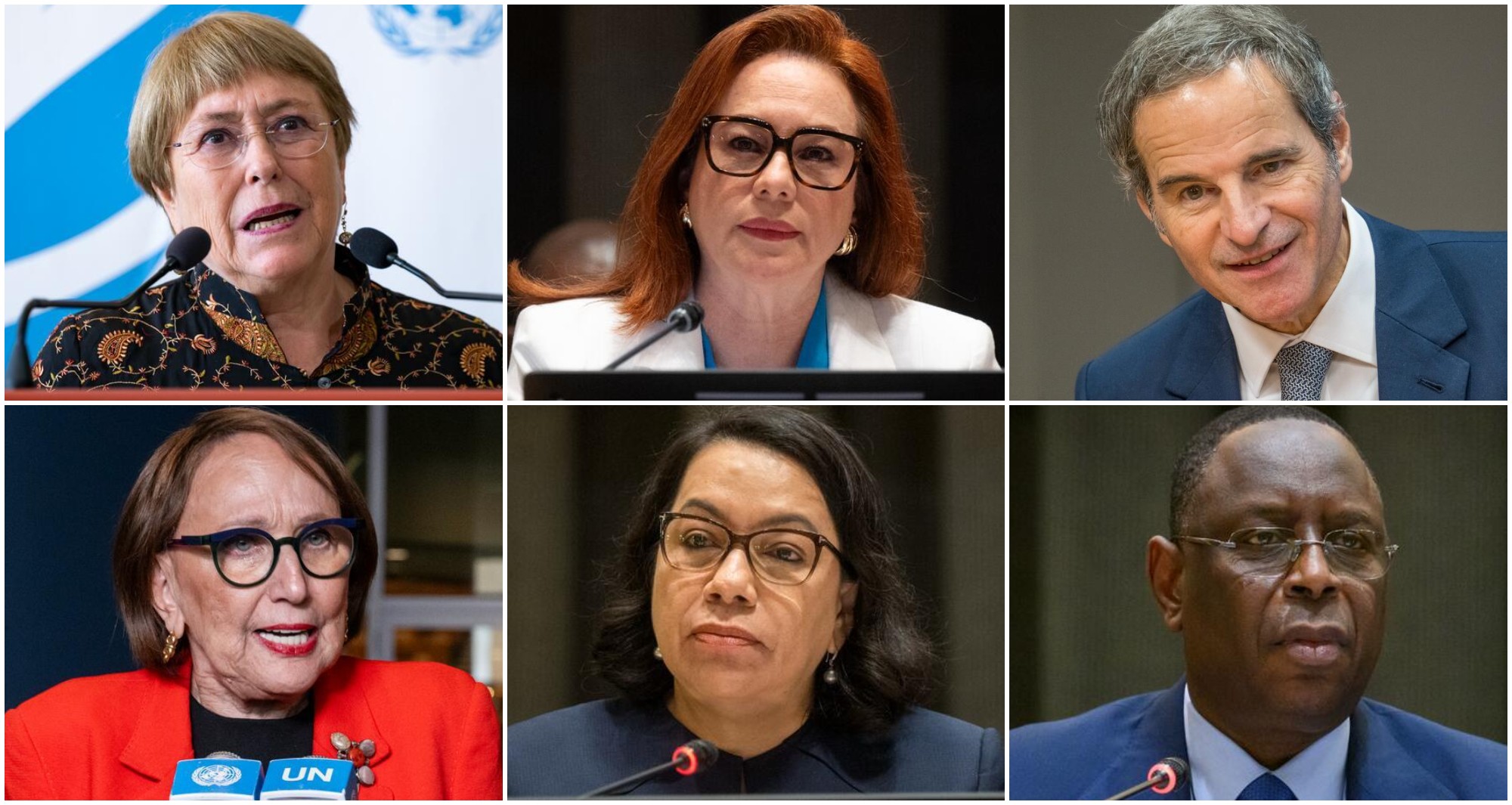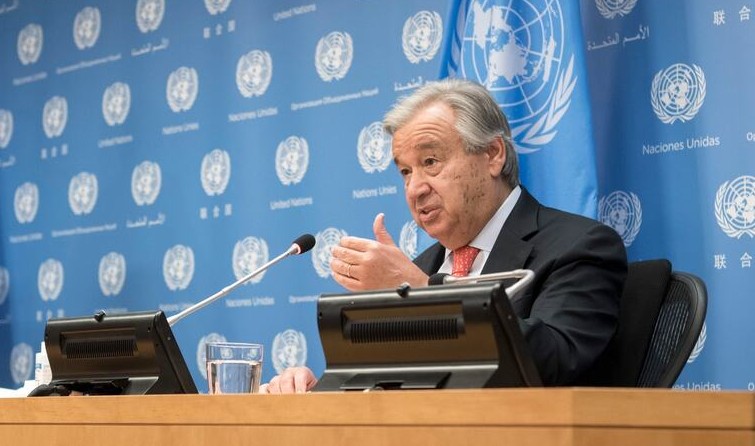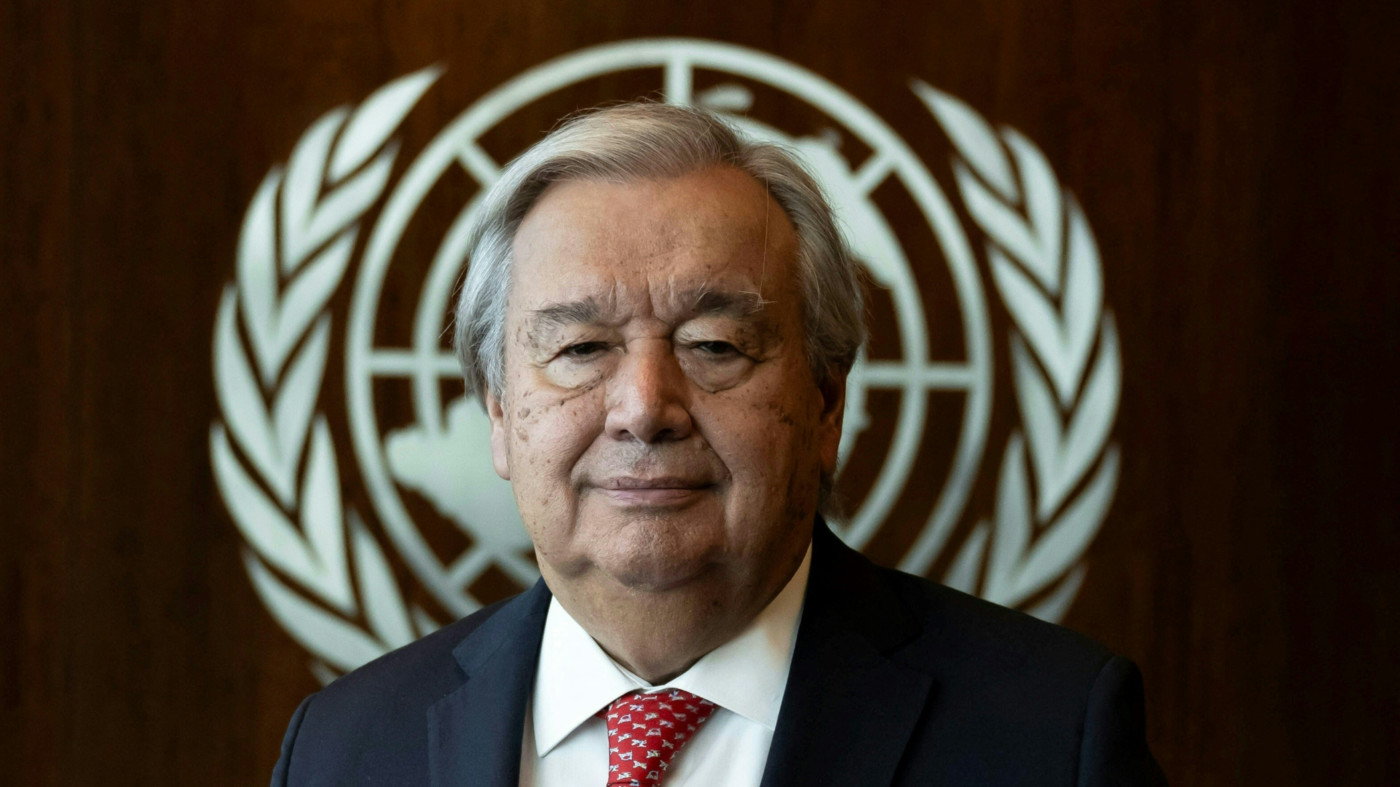
They command no army, run no country and cannot force a government to take action - but the role of secretary-general of the United Nations is still one of the most important on the world stage.
Successive occupants of the post have helped avert wars, shaped peace agreements and defined how the world responds to humanitarian crises.
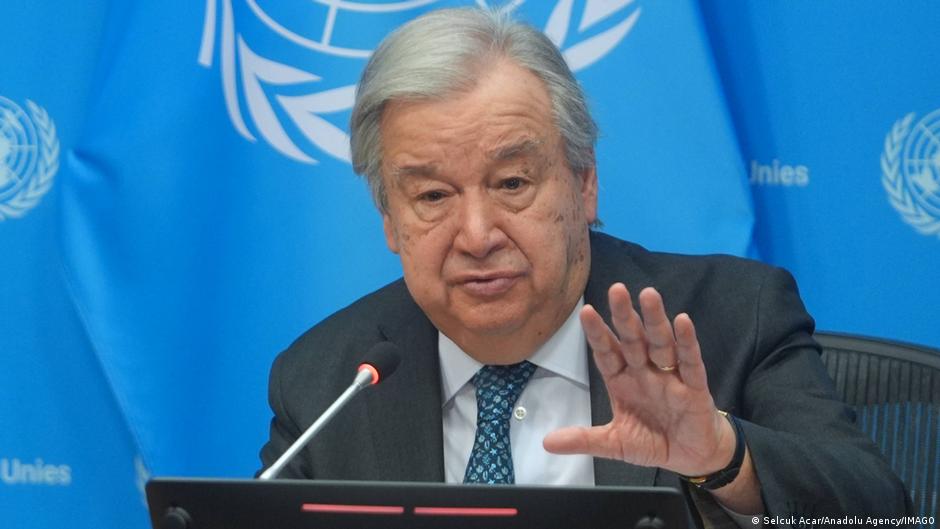
Current incumbent Antonio Guterres, a former Portuguese prime minister, completes his second five-year term on 31 December. The following day, the 10th UN secretary-general will take office.
The UN chief cannot impose settlements but can mediate, deploy missions or place issues before the UN Security Council, which has primary responsibility under the UN Charter. The council has 15 members, of which five have a permanent veto (the US, UK, France, China, and Russia).
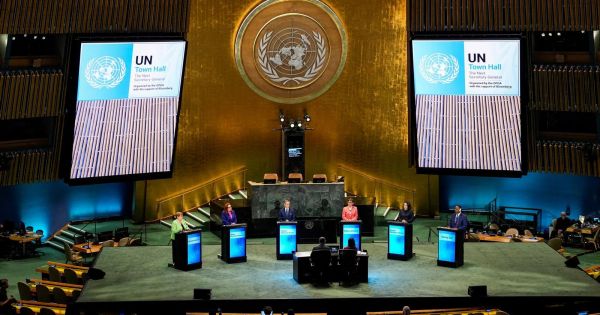
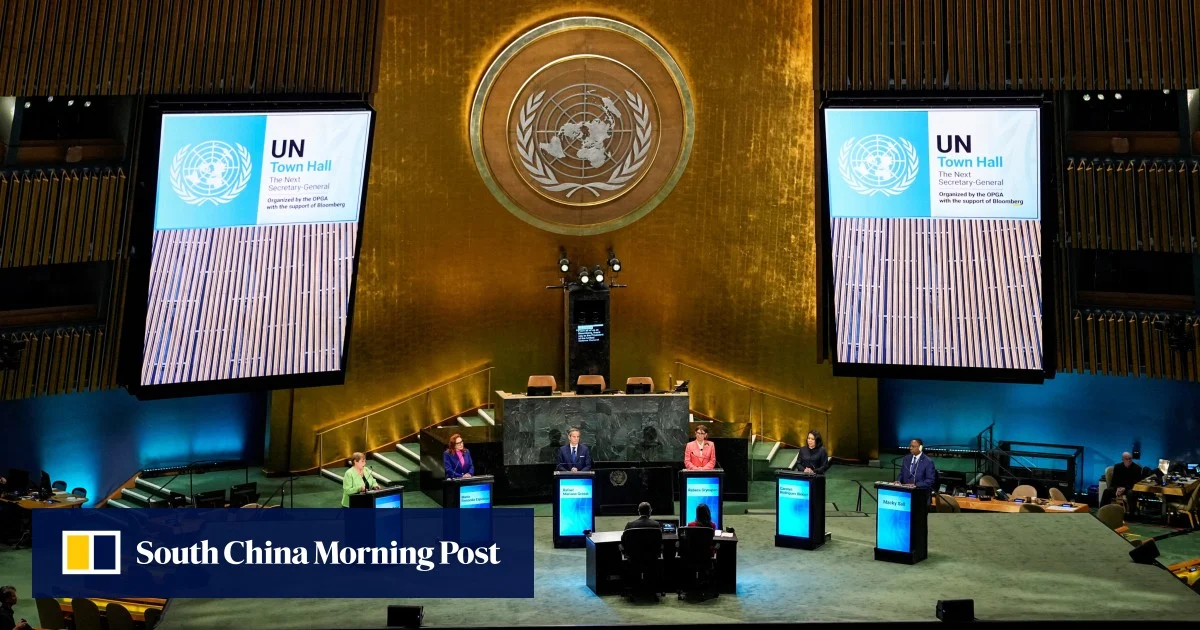
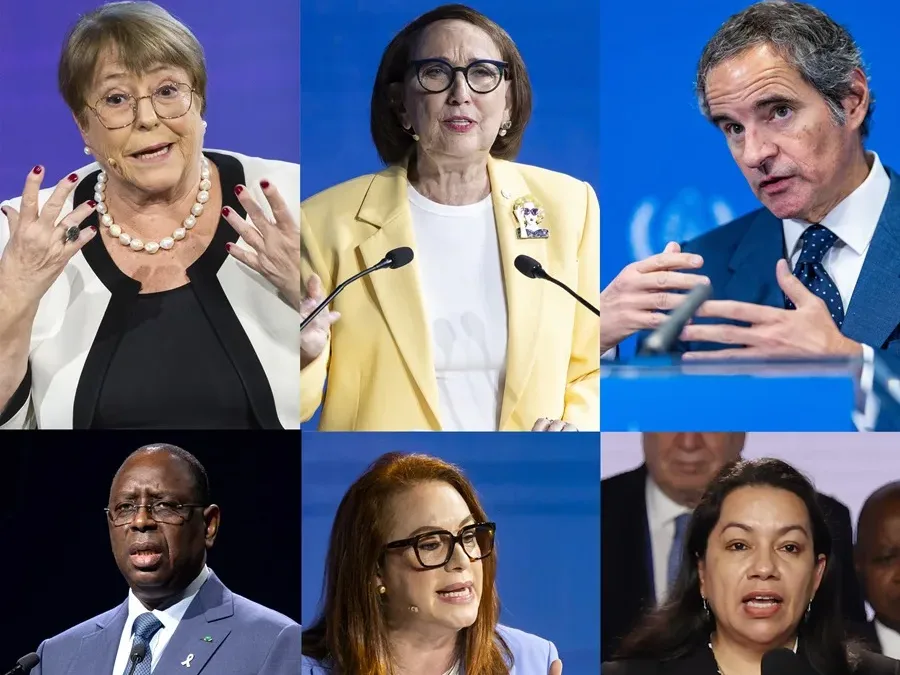
Governments and others have begun lobbying as to who will lead the organisation, which was founded in 1945.