Asia & Pacific
The country vaccinated more children in 2025 and reduced the number of "zero-dose" children, though millions worldwide still lack lifesaving vaccines due to conflict, poverty and vaccine hesitancy.
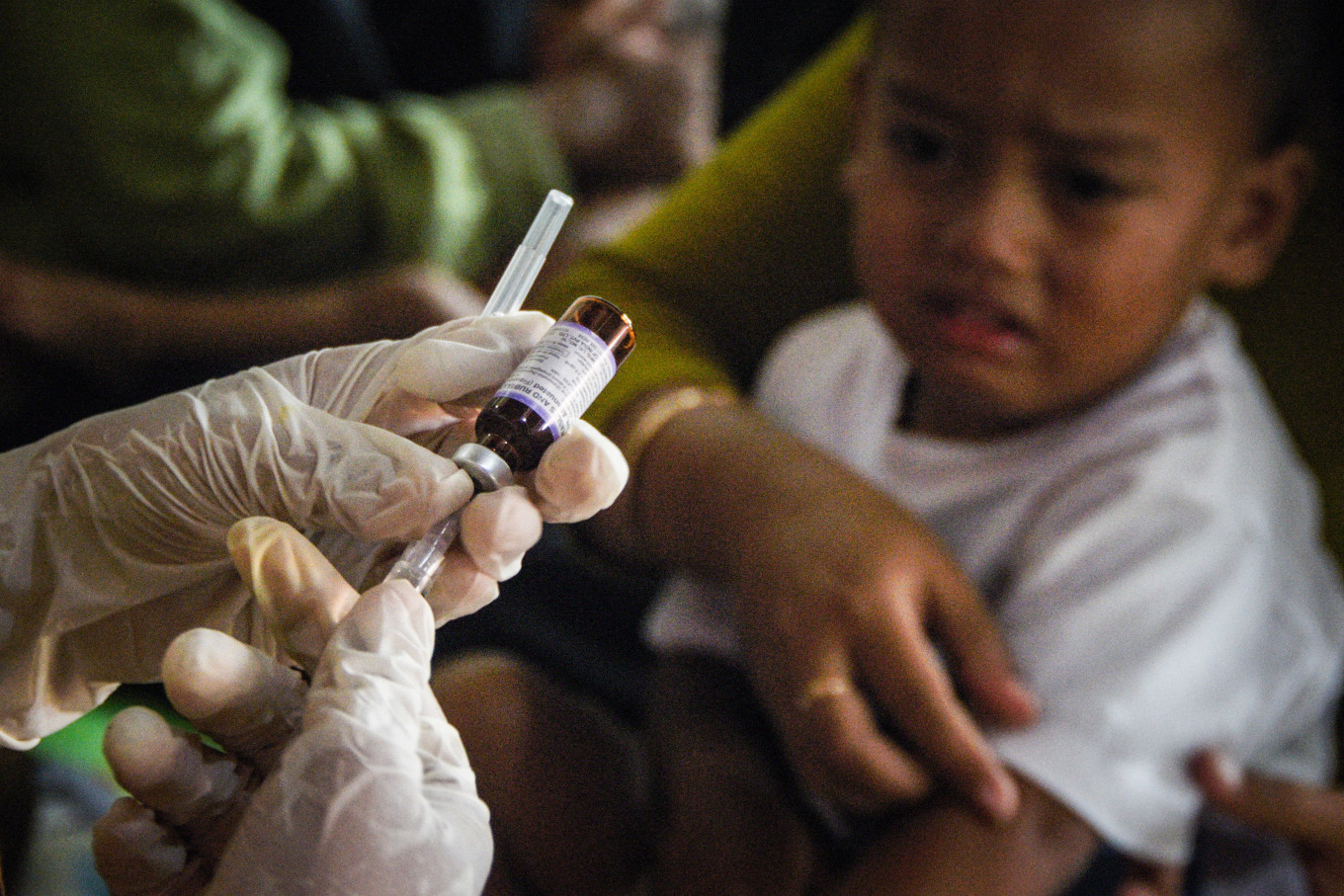
A health worker prepares a measles-rubella vaccine on April 6, 2026, at an integrated health services post (Posyandu) amid a measles outbreak due to low vaccination coverage in Cikukuk, West Java. (AFP/Timur Matahari)
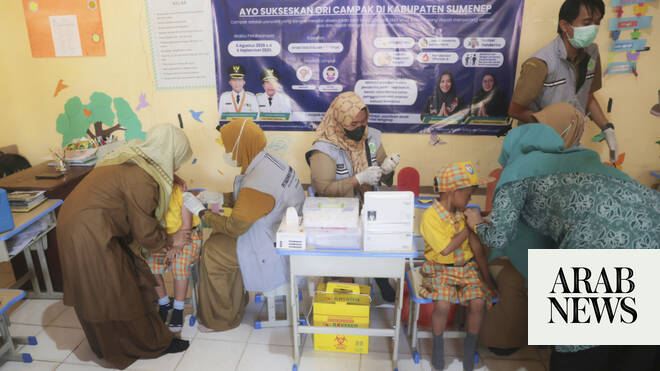
More children in Indonesia are receiving lifesaving vaccines than ever before, according to a new report by the World Health Organization and UNICEF, reflecting a broader global recovery in childhood immunization since the COVID-19 pandemic despite persistent challenges, including vaccine hesitancy.According to the 2025 WHO/UNICEF Estimates of National Immunization Coverage (WUENIC), coverage for the third dose of the diphtheria, tetanus and pertussis vaccine (DTP3) and the third dose of the hepatitis B vaccine (HepB3) both increased from 78 percent in 2024 to 82 percent in 2025.
By last year, more than 3.6 million Indonesian children had received the full course of both vaccines.