HETAUDA, Nepal (AP) — For years, aid workers in central Nepal visited the shadowy spot alongside a darkened highway where transgender sex workers gather each night, offering them free HIV tests and counseling. Today, those aid workers still visit this spot — but this time, as sex workers themselves.These former aid workers are among 280,000 worldwide who lost their jobs after the United States slashed its foreign aid funding last year. Most of those workers live outside the U.S., in conflict zones or poor areas where other job opportunities are scarce.
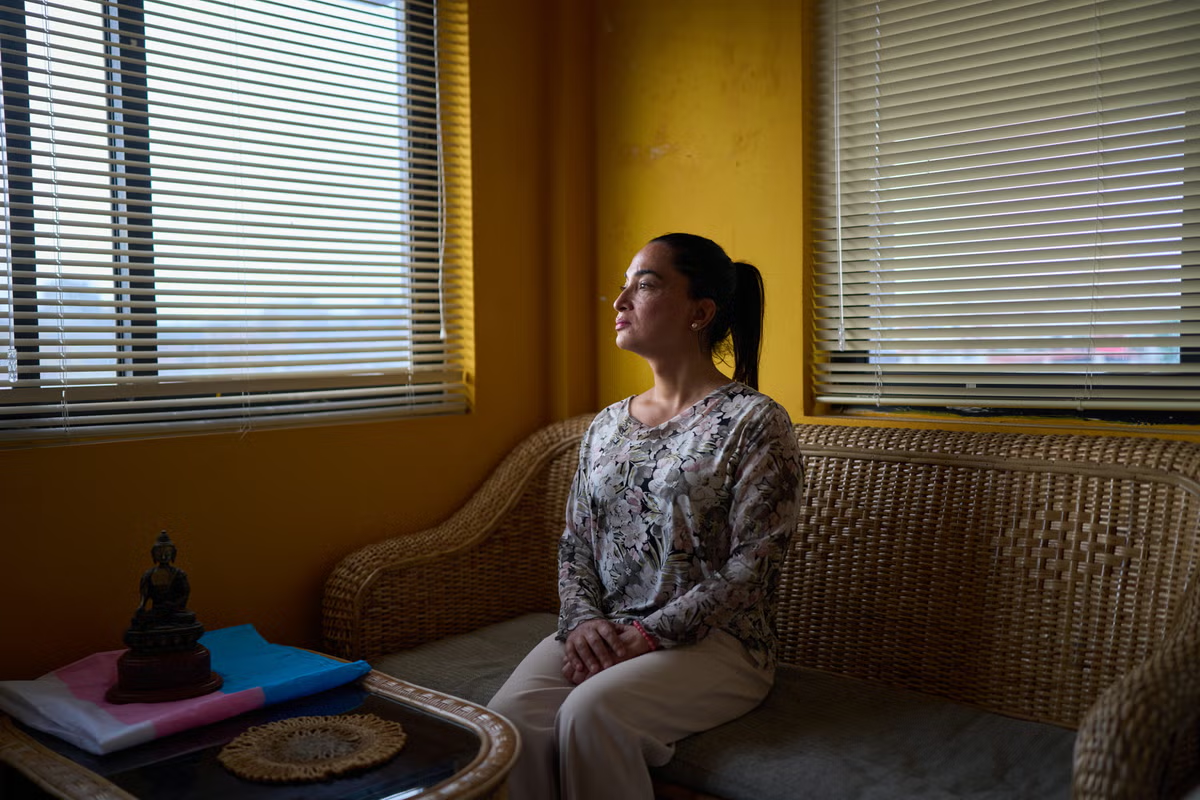
Rubi Lama, who is transgender and a former aid worker who turned to sex work to survive after losing her job amid the U.S. foreign aid cuts, applies makeup before going to work in the streets in Hetauda, Nepal, Friday, May 15, 2026. (AP Photo/Bram Janssen)
A transgender sex worker stands next to a busy highway waiting for clients to approach her in Hetauda, Nepal, Saturday, May 16, 2026. (AP Photo/Bram Janssen)
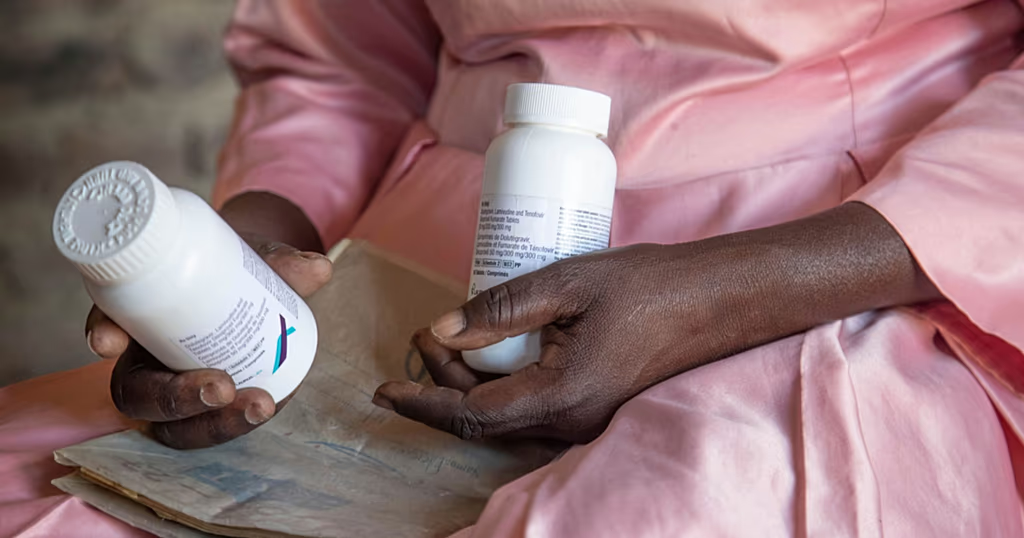
In impoverished Nepal, where a conservative culture leaves openly transgender people with few legal job options, the impact on aid workers’ lives was particularly crushing. Starving and scared, around 100 LGBTQ+ aid workers left jobless by the funding cuts have turned to sex work to survive, walking the streets alongside the very people they once fought so hard to help. The public health implications are vast. With the U.S. funding cuts also eliminating access to HIV prevention medication in Nepal, health experts fear a spike in HIV prevalence among the surging ranks of sex workers, as well as members of the LGBTQ+ community.