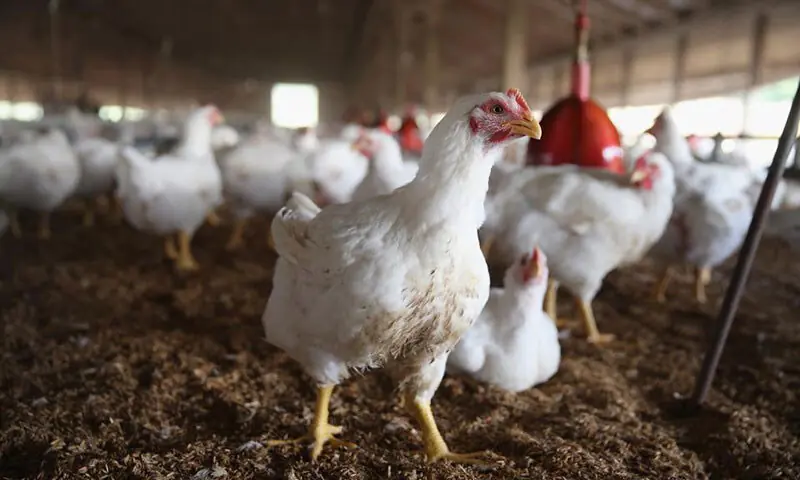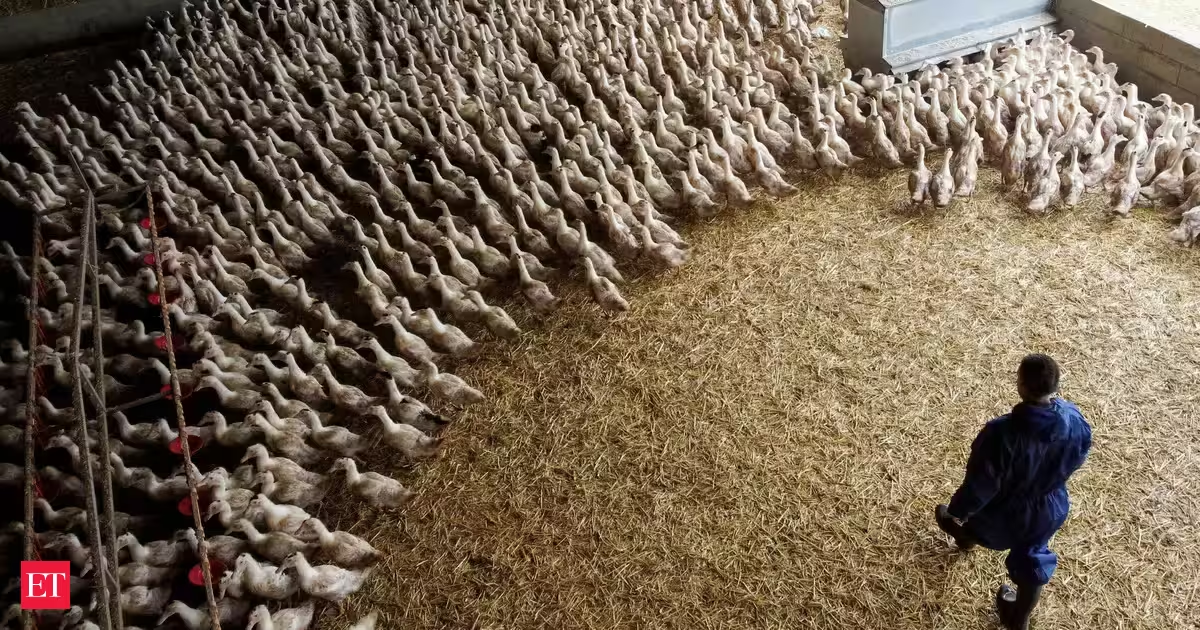
Kolkata: India’s poultry industry is expected to return to its long-term growth trajectory of around 10% this fiscal, after a subdued performance last year, supported by improved realisations and steady consumption demand across the egg and broiler segments, according to a report by Crisil Ratings.The industry’s operating margins are also expected to recover by 50-70 basis points this fiscal after declining by 50 basis points last year, as higher selling prices offset a likely increase in feed costs. Moderate capital expenditure, limited incremental debt and healthy cash accruals are expected to keep the credit profiles of poultry companies stable.An analysis of 34 poultry companies rated by Crisil Ratings, with a combined revenue of around ₹12,410 crore in the previous fiscal, indicates a gradual recovery in the sector.The egg segment, which contributes around 58-60% of the poultry industry’s value, is expected to remain a key growth driver. Eggs continue to be one of the most affordable sources of protein, supporting broad-based consumption across income groups. However, India’s per capita egg consumption at 106 eggs annually remains significantly lower than the global average, leaving considerable room for growth.Egg consumption is expected to rise by 4-6% this fiscal, while prices are likely to increase to ₹5.6-5.8 per egg. This will help the segment’s revenue growth improve to 9-11%, compared with 9% last fiscal.The broiler segment is also expected to witness a recovery, with revenue growth projected at 8-10% compared with 5% last fiscal. Volume growth is likely to remain steady at 2-4%, aided by improving rural demand, rising per capita meat consumption and growing preference for protein-rich diets.Broiler prices are expected to remain firm due to tighter supplies. A shorter summer and early monsoon last year had resulted in surplus production, leading to a nearly 20% year-on-year decline in broiler prices. This impacted bird placements towards the end of the fiscal, resulting in tighter supplies and higher prices in the first quarter of the current fiscal.“Given the forecast of El Niño conditions, bird weights are likely to be lower this year, leading to short supply. Average broiler prices are expected at ₹120-125 per kg this fiscal compared with ₹115-120 per kg last fiscal,” said Jayashree Nandakumar, Director, Crisil Ratings.The recovery in prices, along with steady demand, is expected to drive overall industry growth of around 10% this fiscal.While higher realisations will support profitability, elevated input costs remain a concern for poultry producers. Feed accounts for nearly 60-65% of total input costs, with soybean de-oiled cake (DOC) and maize being the primary components.Maize prices are expected to rise moderately due to possible weather-related disruptions, while soybean DOC prices are likely to remain stable due to adequate availability.However, imported feed components such as vitamins and husk, which account for about 10% of feed costs, could become more expensive due to higher logistics expenses amid geopolitical tensions in West Asia.“Average feed costs are projected to rise 3-5% to around ₹77 per kg this fiscal,” said Rishi Hari, Associate Director, Crisil Ratings.Improved profitability and steady growth are expected to strengthen cash flows for poultry companies. Higher internal accruals, combined with limited expansion plans, will help companies manage an increase in working capital requirements arising from higher feed costs.The sector is also unlikely to see major debt-funded capacity expansion in the near term, as post-pandemic investments have created adequate capacity buffers.Crisil expects poultry companies’ interest coverage ratio to remain comfortable at 3-4 times, while leverage is likely to stay stable at around 2 times next fiscal.However, volatility in feed prices, fluctuations in egg and broiler prices, and potential bird flu outbreaks remain key risks for the industry.
Poultry industry set to return to 10% growth this fiscal on stronger demand, prices: Crisil
India's poultry industry is expected to return to its long-term growth trajectory of around 10% this fiscal, driven by stronger egg and broiler prices and steady demand, according to Crisil Ratings. Operating margins are also projected to improve by 50-70 basis points after declining last year, despite a 3-5% rise in feed costs.
599 words~3 min read