(Image credit: Shutterstock)
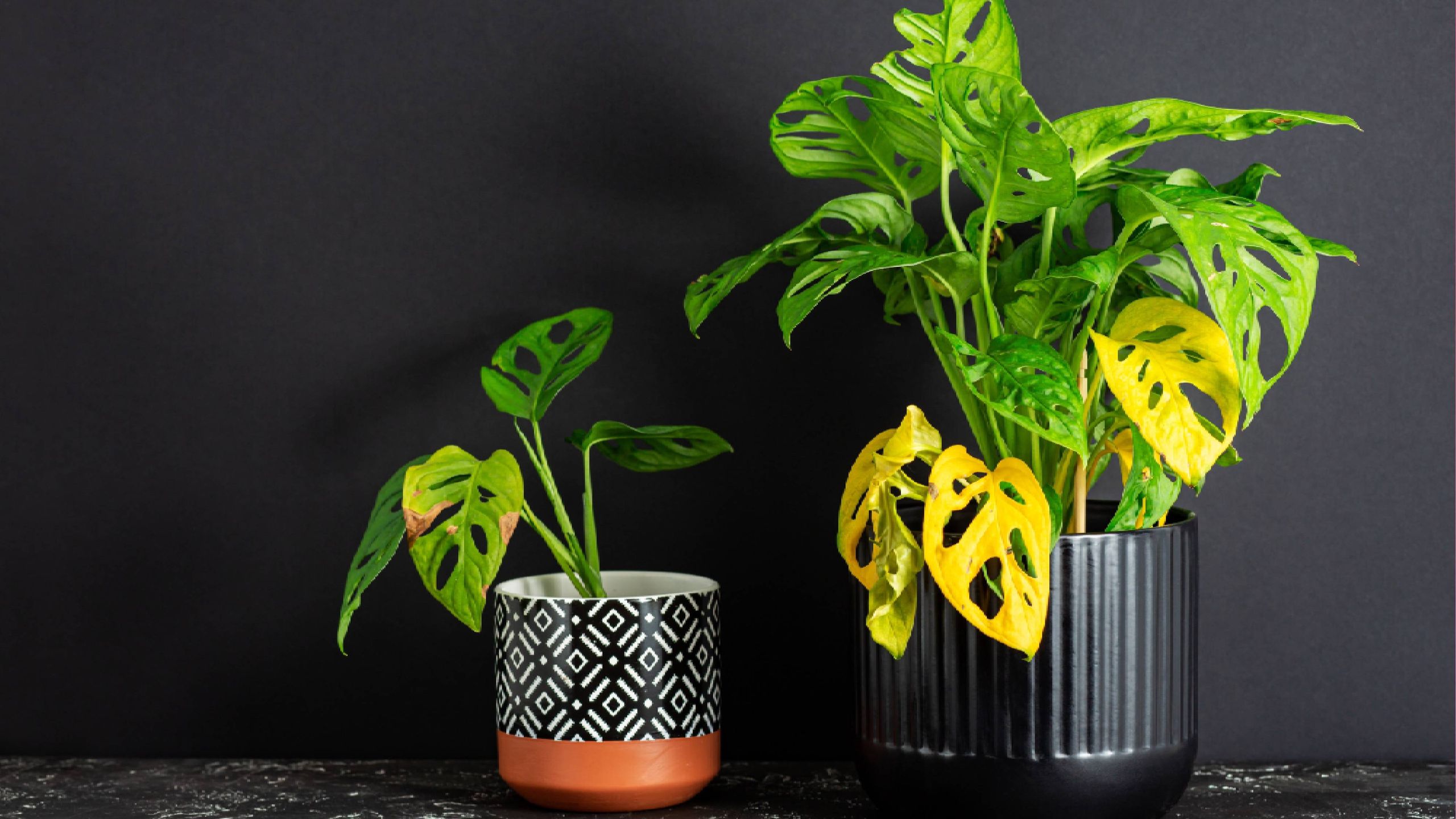
Monsteras are usually the drama-free roommates of the houseplant world, until the morning you walk past yours and spot an undeniably yellow leaf.Trust me, I know that sudden flash of panic. But after years of keeping these tropical giants happy, I’ve learned a yellow leaf isn't an instant death sentence. It’s just your plant’s version of a check-engine light.Whether you're dealing with a simple watering mistake or a tricky lighting spot, I’ll help you translate what your Monstera is begging for and get it thriving again.
1. Assess your watering habits
Overwatering is the single most common cause of yellowing Monstera leaves. Monsteras need oxygen at their roots to survive. When potting soil stays waterlogged, roots suffocate, develop root rot, and lose the ability to transport nutrients to the foliage.If overwatering is the issue, lower leaves will turn a solid, pale yellow, often accompanied by dark brown soft spots or a wet, musty smell coming from the soil. Stick your finger two to three inches into the soil. If it feels soggy, stop watering immediately. Allow the top half of the soil mix to dry completely before watering again, and always ensure your pot has functional drainage holes paired with a well-draining soil mix.Underwatering causes a different pattern altogether. Leaves turn yellow with dry, crispy brown edges, and the entire plant feels droopy or papery to the touch.If the soil is bone-dry and pulling away from the inside edges of the pot, bottom-water or thoroughly soak the root ball until water drains freely from the bottom holes.