UN calls for fair play in the global race for critical minerals
5 March 2026
Economic DevelopmentCritical minerals such as lithium and cobalt are central to the transition to a zero-carbon economy. As the Security Council meets on Thursday to discuss “energy, critical minerals and security,” here is some of the work the UN is doing to ensure that the transition is just and equitable.
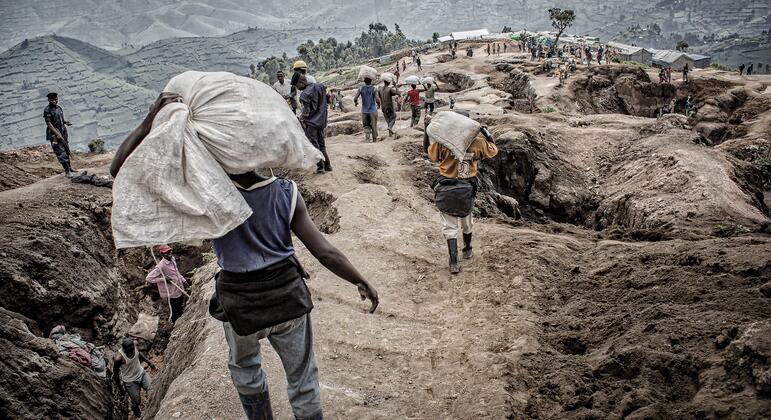
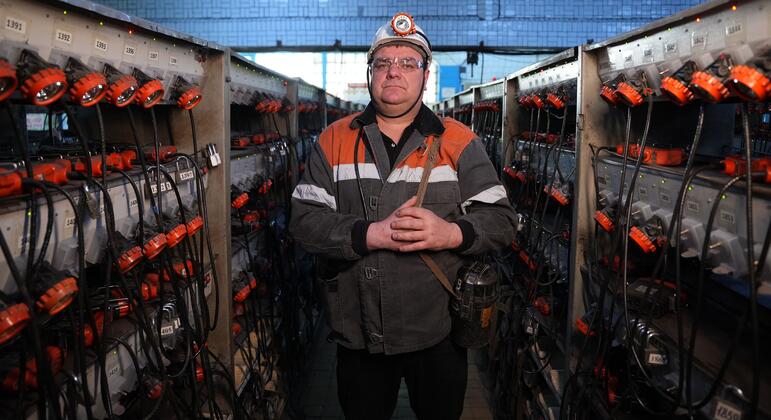
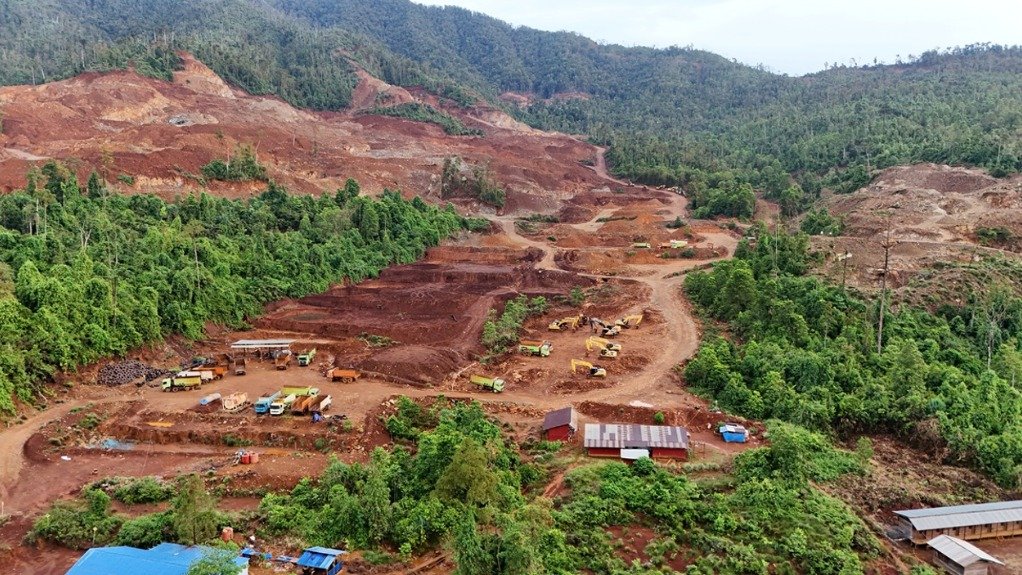
Despite geopolitical upheavals, the shift from a fossil-fuel-based global economy to one driven by clean electrification remains on track. According to the International Energy Agency (an autonomous international agency that is not part of the UN system), lithium demand grew by nearly 30 per cent in 2024, and nickel, cobalt, graphite, and rare earths by 6–8 per cent. The growth of EVs, batteries and renewables is driving a major surge in demand for critical minerals.From the UN Secretary-General to several agencies and entities, the UN system has been issuing guidance, convening meetings and producing reports on the mining and exploitation of these minerals, aimed at making sure that as many people as possible benefit from a cleaner, low carbon global economy.Panel on Critical Energy Transition MineralsIn April 2024, UN Secretary-General António Guterres launched the Panel on Critical Energy Transition Minerals to ensure a just, fair and sustainable transition that fully benefits all countries and communities endowed with these minerals.Later that year, the panel released its first report, which Mr. Guterres described as a “how-to guide to help generate prosperity and equality alongside clean power.” The report identifies ways to ground the renewables revolution in justice and equity so that it spurs sustainable development, respects people, protects the environment and generates prosperity in resource-rich developing countries.UN Guidance for Action on Critical Energy Transition MineralsThe guidance, produced in June 2025, proposes measures to ensure that critical energy transition minerals are extracted and used in ways that advance human rights, environmental protection and equitable development. It is structured around three core principles:Human rights must be central. This means human rights due diligence; impact assessments; free, prior and informed consent; civic‑space protection; and robust grievance mechanisms.The environment and planetary integrity must be assured, with priority given to strong environmental and social impact assessments, biodiversity protection, no‑go zones, decarbonisation, circular‑economy measures, and progressive mine‑site rehabilitation.Justice and equity throughout the system, with an emphasis on meaningful community participation, gender equality, inclusion of Indigenous Peoples, and fair benefit‑sharing.