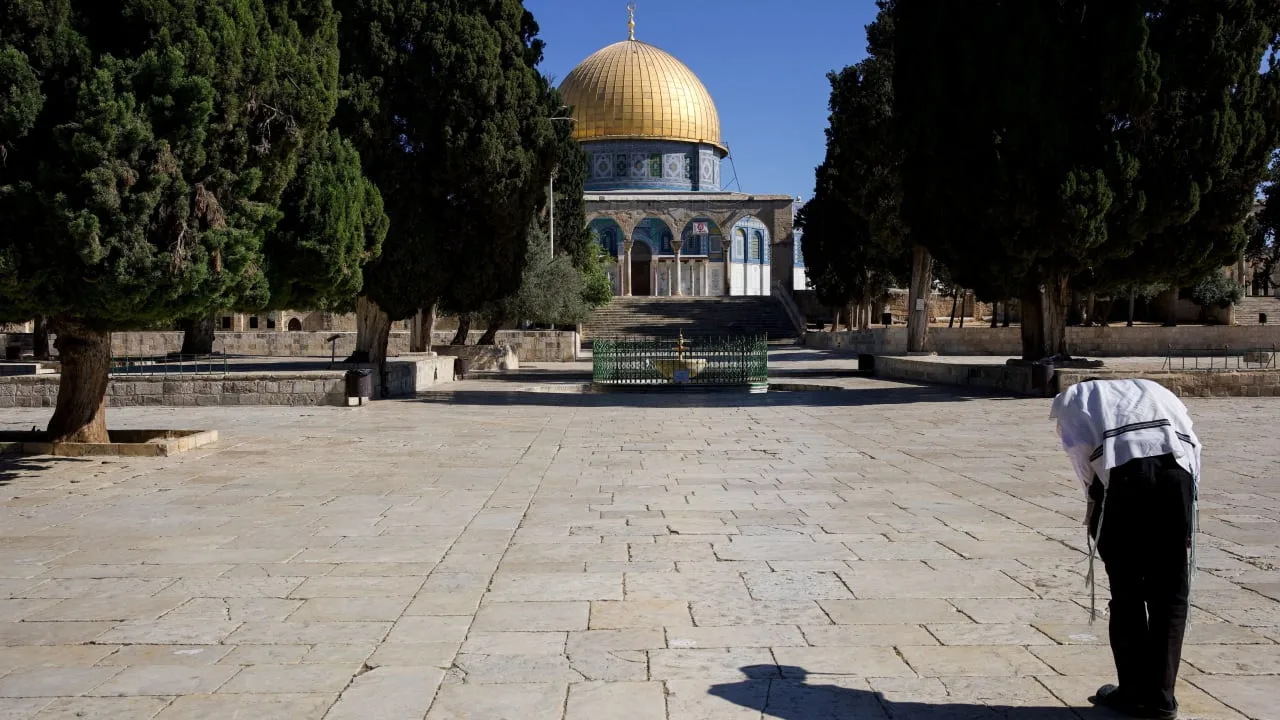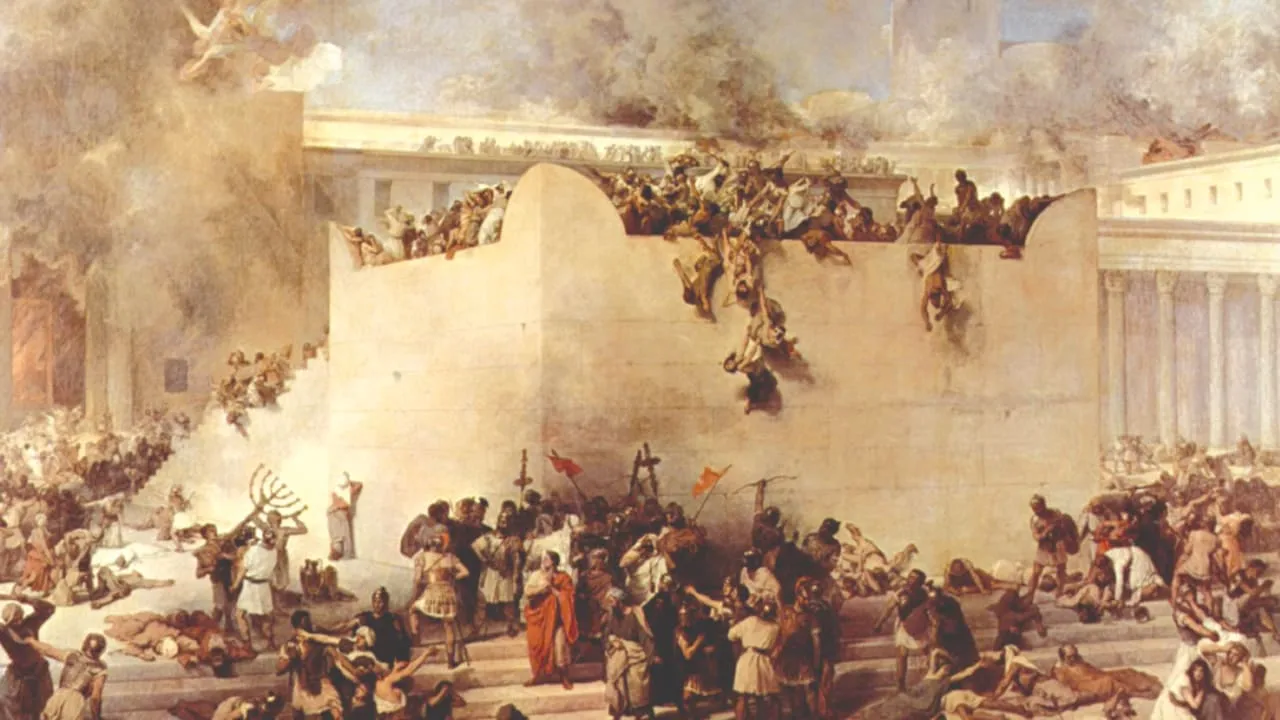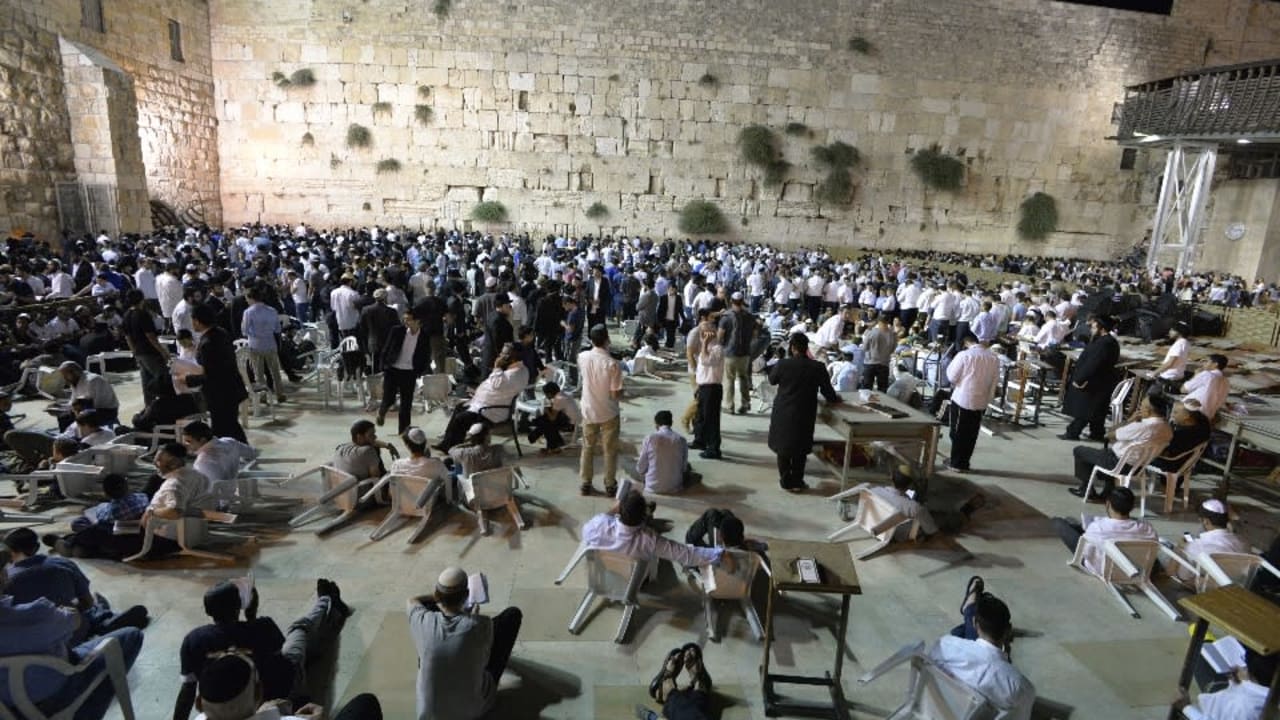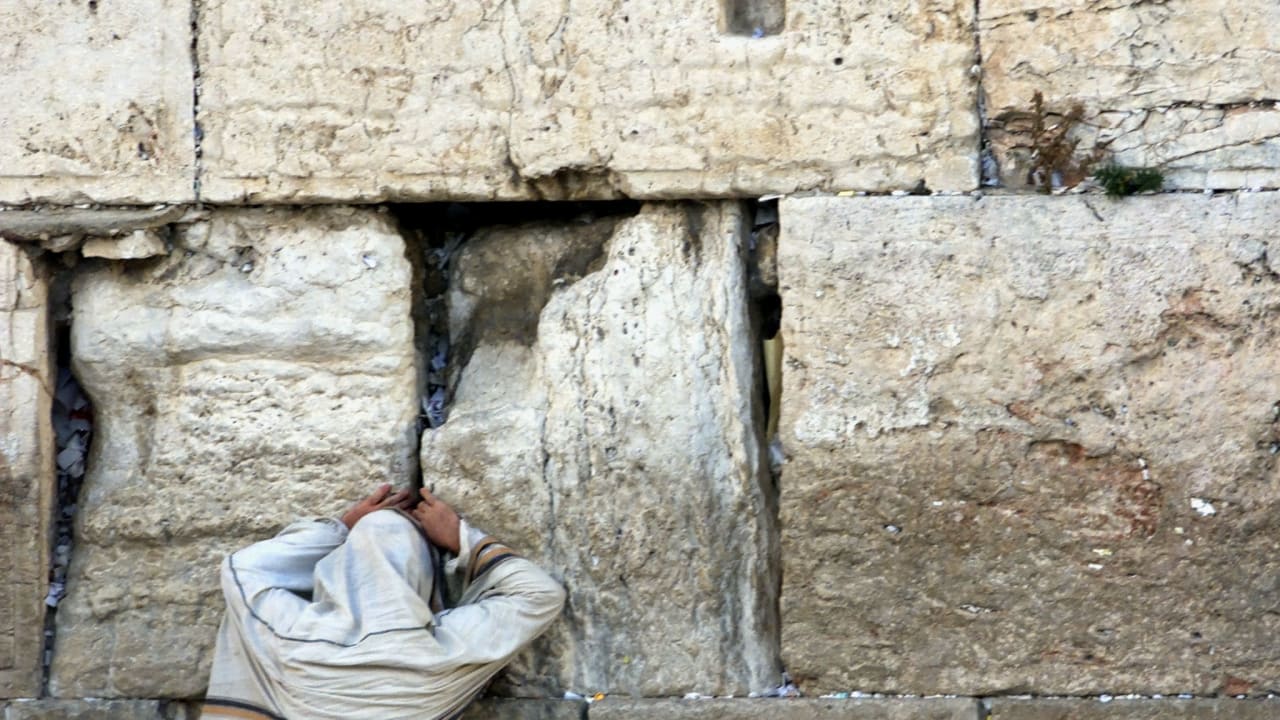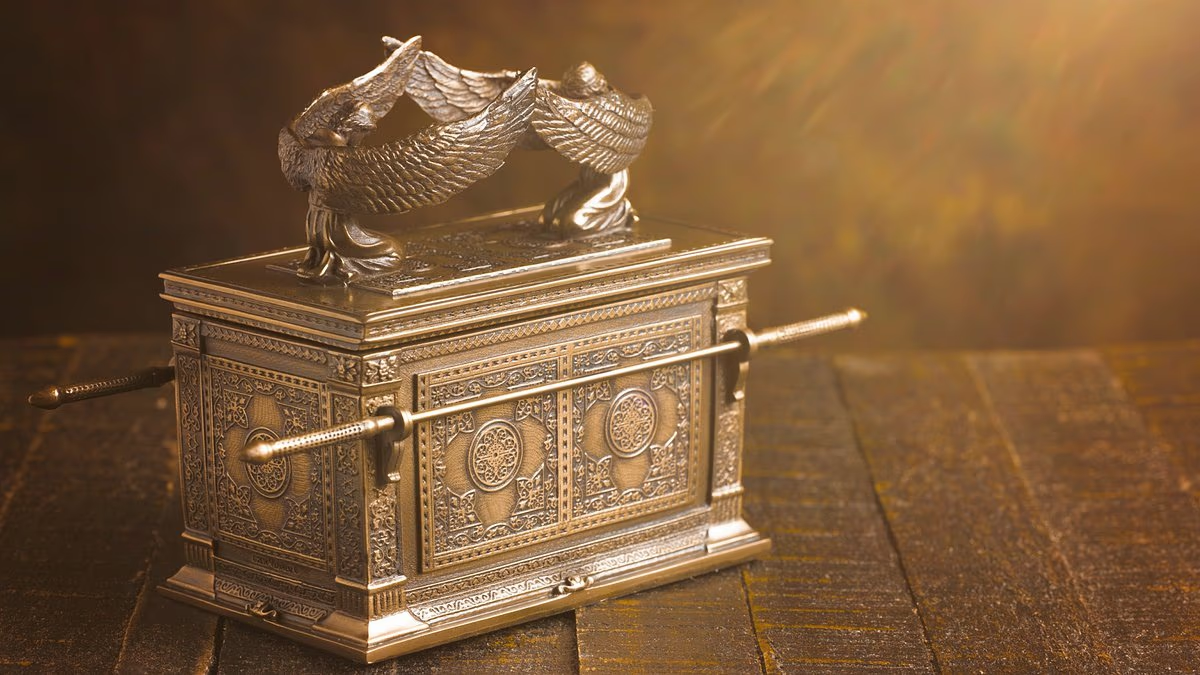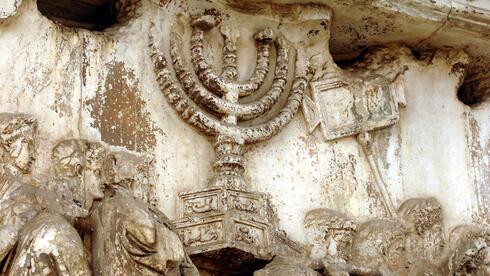
Ancient texts place the Ark beneath the Temple Mount, historical accounts trace the menorah from Jerusalem to Rome, and archaeologists reject claims that the Vatican holds the sacred vessels, leaving one of Judaism’s greatest mysteries unresolvedTisha B’Av marks not only the date on which, according to Jewish tradition, the Temples were destroyed, but also the disappearance of their sacred vessels. The fact that many of these objects were made of gold, sacred to the Jewish people and immensely valuable, has long fired the imagination of writers and filmmakers.The best-known example is Steven Spielberg’s 1981 film Raiders of the Lost Ark, in which Harrison Ford’s adventuring archaeologist Indiana Jones sets out to find the Ark of the Covenant. The television series Warehouse 13, centered on a secret government facility housing historical artifacts with supernatural powers, also refers to the Ark as an exceptionally dangerous object, alongside other relics from the biblical period.Documentary filmmakers have pursued the mystery as well. In The Ark of the Covenant: The Bible’s Origins, director Thierry Ragobert followed excavations led by Prof. Israel Finkelstein at Kiryat Yearim in search of clues to the Ark’s disappearance. The documentary series Secrets of Archaeology explored whether the Temple vessels reached the Vatican, were seized by the Vandals or had been hidden earlier in caves in the Judean Desert.“Some of the Temple vessels disappeared as early as the destruction of the First Temple,” Prof. Eyal Regev, a historian and archaeologist specializing in the Land of Israel during the Second Temple period at Bar-Ilan University, told ynet. In 586 BCE, the Babylonians conquered Jerusalem and burned the Temple. The Book of Jeremiah recounts that they looted its valuables, including the lampstands.What about the Ark of the Covenant?
Where are the Ark of the Covenant and the lost Temple treasures?
Ancient texts place the Ark beneath the Temple Mount, historical accounts trace the menorah from Jerusalem to Rome, and archaeologists reject claims that the Vatican holds the sacred vessels, leaving one of Judaism’s greatest mysteries unresolved
1,859 words~8 min read