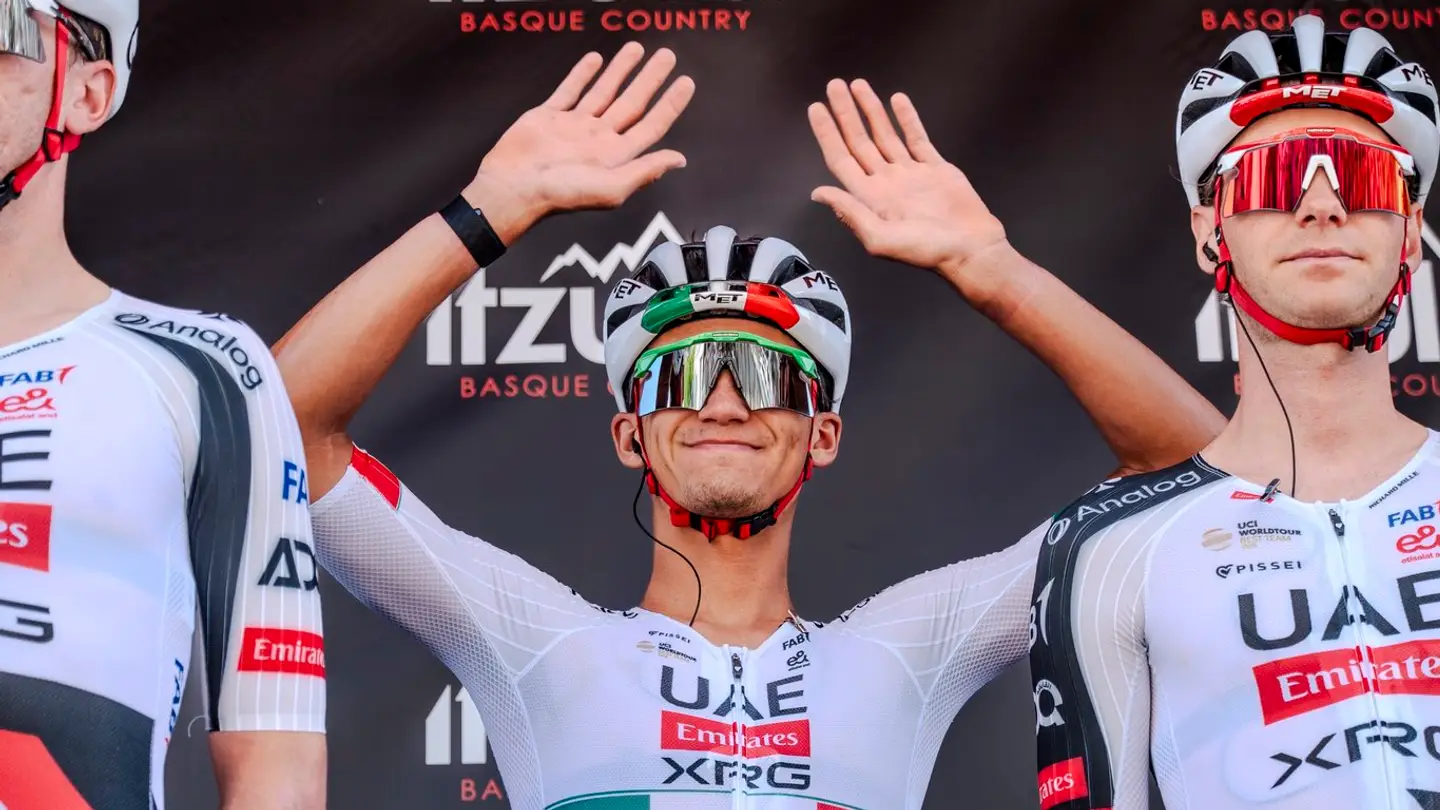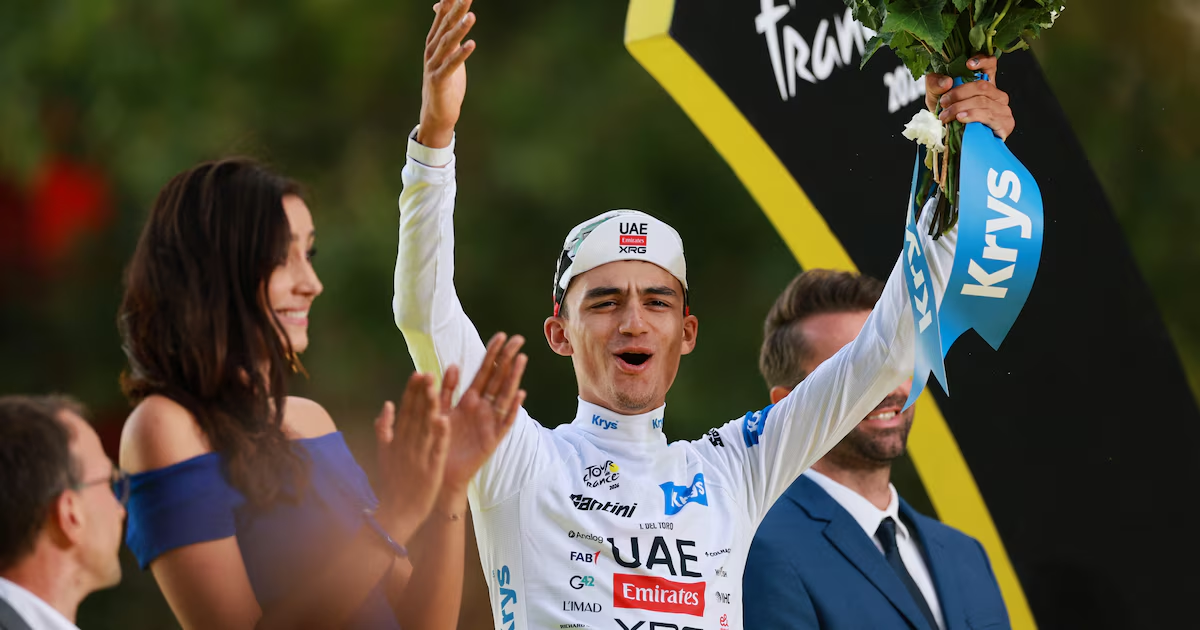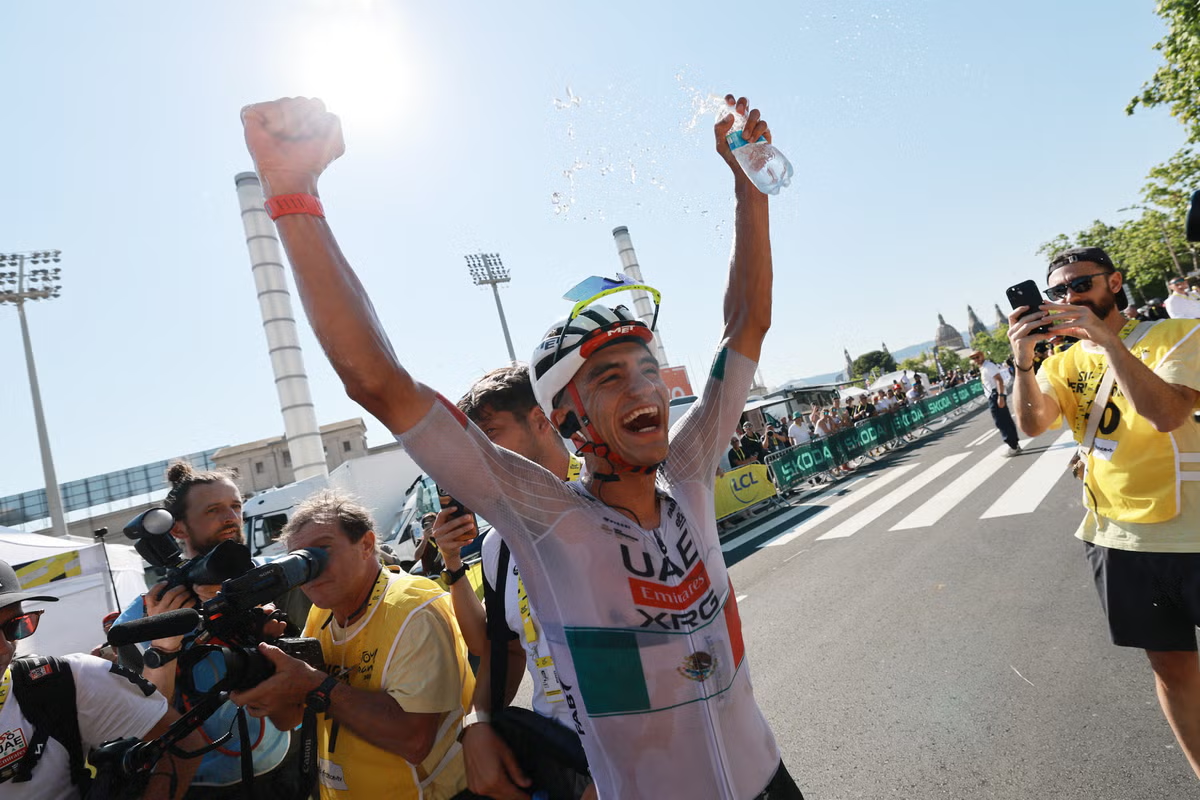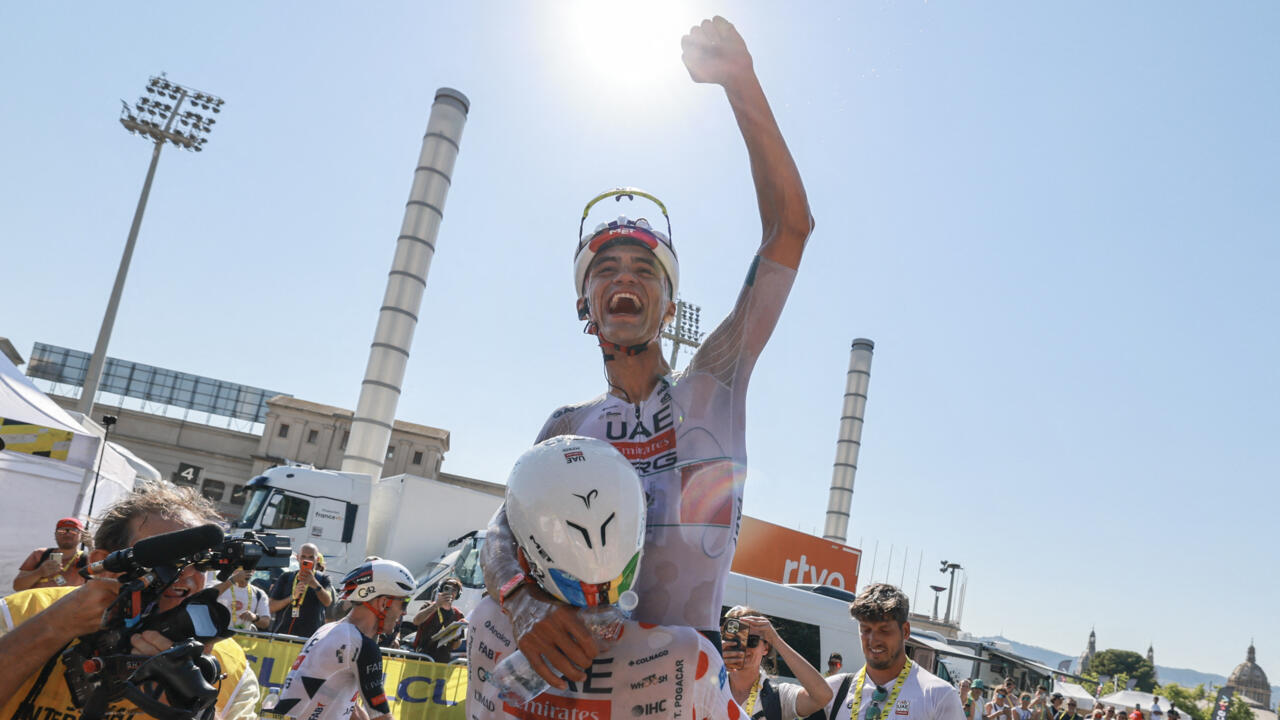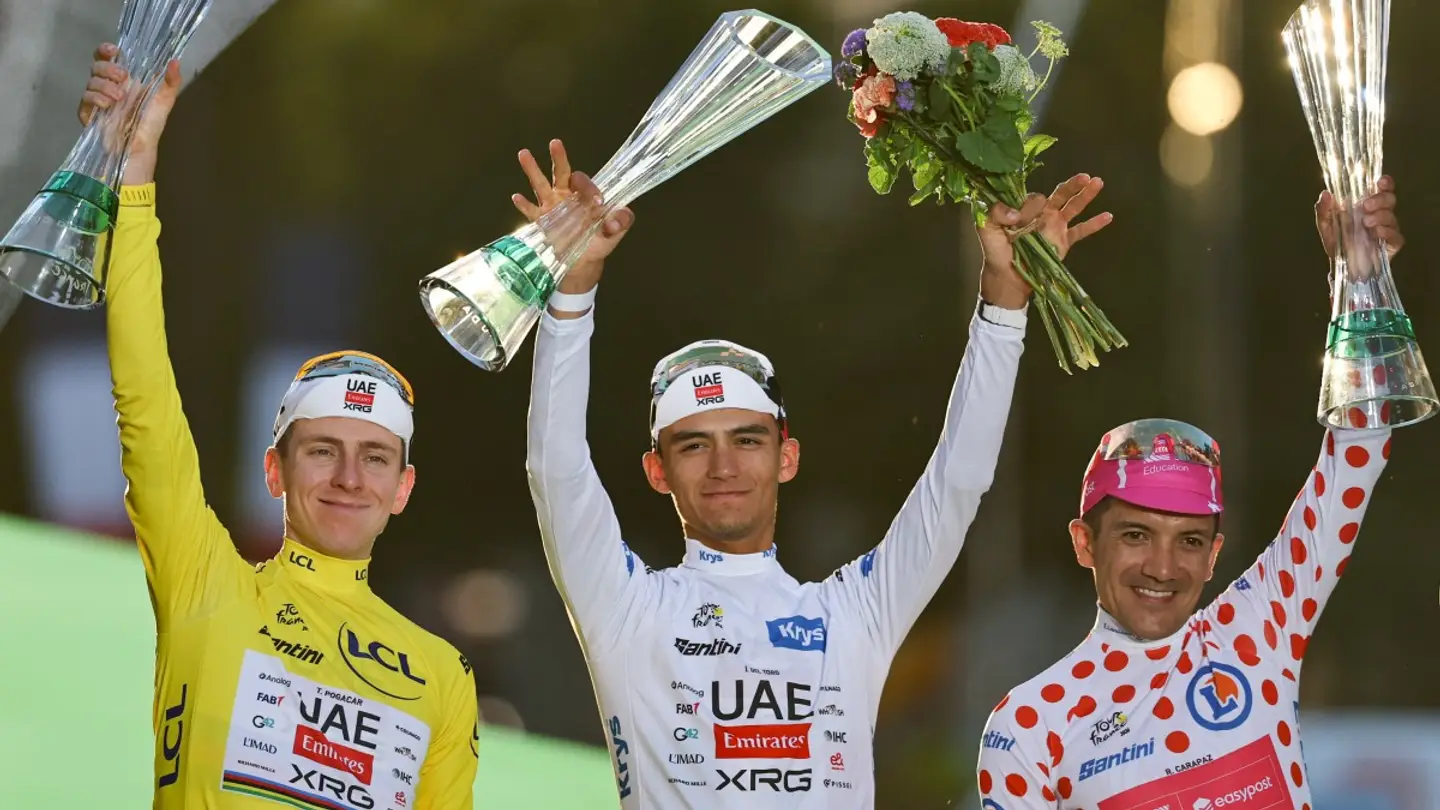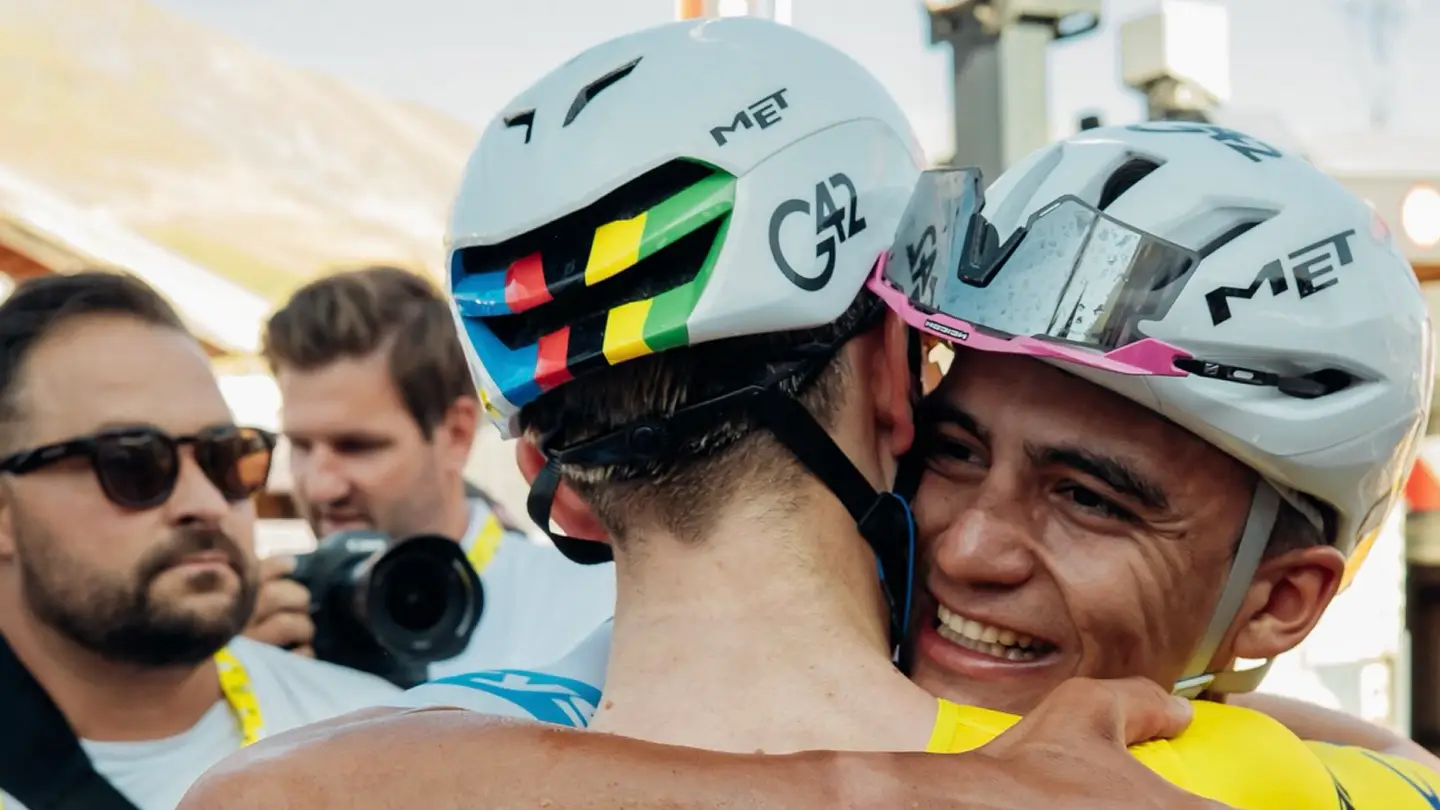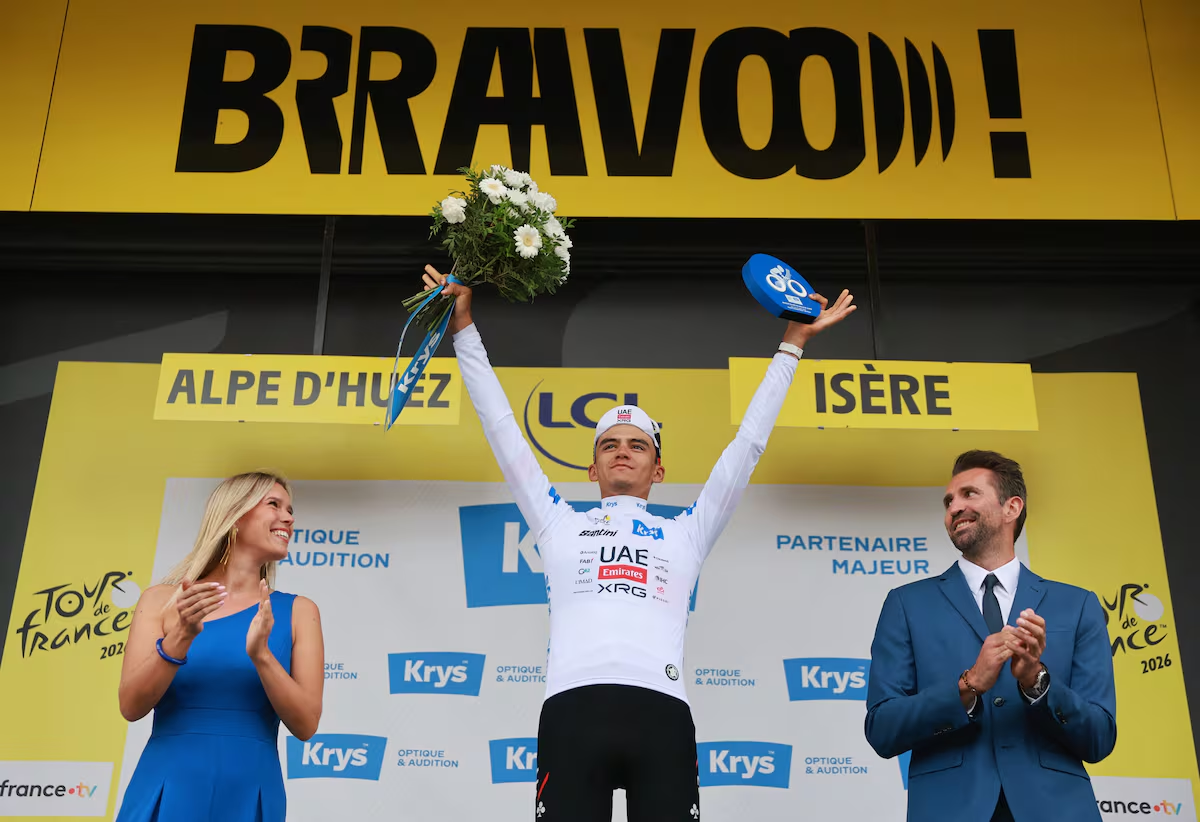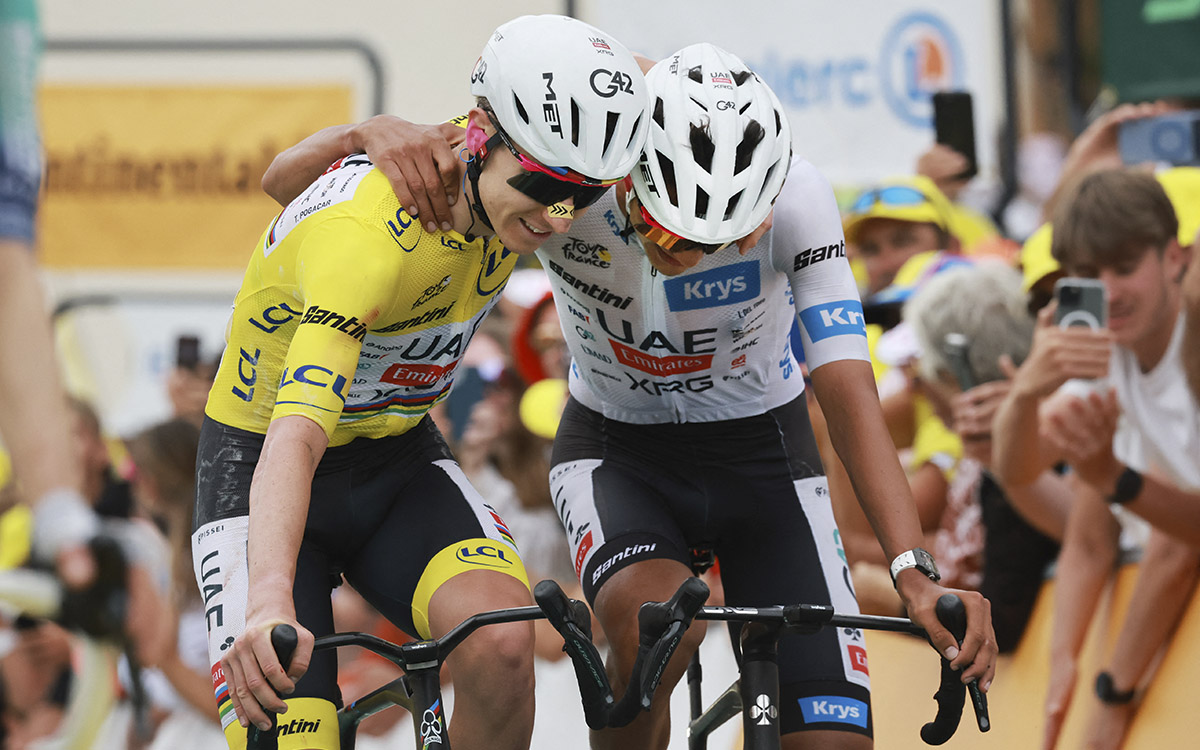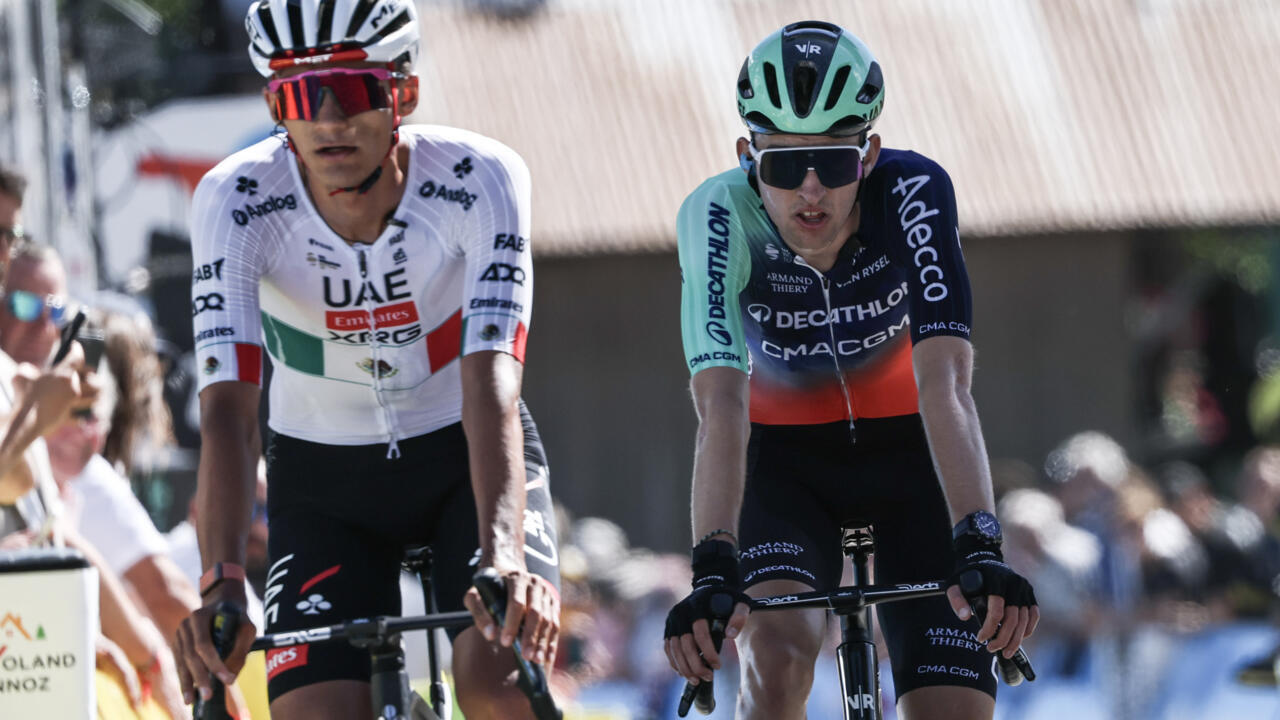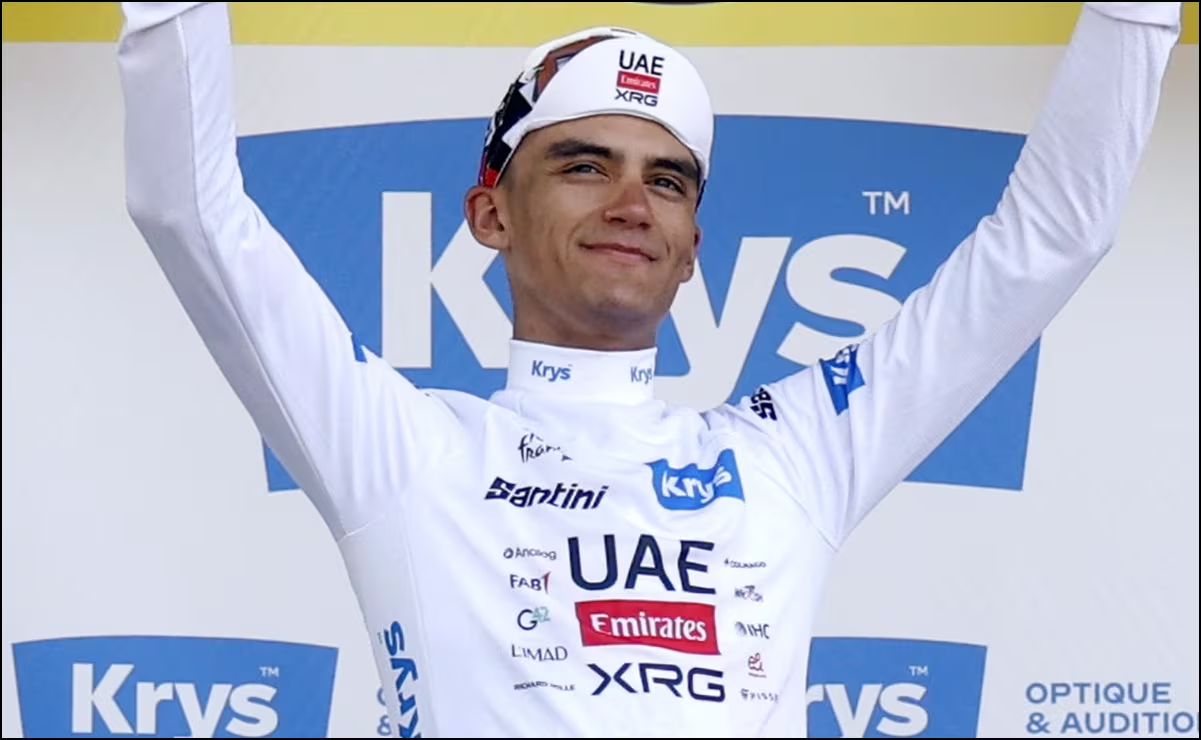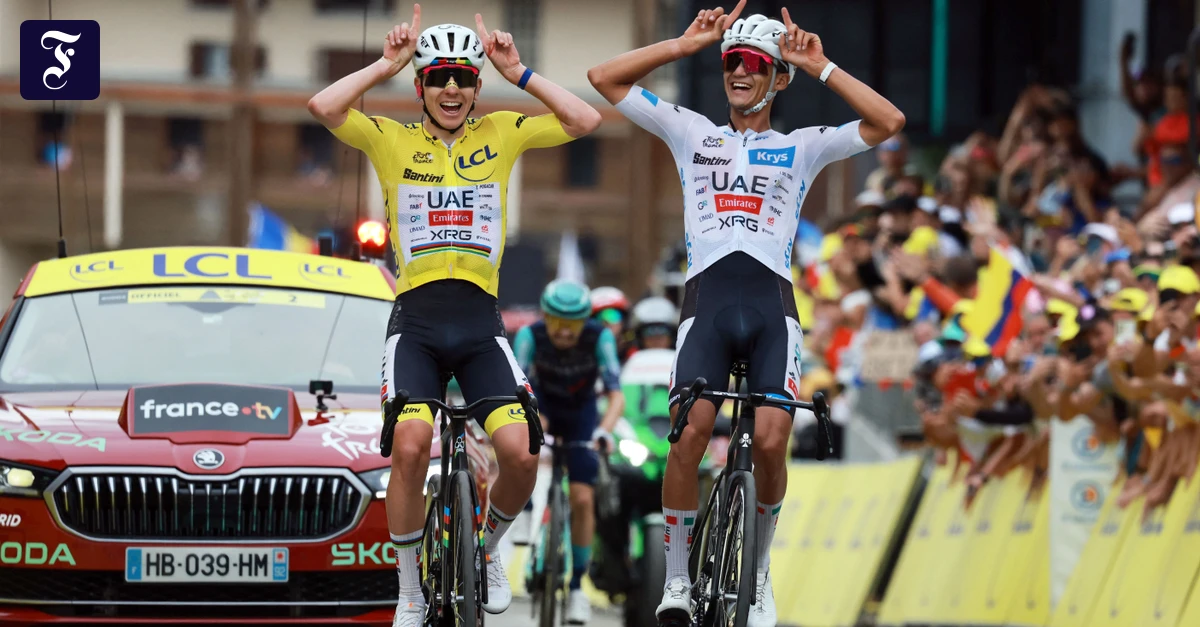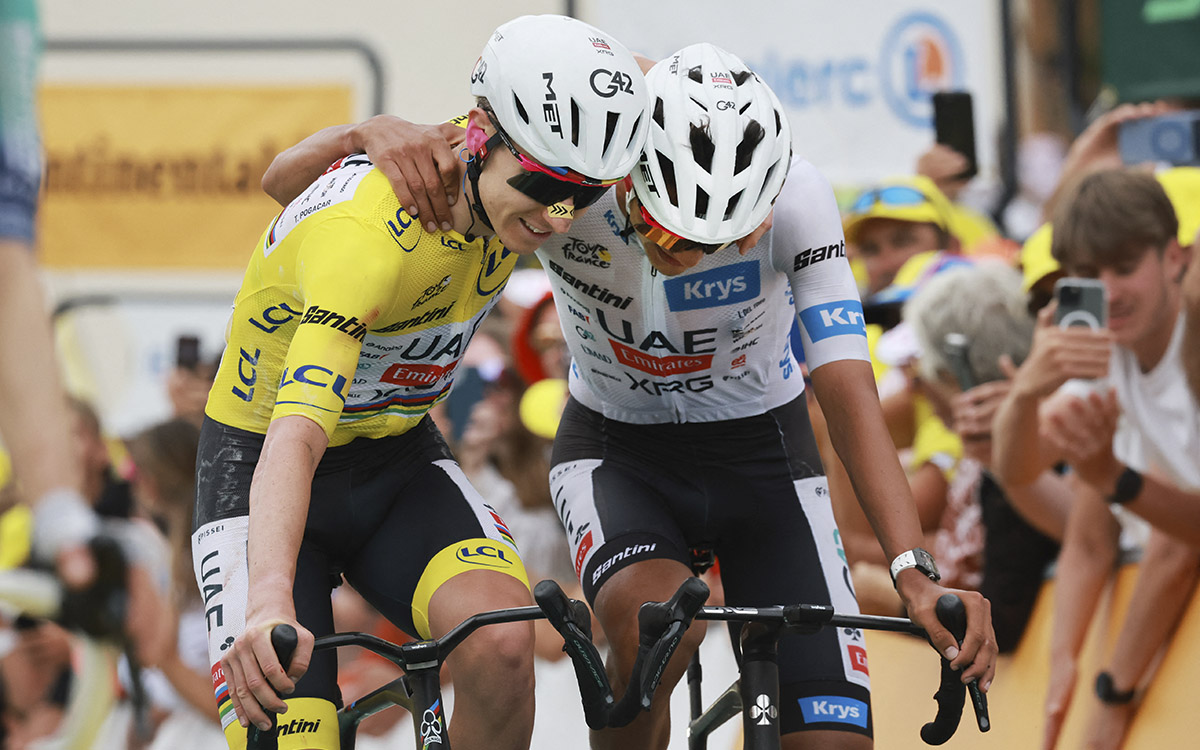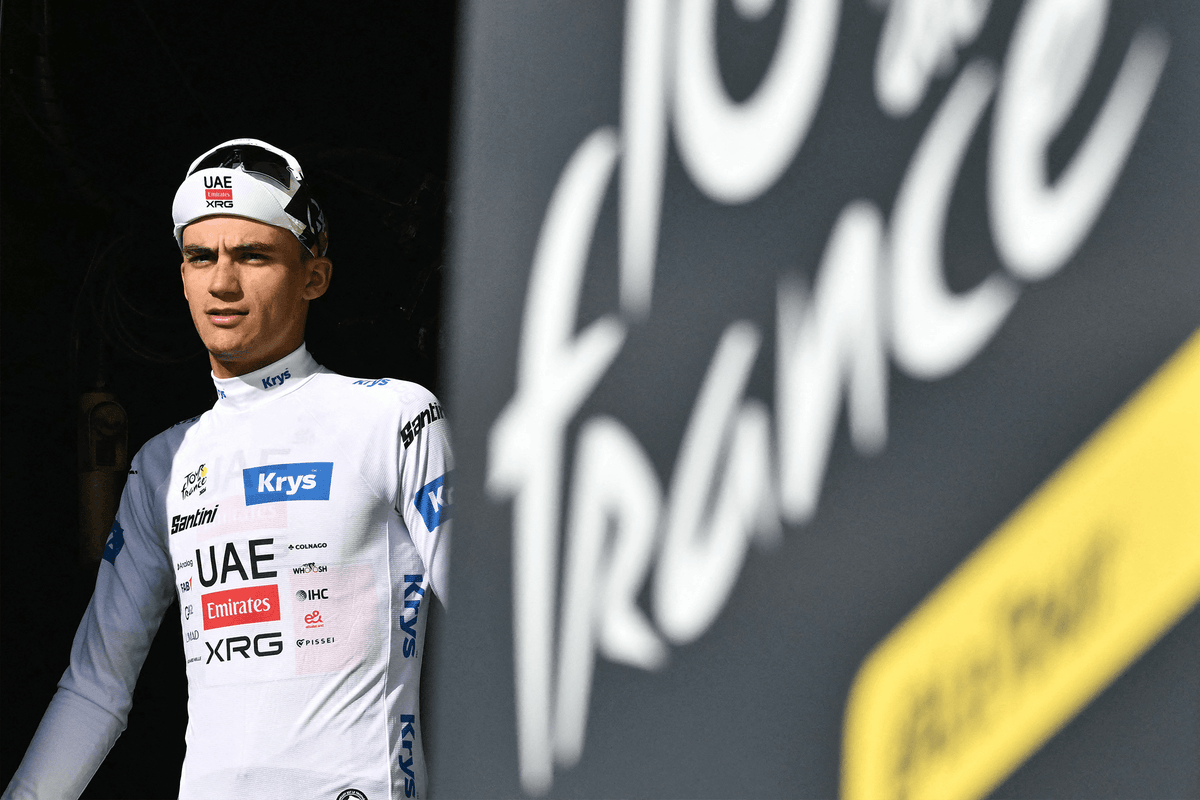
As an 18-year-old, Isaac del Toro crashed in Italy and broke his femur. The Mexican was thousands of miles from home, without a professional team, running out of money — and alone. He spent 16 days in hospital.“I was pretty weak,” he tells The Athletic. “I don’t remember much about the first four days, but I realised that though there were people around, I was on my own. I had plenty of time to decide what to do.”Del Toro gave serious thought to giving up and returning to his family in Ensenada, Baja California — worried the long-term injury would destroy his opportunity to secure a top-level WorldTour contract. But lying, immobile, in bed, only crystallised his decision. Del Toro was going to continue.Three weeks after being released from hospital, Del Toro rode the descent where he crashed again. The aim was to rip off the band-aid, to apply disinfectant to any psychological scars.“Honestly, that ride was one of the strongest feelings I’ve ever had in my life,” he says. “It’s my favourite climb here where I live in Europe, one now that I pass daily. And really, every time I pass, I feel something inside, something that forms the mentality that I want for everything, for my lifestyle, to make me a little bit more tough. It shows how quick life can pass — and how much I need to appreciate every moment.”Less than four years on, Del Toro has the answers that his doubt demanded. The 22-year-old starred at last year’s Giro d’Italia, is the anointed successor to his mentor Tadej Pogačar, and sits third in the Tour de France, on debut, approaching its final four days.From his hospital bed, Del Toro had dreamt of participating in races like this. But midway through his dream, and the day before speaking, on stage 15, Del Toro had crashed again — deliberately this time.The reason? Rival Jonas Vingegaard had crashed in front of him, suffering a broken collarbone which would end his race — with the UAE Team Emirates rider instantaneously deciding to take the fall himself, rather than evading it, to avoid hitting yellow jersey Pogačar.“I’ve had many experiences of this kind of situation in my career,” Del Toro says. “To avoid the crash myself, you need to push a little bit to the guy in front and then see. Most of the time, he (then) crashes, so I decided to let him pass and then just jump and see what happened with me, and hope for luck. In the end, I had it. I just tried to do something good for the team because it was a pretty risky situation.”Holding his back and leg, grimacing, Del Toro remounted his bike — and immediately began the ascent of the hors categorie Plateau de Solaison. Generally, after a crash, the pain really starts to bite after 20 minutes. But this was not about survival. Forty-five minutes later, Del Toro was at the top of the climb — finishing in third, clear of almost all his podium rivals, and alongside Pogačar in the lead group.Pogačar paces Del Toro up the final climb in last Sunday’s stage of the Tour de France (Anne-Christine POUJOULAT / AFP via Getty Images)Over that climb, his UAE teammate appeared to pace his effort in order to keep Del Toro clear of 19-year-old third-place challenger Paul Seixas — it demonstrates the relationship the pair have. Del Toro fell to protect his leader; Pogačar paid back the favour. In a sport that sometimes favours the clinical over the human, especially when young riders with leadership potential joins a team, their friendship is unusual.“Sometimes you just connect with some people,” says Del Toro. “In the beginning, when I talked to Tadej on the first day that I came into the team, I just tried to be as realistic as I could be. Sometimes, you need to say to people what you think, not what they want to listen to. And I think a lot of people think it’s different because he’s an idol.“But I cannot be his fan even if I respect him and love him as a guy. I want to be realistic. If he does a bad joke, I will not laugh, and if he is a super nice guy, I will be right there with him. Be realistic, be friendly, sometimes don’t say what he wants to listen (to), and to be there for him. Most of the time, he is helping me, and it’s something I appreciate.”That honesty goes both ways. Over the past two and a half weeks, on their first Grand Tour together, Pogačar has ribbed Del Toro about his slowness to get ready on the team bus. His younger teammate has a ritual — the order of his shoes and socks, nose-breathing exercises — everything has to be just so.But the greatest mark of their relationship, forged over time spent together on altitude camps, came on stage two, when Pogačar gifted Del Toro a stage win on Montjuic, the pair having outkicked Vingegaard in the final metres. Watching the finish, it is possible to see the realisation dawn on Del Toro in real time.
Meet Isaac del Toro: North American cycling’s new superstar
The Mexican speaks to The Athletic about moving to Europe, turning pro and becoming Tadej Pogačar's trusted lieutenant at the Tour de France
2,949 words~13 min read