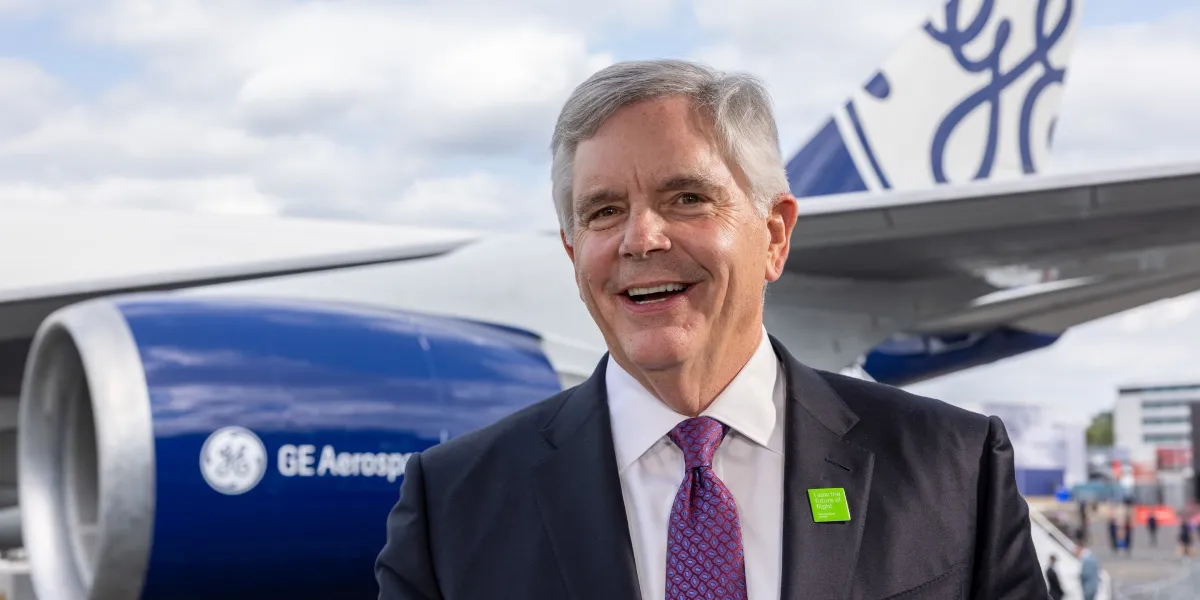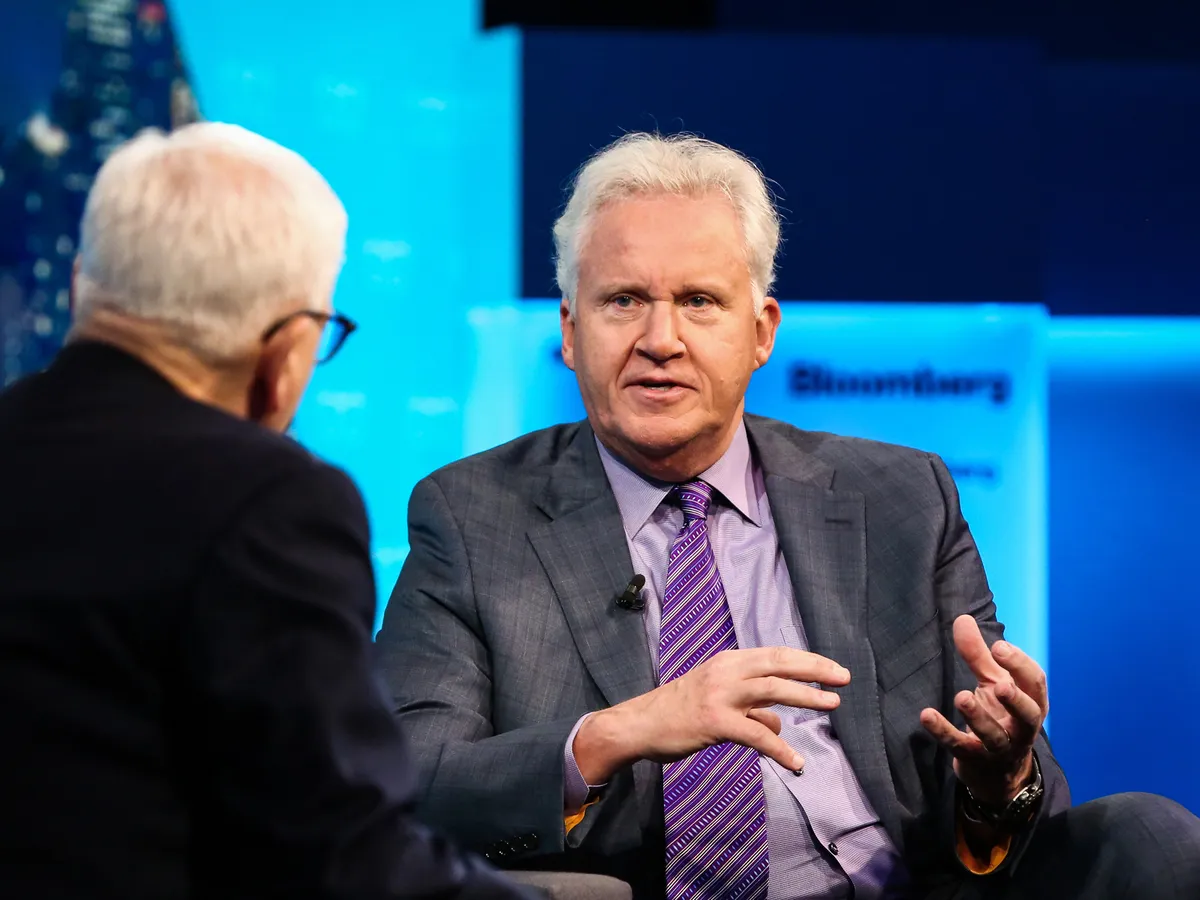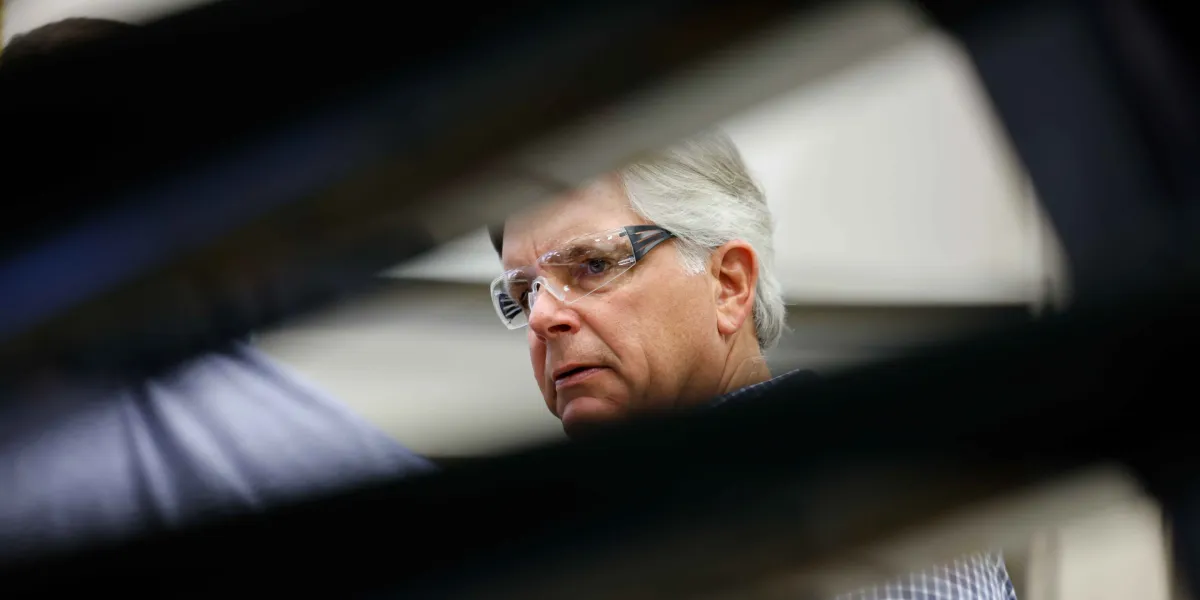
When Larry Culp first saw Plant One in Lynn, Mass., back in 2018, it was, in short, a mess. The burly, six-two Culp, now 63, proudly points to a hulking yellow machine about the size of a TSA baggage scanner that mills the teeth on turbine disks. “The machine was such a disaster when I first saw it,” says Culp. It continually turned out faulty parts that the turbine blades couldn’t fit into. “A lot of people said we should close it,” he recalls of the cavernous complex, nearly three football fields long, that makes engine parts for Black Hawk helicopters and F-16 fighter jets. “It was like something from another age. They said it was old, dirty, that the union was too tough. But it had great bones.”
At the time, the same could be said of GE. When Culp took the helm in 2018, the colossal conglomerate that Jack Welch built into the most valuable and admired enterprise in America teetered on the brink of collapse. The sprawling business model that competitors once envied had become a liability—unwieldy, capital-intensive, and increasingly unable to compete in focused, fast-moving markets. Culp first shrank a crushing debt load and radically retooled operations to remake GE as a durable profit-spinner, then orchestrated a split into three publicly traded players that started via the spinoff of GE HealthCare in early 2023, and culminated in the separation of power franchise GE Vernova and GE Aerospace in April 2024. Culp went from running the whole show to piloting GE’s longtime crown jewel, the jet-engine maker.