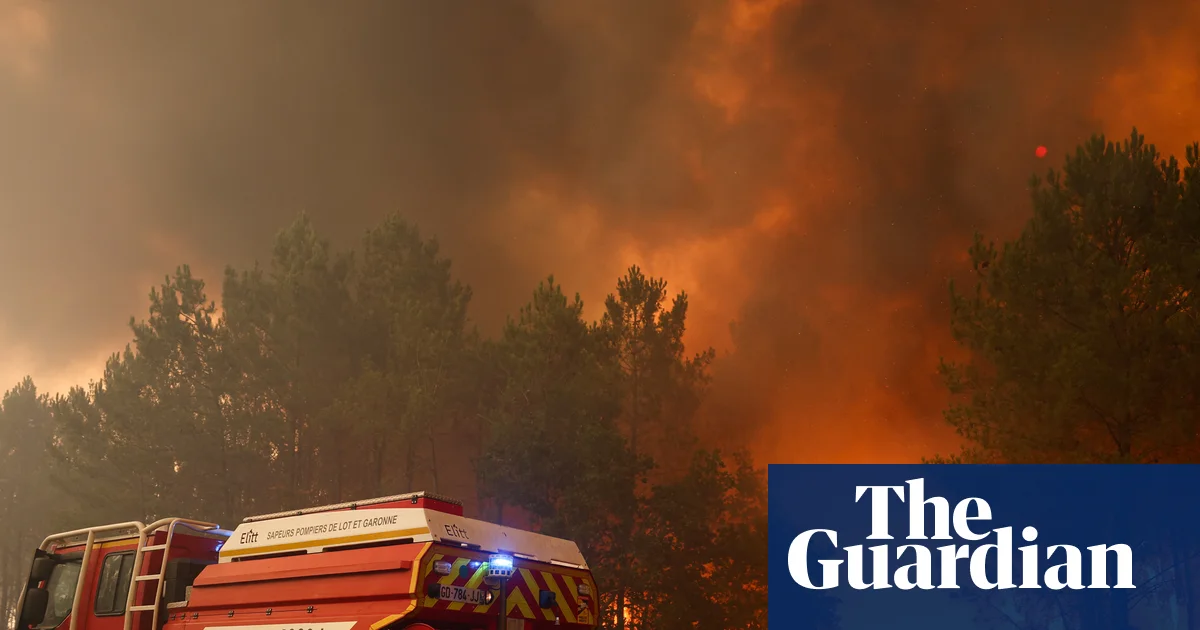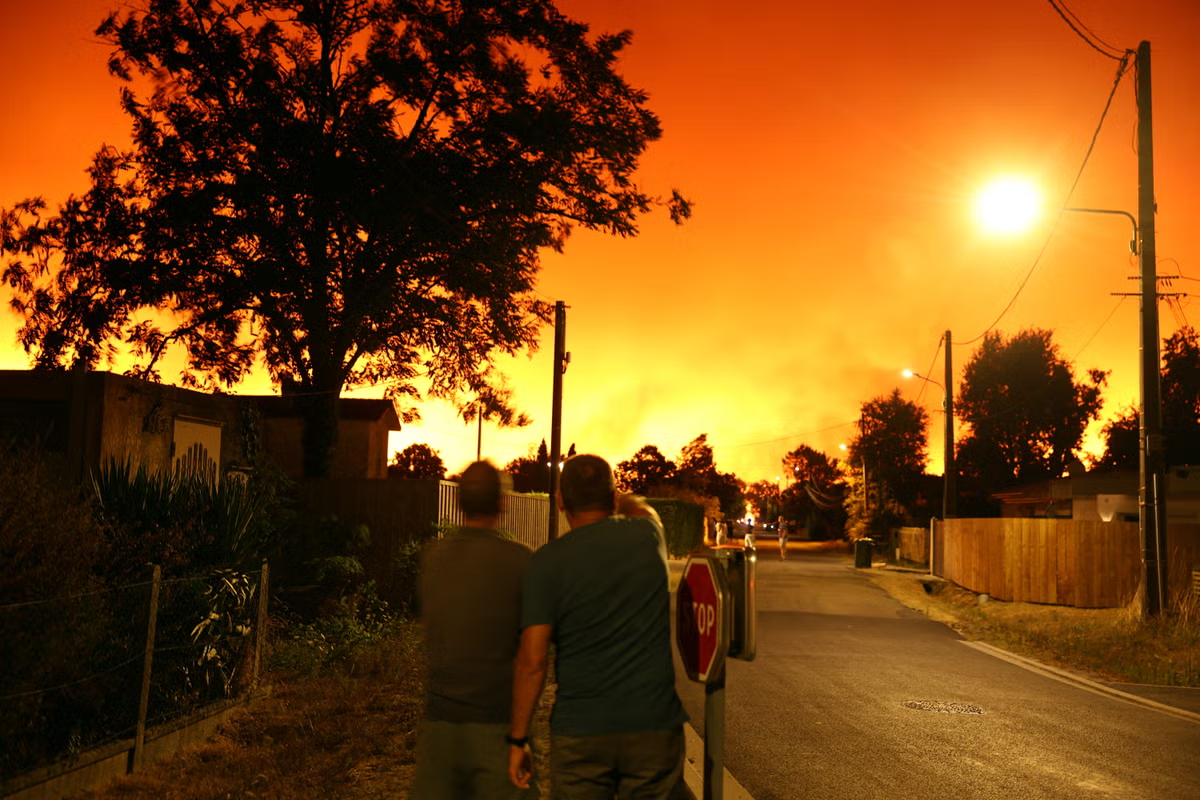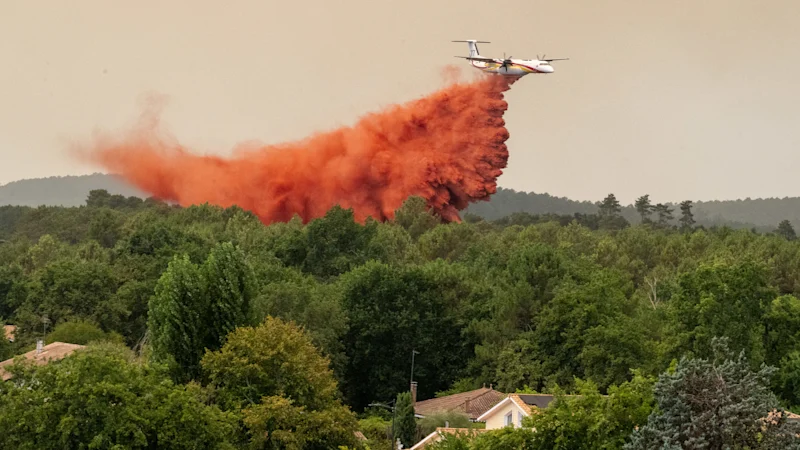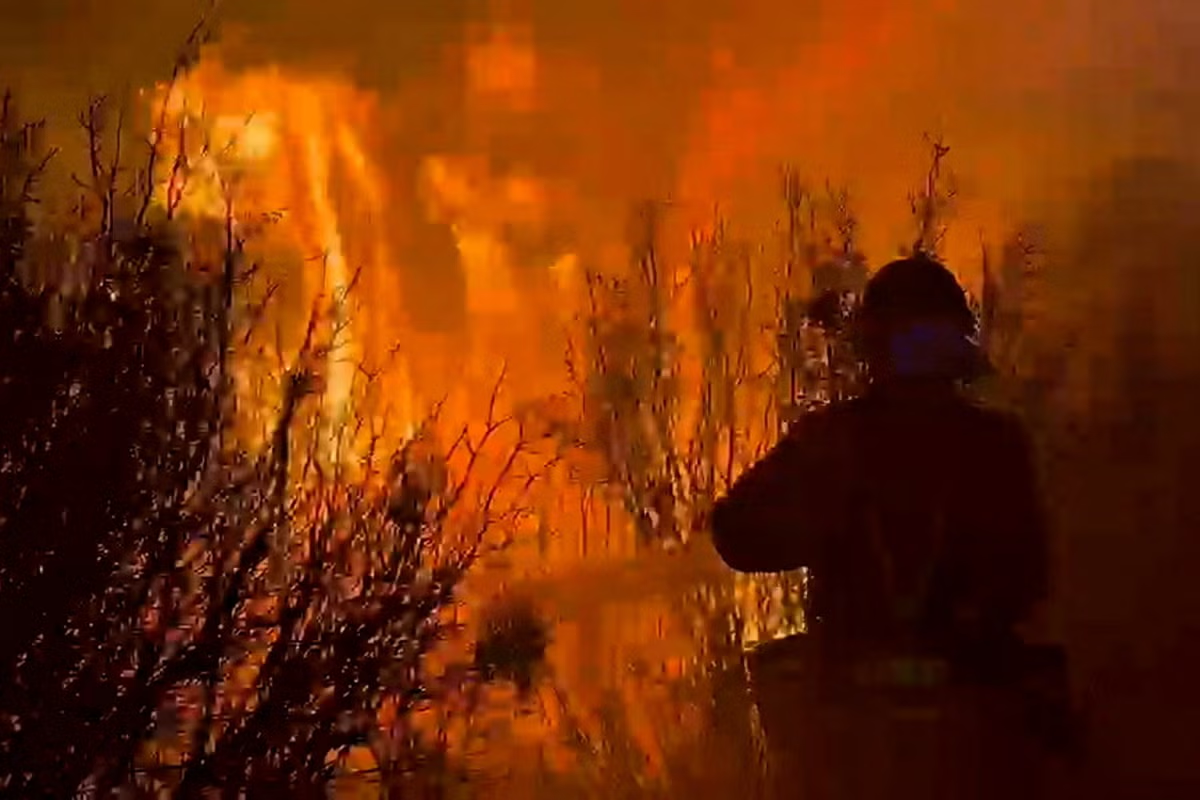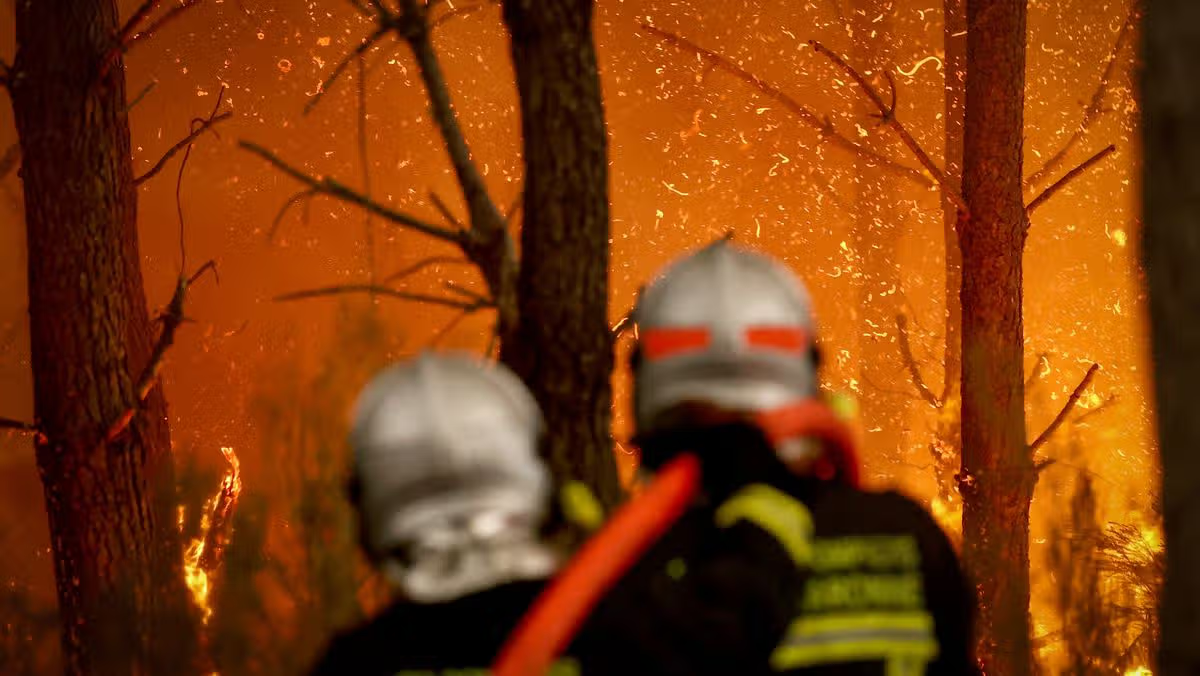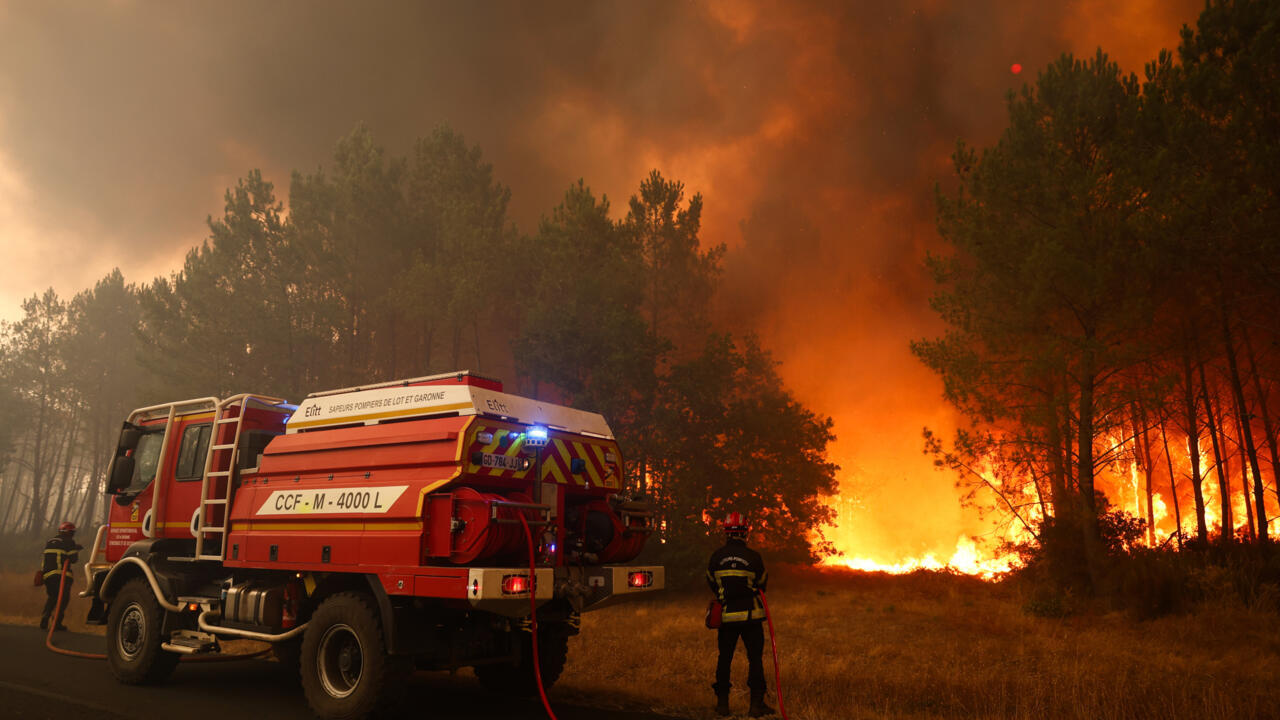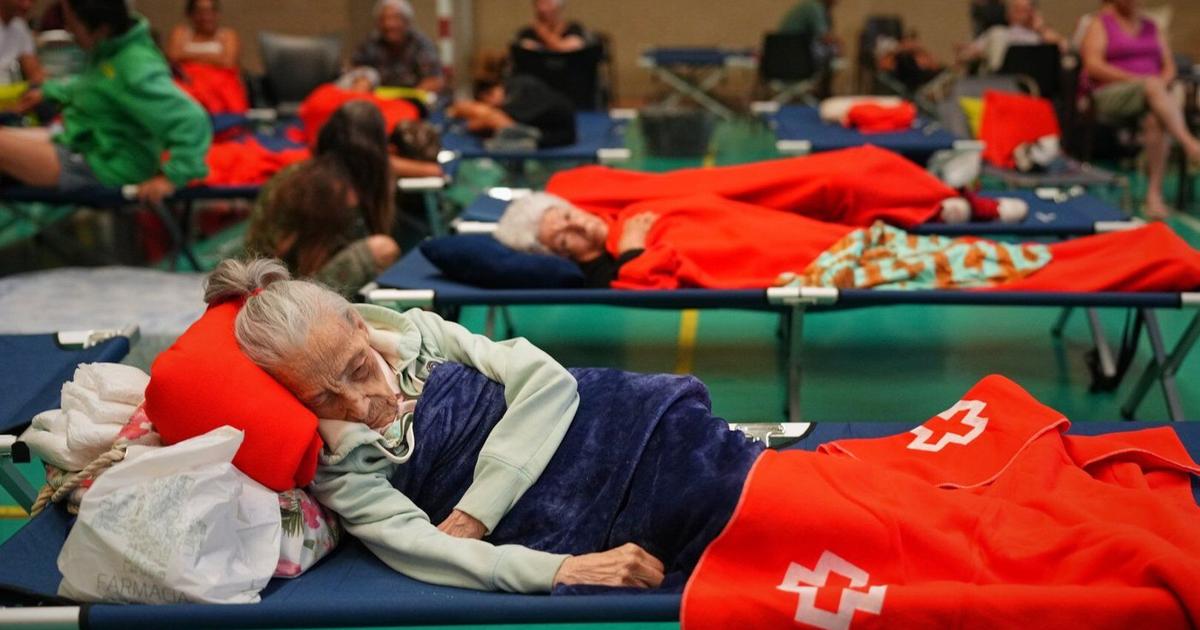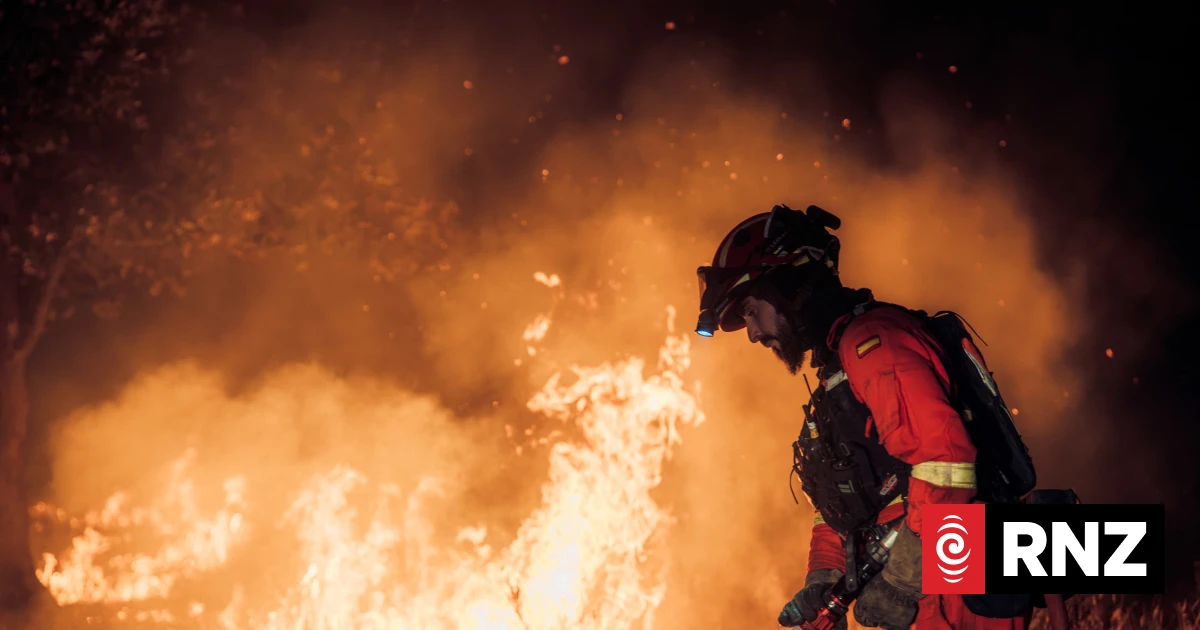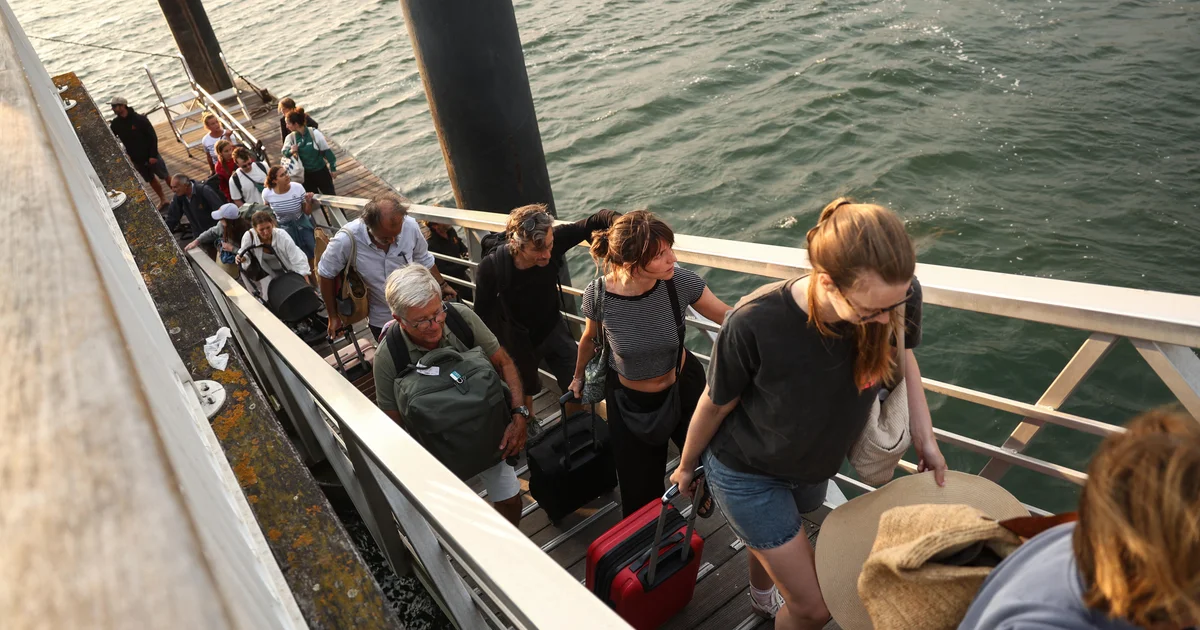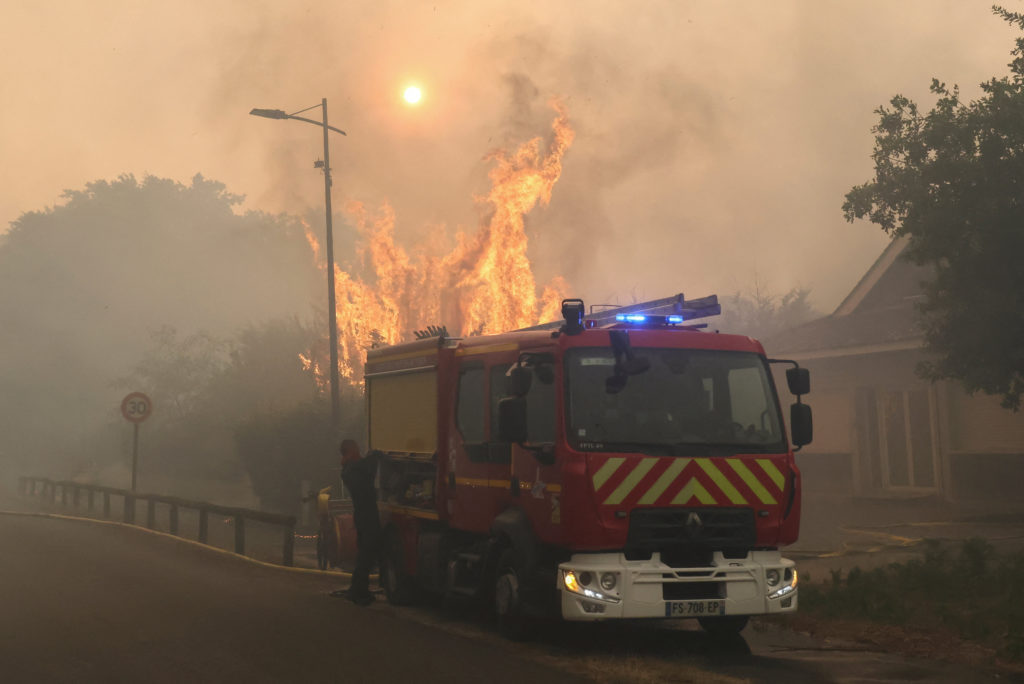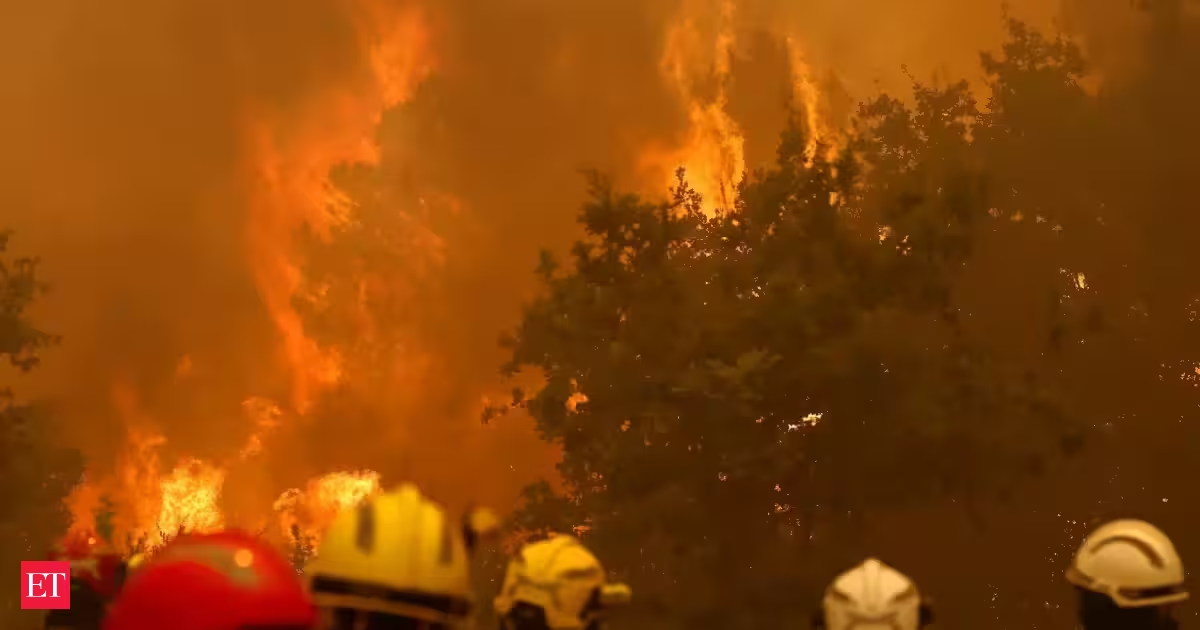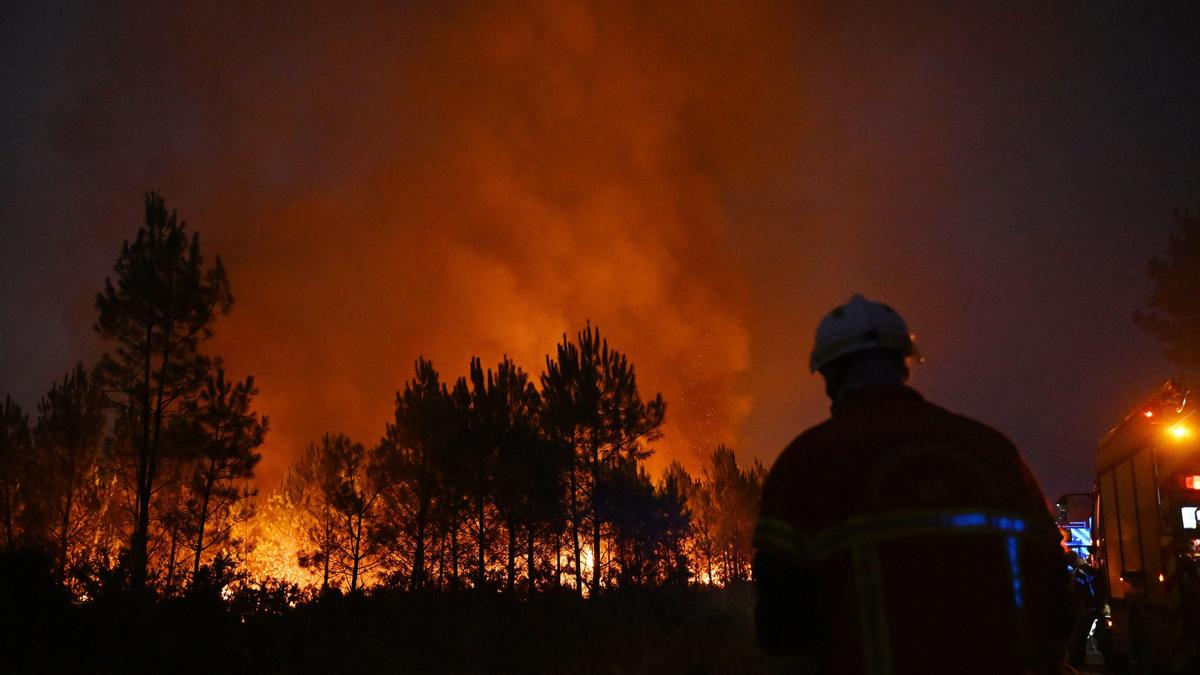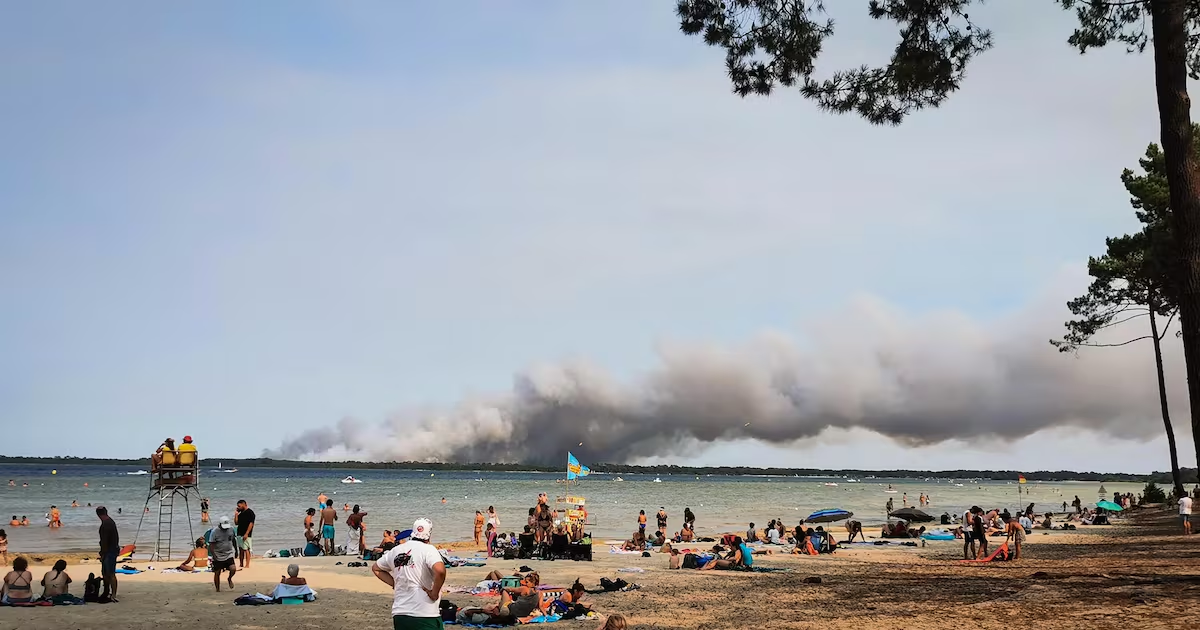
Brutal heat torching southern Europe has forced more than 20,000 people to flee wildfires in France, as a marine heatwave scalds the Mediterranean and researchers warn that “Dantesque” scenarios cannot be ruled out as infernos worsen.A “particularly intense” wildfire on France’s Atlantic coast prompted a series of evacuations, including thousands of tourists from campsites and other holiday accommodation, as firefighters struggled to control the blaze.Extreme highs above 44 degrees were expected in Spain on Thursday, and above 38 degrees on the Italian islands of Sardinia and Sicily. The previous day, the Spanish cities of Albacete, Ávila and Teruel broke their July temperatures records with heat as high as 42 degrees, according to the Spanish meteorological agency, Aemet.A marine heatwave is affecting 80 per cent of the Mediterranean Sea’s surface area, according to the Mediterranean Monitoring System. Daily temperatures on Tuesday had reached “extreme” levels in several parts, with some anomalies 5 degrees hotter than the average from 1991-2020.The severity of fires in the European Union has broken records for this time of year, data from the European Forest Fire Information System showed on Wednesday, and about twice as much land had burned by July 22nd as the average for that date over the last two decades. France has broken records for the area burned, and both it and Spain have broken records for the number of fires.An aircraft drops fire retardant near Cotignac, southeastern France on Thursday. Photograph: Thibaud Moritz/AFP/Getty The blaze in France, which began in dense pine forest near the village of Saumos about 40km west of Bordeaux and just north of Arcachon Bay, a popular tourist destination, had burned more than 3,400 hectares in less than 24 hours, firefighters said on Thursday.No casualties had been reported and only one home was destroyed so far, they said, but the Gironde prefecture said that while 700 firefighters and four waterbombing planes were battling to bring the fire under control, the situation “remains unfavourable” and the blaze was not yet stabilised.[ The Irish Times view on Europe’s wildfires: the price of climate changeOpens in new window ]France has endured three almost back-to-back heatwaves since May as climate breakdown leads to more frequent and intense extreme-weather events, causing thousands of excess deaths, the evaporation of moisture from soils and waterways and fuelling wildfires.Patrick Martineau (69), who was evacuated from the village of Le Porge, told Agence France-Presse that police had “come banging on the doors … It’s scary – hard to take in. When we bought a home here, we never thought there’d be a fire risk.”Nine local municipalities have opened reception centres for evacuees and were sheltering more than 2,500 people, the prefecture said. About 8,800 people were evacuated at midday on Thursday, after 2,000 were evacuated in the morning and 10,000 overnight.Police have opened an investigation into the causes of the wildfire, which the mayor of Le Porge, Martial Zaninetti, said on Wednesday appeared to have been started by a machine that was clearing undergrowth.France’s interior minister, Laurent Nunez, has said more than 12,500 wildfires had broken out since the beginning of the year.In Spain, most of the people evacuated on Wednesday evening due to a fire 70km southwest of Madrid were also allowed to return home. A fire that has burned 32,000 hectares in the province of Guadalajara, north of the capital, was also described as stable.The effects of a wildfire near the town of Albendiego, Guadalajara province, northeast of Madrid, Spain. Photograph: Pierre-Philippe Marcou/AFP/Getty Spanish wildfire scientists said they were not surprised by the extreme figures, as the abandonment of rural land has resulted in more overgrown vegetation and the rise in temperatures from climate breakdown has made it easier for such plant matter to dry out and burn.“Although it’s difficult to predict how far things might go, we will soon be unable to rule out Dantesque scenarios like those seen in California or Australia, with fires or fire complexes reaching hundreds of thousands of hectares or even a million hectares,” said Víctor Resco de Dios, professor of forestry engineering and global change at the University of Lleida.The marine heatwave in the Mediterranean is projected to shrink but stay strong from Sardinia to Greece, according to a forecast for Saturday from Mercator Ocean. From Gibraltar to the Balearic Islands, strong heat is expected to drop to moderate levels, despite intensifying locally in the Alboran Sea. – Guardian
Thousands of tourists among those evacuated amid intense wildfires in France
Hundreds of firefighters battle to control blaze near tourist hotspot at bay of Arcachon
730 words~3 min read