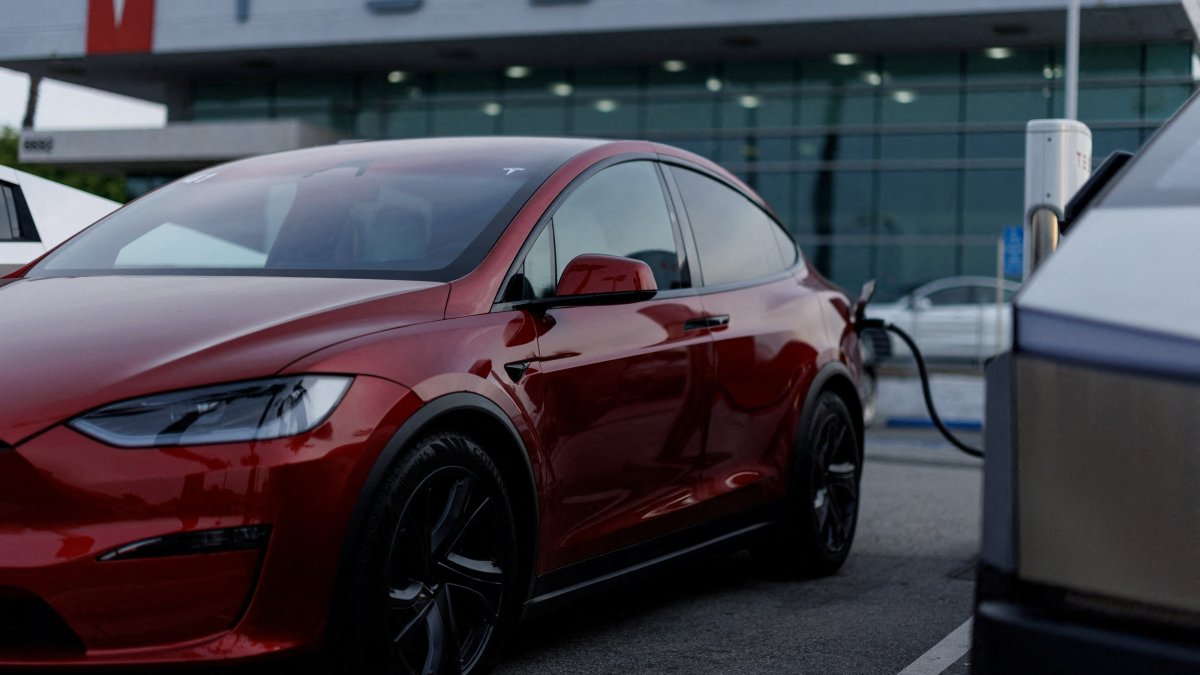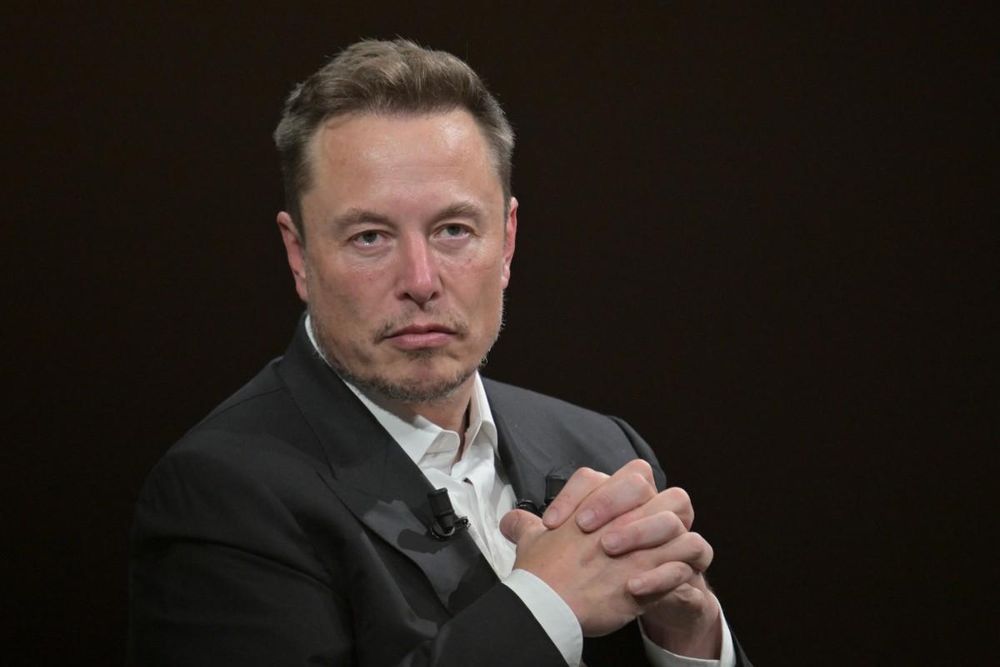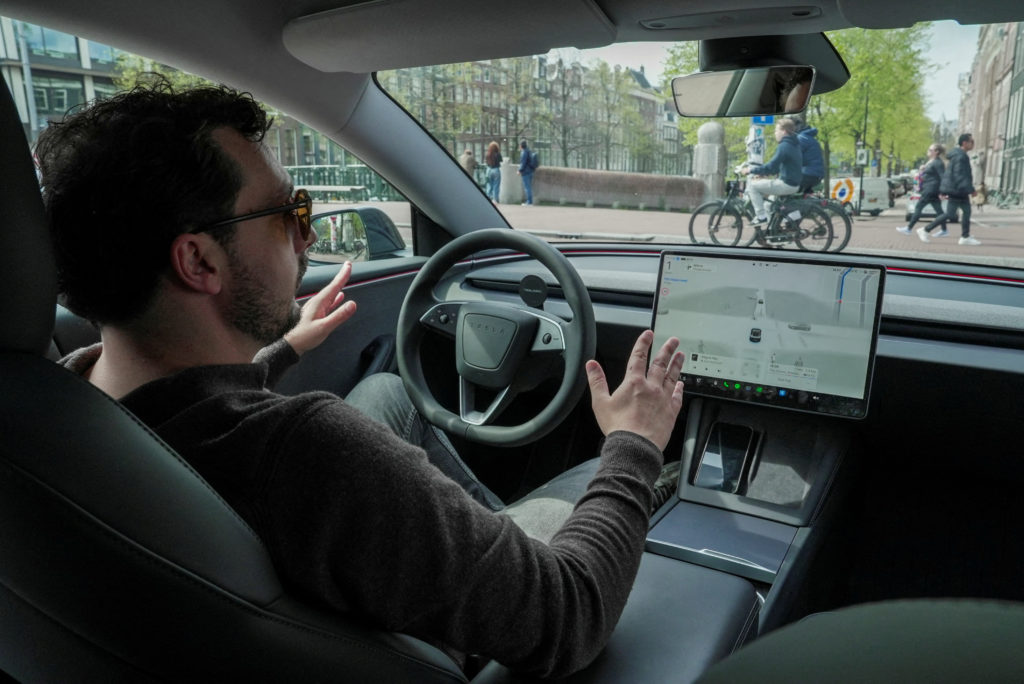
Tesla’s profits dropped unexpectedly in the second quarter as Elon Musk’s carmaker offered discounts to boost electric vehicle sales and income from its sale of regulatory credits to rivals dried up.The Texas-based group on Wednesday reported adjusted net income dropped 17 per cent from the year before to $1.2 billion (€1 billion) in the three months to June, far below Wall Street expectations of $1.9 billion.The surprise decline in profits came despite delivering a record 480,126 vehicles in the quarter, which drove revenue up 26 per cent to a better than expected $28.2 billion. Its shares fell 4 per cent in after-hours trading.The earnings highlighted how Tesla has used discounts to lure back buyers after suffering a big drop in sales last year, when Musk’s high-profile role in slashing US government spending in Donald Trump’s administration alienated consumers.Tom Narayan, an analyst at RBC Capital Markets, said lower prices appeared to have driven “much of the strong deliveries in the quarter”, given shrinking margins in Tesla’s car business.Automotive margins, excluding the regulatory credits, were 16.3 per cent, lower than analysts’ expectations of 18.7 per cent compiled by Visible Alpha. The company’s overall operating margin dropped to 1.4 per cent from 4.1 per cent a year ago.The sales rebound has been strongest in Europe, where high petrol prices have also helped push some consumers towards EVs.In the US, Tesla has suffered after the Trump administration slashed a $7,500 tax credit for EVs and dismantled rules to incentivise the production of electric vehicles. Income from selling regulatory credits to rivals to offset their emissions dropped to $146 million from $439 million a year ago.Facing difficulties in the car business that still accounts for more than 70 per cent of Tesla’s revenue, Musk has accelerated the group’s pivot from EVs to autonomous taxis and AI-powered humanoid robots.The company has more than doubled its capital spending compared with the same period last year to fund the push into AI and robotics. That outlay contributed to its first quarterly cash burn in two years, with negative free cash flow of $1.1 billion.Musk told investors on Wednesday that the company remained on course to invest more than $25 billion over the course of 2026, nearly triple the $8.5 billion it spent last year.The world’s richest person described his investment drive as “probably the fastest industrial scale-up [by a company in America] since World War Two”.Musk has also cited the more than $725 billion that Big Tech companies plan to spend on AI infrastructure this year to justify Tesla’s strategy. Its capital expenditure rose 142 per cent from a year ago to $5.79 billion in the quarter.Net income based on GAAP (generally accepted accounting principles), which includes stock-based compensation and swings in Tesla’s investments in crypto and SpaceX, was $1.1 billion, 5 per cent lower than the same period last year.Vaibhav Taneja, chief financial officer of Tesla, said capital spending “will grow for the next two or three years”. He added that in addition to using its own cash, it had secured debt facilities allowing it to borrow up to $30 billion to “help accelerate such investments”.Tesla has increased spending as it breaks ground on a semiconductor research facility that is part of its Terafab joint venture with SpaceX, and invests in advanced chips and power grid infrastructure for the Cortex 2 supercomputer cluster.The company also began production of its fully autonomous Cybercab EV in February this year, while also slowly rolling out its robotaxi service in Texas and Florida. Musk has said the robotaxi unit will not contribute meaningful revenue until next year at the earliest. – Copyright The Financial Times Limited 2026
Tesla’s profits plunge as Elon Musk’s carmaker uses discounts to boost sales
Capital expenditures more than doubled as company accelerates pivot to AI and robots
TL;DRAI
Tesla Q2 net income dropped 17% to $1.2B amid EV price wars and vanishing regulatory credits. Capex surge to $25B in 2026 signals a structural shift toward robotaxi and humanoid robots—Tesla is betting AI-infrastructure scale over traditional EV profitability.
606 words~3 min read