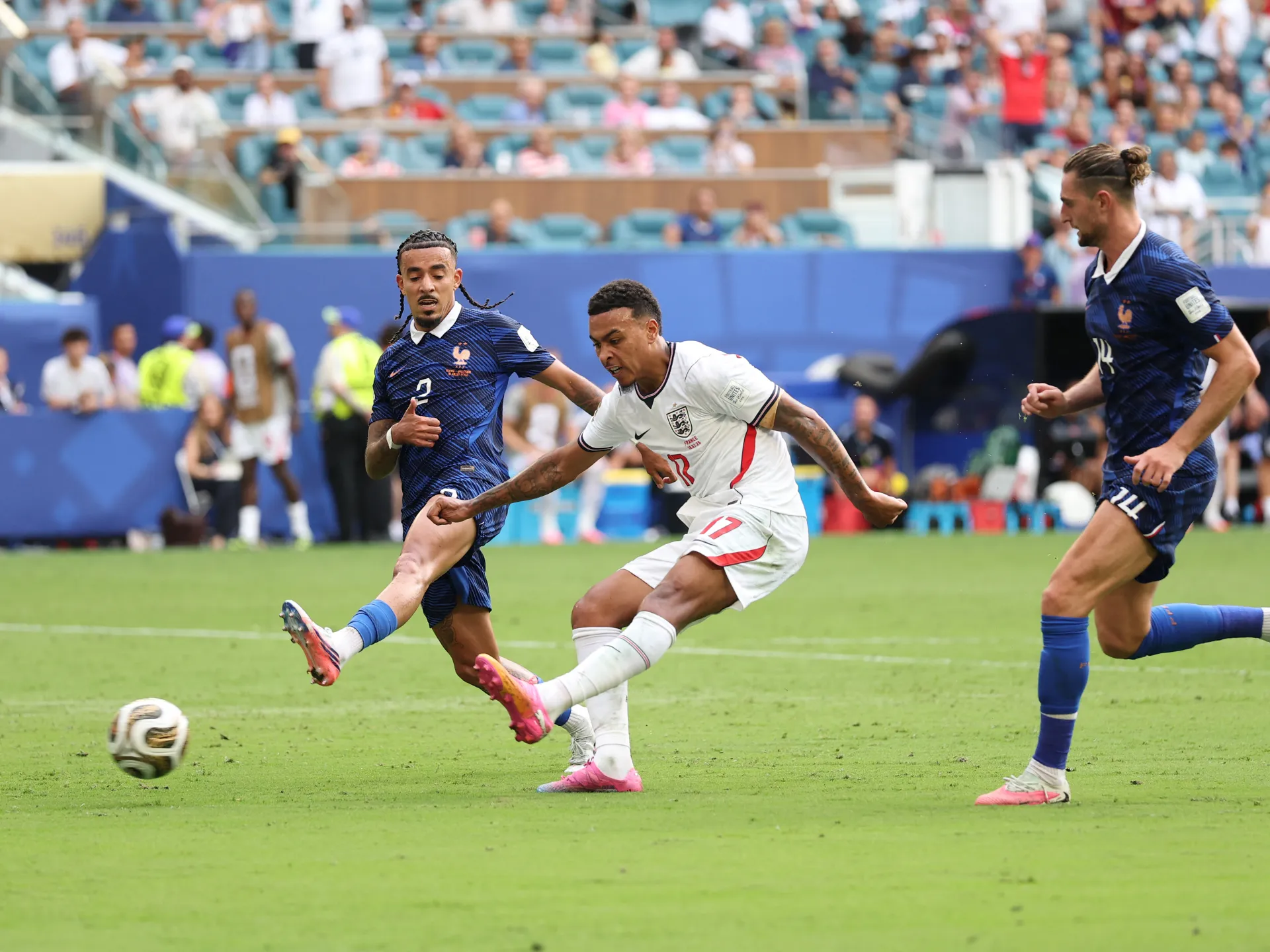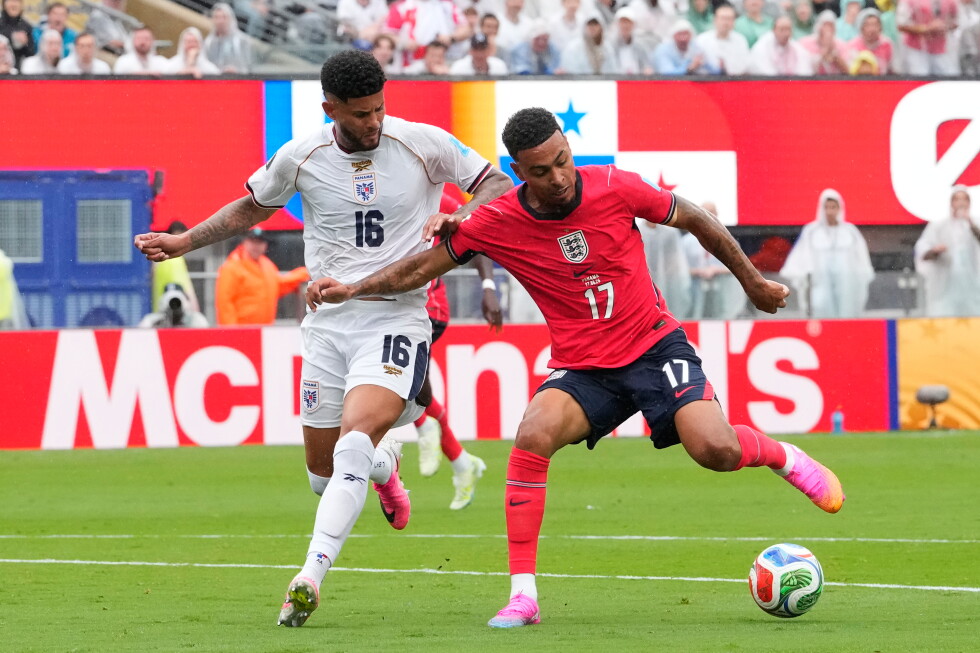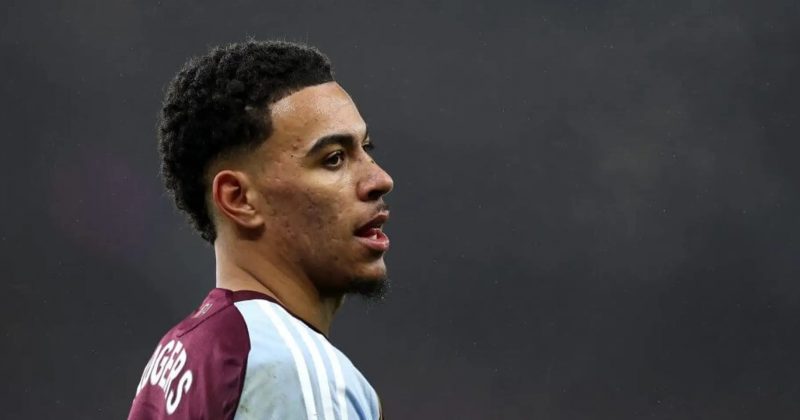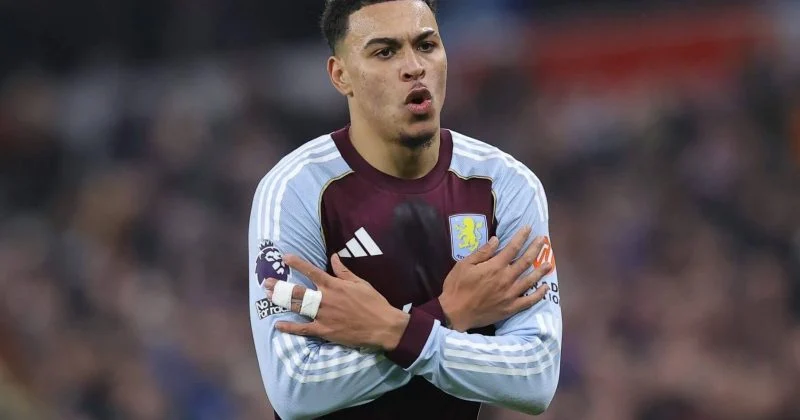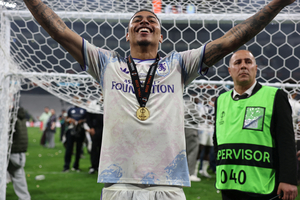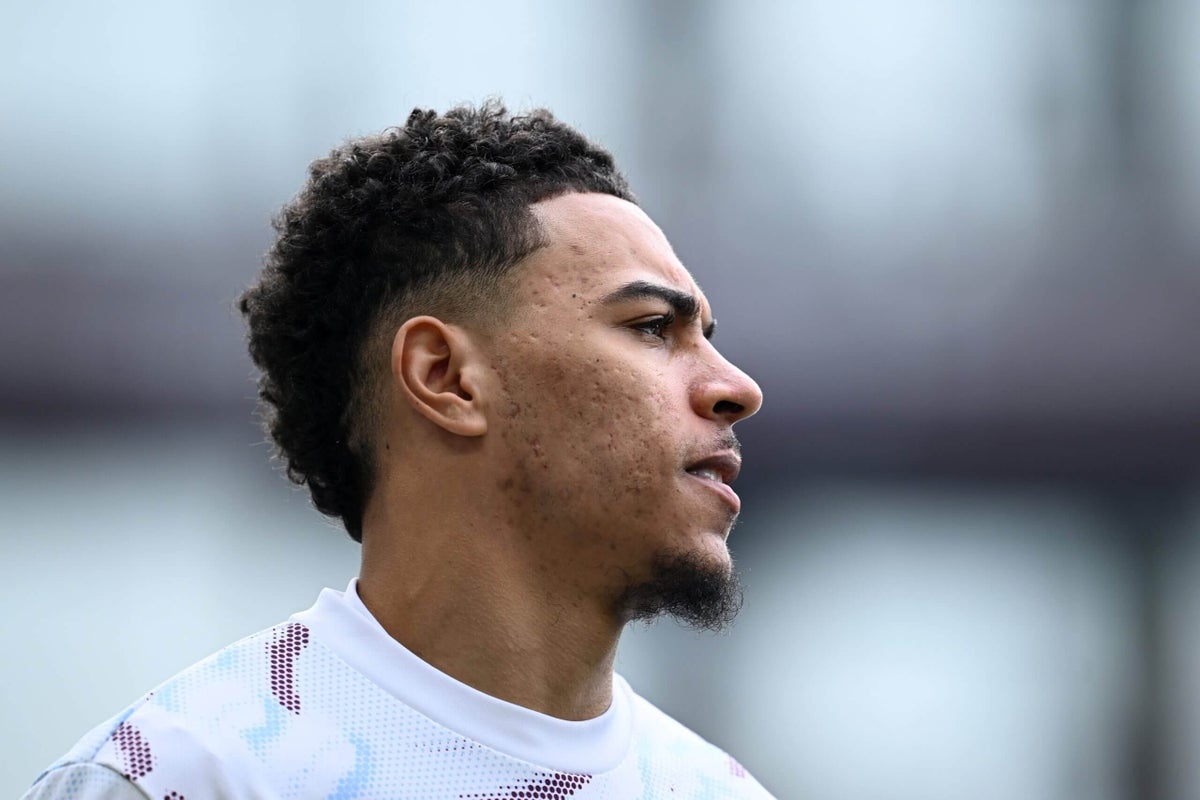
Until the final week of the World Cup, Chelsea’s transfer window had been quiet in comparison to the four previous summers of the BlueCo era. A little too quiet.Not anymore.Morgan Rogers is a Chelsea player after a deal worth £117million ($156.4m) was struck with Aston Villa inside 48 hours over the weekend. It makes the 23-year-old the most expensive British footballer ever — narrowly eclipsing Manchester City’s £116m signing of his fellow England midfielder Elliot Anderson from Nottingham Forest earlier this month — and subject of the fifth-biggest transfer fee in the history of the sport.That headline number is jaw-dropping, obviously, and will inevitably become the prism through which Rogers is evaluated over the coming years. But what are Chelsea actually getting, right now, for all that money? What are the strengths and weaknesses of his game, and how are they going to fit with what’s waiting for him at Stamford Bridge?Let’s take a closer look.He’s tailor-made for the left ‘pocket’Chelsea prize Rogers’ versatility. He is regarded as a player capable of operating in any of four main attacking positions that aren’t striker (left wing, No 10, right wing and as a false nine).That was part of the story of his two-and-a-half years at Villa, who also loved his ability to play anywhere in the final third, but, from the start, manager Unai Emery envisioned him as an attacking midfielder to be deployed either centrally or in the left ‘pocket’, or half-space. Those two positions account for almost three quarters of his Premier League minutes over his final two seasons at the Birmingham club.Rogers was often the No 10 in Emery’s 4-2-3-1 system but, even when he lined up on the left wing, the regular overlapping runs of left-back Lucas Digne allowed him to drift infield into that left pocket, where he could get on the ball, then drive into the final third and shoot or pass.Here is a memorable example from a Premier League match against Brentford in December 2024.Rogers receives a pass inside the Villa half and drives forward through the left channel before playing it on to striker Ollie Watkins. It comes back to him in one of his favourite shooting spots and he curls an unstoppable effort into the top far corner.This left-pocket preference is a good foundation for on-pitch chemistry at Chelsea with his former Manchester City academy team-mate and close friend Cole Palmer, who does most of his best work in the right pocket.Looking at the graphic below, their open-play touch maps from last season are almost mirror images of each other:Regardless of what formation new manager Xabi Alonso settles on, expect Rogers to spend a lot of time operating in that left pocket — which raises the immediate question of what happens to Enzo Fernandez, who was most often deployed there last season. The summer transfer window is still young…A scorer of great goals, but not a great goalscorer (yet)Rogers managed 14 goals across all competitions in each of his two full seasons at Villa. In both of his completed Premier League campaigns, he overperformed as a scorer relative to the expected goals (xG) value of his chances, netting eight from 6.6 xG in 2024-25 and then 10 from 6.8 xG.That is partly because Rogers takes on more low-xG shots than many of his peers. Only four players in the Premier League had more than his 23 attempts from outside the penalty area last season. He loves a pop from virtually any central area within sight of the opposition box, as you can see below:He is very dangerous when shooting from that range, equally capable of whipping the ball viciously with his instep towards the far post or striking it on the valve with his laces, generating the power and trajectory that give goalkeepers very little ability to react when he finds the target.He also requires very little time or space to unleash the latter, as Tottenham Hotspur discovered last season:This longer-distance shooting could provide Chelsea with a powerful new weapon to counteract deep-lying opponents who set up to deny them access to more valuable real estate inside the penalty area. Even the threat of Rogers shooting from these areas will command attention, and potentially open up more space for his new team-mates.At closer range, Rogers has demonstrated that he can be a composed finisher with either foot. He also has the intelligence to tailor his movement to get into prime scoring positions, as he did in a Champions League tie against Paris Saint-Germain in April 2025.He initially jogs towards the No 9 position, but as the ball is worked from right to left he peels away to the back post, where a well-timed dart brings him a tap-in:The quality of Rogers’ finishing suggests he could become an elite goalscorer, but he does not get himself enough of these simple chances, or shots in general; he averaged only 2.3 attempts per 90 minutes in the Premier League last season, taken from an average distance of 19.4 yards.To increase his production, he needs to up his shot volume and crash the box more frequently.His ball-carrying is exciting… but flawedRogers was one of the most prolific dribblers in the Premier League for Villa, and often one of the most thrilling to watch.His rare ability and willingness to shift the ball onto his left foot as well as his right makes him harder than most attackers for defenders to predict, and he is fearless in delving into his extensive bag of tricks whenever he finds himself in a tight spot. When it works, it can be sensational. When it does not, it can be easy to take the ball off him.Among the 10 attackers with the most attempted dribbles in the 2025-26 Premier League, Rogers ranked joint-fourth in total dribbles attempted (113) but only ninth for dribble success rate (31.9 per cent). That put him well below the division’s most adept high-volume dribblers: Everton’s Iliman Ndiaye, Yankuba Minteh of Brighton & Hove Albion and Manchester City’s Jeremy Doku.
Morgan Rogers: What are Chelsea getting for their £117m?
The record signing brings attacking versatility, physicality and durability, but the bar for this deal to be a success is dizzyingly high
2,034 words~9 min read