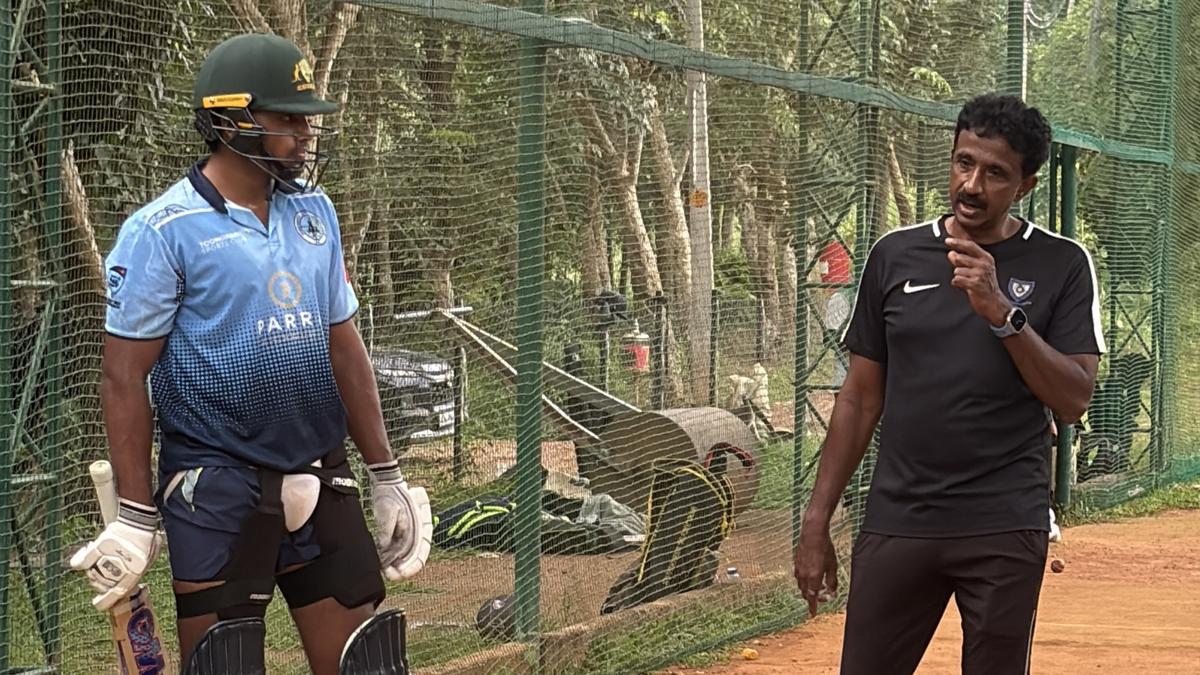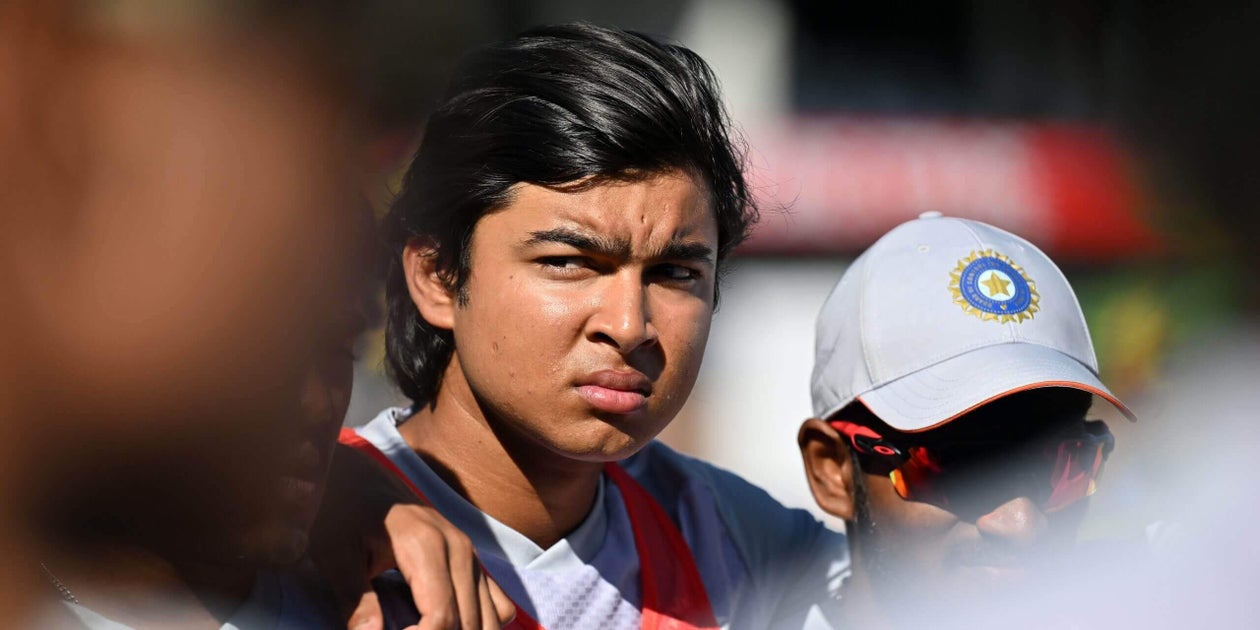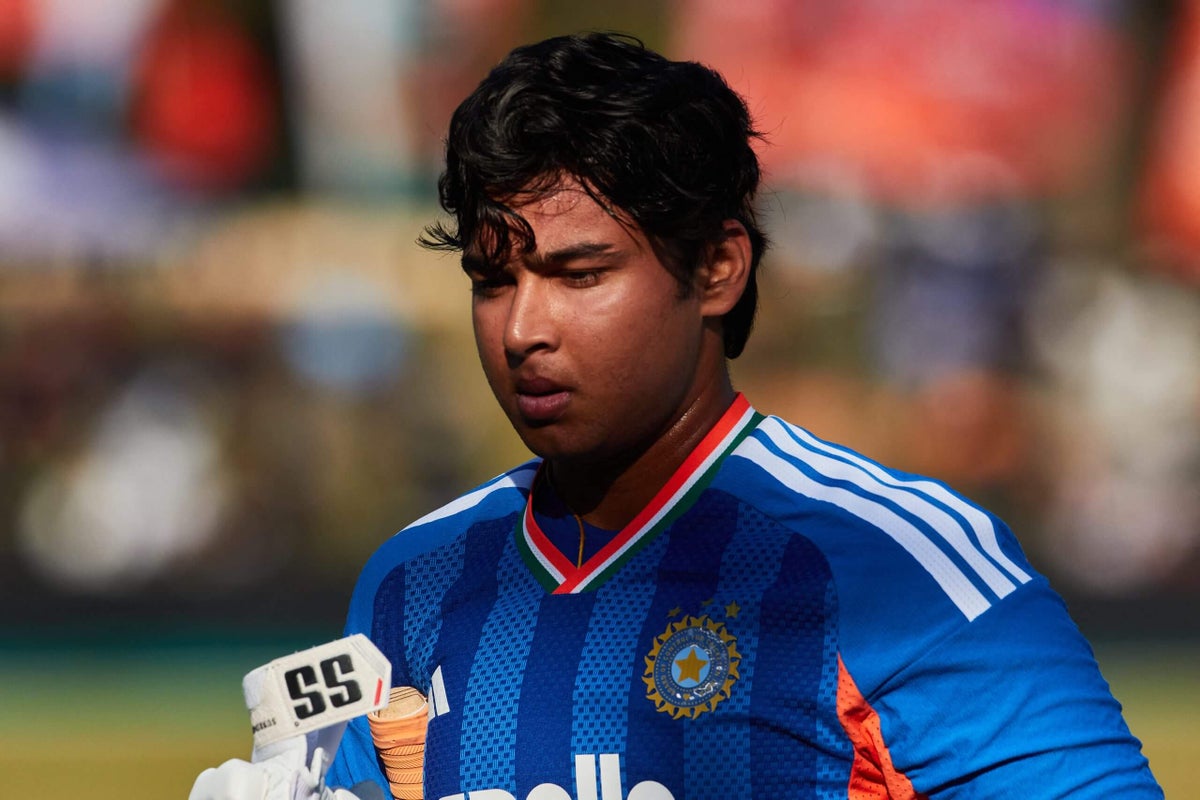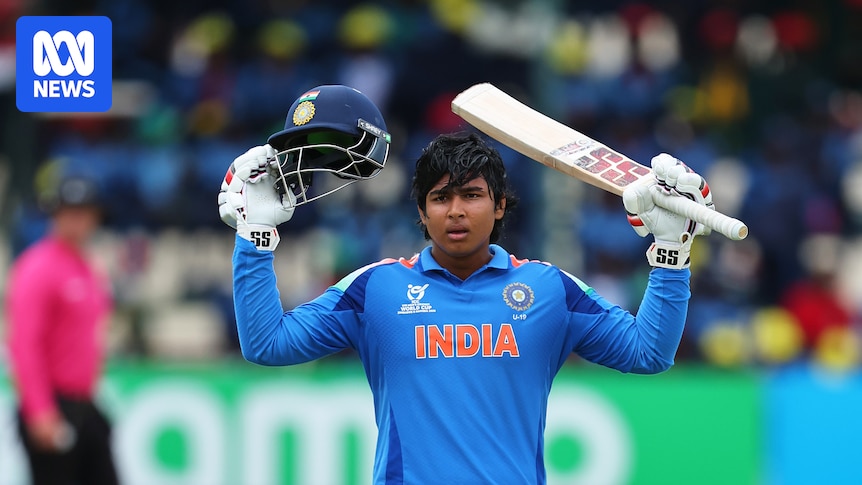
The Athletic has launched a Cricket WhatsApp Channel. Click here to join.“How have you not got a professional contract, playing like that?” a Surrey academy coach asks Savin Perera.“You tell me,” Perera replies, greeting him with a handshake and a hint of a smile.The coach pauses. “Keep the faith,” he responds as he walks off and into the pavilion.Minutes earlier, the 27-year-old had guided the South Asian Cricket Academy’s (SACA) first team to an impressive eight-wicket victory over a strong Surrey second XI with an unbeaten 38. He is in the form of his life, the fifth leading run scorer out of all 33 leagues in the ECB’s Premier League (the highest level of semi-professional cricket in England) for Cavaliers and Carrington in Nottinghamshire.Savin Perera helped SACA beat Surrey – and then signed a professional deal with Somerset (George Edwards/The Athletic)Perera had heard this all before.Despite representing England at under-19 level at the 2019 World Cup in New Zealand, and spending the following seven years having trials with over half of the 18 counties in England’s County Championship, a professional contract had eluded Perera. But a week later, Perera’s day finally came, as he signed a short-term deal with Somerset’s one-day squad for the Metro Bank competition.He scored 58 on his debut against Nottinghamshire on Tuesday.A day with the cricket academy making a differenceGeorge Edwards and Madison EadesHis story is exactly why SACA, a non-profit organisation founded in 2022 by then Warwickshire CCC performance coach Tom Brown, exists. At the age of 18, counties across England and Wales release hundreds of young cricketers not deemed ready to make the jump to professional setups. Many depart without due warning or further guidance.Perera, on Middlesex’s books when he returned from New Zealand — where he played alongside England white-ball captain Harry Brook and international team-mate Tom Banton — received little in the way of contact or explanation when the county did not retain him.There are now more than 70 cricketers of South Asian descent, all sharing similar experiences, on SACA’s books. Players take time off from work or away from their studies to travel across the country to train and play in SACA’s environment, hoping one innings with the right people watching is enough to change their trajectory.Coaches are volunteers with vast amounts of experience and knowledge of the English game, eager to give back to the communities from which their own successes stemmed.Tom Brown watches SACA’s preparations (Steven Fletcher/South Asian Cricket Academy)Brown takes every step with every player.By the time warm-ups begin against Surrey he has spoken to players, coaches, analysts and opposition staff. Throughout the day he drifts between nets, laptops and conversations, acting as coach, mentor, motivator and, increasingly, agent.At the end he leads the post-match appraisal, telling an attentive dressing room: “You took your opportunity against a quality side at a time of the year where things can progress very quickly.”The players respond with cheers and applause, believing in themselves and each other that their big break could be just around the corner — as it proved for Perera.Brown set up SACA after undertaking a PhD research project, funded by the England and Wales Cricket Board (ECB), into a theme he had noticed at Warwickshire.“Fifty per cent of the talent pathway were of British-South Asian heritage, but none of the pros were — literally none,” says Brown.The numbers at Warwickshire were extreme but did represent a broader theme across the country, where 30 per cent of recreational cricketers were of South Asian backgrounds, translating to just 5 per cent in the professional domestic game.“We researched into what the lads were doing wrong and did not find anything that equated to the magnitude of the drop off,” says Brown. “There were a lot of things with the talent system that I wanted to highlight, and none of it was a short-term fix.”SACA’s first team in a huddle before they fielded against Surrey (George Edwards/The Athletic)Brown’s research coincided with a period of scrutiny on English cricket.Movements such as Black Lives Matter and the ICEC report uncovering racism in English cricket made Brown’s findings hard to ignore, and gave him motivation to fill the void.Brown, 33, founded SACA in the Midlands, with a squad of around 30 by the end of the first year. Four players earned county contracts in its first season. Four years later, that number stands at 19. SACA have five regional hubs across the country, plus its first, second and standalone women’s XI (the latter two new for 2026) who regularly play in friendlies against county academy sides.
Behind the scenes at the cricket academy making a difference
Tom Brown started the South Asian Cricket Academy with an aim to fill a void of representation. It is reaping rewards
1,857 words~8 min read