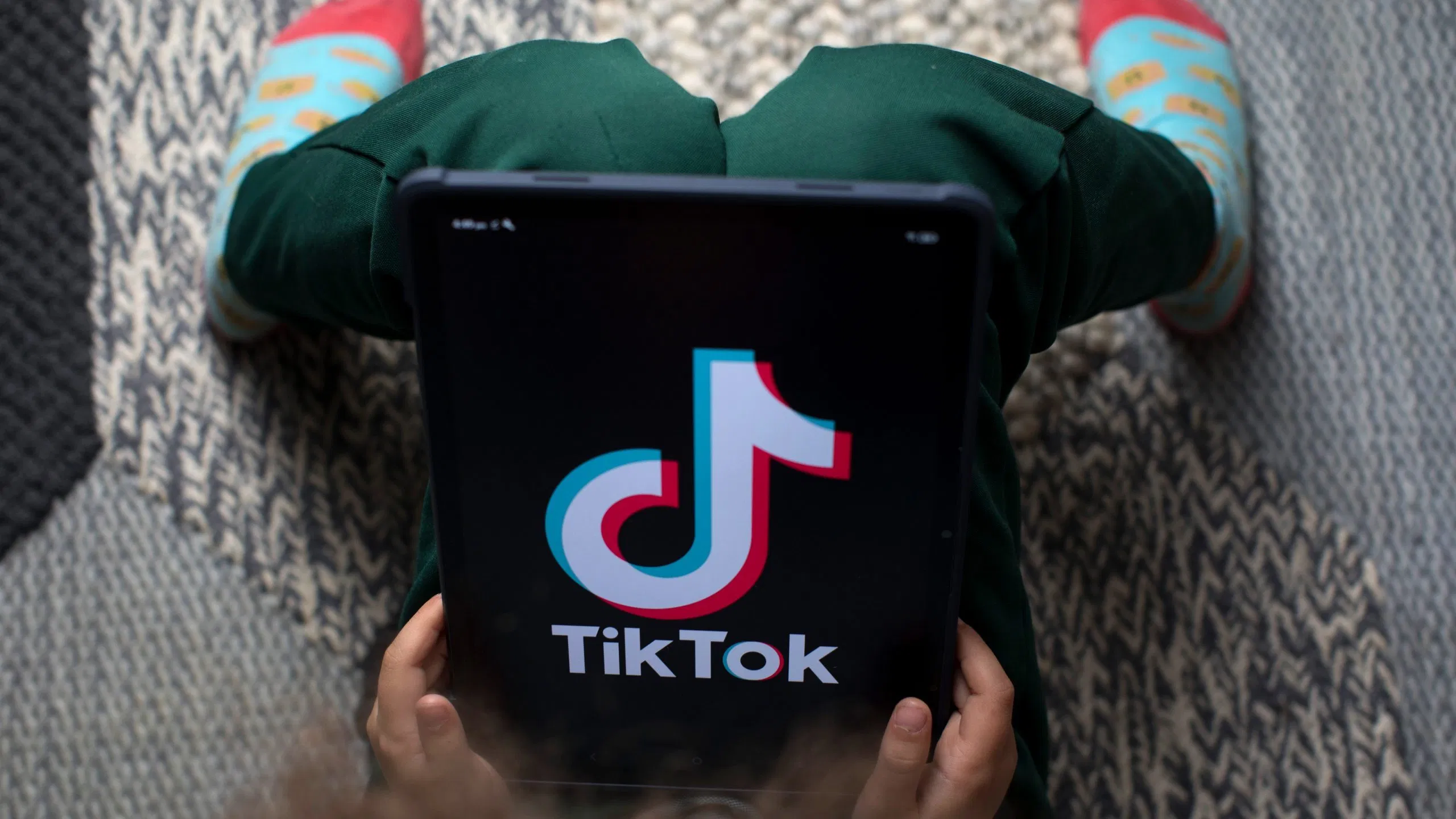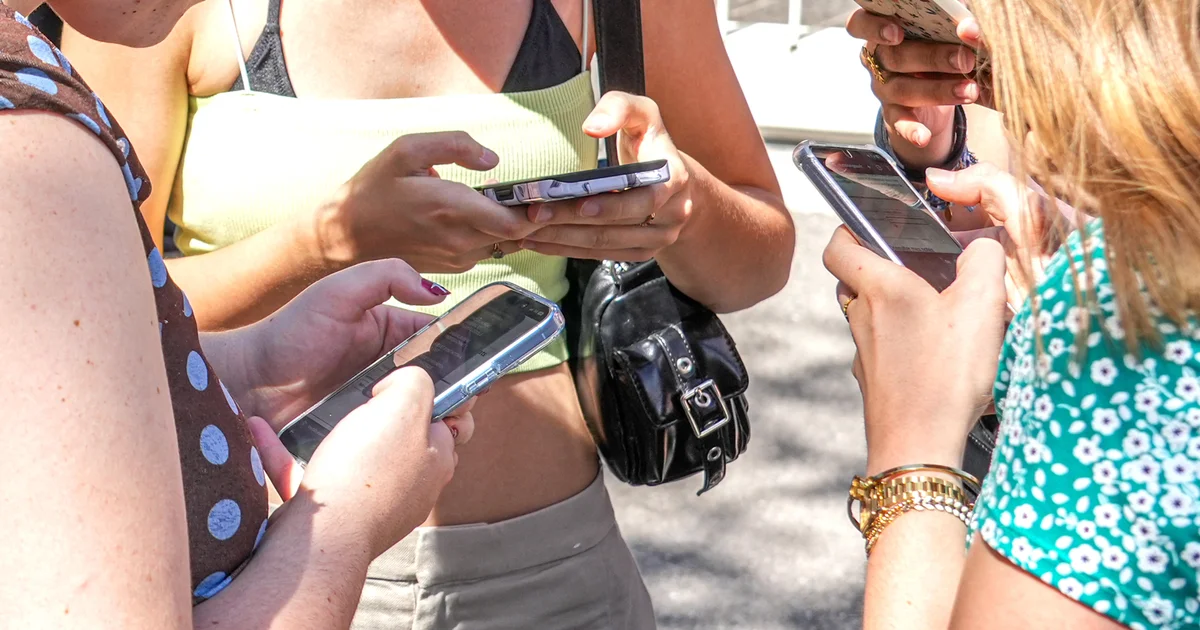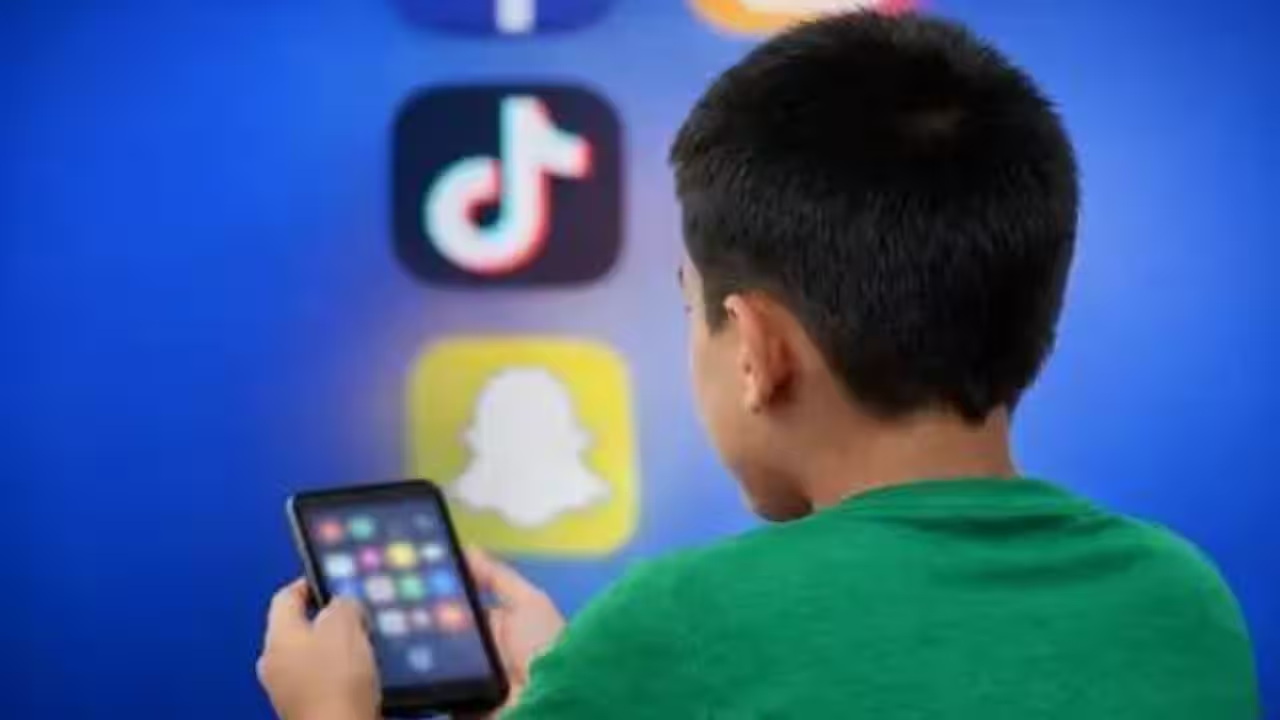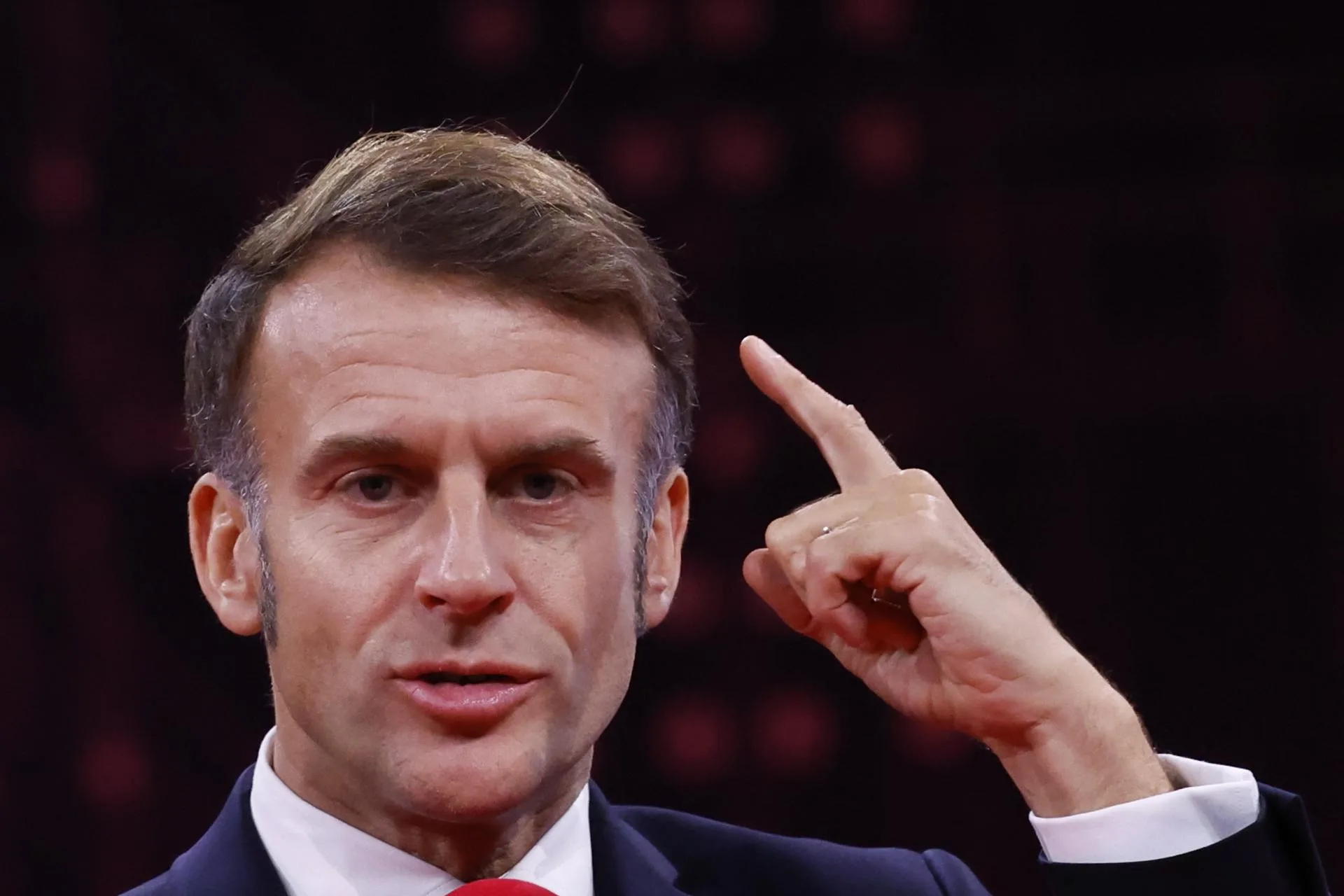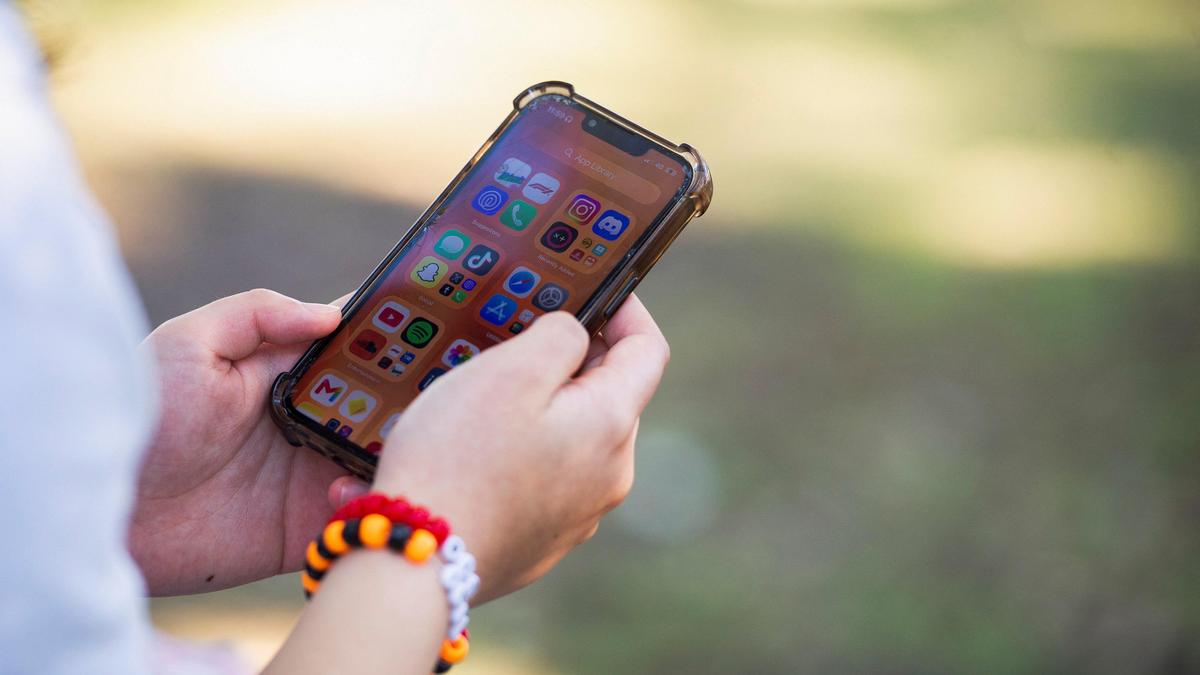
The story so far: Years since whistleblowers first sounded alarm over social media companies pushing harmful and addictive content towards children, France, on Tuesday (July 21, 2026), became the first European Union (EU) nation to legislate a blanket ban on social media access to children under 15 years of age.The ban had been a key priority on French President Emmanuel Macron’s agenda since his second term in office. “The brains of our children and our teenagers are not for sale,” he had said in a video message earlier this year. The legislation was approved by both the French National Assembly and the Senate, with the National Assembly voting 279 in favour, 81 against and 66 abstentions. “I committed to it, it is now passed: social media will be banned for those under 15 at the start of the school year,” the President said in a social media post after the vote.What it means?The law is set to roll out in two phases overseen by Arcom, France’s digital and audiovisual communications regulator. In phase one, with checks in place for age verification from September, anyone under 15 trying to open a social media account in the country, will be blocked from doing so.In phase two, platforms will get until January 2027 to close existing under-15 accounts, which means even the existing accounts will have to undergo compulsory age verification. Exactly how the verification will be done remains unclear. But, authorities have promised to establish a reliable system before the rules are enforced.Children under 15 will still be able to reach online encyclopedias, educational tools, and scientific directories since the ban excludes non-commercial digital resources. Advertising promoting social media to them, including campaigns by influencers, will be prohibited. Ads for social media platforms must also carry a disclaimer, “Dangerous products for children under 15.”The ban also extends to mobile phones in high schools. However, the exact norms will be decided by each school’s internal regulations.Why the sweep?Concerns over young users’ exposure to pornography, cyberbullying, and other forms of online exploitation, have been mounting in the country.Recommendation algorithms on social media platforms are designed in ways that push teenagers towards increasingly extreme or disturbing content, says Arcom. The regulator reports that children aged 12 to 17 spend an average of one hour and 21 minutes a day on TikTok alone. Lawsuits against TikTok, filed by several French families, alleging that the platform’s algorithm exposed their children to harmful content that contributed their suicides, are ongoing. The platform has denied the claims.“We left you in this jungle and it robbed you of your attention,” Mr. Macron told teens at an event in April. “We need to slow down and help you become adults, and above all citizens.”A growing waveFrance follows Australia’s lead, where since December 2025, a similar ban has been put to effect. The Online Safety Amendment (Social Media Minimum Age) Act requires platforms such as TikTok, Instagram, Facebook, YouTube, X, and Snapchat to implement age verification and take “reasonable steps” to prevent children under 16 from creating accounts.After Australia, other countries including, Austria, Spain, Brazil, and the U.K. have been mulling similar restrictions on children’s access to social media.The French legislation also comes ahead of expected EU-wide measures, following recent recommendations from an expert committee set up by Commission President Ursula von der Leyen. While calling for stronger protections for children online, Ms. von der Leyen said: “Social media is not a toy.” Drawing a comparison with product safety rules, she added: “In Europe, whoever develops a product is responsible for its safety. Car manufacturers must make their vehicles safe. We do not expect children to design their own seatbelts. We do not expect parents to fit airbags at home.”“This is not about whether children can access social media. It is about whether and when social media can access our children,” she said. Our Ministry of Electronics and Information Technology (MeitY) and even State governments, such as Andhra Pradesh and Karnataka, have hinted at taking similar routes. Earlier this month, during his bilateral visit to Australia, Prime Minister Narendra Modi praised the country over its ban. “I have followed you closely, and the way you have legislated and worked to protect society in IT and social media is inspiring the world,” Mr. Modi told Australian Prime Minister Anthony Albanese.Concerns and blocksBans often fail because teenagers rapidly find technological workarounds like VPNs, and privacy-preserving age verification systems are not yet widely implemented, say critics. As per reports, a July 2026 study by Australian government advisors have found that their under-16 ban has so far not been as effective as expected. Latest surveys show that Australian teens are following the rules even lesser than they were just two months ago.In France, the law also faces immediate legal challenges. The Council of State had previously warned that a general and absolute prohibition could infringe fundamental rights — including children’s right to access information and parents’ authority. The legislation could therefore face scrutiny by the Constitutional Council.Also, to ensure compliance with the European Union’s Digital Services Act (DSA), lawmakers removed national sanctions against technology companies from the Bill. Digital Minister Anne Le Hénanff said responsibility for enforcing the rules would rest with social media platforms. Therefore, the policy’s impact on the ground remains to be seen.“Bans alone, without any requirements to change the underlying algorithms and addictive features, will leave children who manage to circumnavigate age-gates, older children and adults exposed to the same risks,” Agnès Callamard, Secretary General of international human rights watchdog Amnesty International says on their website, in response to France’s blanket ban.
France draws the line at 15: inside Europe’s first social media ban for children | Explained
France becomes the first EU country to ban social media for children under 15, prioritizing their safety against harmful content.
930 words~4 min read