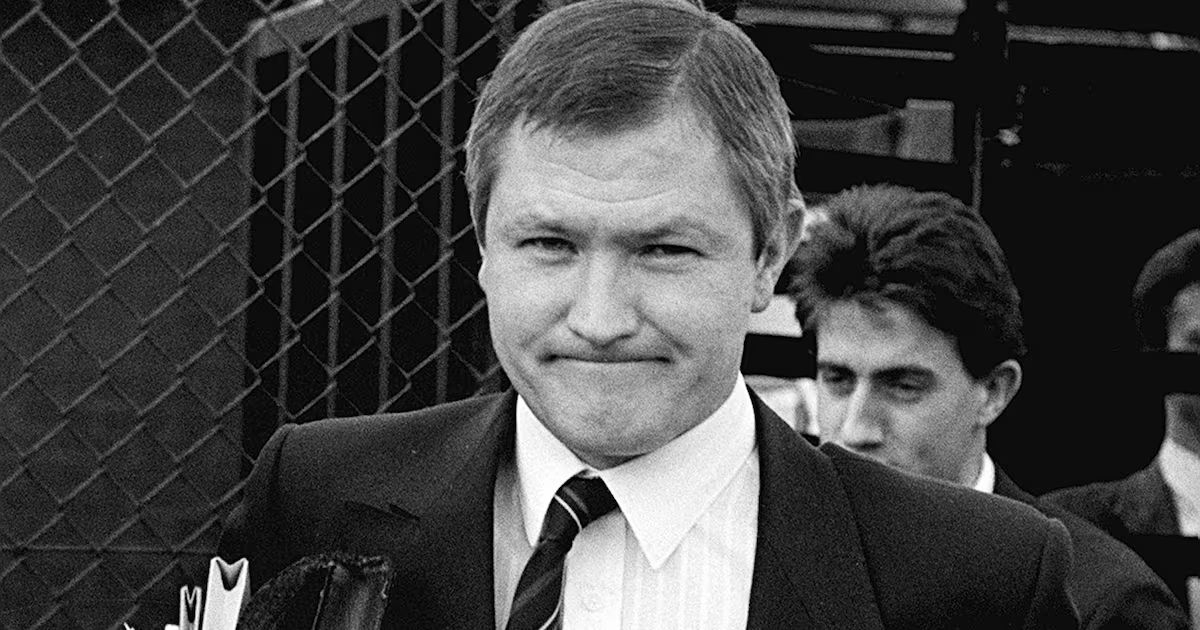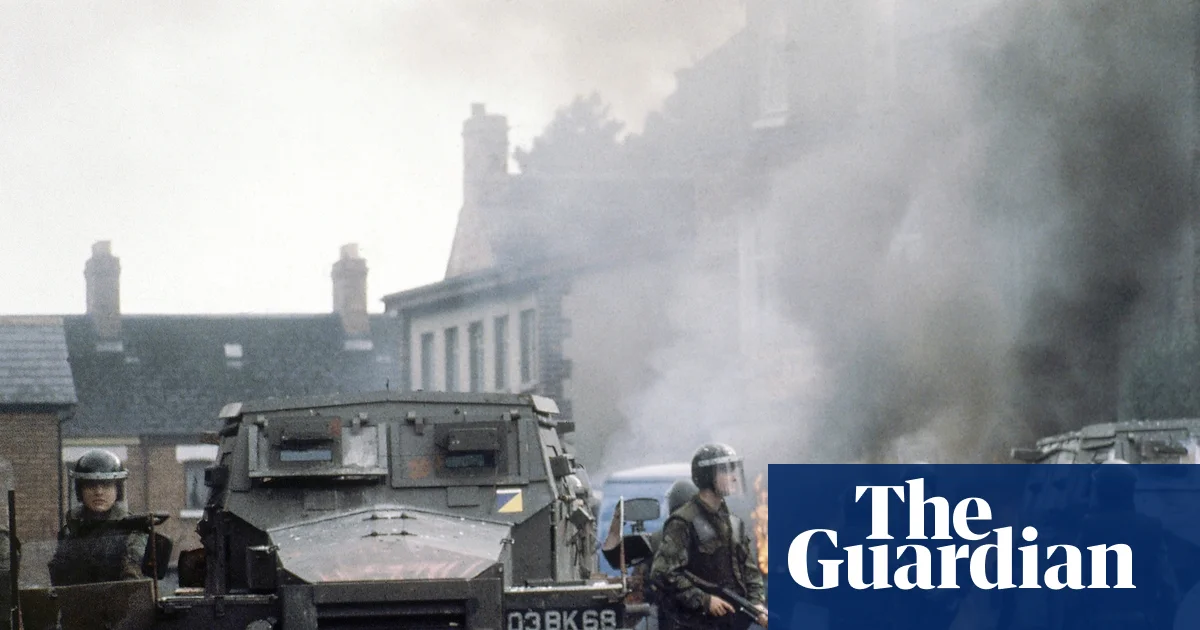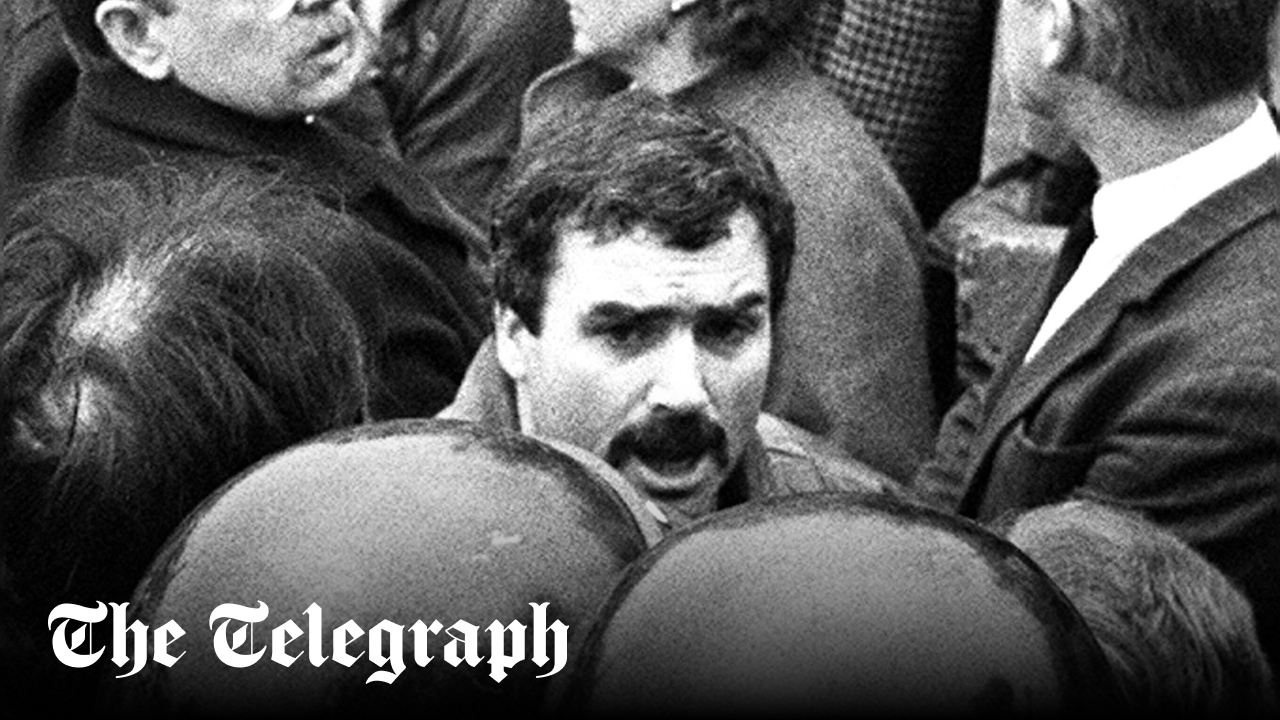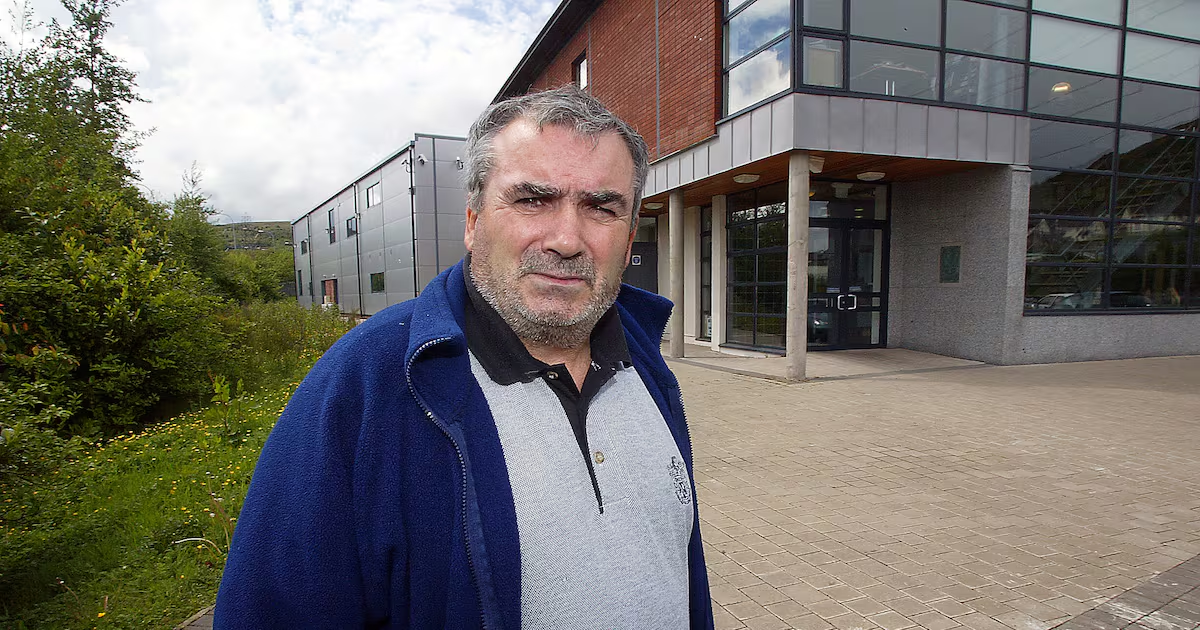
Neither Confirm Nor Deny: British Intelligence, Lawless Agent Running and the Suppression of Truth Author: John Ware ISBN-13: 978-1785375804Publisher: Merrion Press Guideline Price: €19.99; 392ppOn June 10th, the first public hearing of the inquiry into the 1989 murder of Belfast solicitor Pat Finucane began. Finucane was shot in his home by loyalist paramilitaries in a murder found to have involved British state collusion. After decades of official obfuscation, the nature of that collusion remains unknown. While Finucane’s case is a high-profile example of how the actions of the British “securocracy” resulted in death and the denial of truth to families, it is by no means the only one. Veteran BBC journalist John Ware’s highly detailed book, a searing indictment of British state conduct in intelligence gathering throughout the so-called “dirty war”, draws a direct line from the British approach to espionage in Northern Ireland to numerous instances of murder and concealment. To make the case, the book traces the trajectories of two British assets, Brian Nelson, intelligence chief of the UDA, and IRA man Freddie Scappaticci, the agent codenamed Stakeknife. Ware convincingly shows that even as official Britain argued that the purpose of its counter-insurgency was to establish the rule of law, it condoned, facilitated and in some cases encouraged murder. Britain paid a “high moral price” for how Nelson and Scappaticci were run as agents, and Ware deftly explores the complex ethical trade-offs in placing source protection above human life and the law. In Northern Ireland, British spymasters “played God ... choosing who was to be saved, who might have to be sacrificed, which crimes were to be prosecuted and which were to be ignored.” Despite the flood of intelligence from both sources, relatively few lives were saved, and the book raises troubling questions around the rationale for espionage in the first place. This book is rich in detail and new revelations, and is particularly strong on the ramifications of the neither confirm nor deny doctrine, which in Ware’s telling is less about protecting national security than preventing national embarrassment. While more context on the contemporary politics in London, and especially Dublin, would have strengthened this book, Neither Confirm Nor Deny is a timely examination of the moral maze of espionage and an important account of two of Britain’s most notorious agents in Northern Ireland.
Neither Confirm Nor Deny by John Ware: Revelations about Britain’s morally compromised ‘dirty war’
The book about Troubles agents raises troubling questions around the rationale for espionage
386 words~2 min read