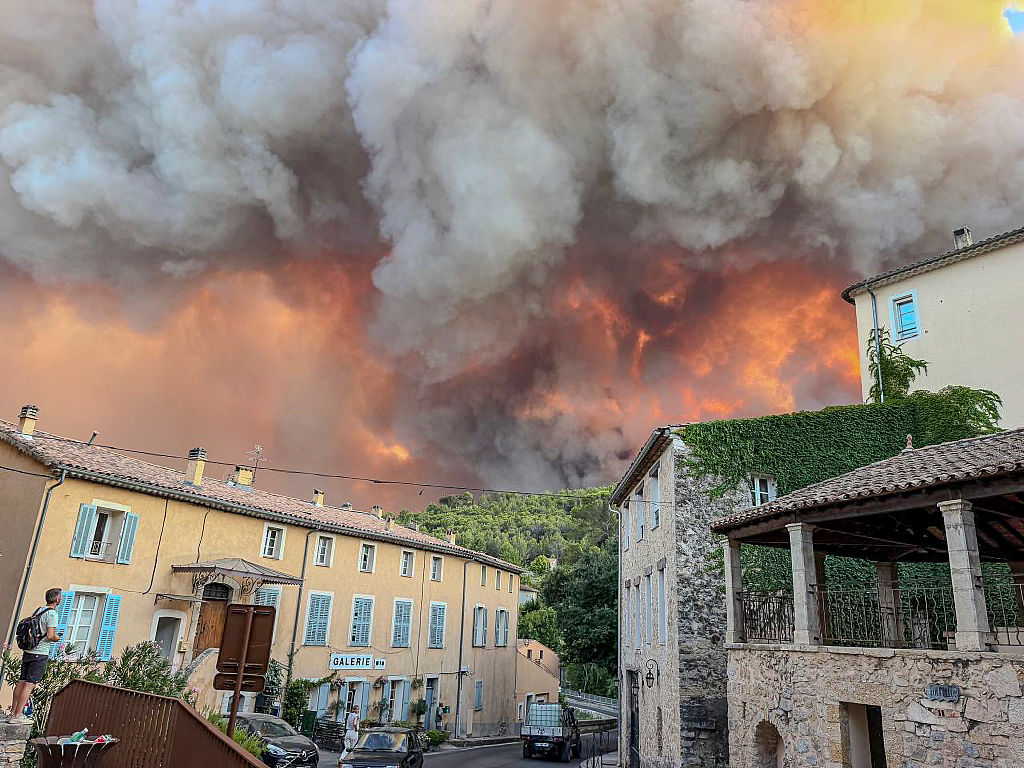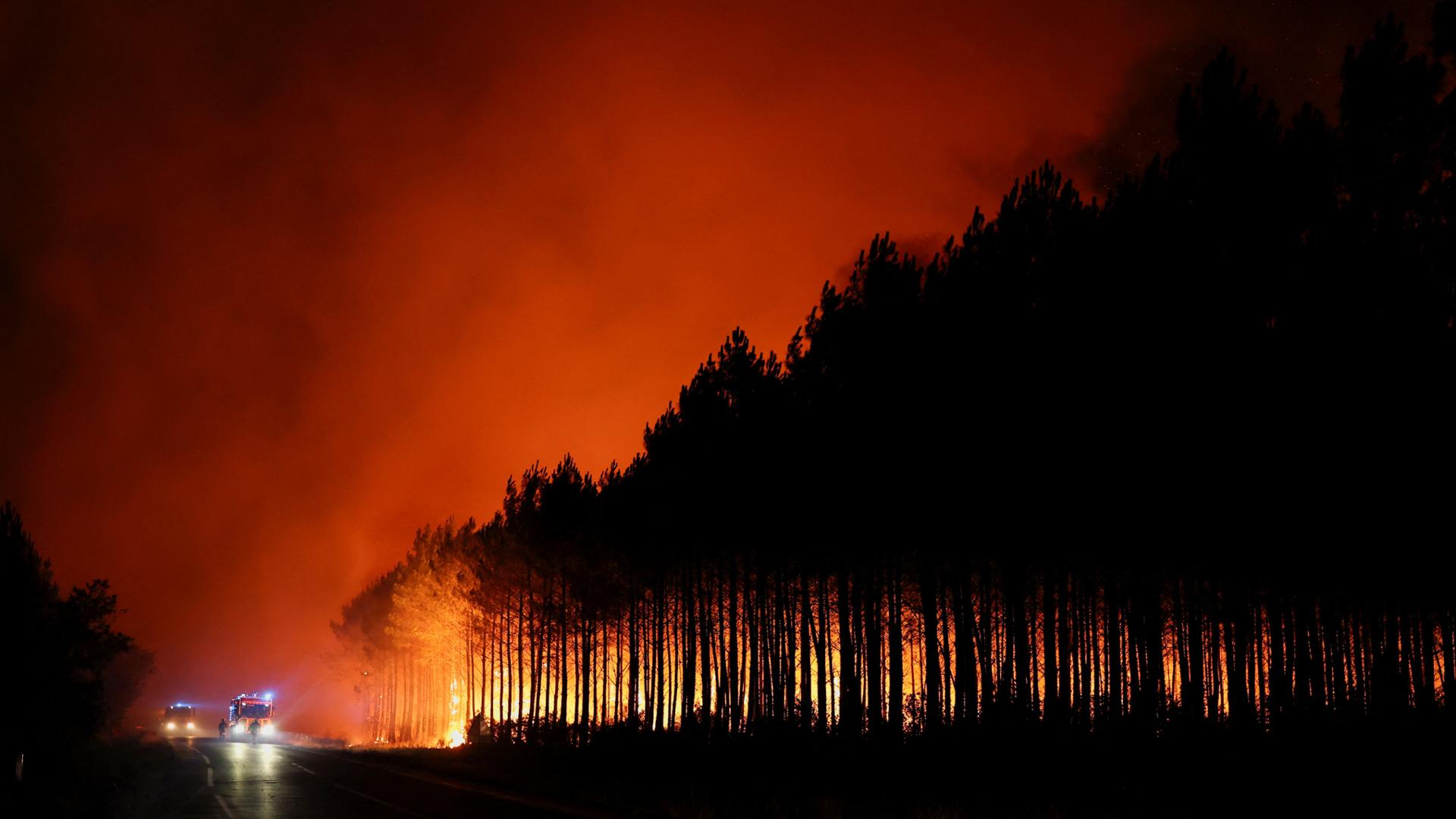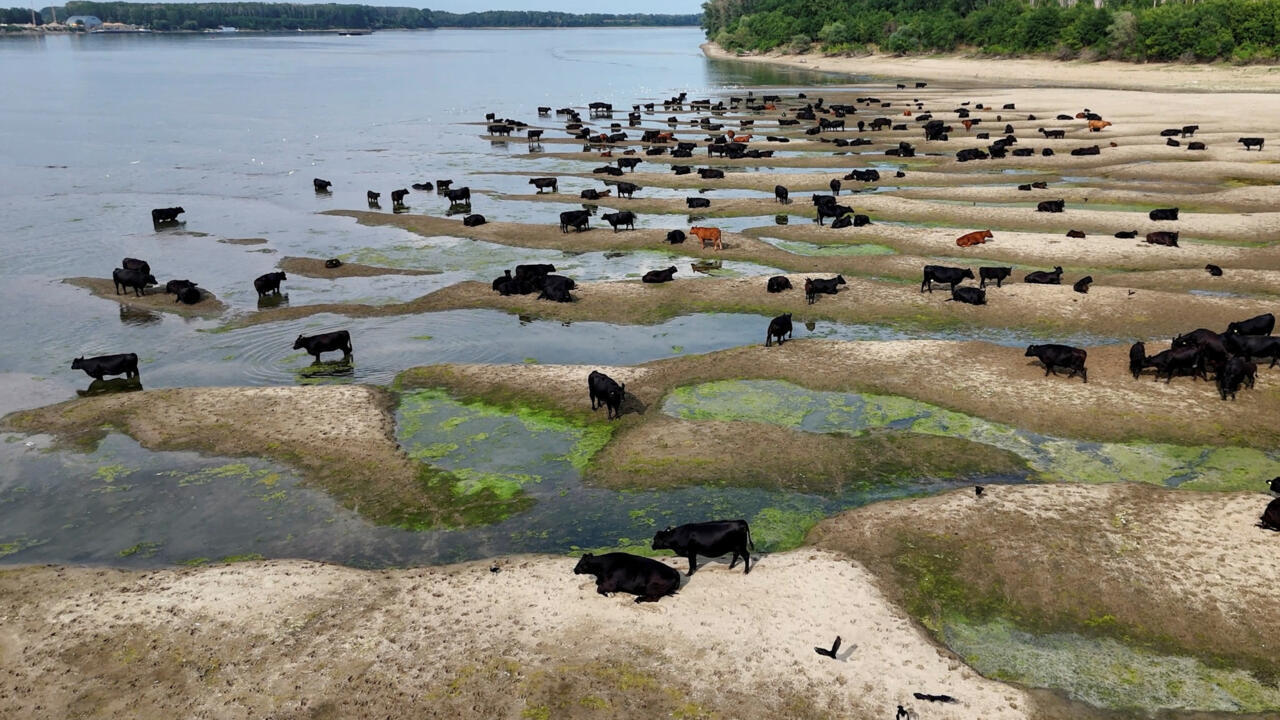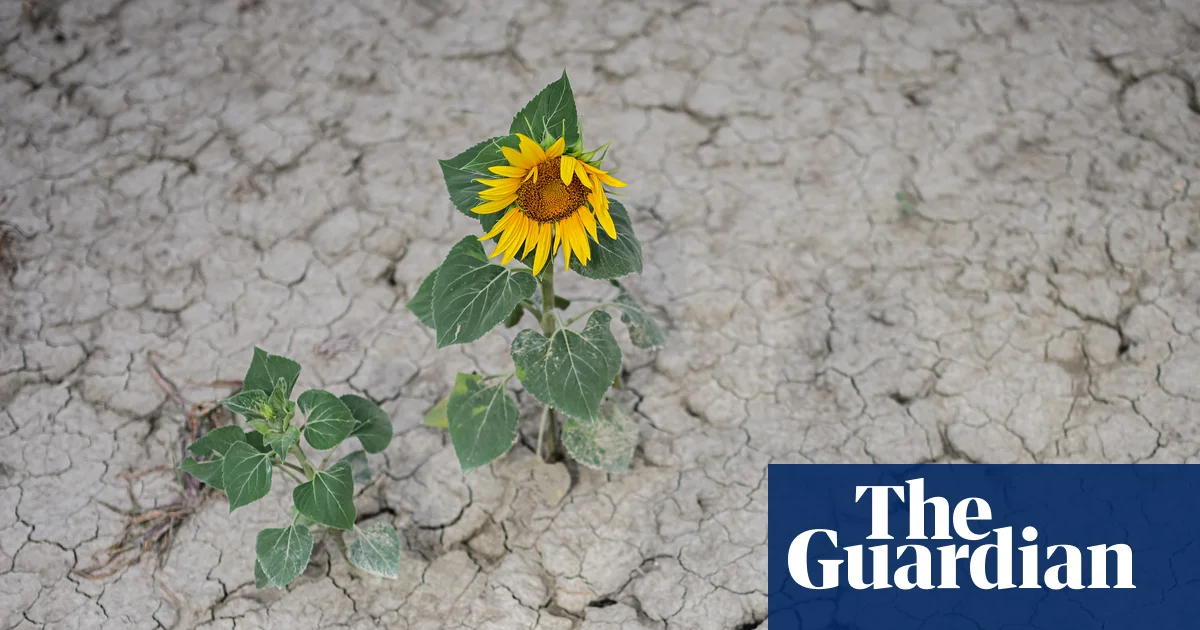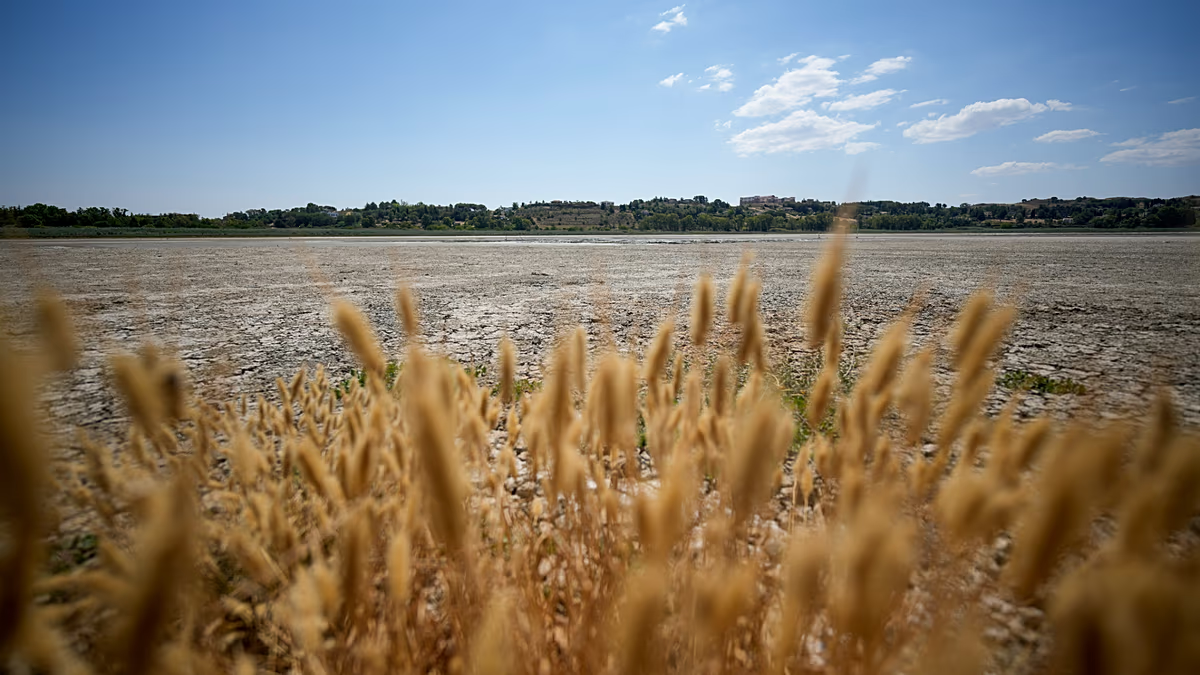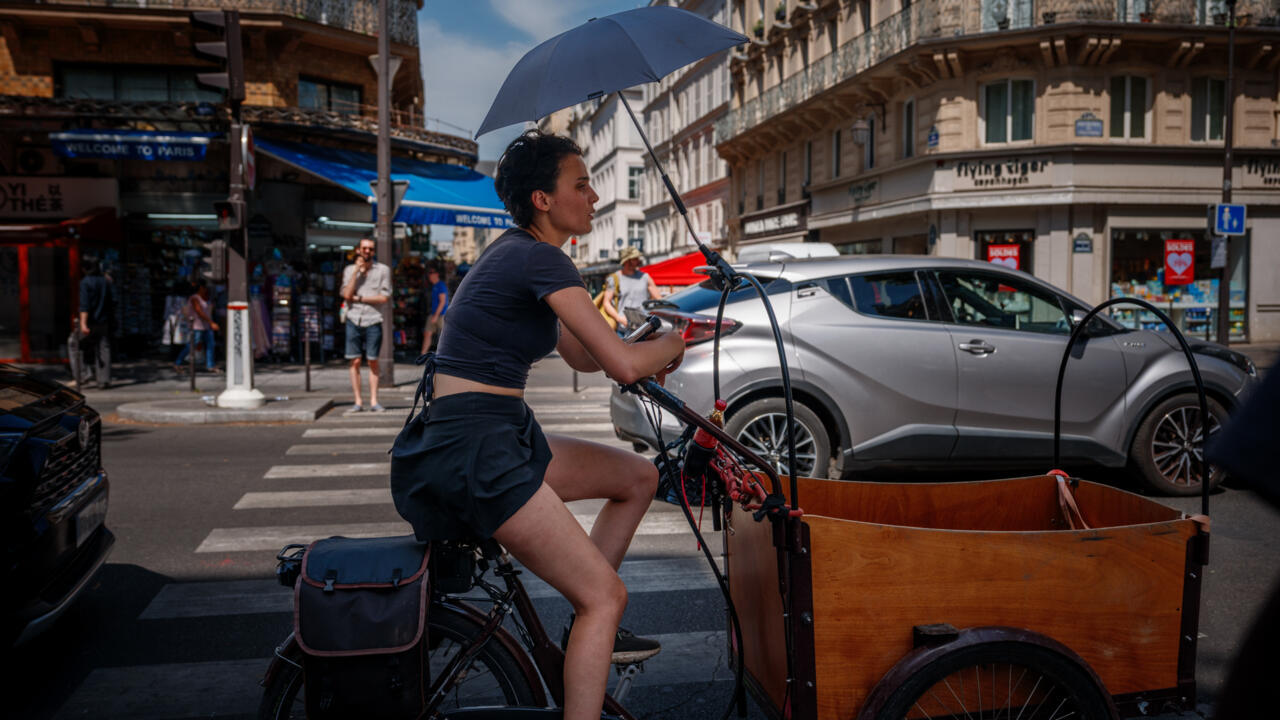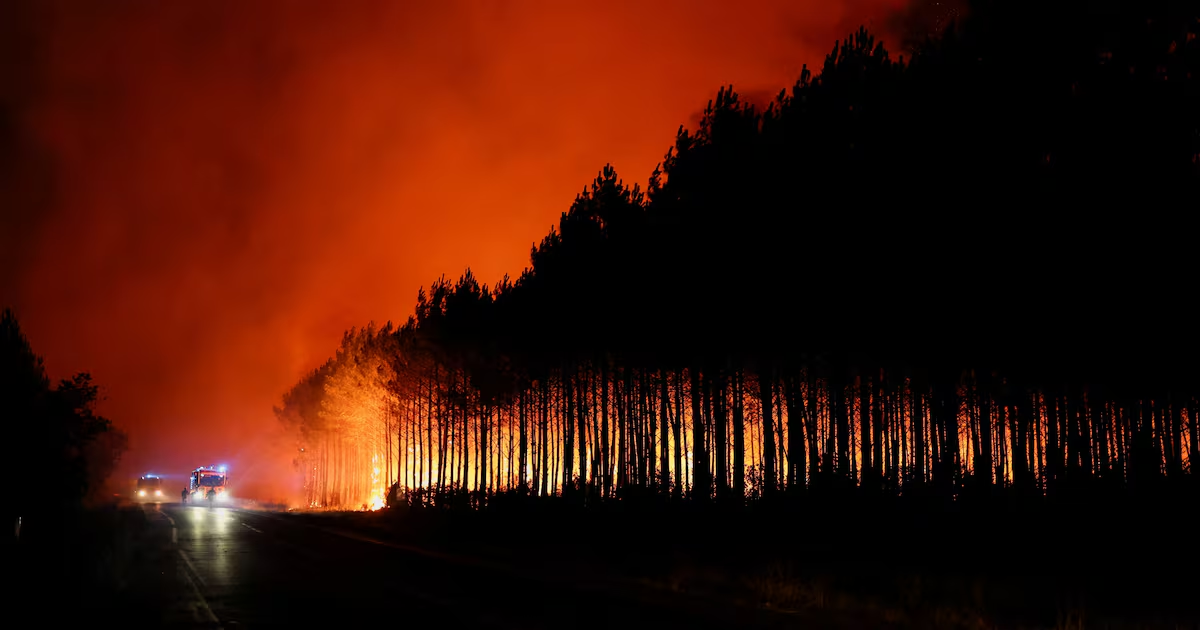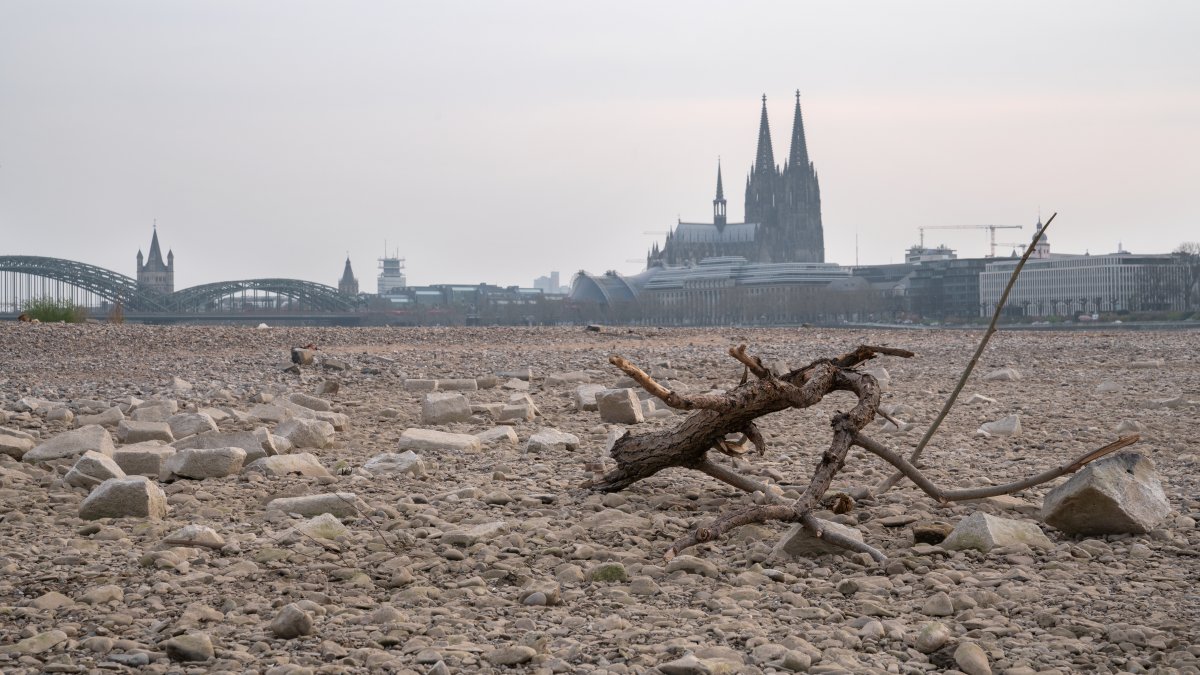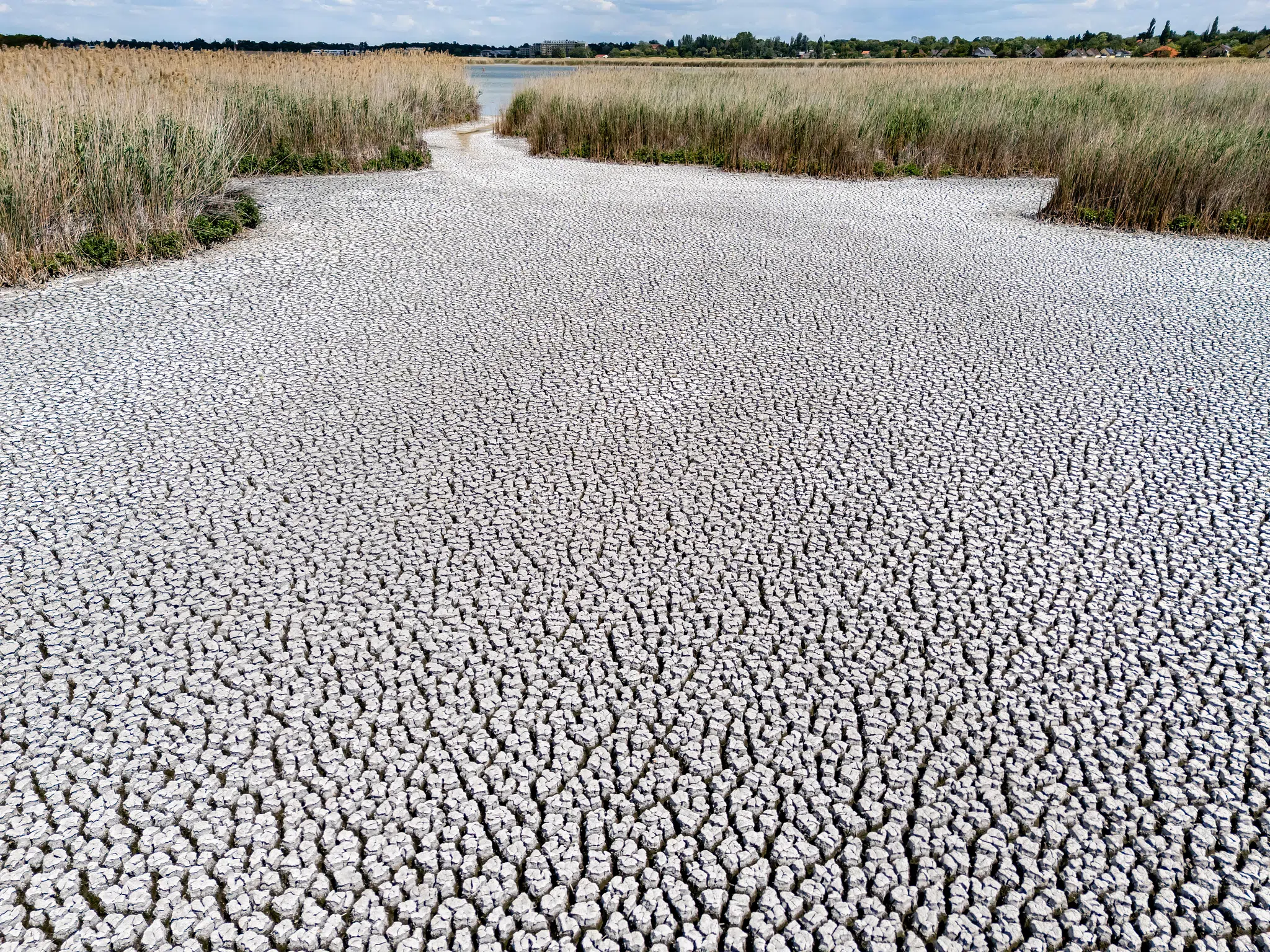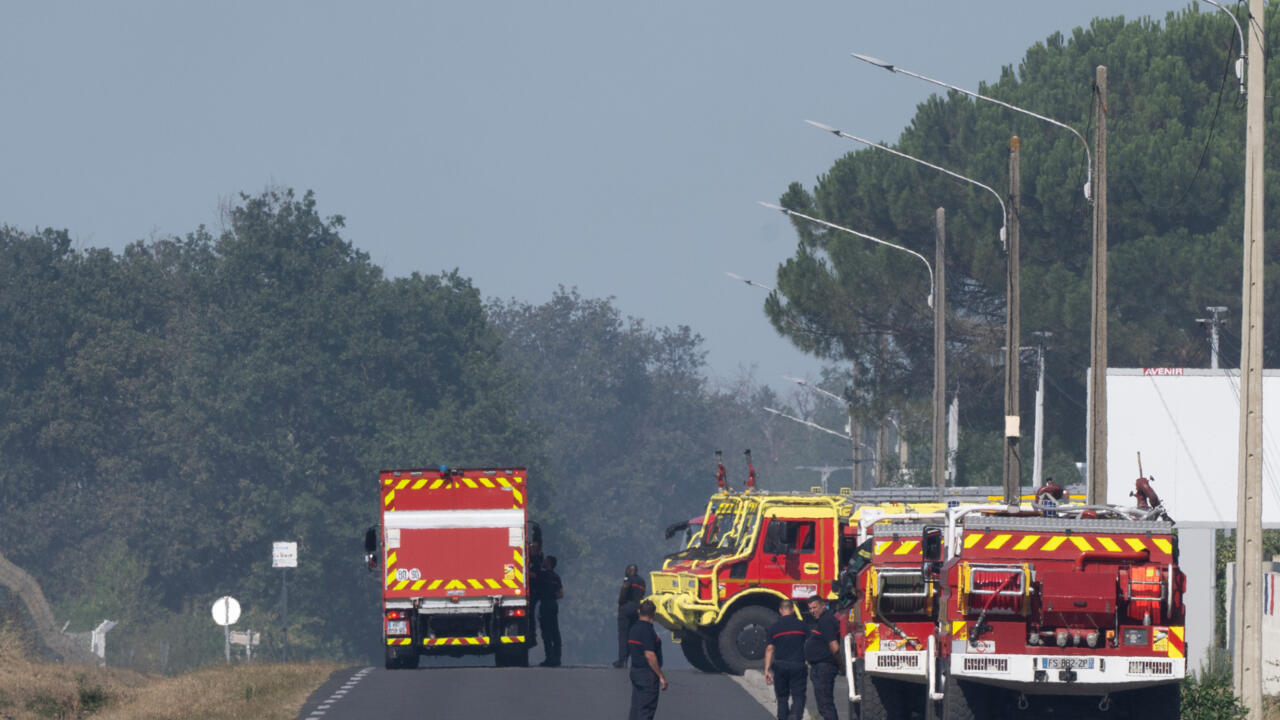
Human-caused climate change has intensified a drought across Europe, with extreme heat, rather than low rainfall, driving the exceptionally dry conditions, a team of international scientists said on Thursday. The continent is gripped by a major drought, with countries from France to Romania confronting parched rivers, water restrictions and devastating wildfires after a historic heatwave in June. A new study found that today's hotter climate has accelerated moisture loss from Europe's soils, lakes and rivers, increasing the likelihood of bone-dry conditions. Much of Europe received below-average rainfall during spring, but it was climate-driven heat that made the drought "more severe", said Mariam Zachariah, who co-authored the World Weather Attribution group study.
To display this content from YouTube, you must enable advertisement tracking and audience measurement.
One of your browser extensions seems to be blocking the video player from loading. To watch this content, you may need to disable it on this site.
Cover image: © France 24
"Overall, our results show that this drought is not primarily a story of low rainfalls but of a warmer atmosphere that is causing more moisture deficits on the land," Zachariah, from Imperial College London, told reporters. "This means that even in regions where the rainfall has changed little or is projected to increase seasonally, drought risk continues to rise." This is because a warmer atmosphere can hold about seven per cent more water vapour for every 1C rise in temperature, scientists say. The planet has warmed about 1.4C since 1850–1900, primarily because of the burning of coal, oil and gas. 'Thirsty' atmosphere Scientists say climate change is making destructive events such as droughts, floods and heatwaves more frequent and intense, and that Europe is the world's fastest-warming continent. Last month was the hottest June ever recorded in western Europe, the Copernicus Climate Change Service said, with a brutal heatwave causing thousands of excess deaths. The heat was such that even regions that experienced a relatively wet winter were baked dry just months later, study co-author Dominik Schumacher from ETH Zurich told journalists. "If you have increasingly hot air, it will soak the soils dry. And then it gets even hotter, and the soils get even drier," he said. This rapid drying also primed the land for wildfires, he added.