Story audio is generated using AI
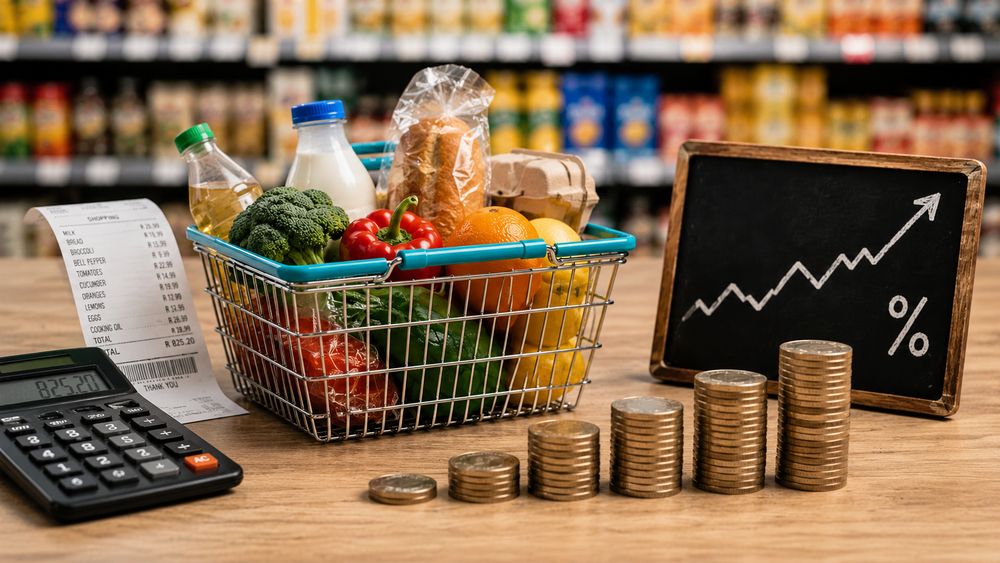
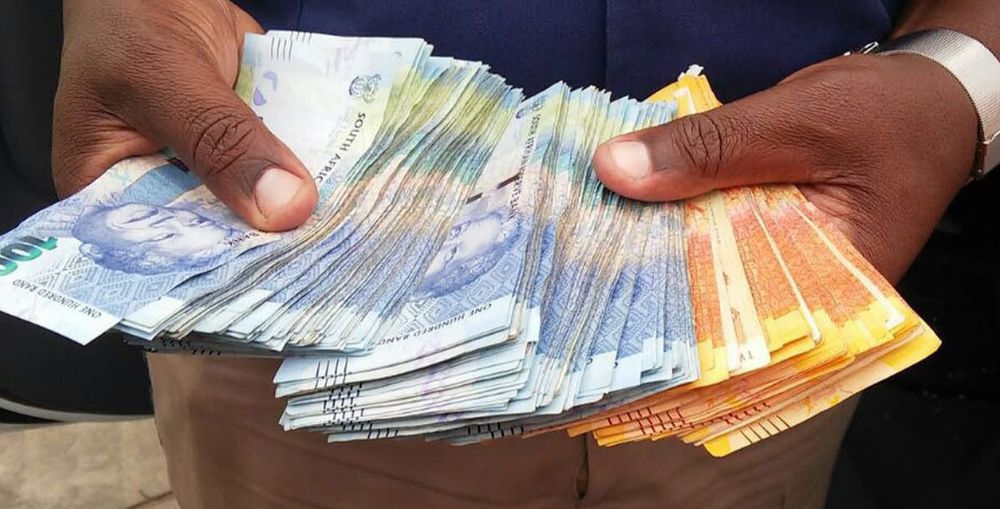
Rising inflation eroded South African salaries in June, pushing real take-home pay to its lowest level in around two years and placing increasing pressure on consumer spending and economic growth.The average nominal net salary increased 0.4% month on month to R21,598, ticking up just 0.5% compared with the same period last year, according to the latest PayInc net salary index, which tracks the net salaries of approximately 2.1-million people.Taking inflation into account, the real average salary declined 0.3% between May and June and was down 3.6% on a year-on-year basis at R20,198 — its lowest level in approximately two years. Inflation has been climbing higher since March, spiking to 5% year on year in June from 4.5% in May, according to the latest data, largely on the back of increased transport costs. (Dorothy Kgosi) “The continued decline in real earnings is likely to place increasing pressure on household budgets and consumer spending during the remainder of the year,” said independent economist Elize Kruger. “As disposable income comes under strain, households are becoming more cautious with discretionary spending, which could weigh on broader economic activity.”While higher fuel prices have contributed to rising inflation in recent months, administered price increases are emerging as an equally significant source of financial pressure.“Many salary earners will soon begin to feel the impact of annual increases in electricity, water and other municipal tariffs. These administered prices have consistently increased faster than headline inflation, placing additional pressure on household finances even as salary growth remains subdued,” Kruger said.“Electricity remains one of the largest contributors to administered price inflation, with many municipalities implementing tariff increases well above the inflation rate. These increases not only reduce household purchasing power but also raise operating costs for businesses, affecting economic competitiveness, investment and employment.”Joburg residents, for example, now have to pay 8.63% more for electricity after the National Energy Regulator of South Africa approved the tariff increase with effect from July 1.Retail salesStill, the latest data from Stats SA on Wednesday signalled resilience in consumer spending, with retail trade sales increasing by 2.3% year on year in May, up from 1.2% in April.The report showed a mix of gains across different sectors, with sales at general dealers, textiles, clothing, footwear, leather goods and all other retailers leading the charge.The data suggests that household spending was resilient despite a challenging macroeconomic backdrop, partly supported by still-benign food inflation, Standard Bank economist Shireen Darmalingam said.But she added: “Higher fuel and transport costs linked to the Iran conflict are expected to erode disposable incomes, limiting the scope for a stronger recovery in consumer spending.”With inflation rising to 5% in June, consumers need to start paying close attention to what this trend could mean for their financial outlook, Old Mutual head of financial education John Manyike said.“While many of the factors driving inflation are beyond our control, consumers can control how they respond to a changing economic environment. If inflation continues to rise, it could put pressure on interest rates, potentially increasing the cost of servicing mortgages and personal loans and placing further strain on household disposable income,” he said.“In times of uncertainty, the priority should be to protect your cash flow, reduce unnecessary debt and build up savings where you can. The future remains uncertain, but taking action now can help consumers better prepare for whatever lies ahead.”