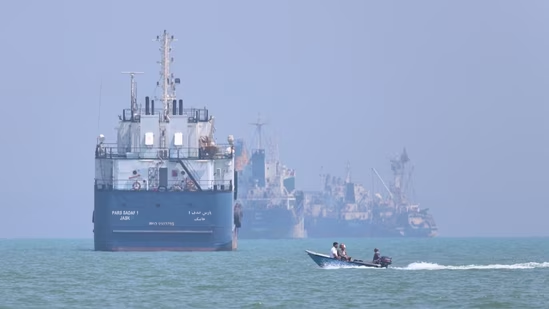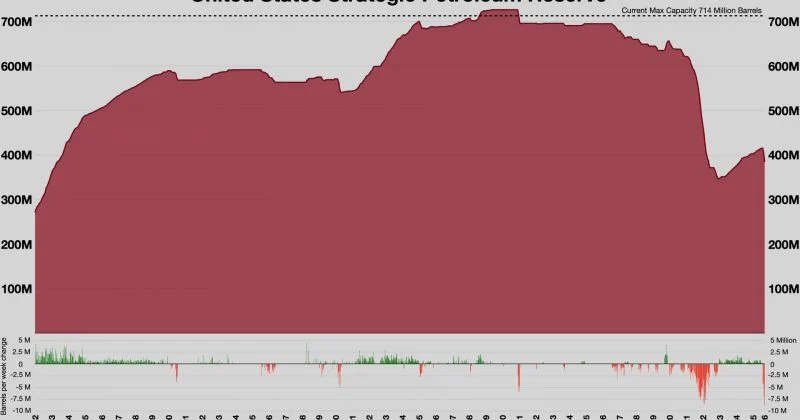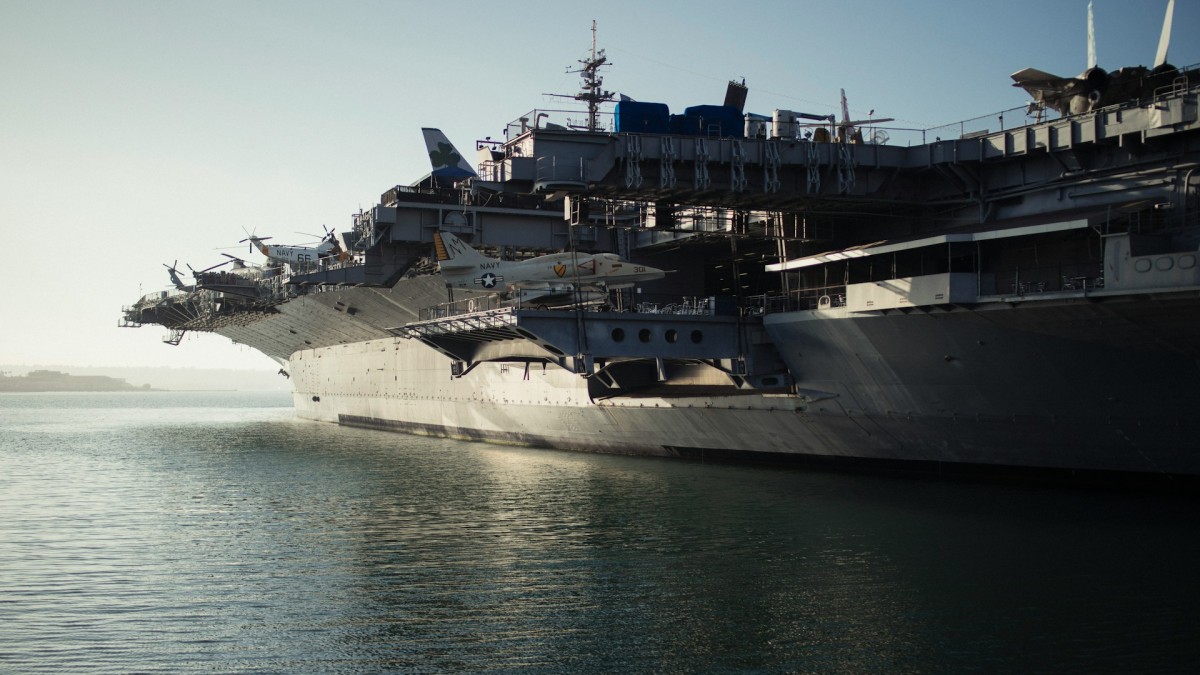
The latest oil price rally showed no sign of stopping in early Asian trading on Thursday, with both benchmarks climbing to their highest levels in more than six weeks as the U.S. and Iran continued to exchange strikes.At the time of writing, WTI crude was trading at $88.05 per barrel, up 1.41% on the session, while Brent crude had gained 1.76% to trade at $95.73 per barrel.The price rise came as the U.S. launched its 12th consecutive wave of strikes against Iranian military targets, while Yemen's Iran-backed Houthis intensified threats against oil shipping in the Red Sea, and the IRGC claimed an oil tanker had caught fire in the Strait of Hormuz.According to U.S. Central Command (CENTCOM), American forces began a fresh round of strikes at 5:30 p.m. ET on Wednesday under orders from President Trump, with the stated target of degrading Iran's ability to threaten commercial shipping and civilian mariners operating in regional waters.This 12th night of strikes came after Iran's Revolutionary Guards claimed an oil tanker had caught fire after attempting to transit a mined shipping route south of the Strait. Two additional tankers reportedly turned back, with Iranian officials declaring that the waterway was under their control and warning that vessels would not be permitted to transit without coordination with Tehran.Meanwhile, the Houthis announced they had expanded their campaign against maritime traffic by targeting Saudi oil shipments through the Bab el-Mandeb Strait. The group claimed responsibility for attacks on two Saudi tankers, while maritime security reports indicated that the Saudi-flagged tanker Encelia had been struck in the Red Sea.According to Iranian state media, the Houthis now claim to have forced at least nine ships to turn back from the Bab el-Mandeb Strait after announcing a naval blockade of Saudi Arabia.The renewed threats to two of the world's most strategically important oil shipping chokepoints, as well as the complete lack of diplomatic progress, have reignited fears of significant supply disruptions in a market that has already burned through a lot of its reserves.The one piece of bearish news came from the EIA, which reported that commercial crude inventories increased by 2 million barrels last week, defying analyst expectations for a draw of around 1.1 million barrels. The build reflected softer refinery activity, lower crude exports, and stronger imports.Under normal circumstances, the inventory increase would have weighed on prices, but geopolitical risk continues to drive sentiment. Short of a diplomatic breakthrough, traders should brace for further volatility and a continued rise in oil prices.By Josh Owens for Oilprice.comMore Top Reads From Oilprice.comIndia Keeps Buying Russian Oil at Near-Record Pace Despite Expired WaiverIran Says U.S. Struck Unfinished Nuclear Plant, Warns of Safety RiskOil Prices Top $90 as Kuwaiti Tanker Hit in Strait of Hormuz
Brent Nears $96 as U.S. Strikes Iran for 12th Consecutive Night | OilPrice.com
Oil prices climbed to six-week highs as escalating U.S.-Iran hostilities and mounting threats to key shipping lanes outweighed bearish U.S. inventory data.
454 words~2 min read