Academia
Human rights abuses are no longer confined by national borders, yet the institutions tasked with addressing them remain largely bound by them.
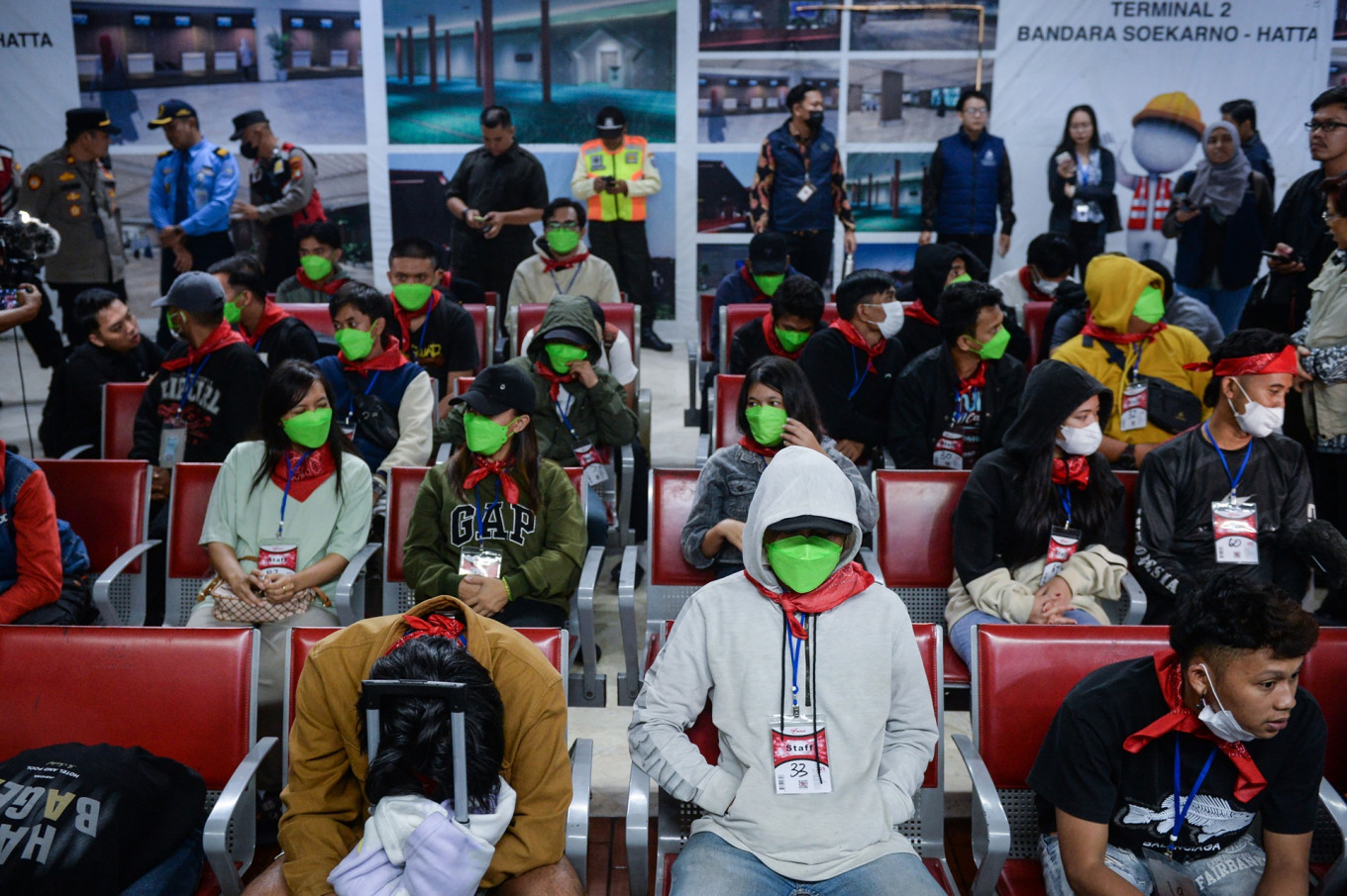
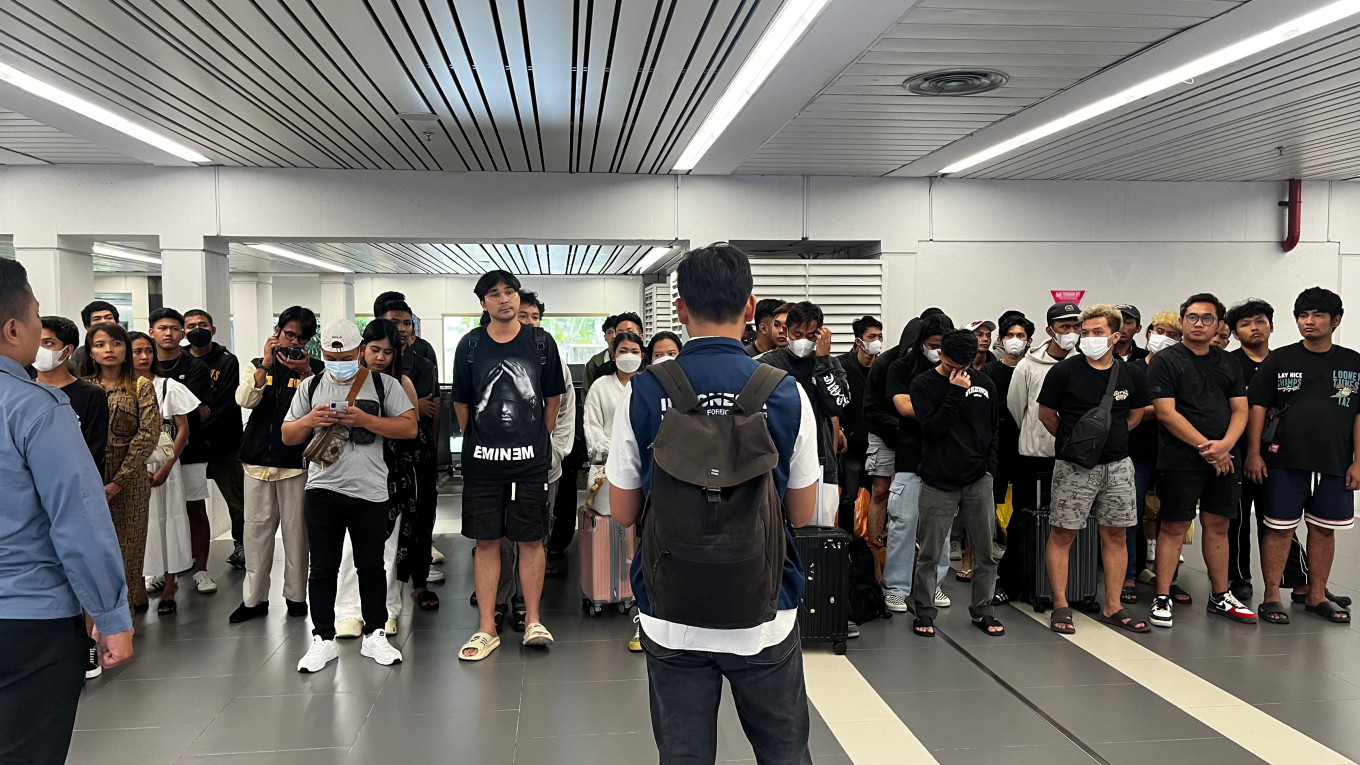
Indonesian nationals line up during questioning at Soekarno-Hatta International Airport in Tangerang, Banten on Feb. 22, 2026, upon returning from Cambodia on commercial airliners. The largest group of returning citizens entangled in online scam operations in Cambodia underwent questioning by a joint team that included law enforcement officers. (Courtesy of Indonesian Embassy in Phnom Penh/-)
In 2015, the remote island of Benjina in Maluku became synonymous with one of Southeast Asia’s worst modern slavery scandals. Hundreds of fishermen from Myanmar, Cambodia and Laos were trafficked into Indonesia’s fishing industry, forced to work under brutal conditions and often denied wages for years. Many endured physical abuse, confinement and deprivation, while the seafood they harvested flowed into global supply chains.Beyond the human tragedy, Benjina exposed a deeper challenge for human rights protection in an increasingly interconnected world. Human rights abuses are no longer confined by national borders, yet the institutions tasked with addressing them remain largely bound by them.