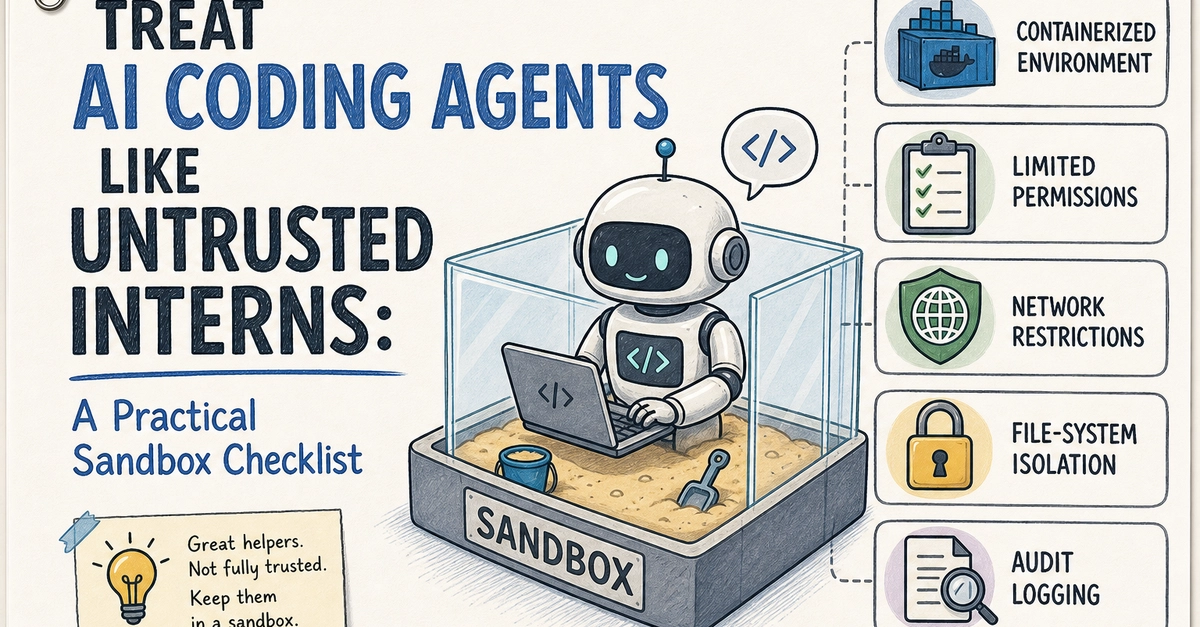
Pillar Security's latest research says AI coding agents can be pushed to act outside their sandbox through files and tools they were told to trust, and the operational read for anyone wiring one of these into CI/CD is straightforward: an agent invocation now behaves closer to a build runner reaching your production plane than to a chat window. DevOps.com's Jeff Burt covered the work on July 22.
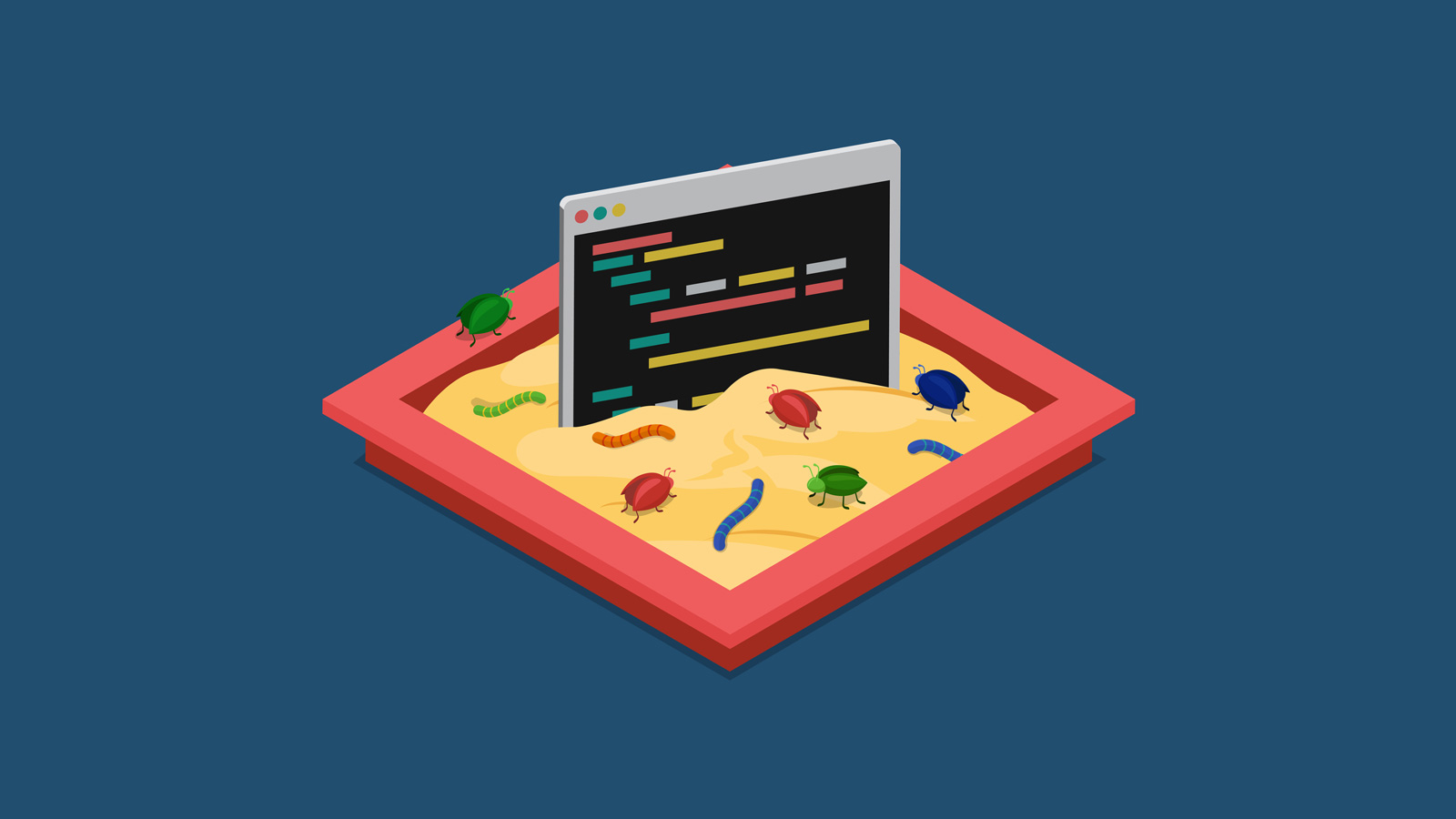
The researchers demonstrated multiple sandbox-bypass techniques and a parallel class of prompt-injection attacks embedded in READMEs, code comments and dependencies, per the DevOps.com writeup. OpenAI, Google and Cursor have patched several of the reported flaws. Pillar's argument, as summarised there, is that the injection surface reaches every file the agent trusts on the way to the model's prompt, and every tool it can call on the way back.
What the sandbox actually covered
None of this is entirely new to anyone who has already read Cyberhaven Lab's May note that adoption of AI coding agents is outpacing the security tools built to protect them. What Pillar adds is a concrete demonstration of the gap. A coding agent asked to do a legitimate job can be steered to take actions outside its supposed security boundary through content that arrives on paths the sandbox was not asked to police. Those are the same paths your CI already fetches for you: dependency manifests, README files, the code comments the model reads as context.