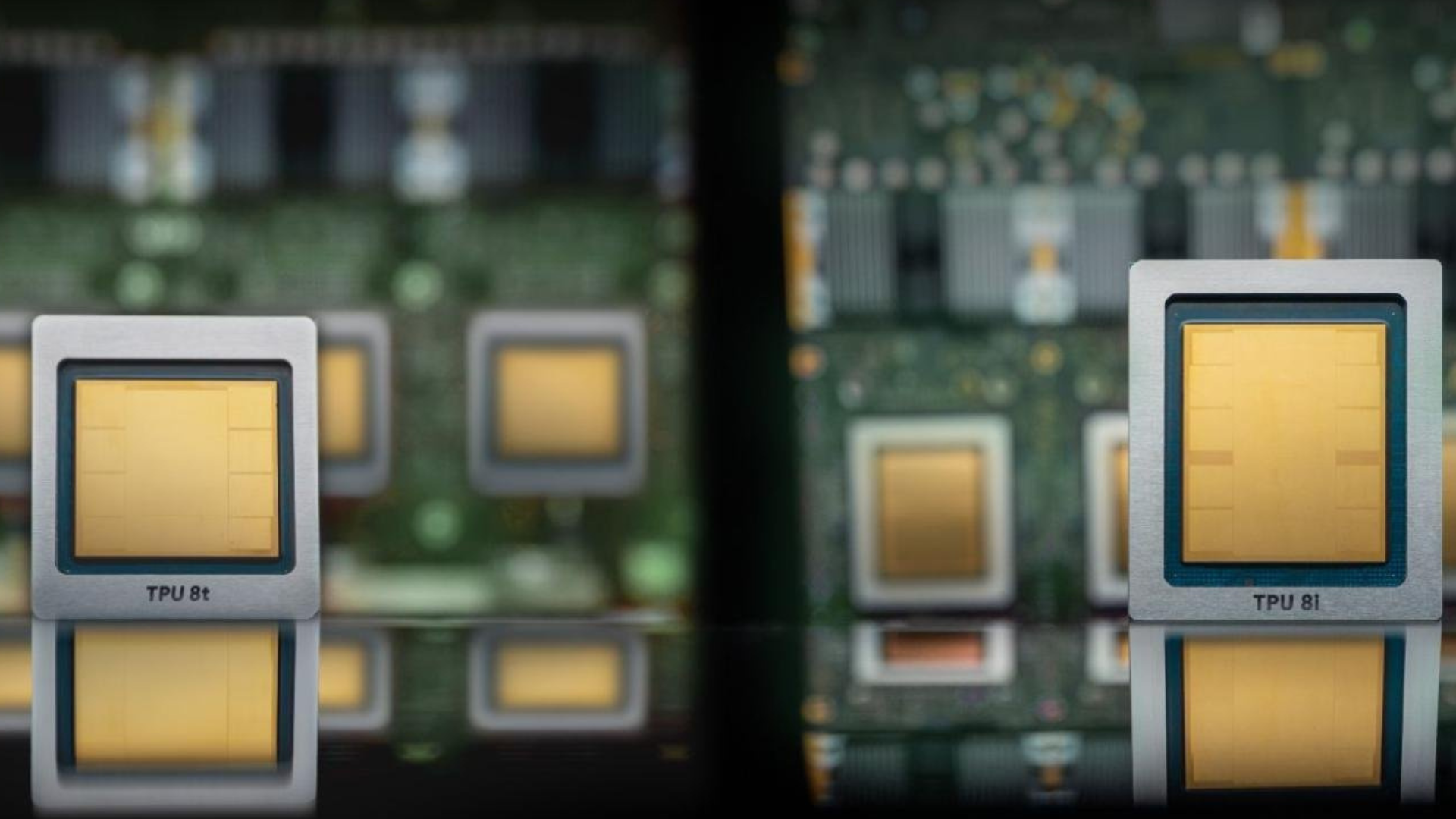
Google’s free cash flow for the second quarter of 2026 turned negative for the first time in the tech giant’s history as a publicly traded company, driven by record spending on artificial intelligence. Google ended the quarter with a negative free cash flow of $5.9 billion, company executives shared in the earnings call, and updated expectations to spend up to $205 billion in 2026, up from previous guidance of $180 billion to $190 billion. The capital expenditures will also “increase significantly in 2027,” parent company Alphabet’s chief financial officer Anat Ashkenazi said on the call. Analysts expect that number to at least hit $262 billion, according to Bloomberg. The reason? Usual suspect: the AI investment boom. “We expect that free cash flow will remain under pressure driven by our investments in technical infrastructure, which enable us to capitalize on the AI opportunity and continue to drive attractive returns,” Ashkenazi said. The tech industry is pouring trillions of dollars into building out supply for what they claim is unprecedented AI demand. But some experts fear the investment is simply too big and unwarranted, raising fears of a potential AI bubble. The free cash flow of the four AI hyperscalers -Google, Meta, Microsoft and Amazon- was expected to go negative by 2027 after the eye-watering capex commitments announced in the last round of earnings. Some investors are worried that Silicon Valley might be recklessly burning through cash in its AI buildout goal with limited returns. If the returns on that investment don’t pan out as expected, it’s bound to hit Nvidia’s financials as well, considering that the chipmaker counts all four hyperscalers as major customers.
Google Free Cash Flow Turns Negative Due to Massive AI Spend
In a company first, Google ended a quarter with negative free cash flow, while upping expenses to $200 billion.
759 words~3 min read