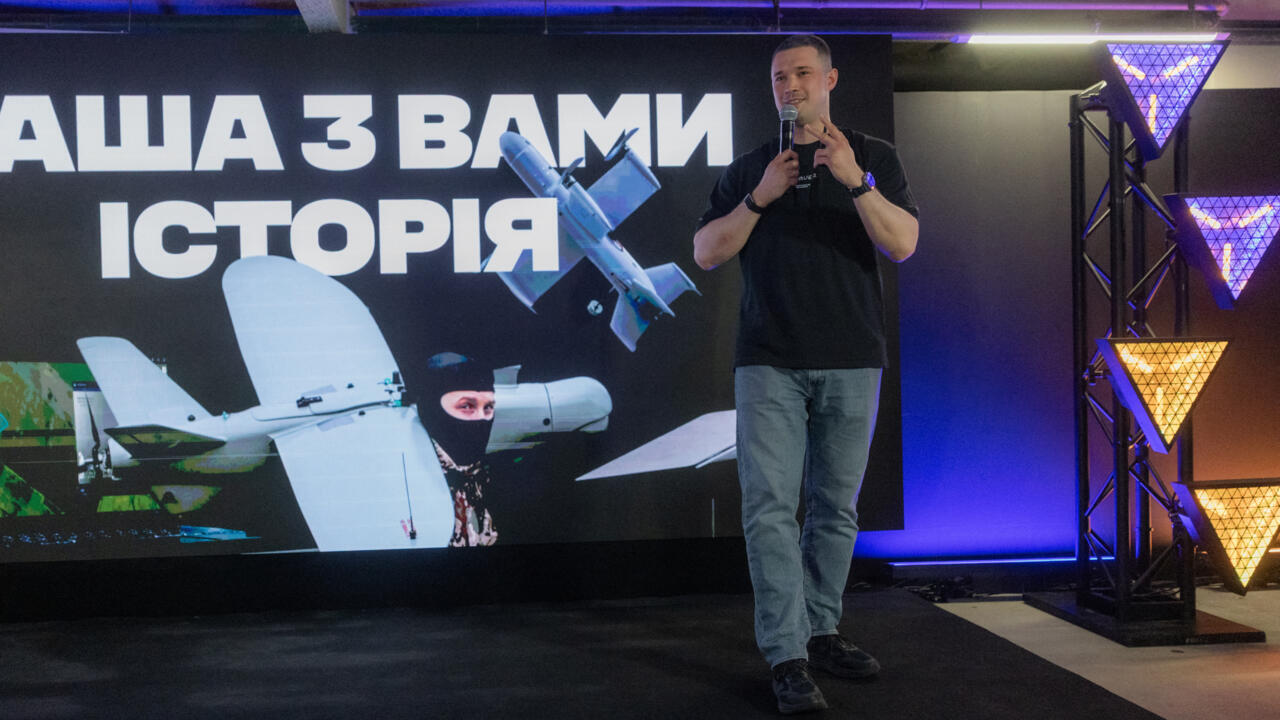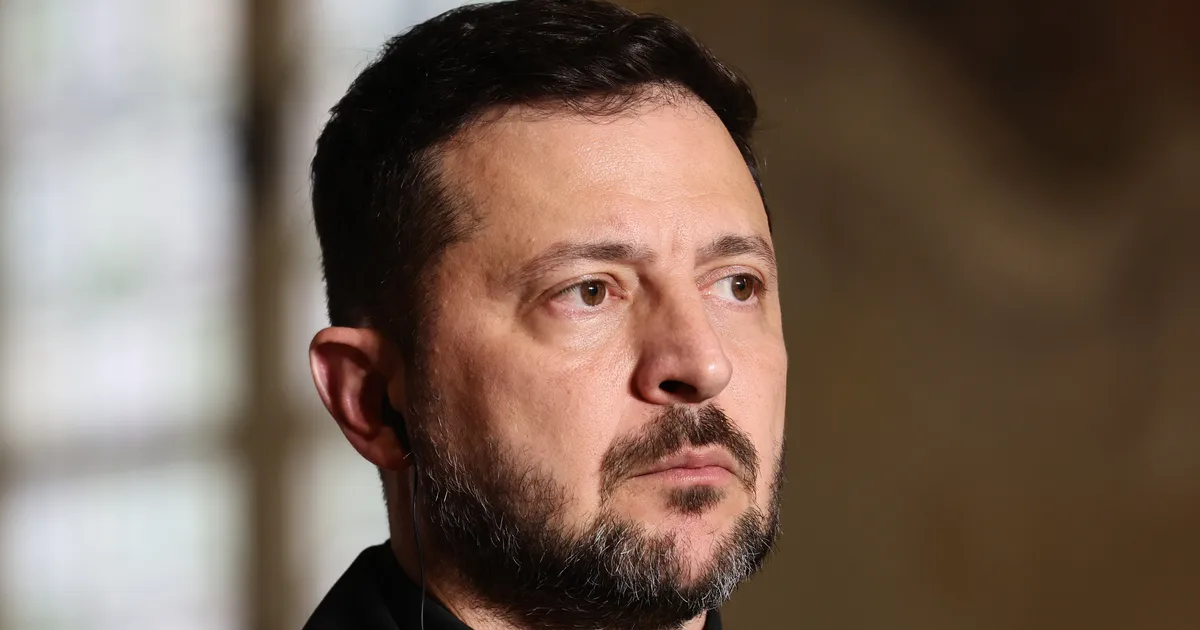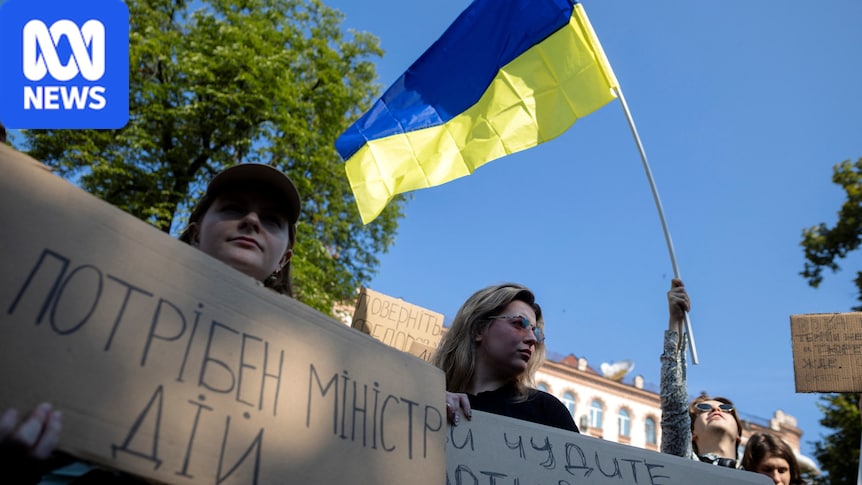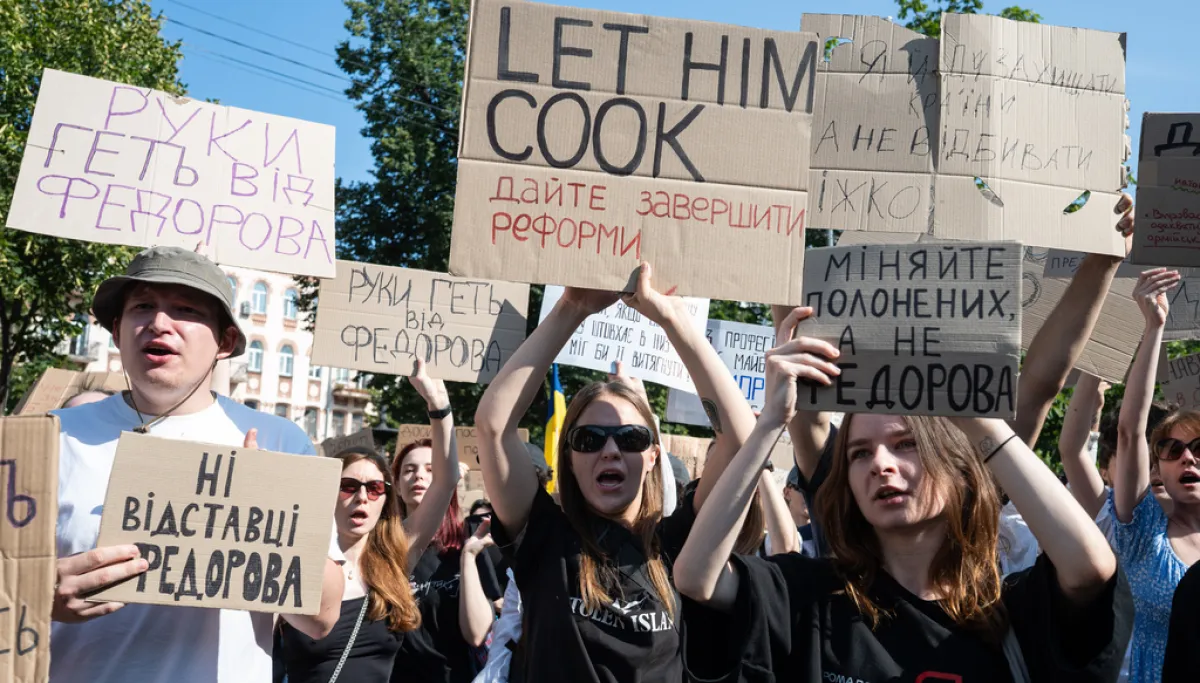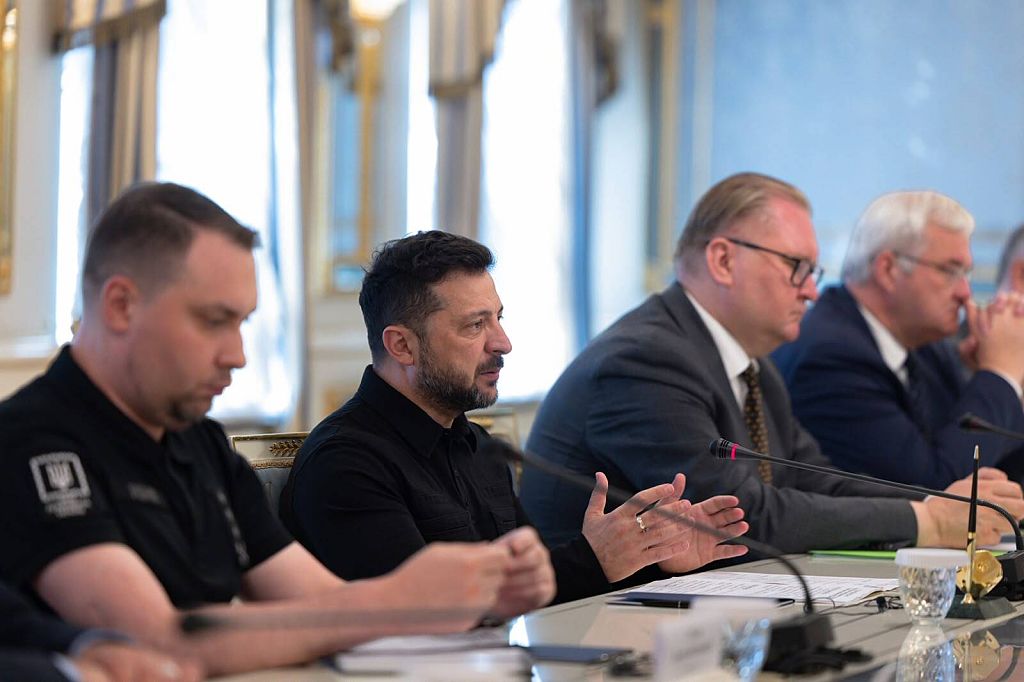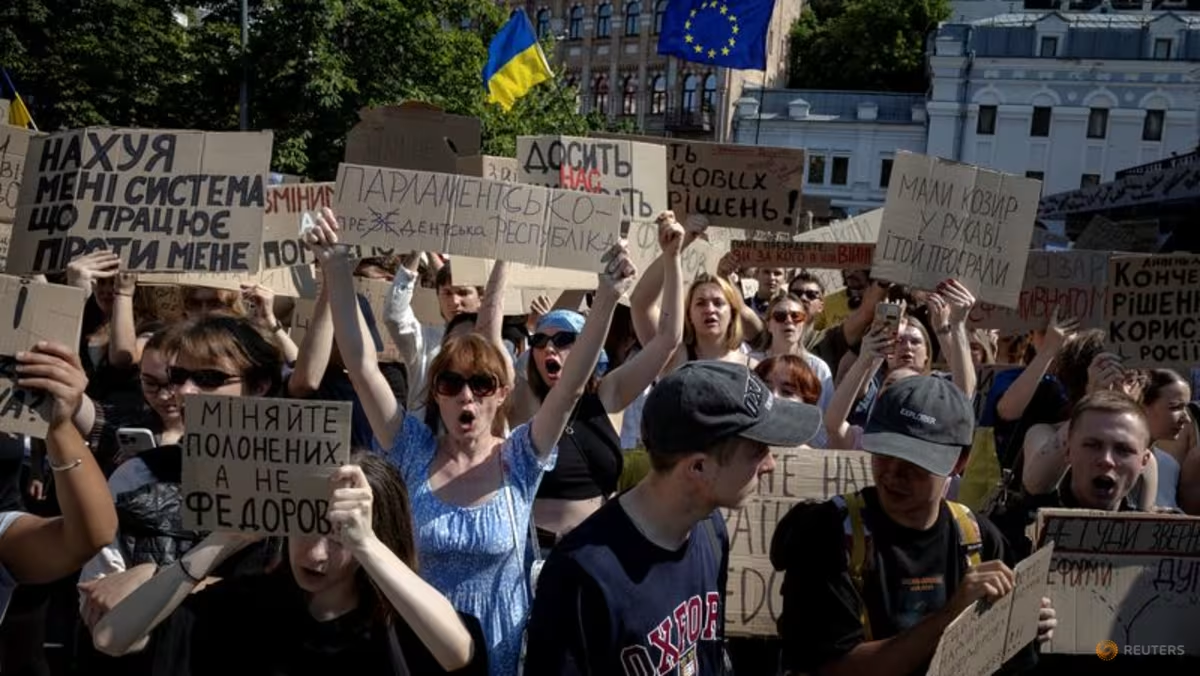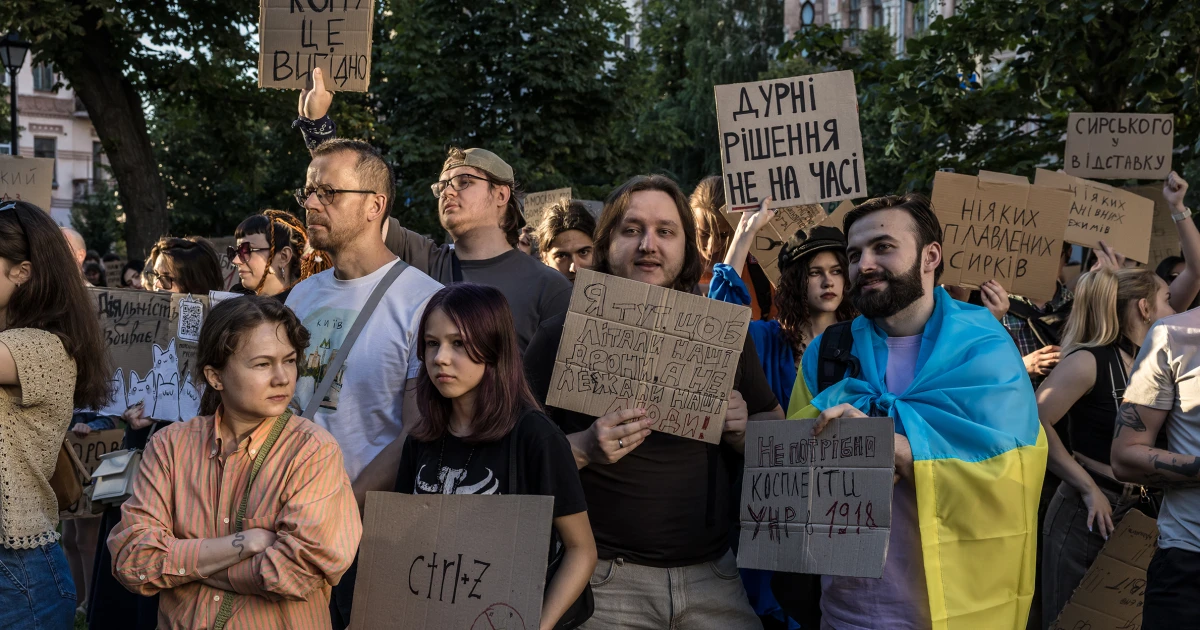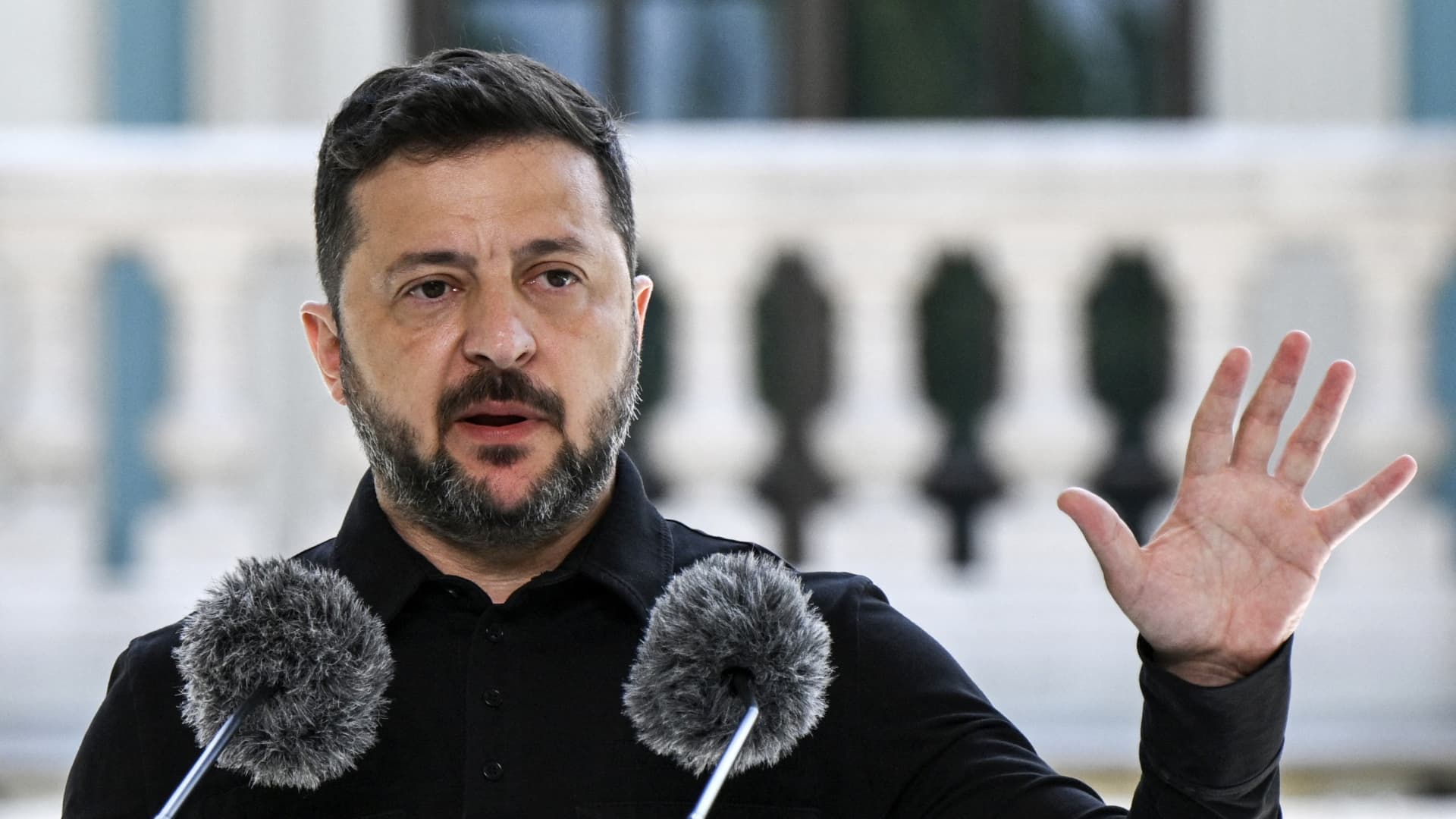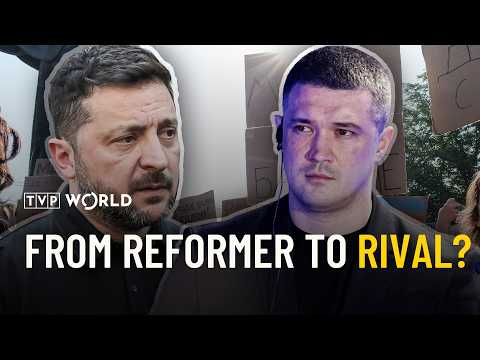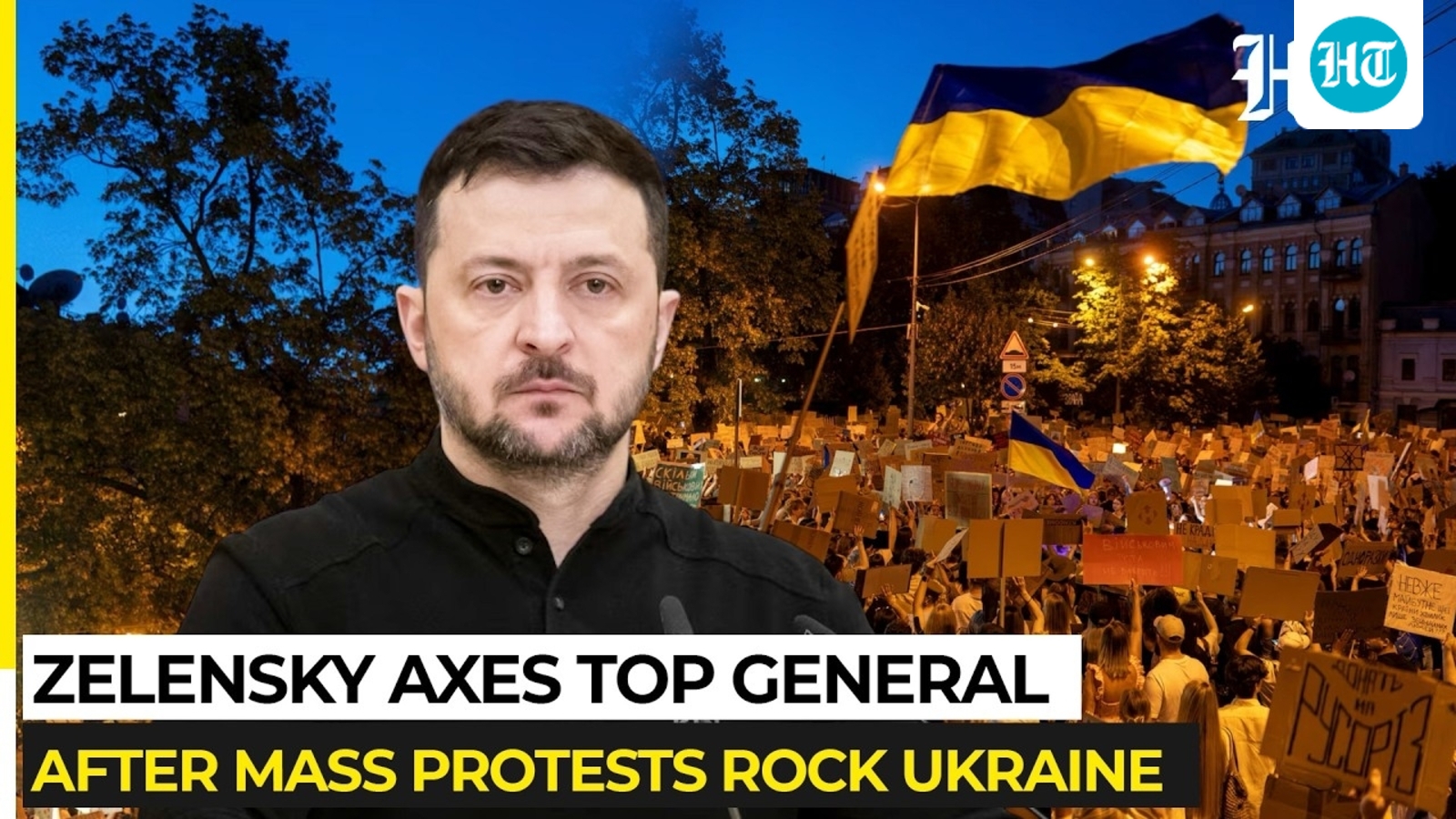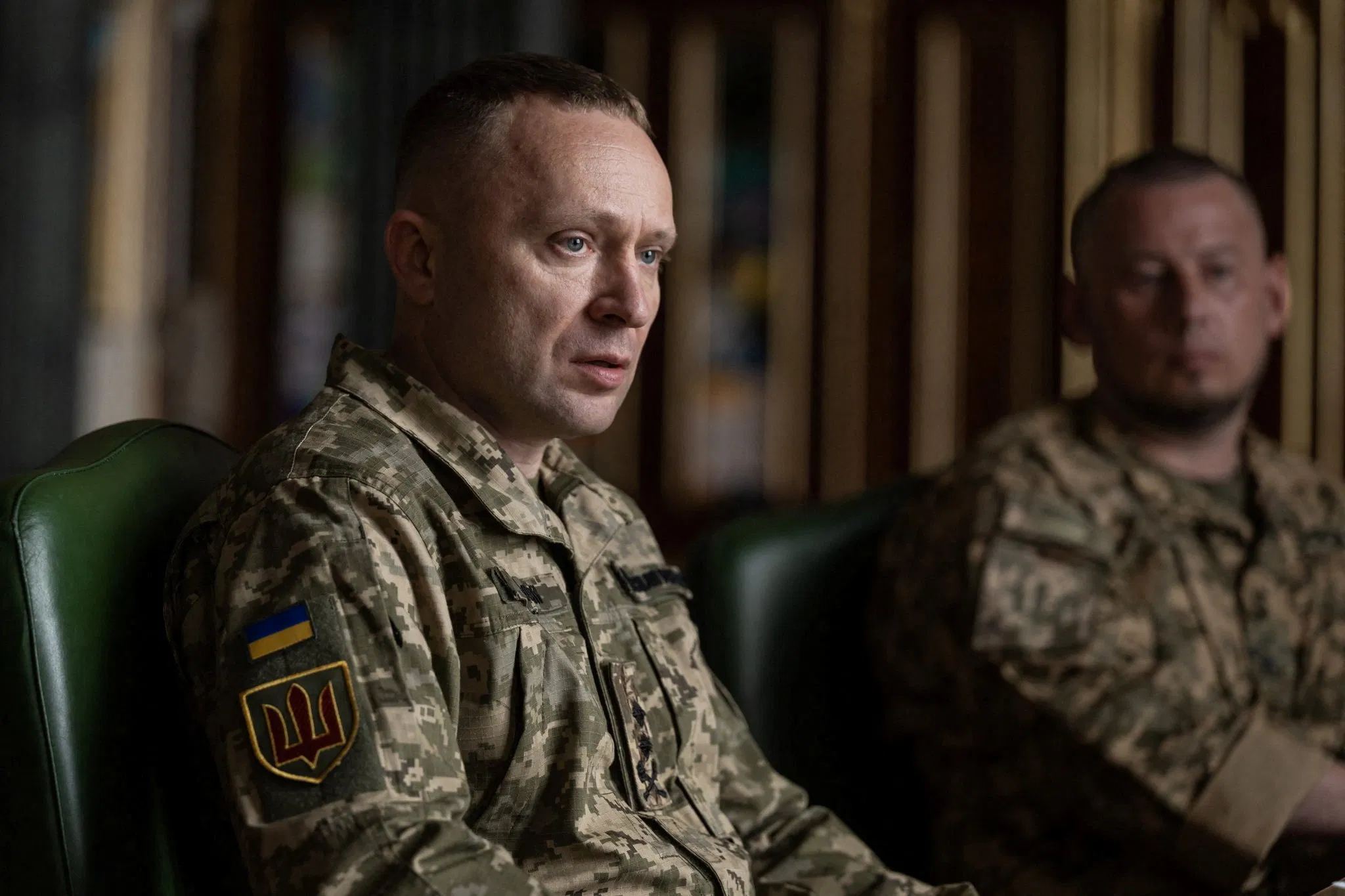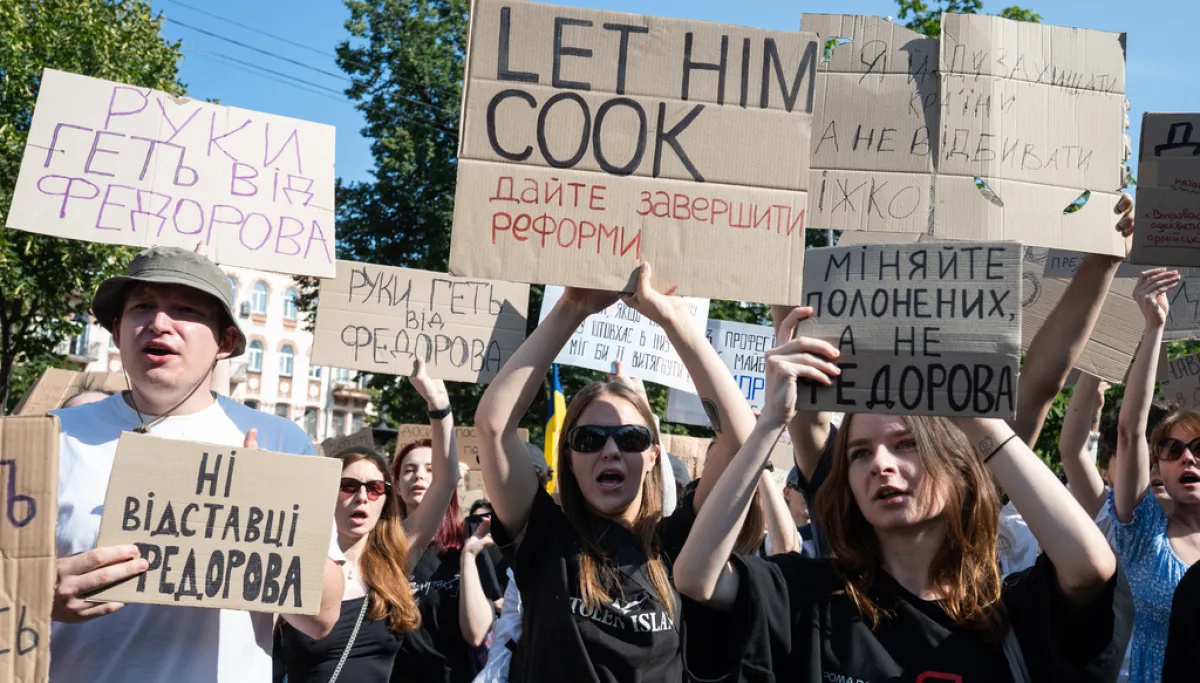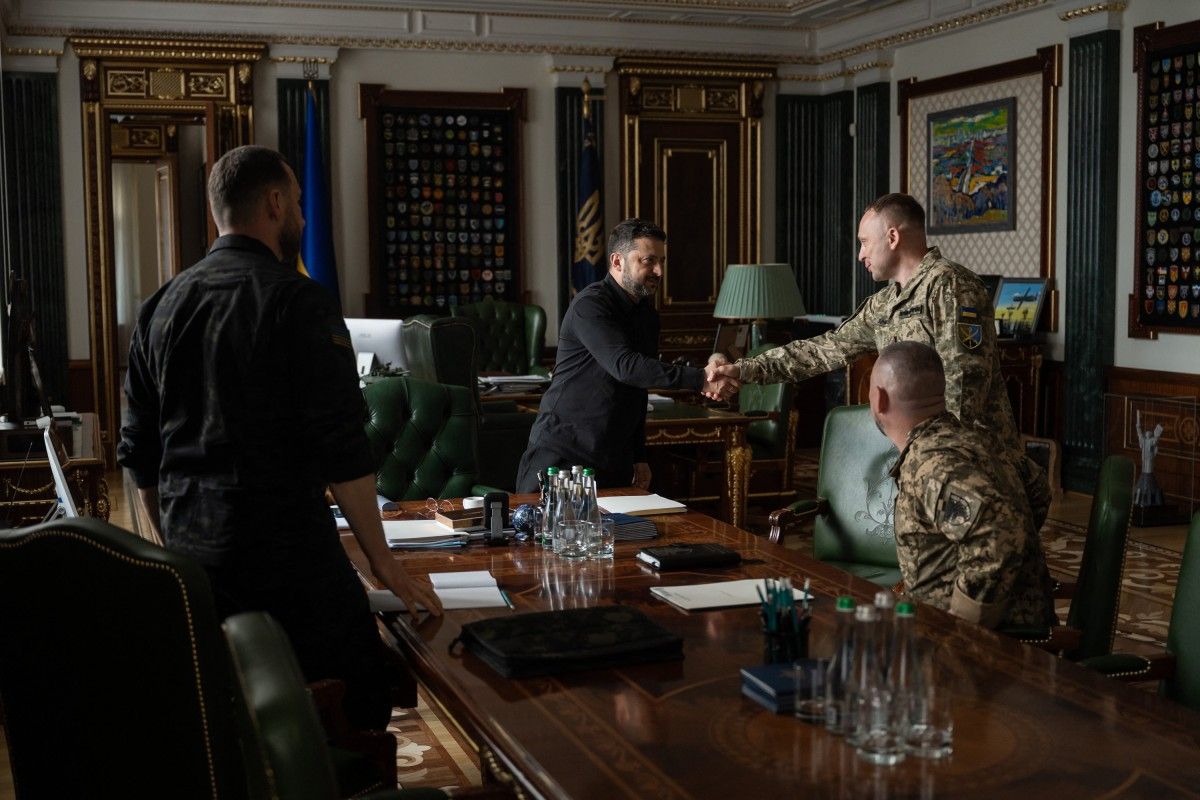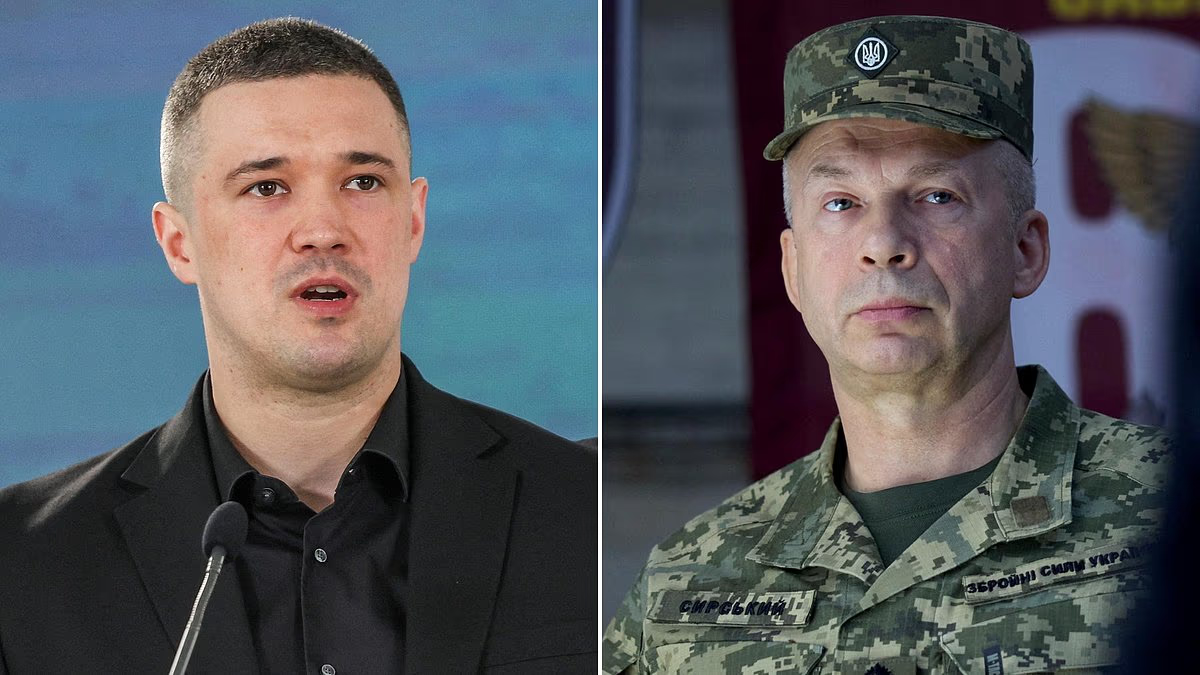
On July 15, Ukraine's President Volodymyr Zelensky sacked his young defence minister, Mykhailo Fedorov, supposedly as part of a 'government reshuffle'.The public reaction was immediate and explosive. Thousands poured on to the streets – among them veterans and serving soldiers on leave. 'Hands off Fedorov!' they bellowed.They demanded that the ambitious 35-year-old, a former adviser to Zelensky, be reinstated, arguing that he had been fighting to modernise a military establishment that refused to move with the times. Fedorov had championed drone warfare while digitising procurement and pushing hard against his nation's perennial curse of corruption.Many concluded that his dismissal stemmed from the ministry of defence's ongoing conflict with the military, led by commander-in-chief Oleksandr Syrskyi, Ukraine's most senior general since 2024.Soon the protesters shifted from simply defending Fedorov to demanding Syrskyi's removal. 'Ashamed of my commander-in-chief!' the crowds now yelled.Internal Ukrainian politics may seem arcane and remote to us, the battlefield far more important. But take it from me: the thousands of Ukrainians protesting these cabinet appointments and dismissals know something most of us do not.This is an argument not about personalities, but about military tactics. And that has a direct bearing on every one of us.Syrskyi is one of the most divisive commanders in modern Ukrainian history. On the one hand, he has achieved remarkable things. Before his appointment to the top of the Ukrainian military hierarchy, he helped organise the defence of Kyiv in the opening weeks of Russia's full-scale invasion in February 2022. Later that year, he masterminded the Kharkiv counter-offensive that sent Putin's forces scuttling back across the border. Mykhailo Fedorov was dismissed in Volodymyr Zelensky's latest reshuffle Battle-hardened commander-in-chief Oleksandr Syrskyihas been a divisive figureBut he is also the man who oversaw Ukraine's stand at Bakhmut in May 2022, the war's longest and bloodiest battle, likened by some analysts to Verdun and Stalingrad.It was there he pioneered his principle of 'active defence', holding successive defensive positions while constantly striking back, forcing Russia – particularly its mercenary Wagner group – to pay a monstrous toll in blood.I experienced this fight first-hand while embedded with Ukrainian special forces.Supporters argue Syrskyi bought Ukraine time to regroup while inflicting catastrophic losses on the enemy. Critics insist he held Bakhmut for too long, sacrificing perhaps 14,000 Ukrainian lives (with a further 16,500 missing).It is tempting to cast these protests, then, as a clash between old and new. Syrskyi, 60, a Soviet-trained general convinced centralised authority and grinding wars of attrition will secure victory versus Fedorov, a reformist millennial who looks to drones, software and AI to redefine the battlefield.The reality is more complicated.Syrskyi is no reactionary. He played a critical role in establishing Ukraine's Unmanned Systems Forces – its drone units – as a separate military branch. As one Ukrainian security source told me last night: 'The disagreement was fundamentally about two different styles of leadership. Syrskyi became associated with tight control, rigid hierarchy and micromanagement.' His view was that technology could enhance military power but never replace disciplined command or the fundamentals of warfare.Fedorov represented almost the opposite instinct. He approached defence with the mindset of a Silicon Valley tech bro. His guiding beliefs centre on rapid experimentation, decentralised decision-making and constant innovation. Thousands of Ukrainians have taken to the streets in protest at the move'The tensions between the general staff and [Fedorov's former] ministry of defence had been building for a long time,' my source says. 'The question became: who is really in charge of military reform?'By spring this year, disagreements over the pace of reform had morphed into a struggle over the strategy of the conflict.Finally, Zelensky intervened and sacked Fedorov last week – in what has turned out to be a colossal political mistake.Once the scale of the backlash became clear Zelensky knew he needed to change tack. So, on Tuesday this week, he sacked Syrskyi, too, saying Ukraine needed 'updated' military leadership.Syrskyi's successor, Mykhailo Drapatyi, 43, importantly, appears capable of bridging at least some of the divide between the general staff and a defence ministry still largely loyal to the ousted Fedorov.According to my sources, Drapatyi enjoys a good relationship with Fedorov and has reportedly asked for several of his deputies to remain in place. Whether that proves enough to defuse the crisis remains to be seen.But strip aside the byzantine political machinations and the dispute in Kyiv is of wider importance, centring on questions every Western military will soon have to answer. For 12 years, I have seen how this war has evolved: from artillery duels in the Donbas to autonomous drones hunting soldiers miles behind the frontlines.Every time external analysts believed they understood the character of this conflict, Ukraine changed it again. Mr Zelensky is shown a battle plan by the army's commander-in-chief in 2023The battlefield has expanded ever upwards. The sky has become saturated with cheap, increasingly intelligent machines that observe, hunt and kill – not just in the Eurasian steppe, but in Israel, Iran and the wider Middle East – and soon, perhaps, even further afield.At the same time, as Syrskyi has always understood, technology is never decisive on its own. Success depends on whether institutions can absorb innovation without losing the discipline, organisation and resilience that wars demand.Something a drone pilot once said to me at Kreminna, in eastern Ukraine, sticks in my mind. Picking up a book he told me, with contempt, that it was an officer training manual written several years ago.'It should be like a computer program,' he said, shaking his head. 'Updated every six months.'Warfare may increasingly belong to those who dominate the skies with autonomous systems. But those systems still depend upon the people who command them.This internecine Ukrainian squabble is another reminder of what I have long argued: the future has arrived in Ukraine. The rest of the world needs to catch up.
The power struggle between Ukraine's two top military geniuses
Internal Ukrainian politics may seem arcane and remote to us, the battlefield far more important. But the thousands of Ukrainians protesting know something most of us do not.
969 words~4 min read