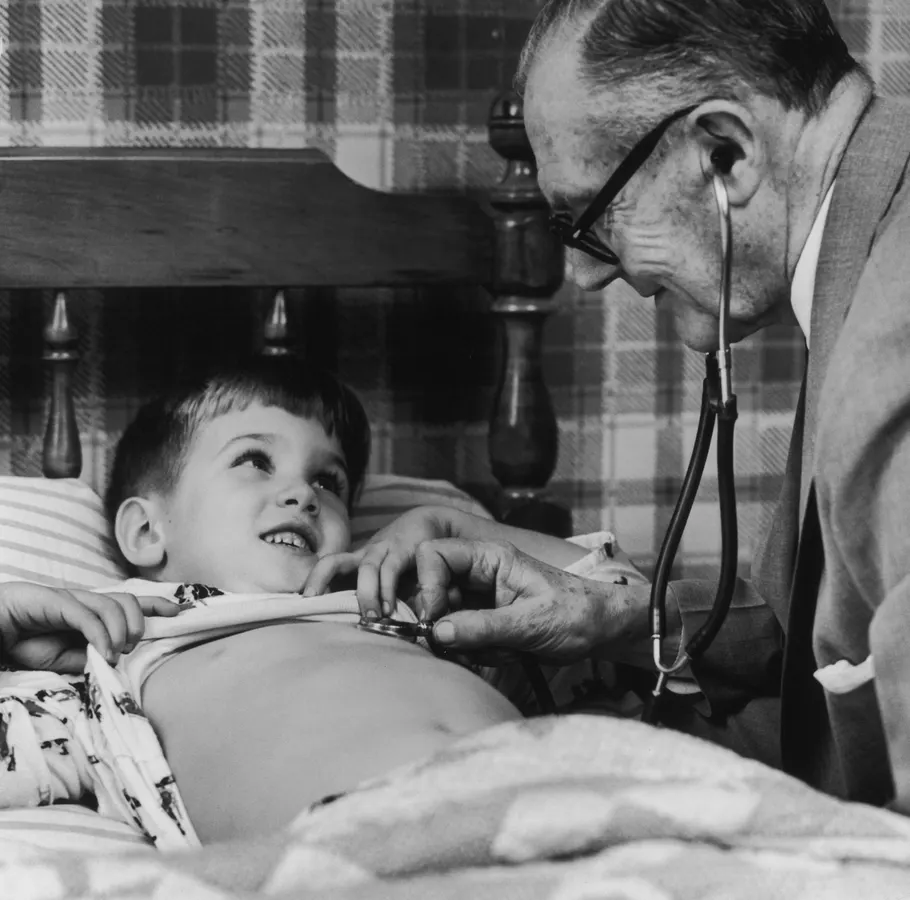
A doctor pays a house call to a young patient, circa 1950. Independent practices have significantly declined. The majority doctors now work for hospitals (Photo by FPG/Hulton Archive/Getty Images)Getty ImagesMedicare continues to pay more for identical outpatient services when they are delivered in a hospital outpatient department (HOPD) rather than a physician’s office or ambulatory surgery center. This differential is not a minor technicality. It creates a structural incentive for consolidation, raises costs for taxpayers and beneficiaries, and distorts where care is delivered. Private practices and independent clinics are being bought and absorbed by sprawling healthcare systems at an alarming rate.Ultimately, this means patients pay more for their care.Outpatient Prospective Payment System For HospitalsDoctors bill Medicare under the Physician Fee Schedule (PFS). When a physician provides a service in an independent office, Medicare pays a single amount that covers both the doctor’s professional work and the practice’s overhead costs (staffing, rent, equipment, etc.).Hospitals bill under a different system—the Hospital Outpatient Prospective Payment System (OPPS). When the same service is provided in a hospital outpatient department, two separate bills are submitted:The physician still bills under the PFS, but at a lower “facility” rate because the hospital is now covering the overhead.The hospital separately bills Medicare a facility fee under OPPS to cover its own costs for staffing, infrastructure, and operations.Because Medicare pays both the physician’s facility-rate fee and the hospital’s facility fee, the total payment is usually higher than the single payment made for the identical service in an independent physician office. Ambulatory surgery centers generally receive lower total payments than hospital outpatient departments for the same procedures.MORE FOR YOUA Concrete Back-Pain Example Of Patients Paying MoreA 62-year-old Medicare beneficiary presents with six weeks of axial low-back pain, no red-flag symptoms, and no prior advanced imaging. The physician performs a detailed history and physical examination, reviews prior films, discusses conservative management, and orders physical therapy plus non-opioid analgesics. No injection or surgery occurs that day.This is a common pathology seen by spine professionals.Independent Physician Office Visit
A Neurosurgeon Explains Why Doctor Visits Now Cost Twice As Much
When a hospital owns a doctor’s clinic, the same clinic visit can cost twice as much. What is site-neutral payment reform, and why is your doctor bill so high?
1,102 words~5 min read