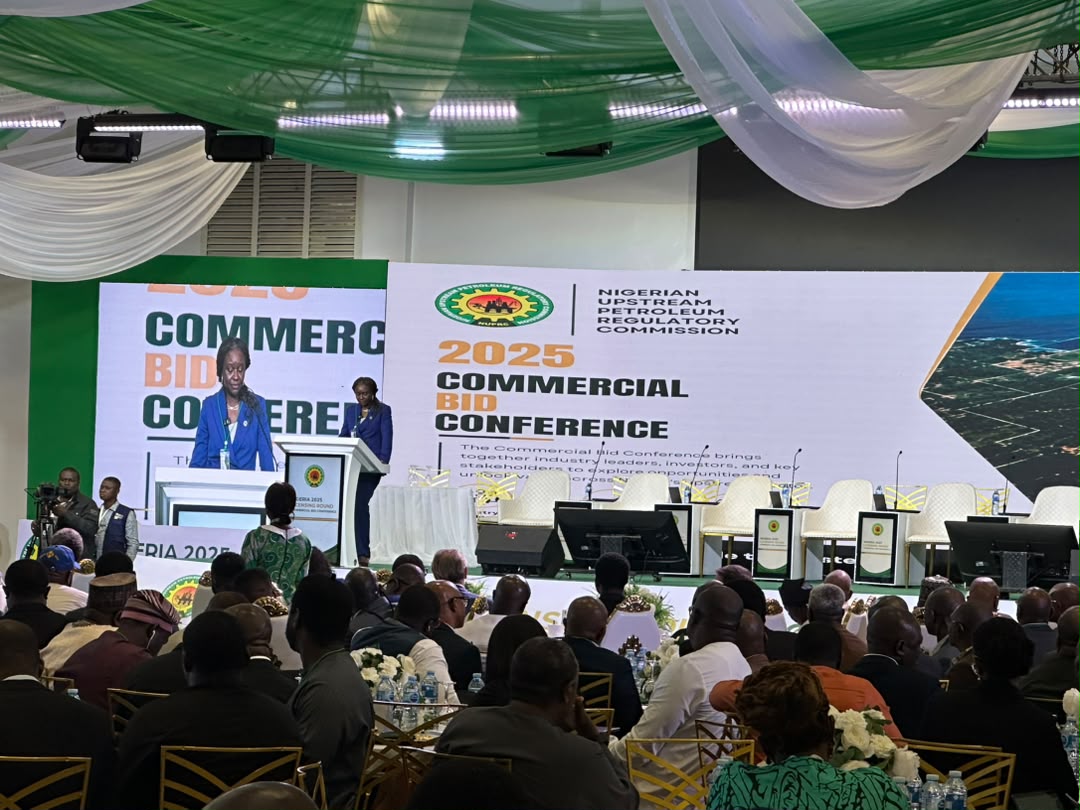
The 2025 Licensing Round which culminated in a commercial bid conference last Tuesday in Abuja carried a responsibility beyond allocating acreage. It was an opportunity to show that Nigeria’s upstream petroleum regulatory culture is evolving, writes Emmanuel Addeh.
Following the announcement of Nigeria’s 2025 Licensing Round winners at the Commercial Bid Conference in Abuja, focus shifted to the companies awarded new petroleum assets.
Thirty-one companies secured 37 oil and gas blocks after a competitive process that drew 200 bids from 143 qualified companies, covering assets in the Niger Delta, deep offshore, and frontier basins.
These results are significant as the awarded assets are expected to add about 500 million barrels to Nigeria’s reserves and increase daily crude oil and condensate production by at least 300,000 barrels within three years. This supports the government’s goal of reaching 3 million barrels per day by 2030. Additionally, these assets will generate government revenue, foreign exchange, employment, technology transfer, and broader economic benefits.
However, the commercial awards represent only one aspect of the overall narrative. A more important question is whether Nigeria has shown it can allocate petroleum rights through a process that investors view as transparent, predictable, and credible. That question has followed every licensing exercise in Nigeria for decades.