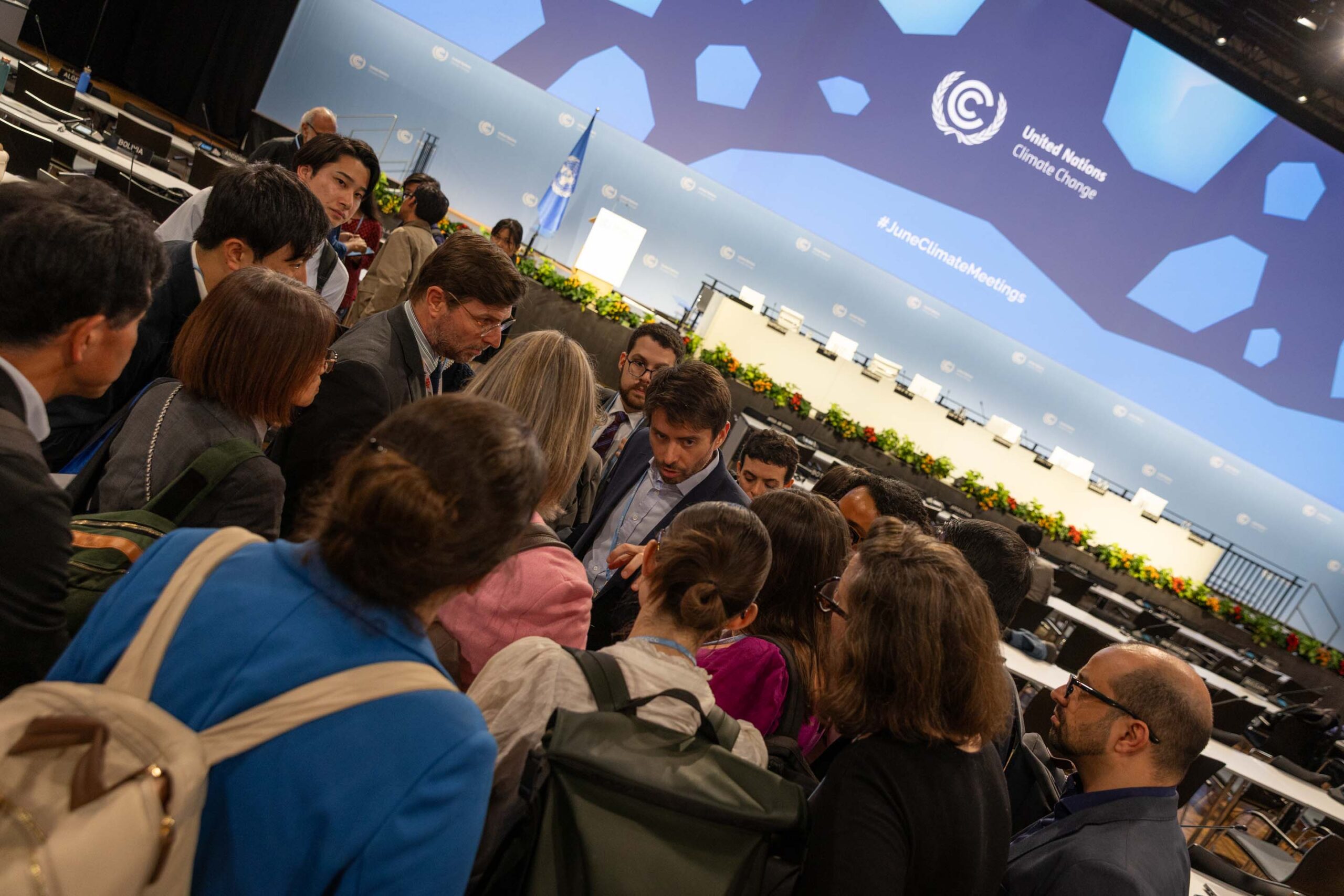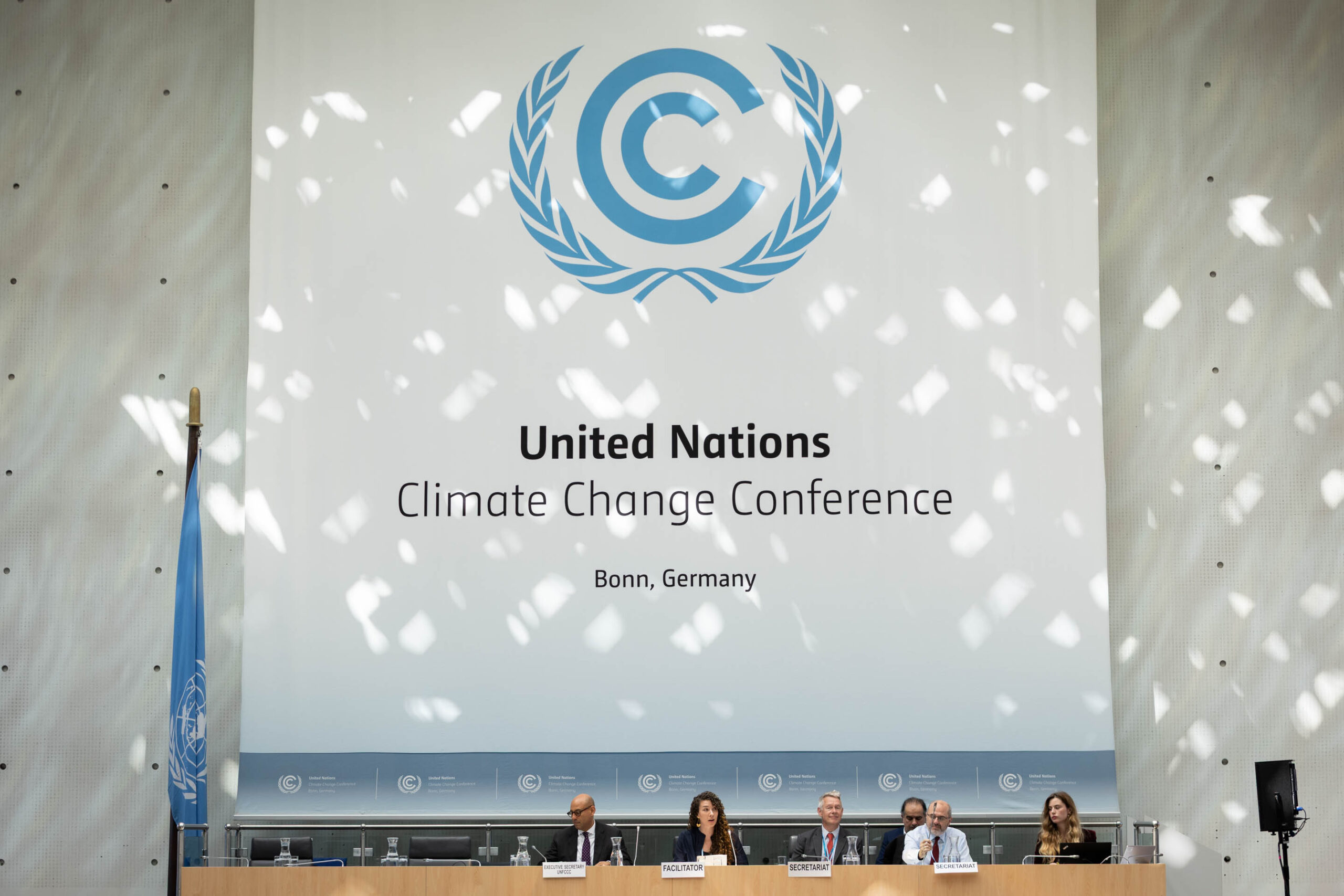
The annual United Nations climate negotiations are often judged by the size of the applause that follows the adoption of an agreement. Yet, some of the most consequential climate meetings end without fanfare. Such was the case with the 64th Sessions of the Subsidiary Bodies of the United Nations Framework Convention on Climate Change, held in Bonn, Germany, from June 8 to 18, 2026.
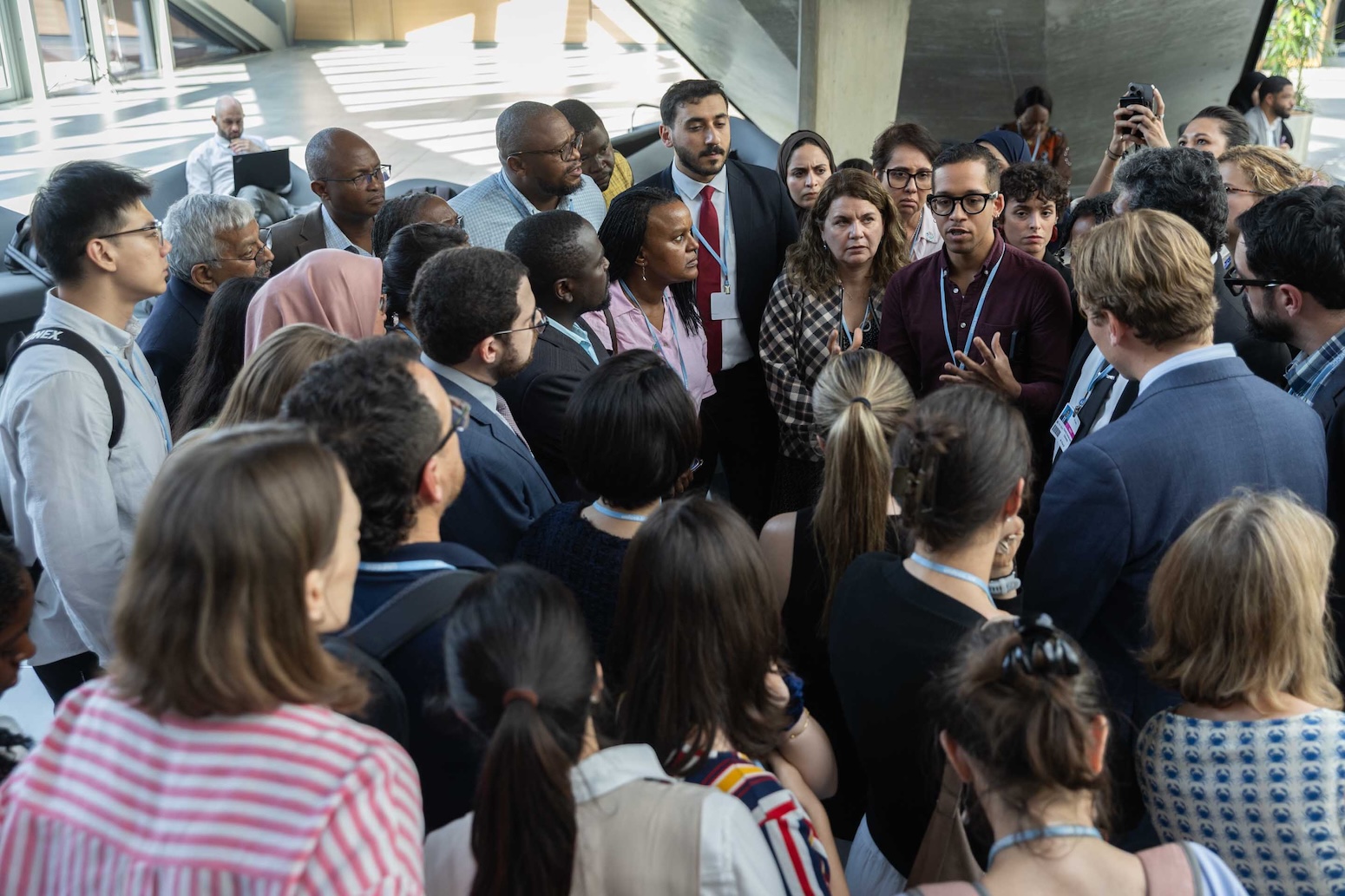
Popularly known as mid-year COPs, this year’s Sessions of the Subsidiary Bodies were primarily an implementation conference. Different from the Conference of the Parties or COPs, which often produce major political declarations, the Bonn meetings focused on translating previous agreements – especially those from COP30 in Belém – into practical negotiating texts for COP31 in Türkiye, later in the year.
Unlike the COP, where presidents and prime ministers dominate the headlines, the Bonn meeting is the engine room of global climate diplomacy. It is where negotiators wrestle with the technical details that eventually shape decisions at the annual COP. There are no dramatic declarations, but there is painstaking work that determines whether lofty promises will ever become reality.
If there was one unmistakable message from SB64, it was this: the era of climate promises is over; the era of implementation has begun. For Nigeria, this message could not have come at a more critical time.