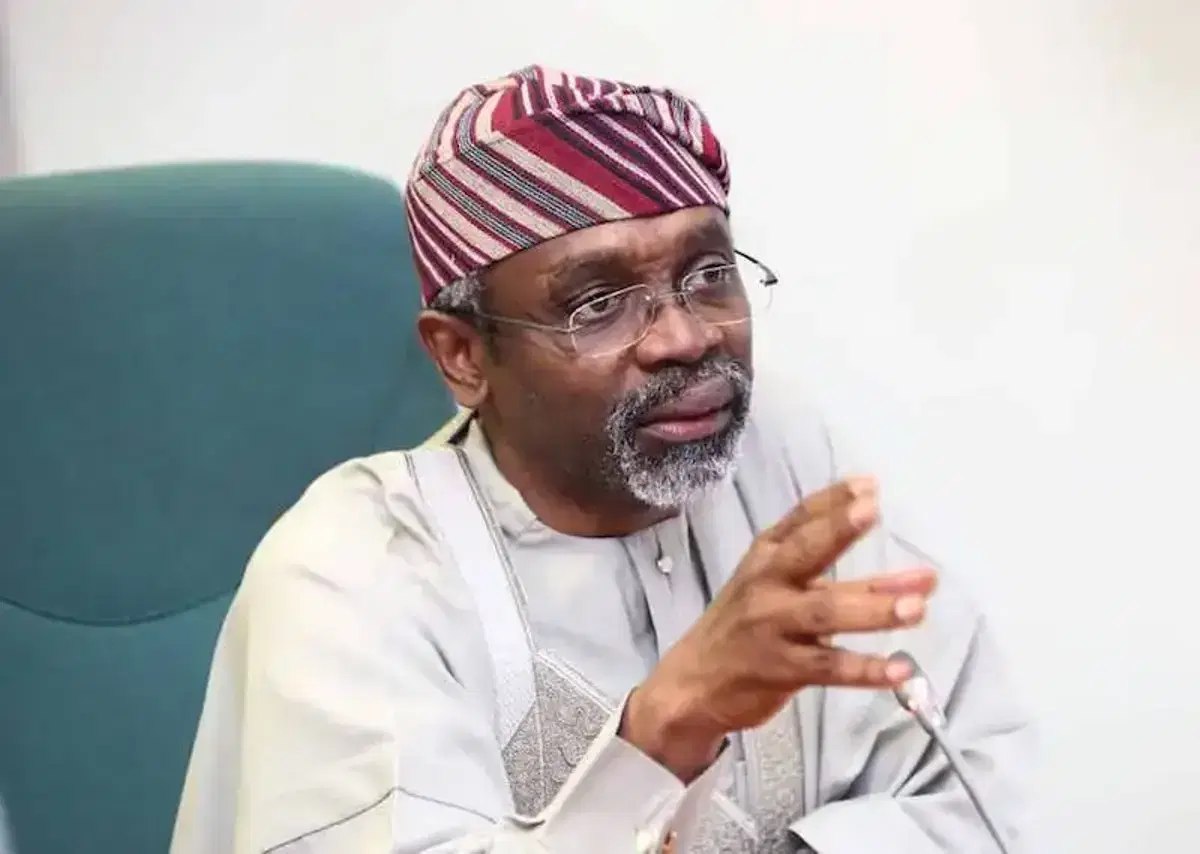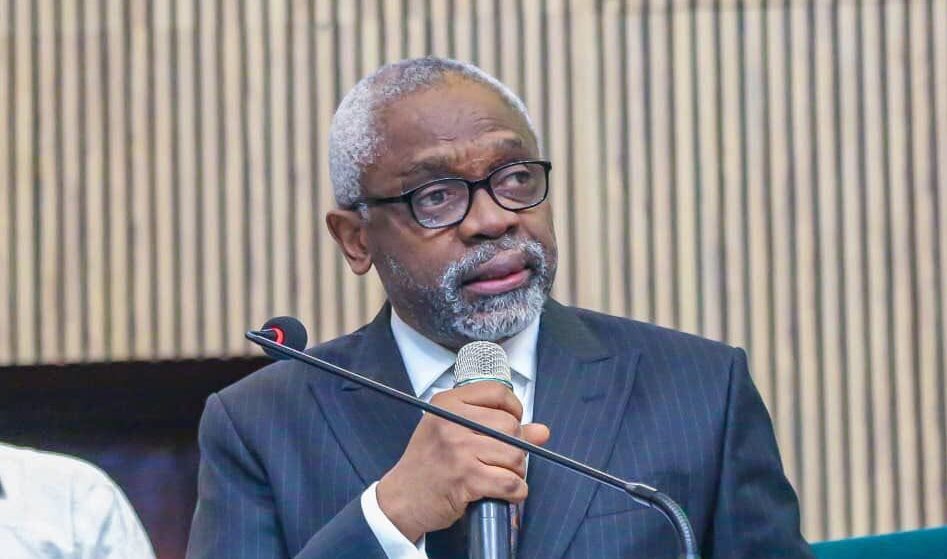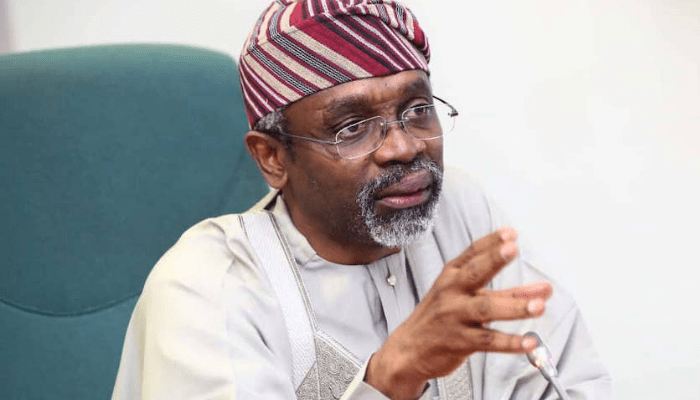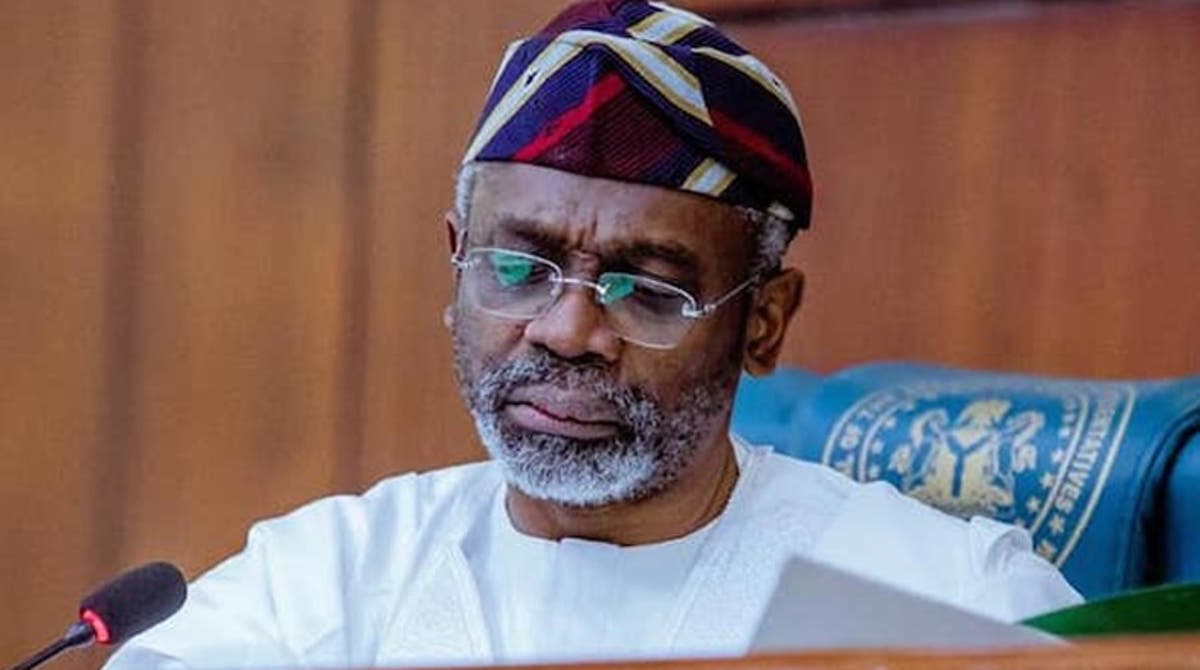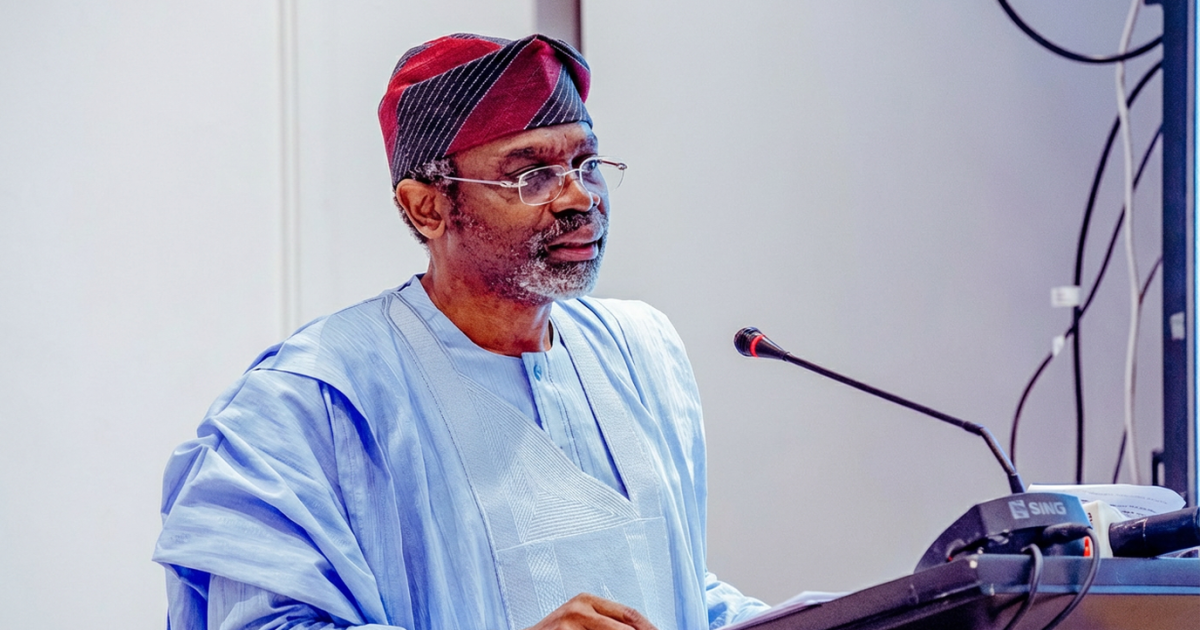
The press statement announcing that the President’s Chief of Staff, Femi Gbajabiamila, had appeared before the ICPC as part of the investigation into the activities of the purportedly fake PFIPC included a bemusing sentence stating he “…returned to his duty post” afterwards. Ideally, conducting a serious investigation on accusations against a high-ranking public officer like Gbajabiamila should warrant his stepping aside from office (so he does not use his office to influence the outcome of the investigation). However, he is not only sitting tight, but he also managed to return straight to his work desk as if the grilling he purportedly faced was not that rigorous. I do not expect the ICPC agents to have browbeaten him to extract information, but his returning to duty post immediately suggests the invitation was perhaps unnecessary. Bringing in a high-ranking official like Gbajabiamila for questioning suggests the ICPC has done some extensive investigative work and needed him to either clarify details or implicate himself. What was the point of this?
In fact, if there is something I would like to witness, it should be the sight of ICPC officials “grilling” a man who has the power dynamic in his favour. How do you subject a man with such undeniable influence and political capital to the intense interrogative process that a major corruption investigation like the case of PFIPC requires? I would love to witness the scene of this supposed grilling because I am genuinely interested in seeing if the ICPC investigators possess the institutional autonomy—and their agents, the individual resolve—to confront a Nigerian big man without turning deferential. How were they not overwhelmed by a man so close to the president, and who would have arrived at their office in a “convoy”, a motorcade filled with fawning police officers, soldiers saluting like programmed dolls, and DSS officials contorting their faces into scowls just so they could look intimidating? I want to see how a relatively tame organisation like the ICPC confronts a man who is that much protected by official power. Did they apologise each time they had to ask him what seemed like a hard and probing question?