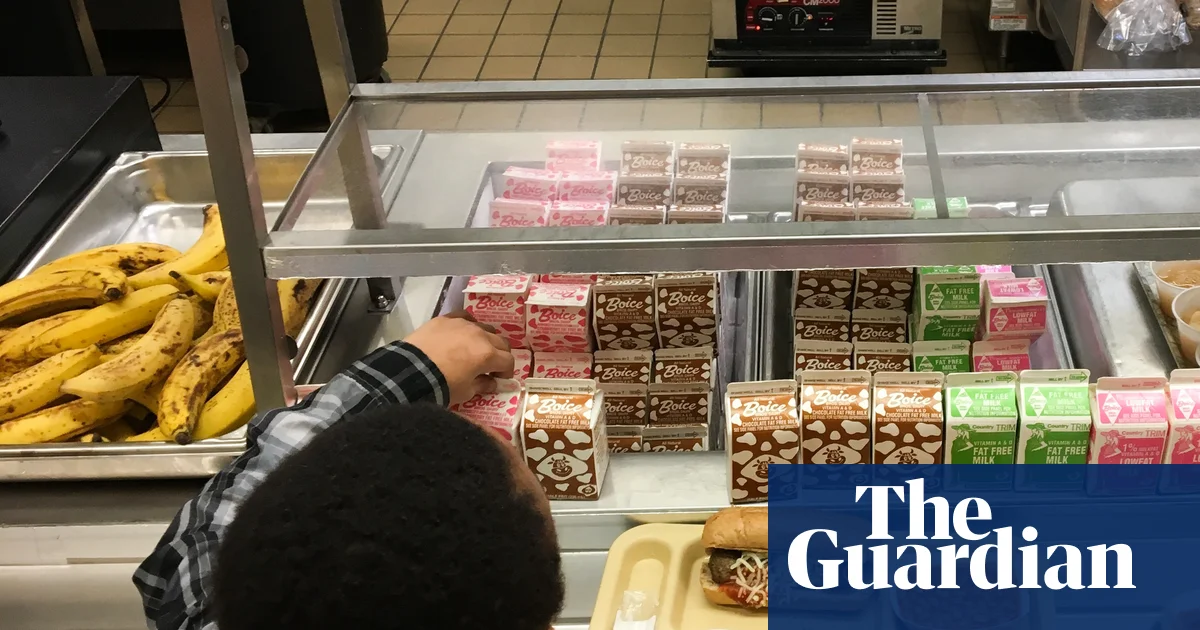
Pizza, pastries and parfaits are staples in many school cafeterias. But new research from the University of Mississippi and the University of Southern Mississippi suggests some of students' favorite meals may contain more sodium and sugar than schools will be allowed to serve under updated federal nutrition standards.
The U.S. Department of Agriculture will require schools across the United States to reduce sodium and added sugars in meals by fall 2027. A new study published in Nutrition Reviews aimed to identify which popular menu items are highest in sodium and sugar, giving school officials a starting point for creating healthier menus.
"School meals are designed to meet nutrition standards, and for many children, they are among the most balanced meals they eat," said Aleshia Hall-Campbell, executive director of the Institute of Child Nutrition at Ole Miss. "But because students may eat school breakfast and lunch many times each week, the nutrition quality of those meals matters.
"Reducing added sugars and sodium is not about blaming school meals. It is about using school meals as an opportunity to support children's health while still serving foods students enjoy."
The researchers aimed to create healthier versions of students' preferred meals that adhere to updated guidelines for the National School Lunch Program and School Breakfast Program, said Ruaa Al Juboori, assistant professor of public health and data analytics statistician.