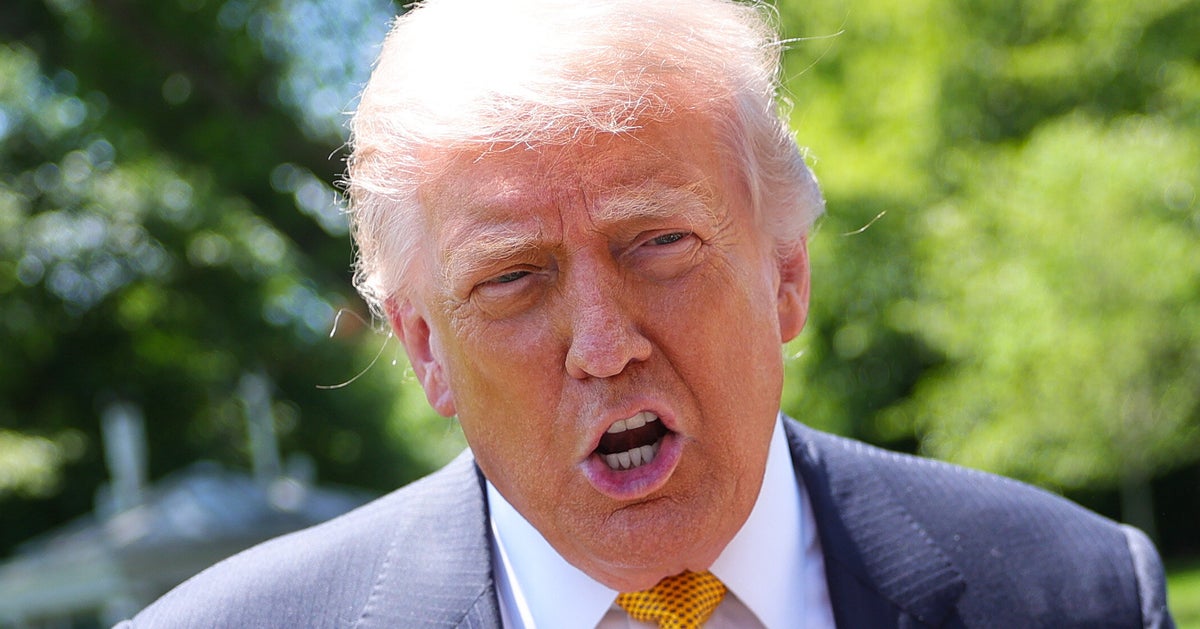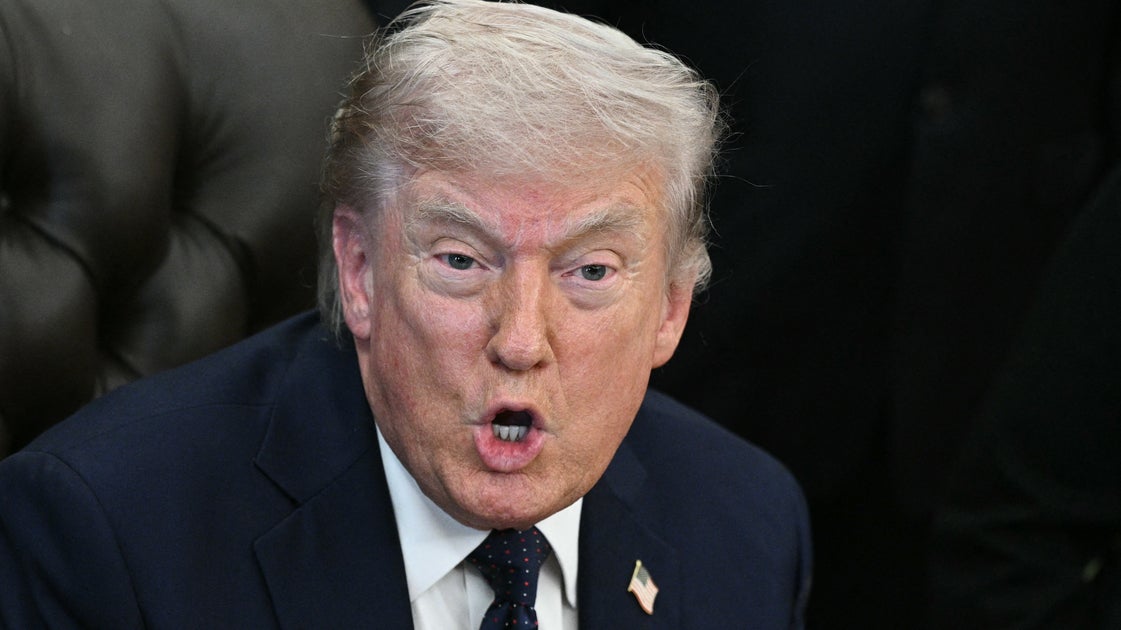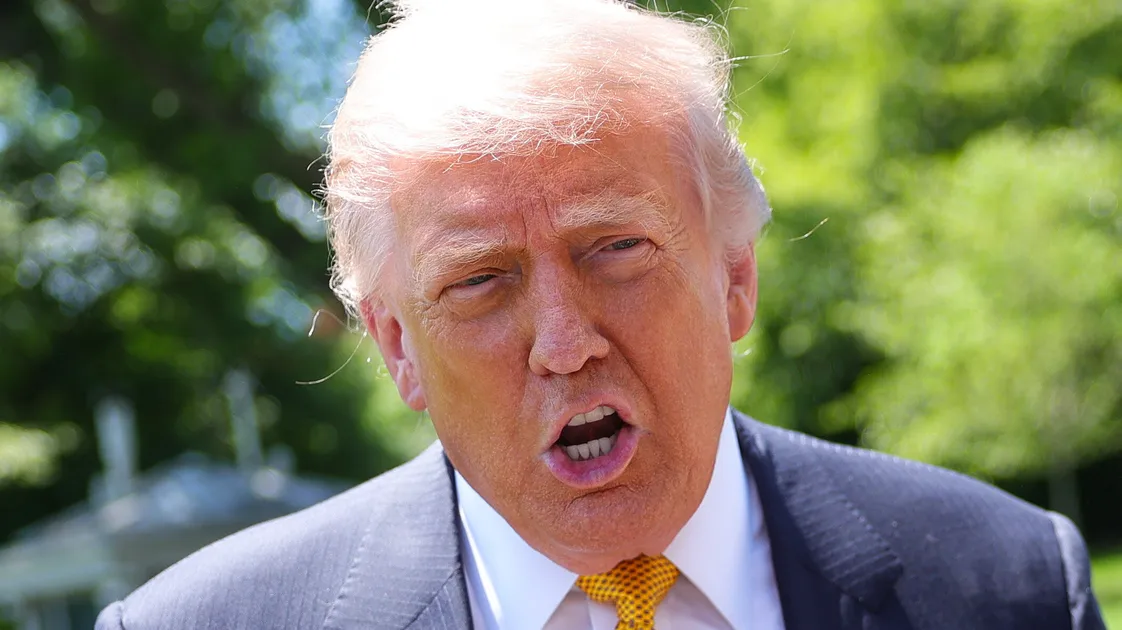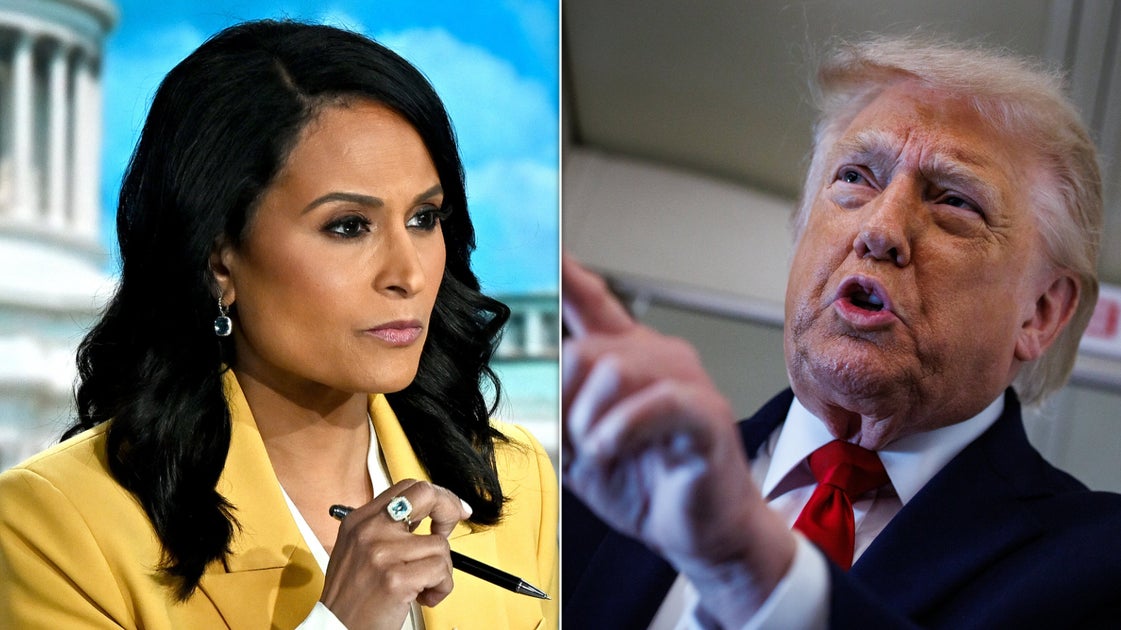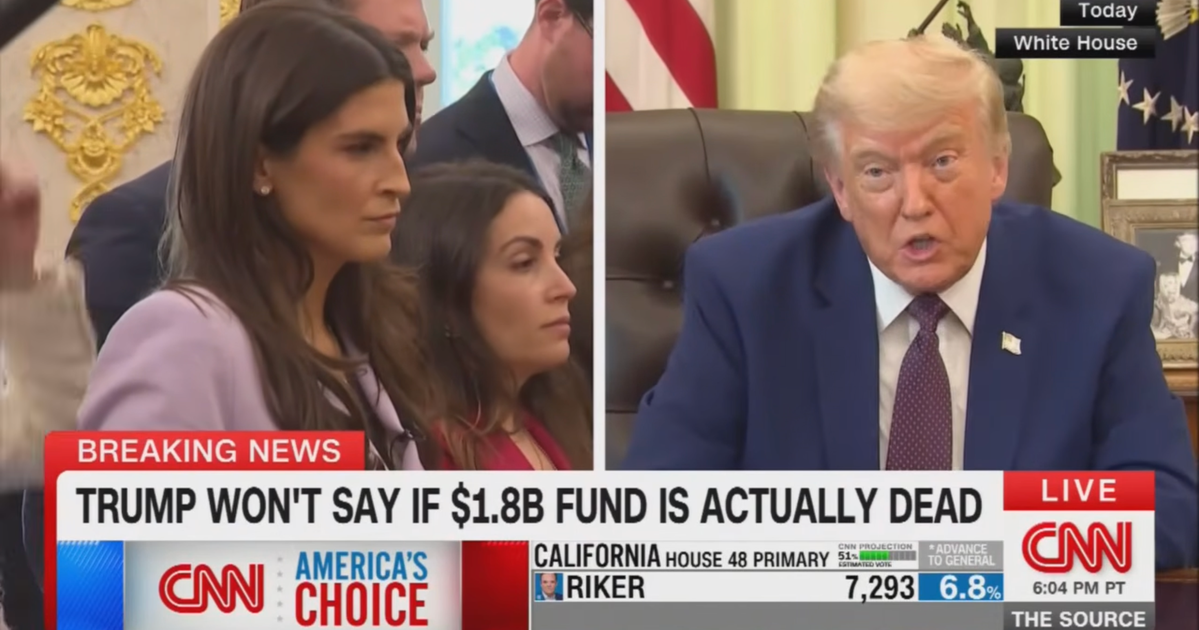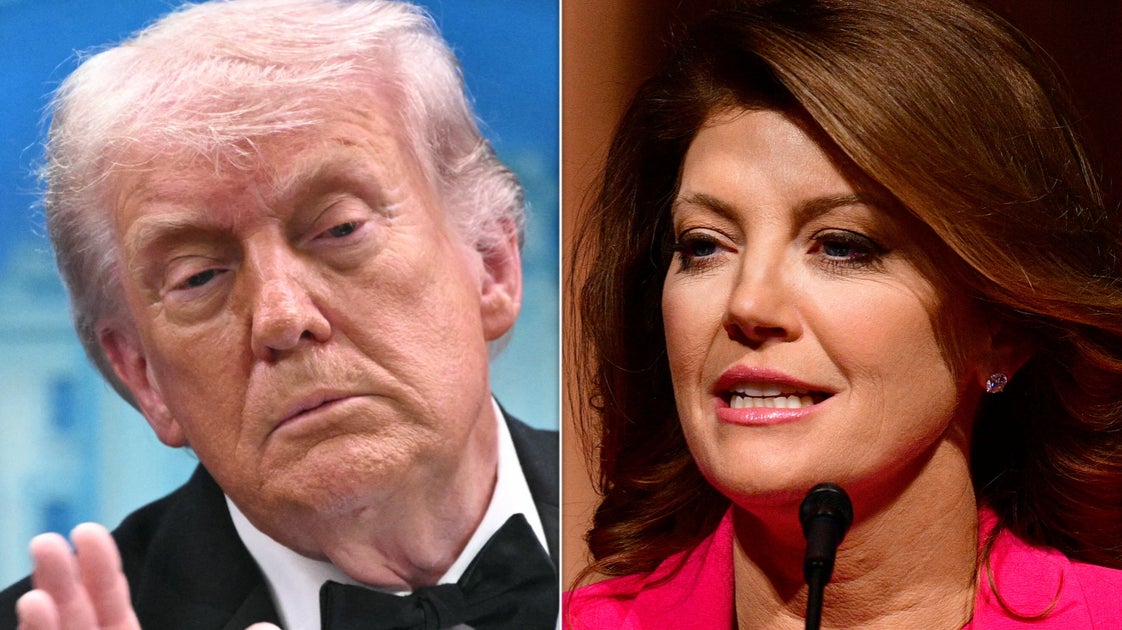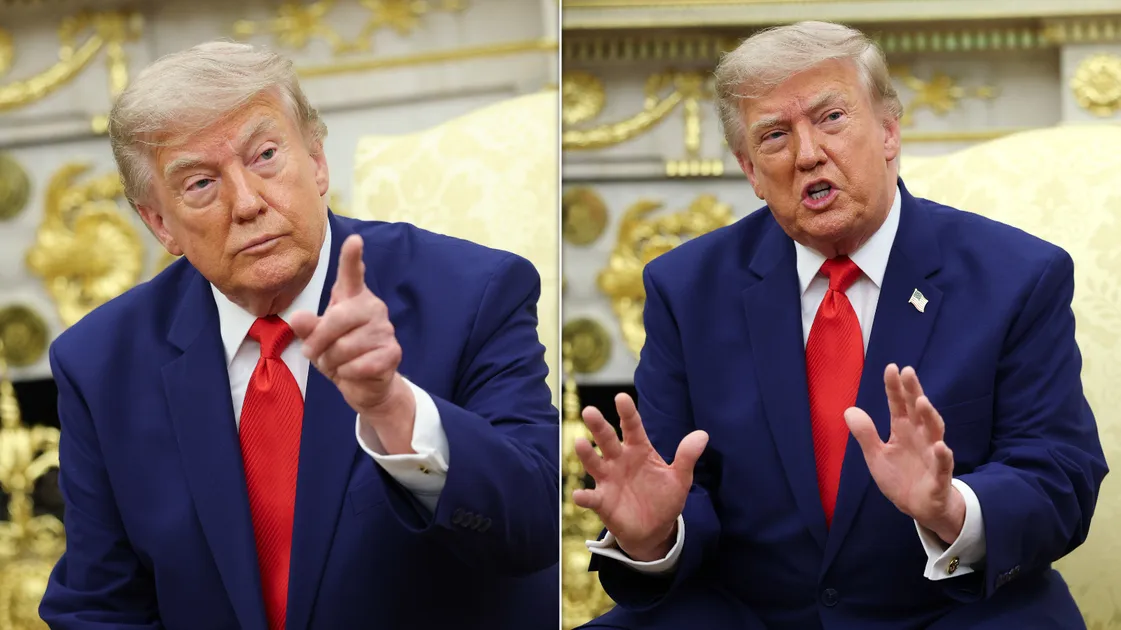
Donald Trump fired a tense comeback at a female reporter while taking questions in the Oval Office on Tuesday ― and experts in language and human behavior say the response comes from a familiar playbook.During the press briefing, ABC Chief White House Correspondent Mary Bruce asked about the Iran War and asked if he had a plan to end the conflict. Trump, who appeared visibly annoyed during the exchange, met her inquiry with a few pointed statements, including, “They’re getting decimated,” “You don’t know anything” and, notably, “Do you know something I don’t know?”According to Sandra Maurer, a licensed professional clinical counselor in Minnesota, “This is not a new way of speaking for him.”“This is how he speaks to anybody that he perceives as less than himself, which is pretty much everybody, but especially when he feels like they are challenging him, or asking for evidence, or receipts, or doubting him,” Maurer added.The White House did not immediately respond to HuffPost’s request for comment on the incident.Trump repeats “do you know something I don’t know?” during the interaction with Bruce, which experts say is telling for a number of reasons. Here’s what they noticed about the exchange.President Trump on Iran: "They're getting decimated...They want to desperately meet. Until they're ready to meet in a meaningful way we have no interest in even." pic.twitter.com/tcKzm54OAH— CSPAN (@cspan) July 21, 2026 Repeating “do you know something I don’t know?” is a way for Trump to assert his power over the situation, according to experts.“Do you know something I don’t know?” is “framed as a question, but the statement is ‘you don’t know anything, and I know everything,’” Maurer said.This question is clearly not meant to have an answer, said Denise Dudley, a clinical psychologist and behavioral expert. “It’s a rhetorical question meant to put her in her place,” Dudley added.Maurer said the interaction reminded her of when Trump loomed and hovered around Hillary Clinton on stage during a 2016 presidential debate.“He sees everything in terms of power dynamics,” Maurer said. Whether it’s the situation with Clinton or this recent interaction with Bruce, he’s “just trying to make sure he had power in that scenario.”His “do you know something I don’t know?” statement also reverses the typical power dynamic that comes when someone is asking a question, Dudley said.“We often think that the person asking the question has the upper hand, but Trump is very good at reversing that,” Dudley explained, noting that this tactic is helpful in evasion.Taken literally, “do you know something I don’t know?” is “a straightforward question. In context, though, it’s less a request for information than a challenge,” Karen Stollznow, a linguist and author of “On the Offensive: Prejudice in Language Past and Present,” told HuffPost via email.“It’s a rhetorical device designed to undermine the premise of the reporter’s question by suggesting she lacks the knowledge necessary to ask it. Rather than inviting an answer, it puts the reporter on the defensive,” Stollznow noted. “From a linguistic perspective, the exchange is about power, authority and who is entitled to claim knowledge.”It’s normal for journalists to ask questions in a White House press briefing and for presidents to answer said questions, Stollznow said.“Trump reverses that dynamic by positioning himself as the only credible source of knowledge while portraying the reporter as uninformed,” Stollznow said of the interaction. “He also redirects the discussion by attacking her employer as a ‘fake station,’ shifting attention away from the policy question and toward the perceived credibility of the media.” Experts note that the exchange also speaks volumes about the patriarchy that Trump “built his whole brand and image on.”Maurer said this interaction may offer a telling glimpse into how he views certain people.“Women that support the patriarchy and women that support his power, he allows them to escape that kind of punishment,” she said, referring to berating comments he may make. “But the second that they step outside of that ... as soon as somebody disagrees with him on Twitter or wherever, could have been his best friend two days ago, now they’re on the shit list. That is just how he operates.”Take Marjorie Taylor Greene, who was once a MAGA darling. Greene recently quit the Republican party and is now referred to as “Marjorie Traitor Brown” by Trump.Kevin Dietsch via Getty ImagesExperts say that Trump will diminish someone’s power and credibility if he feels they’re threatening his.The interaction between Bruce and Trump may have been a small moment, but it’s “pretty big microcosm of Trump in a lot of ways,” said Will Lacey-Bisetty, a decolonial neuropsychologist in California.“He’s this figure who has built his whole brand and image on the patriarchal view of masculinity,” Lacey-Bisetty said.When he feels like he’s being confronted, he’ll go on the defensive, said Lacey-Bisetty, before adding, “The fact that it’s a female-presenting person is going to amplify his triggers in a lot of ways.”“These two things together are gonna attack his security blanket that’s tied to that control aspect of other people, especially of women,” he said. “Anytime he is not the domineering force, he’s going to be insecure.”The repetition of the phrase is “significant,” experts say.Multiple times in the interaction Trump asked Bruce “do you know something that I don’t know?” in reference to her knowledge of Iran. And this repetition is “significant,” according to Stollznow.“Repeating ‘do you know something that I don’t know?’ reinforces that message while allowing Trump to avoid answering the original question,” Stollznow said. “That language is infantilizing and dismissive. Instead of engaging with the argument, it diminishes the speaker herself and invites the audience to question her competence rather than consider the substance of her question,” Stollznow said.Trump treating a female reporter this way is also a message to other men, Lacey-Bisetty said. “Even those little moments signal to other men and young boys that this is how you should communicate and this is how you should present in these settings,” he added. “So, it’s pretty scary from an individual level, but also the messaging it sends to other people who are seeking information from their leaders.”
Trump Said This 1 Phrase Over And Over During A Heated Interview — Experts Say That's No Accident
The interaction is raising fresh questions about how the president reacts in this particular type of situation.
1,015 words~5 min read