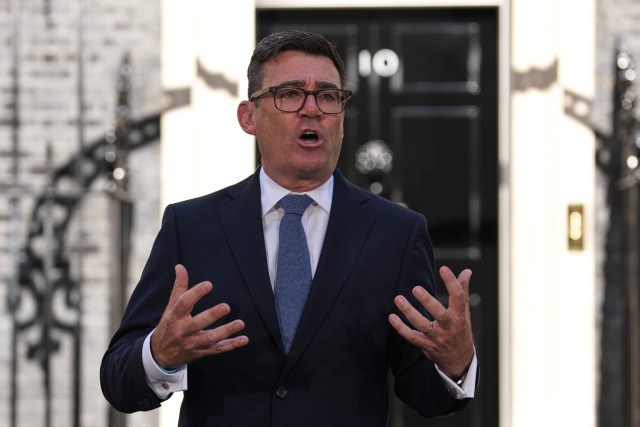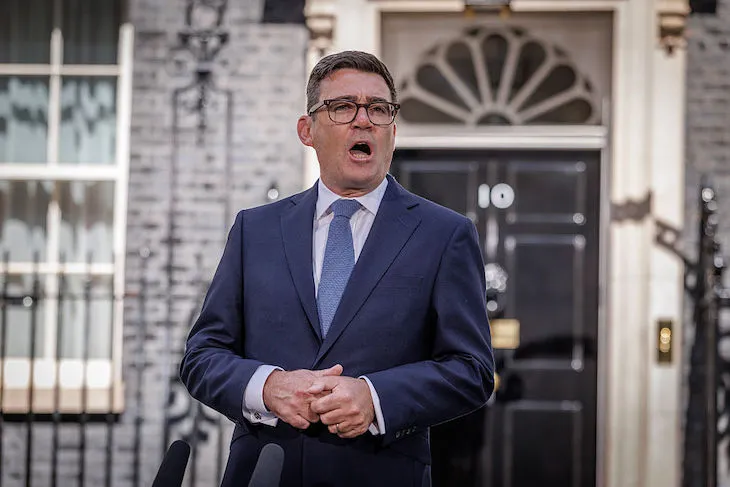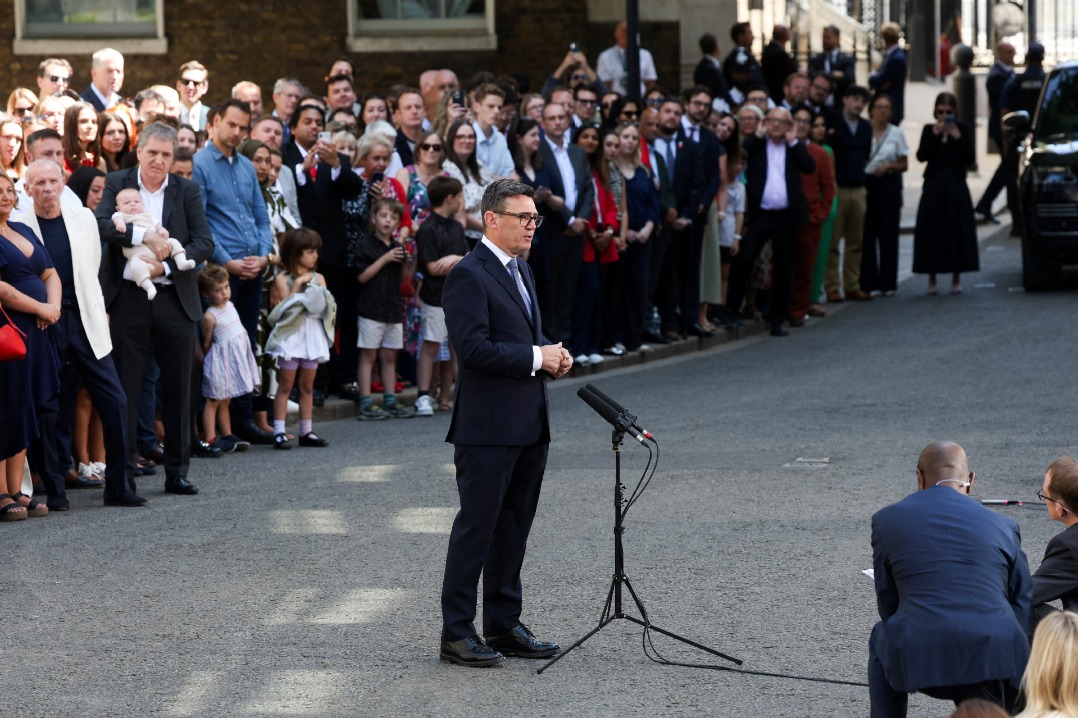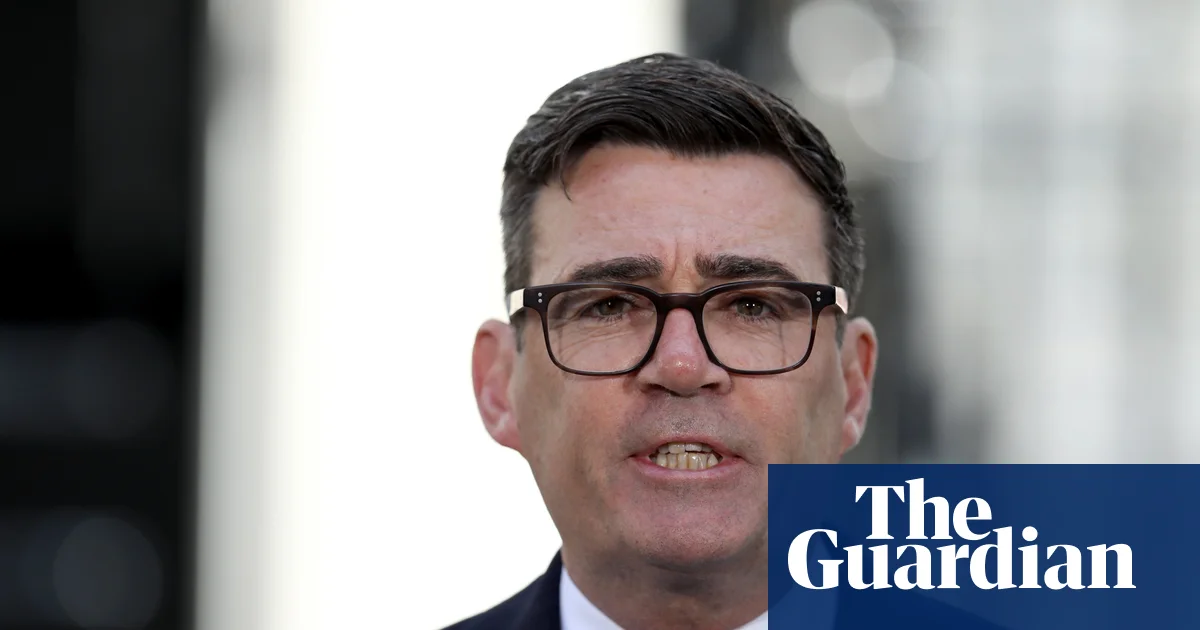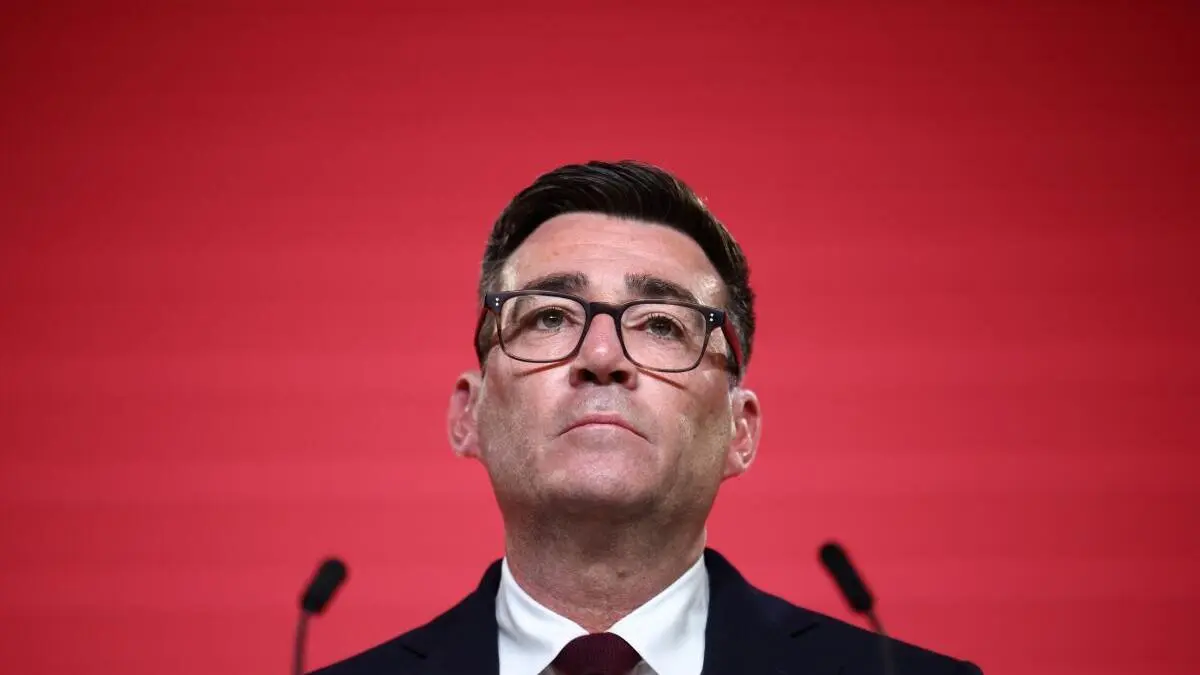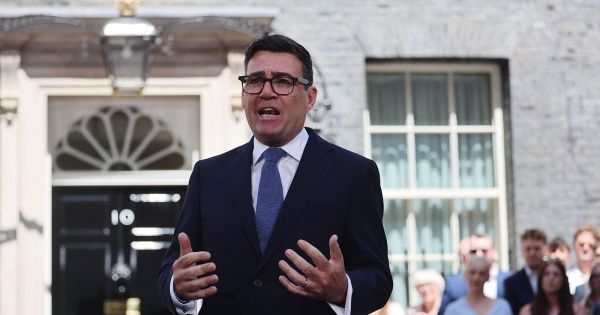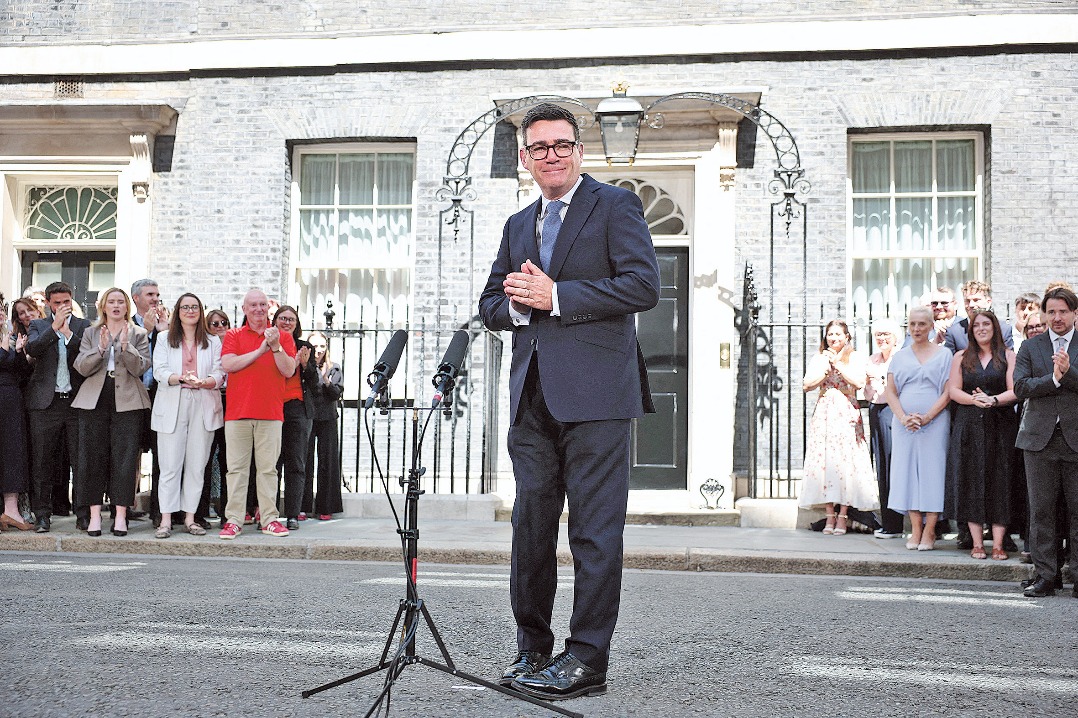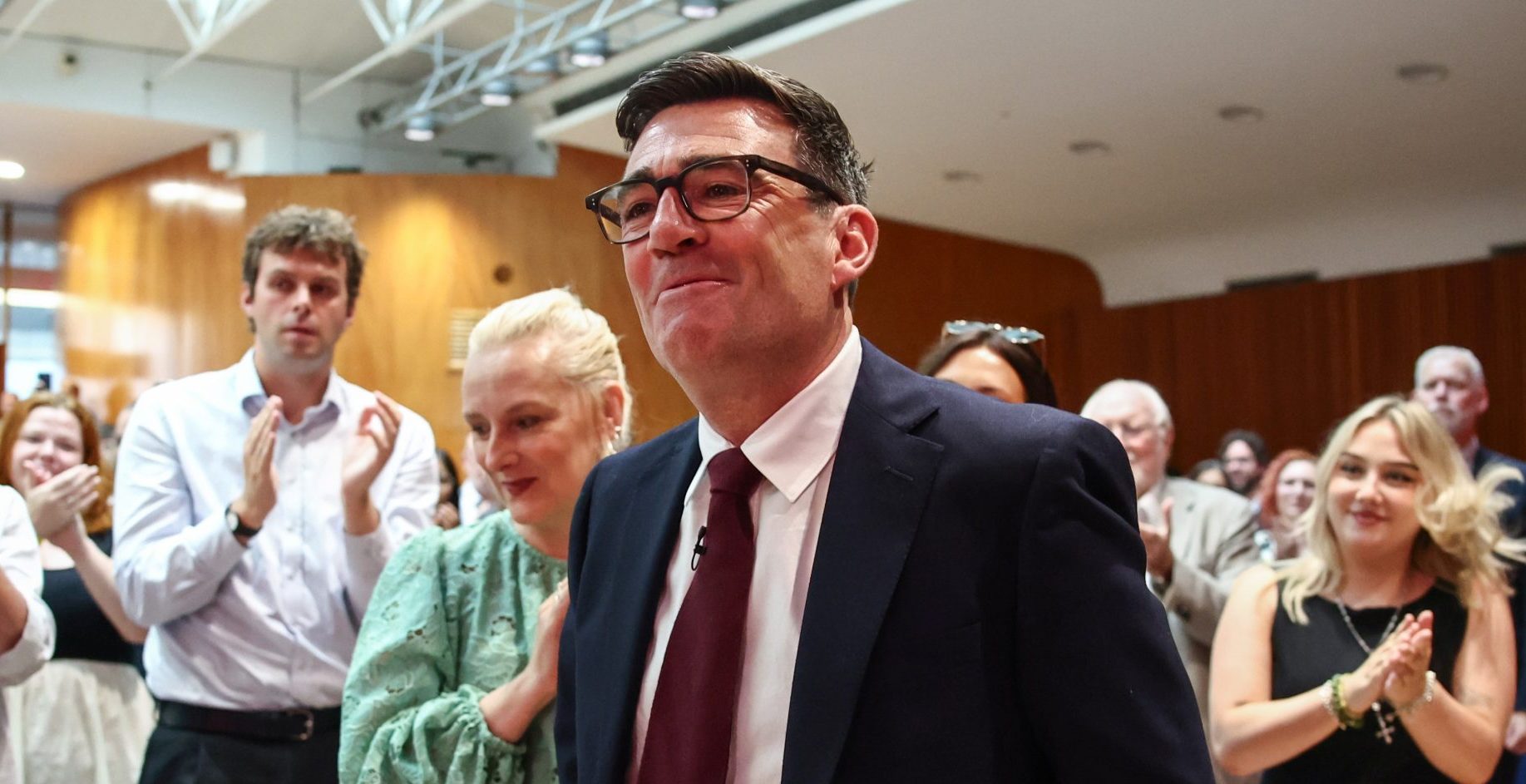
On Monday, the seventh British prime minister in a decade assumed office. Andy Burnham was welcomed to Downing Street by a cheerful crowd of political allies, including former Labour lawmaker Josh Simons, who had given up his seat in the House of Commons to trigger a by-election, enabling Burnham to return to national politics and, ultimately, become prime minister.
Burnham's message to the public has revolved around the notion of "hope" in politics, really little more than a simple slogan initially popularized by Green Party leader Zack Polanski. That lawmakers said to represent the Labour Party's "soft left," such as Clive Lewis and John McDonnell, promoted Burnham over the outgoing prime minister, Keir Starmer, seems to have raised hopes among a segment of the electorate that had all but given in to despair.
Is this hope well founded, though? Cynics would argue that it is not, citing substantial evidence. Certainly, the rhetoric has been focused on change, but that change is likely to be rhetorical alone. In terms of economic, domestic and foreign policy, Burnham's government appears to offer only superficial improvements, judging by his Cabinet appointments.
One appointment that particularly surprised many observers was that of former Defense Secretary John Healey as chancellor of the exchequer. Not long ago, Healey resigned from the government over the Treasury's refusal to provide the military with funding that he insisted it was entitled to receive.