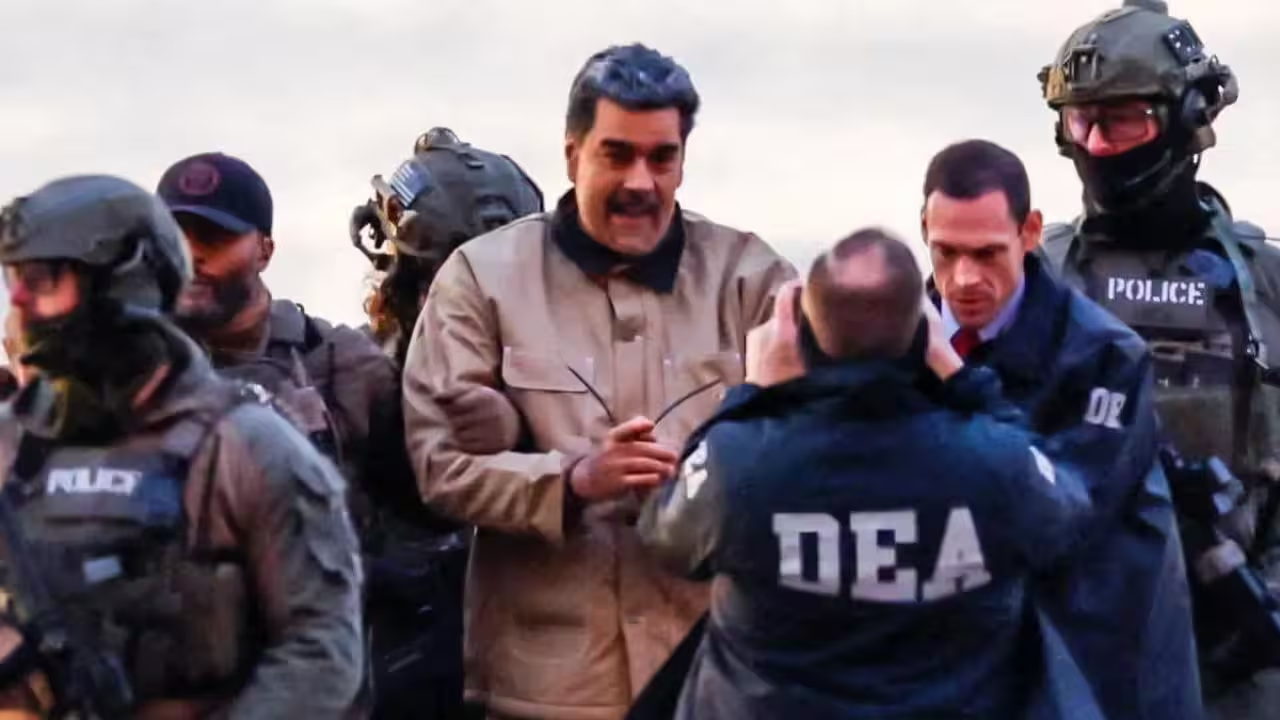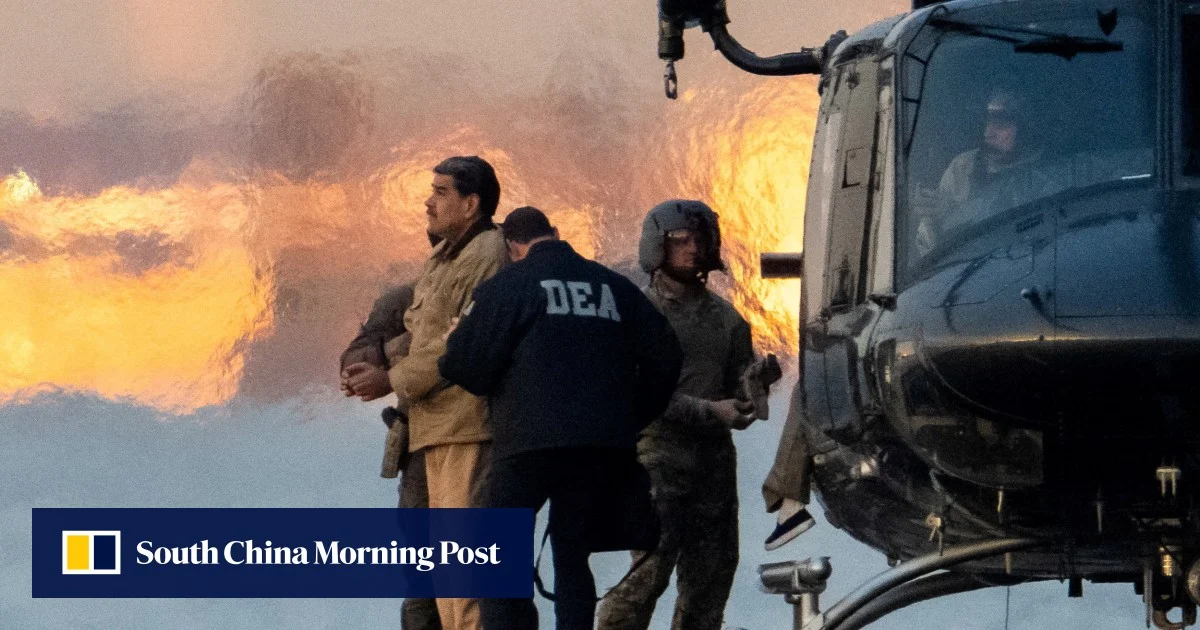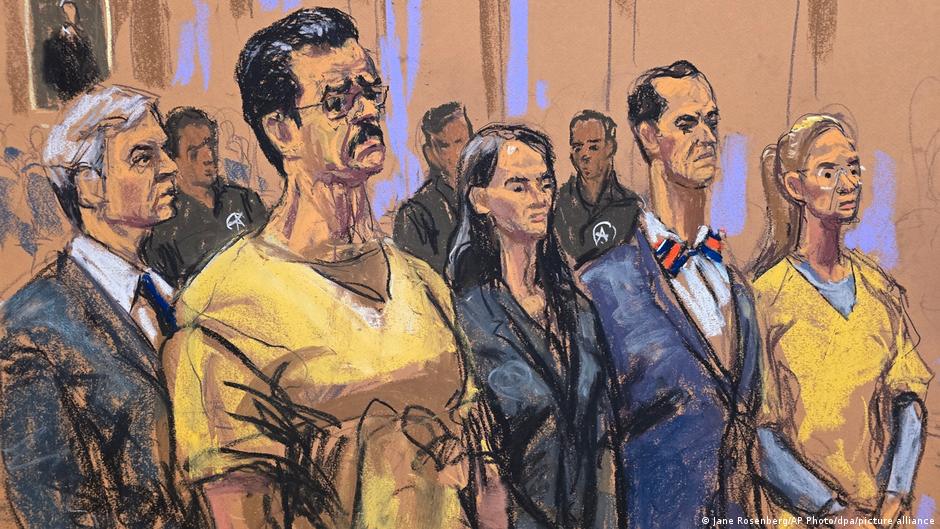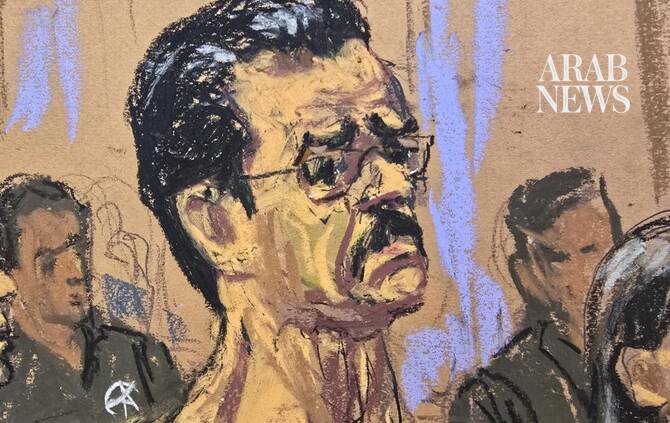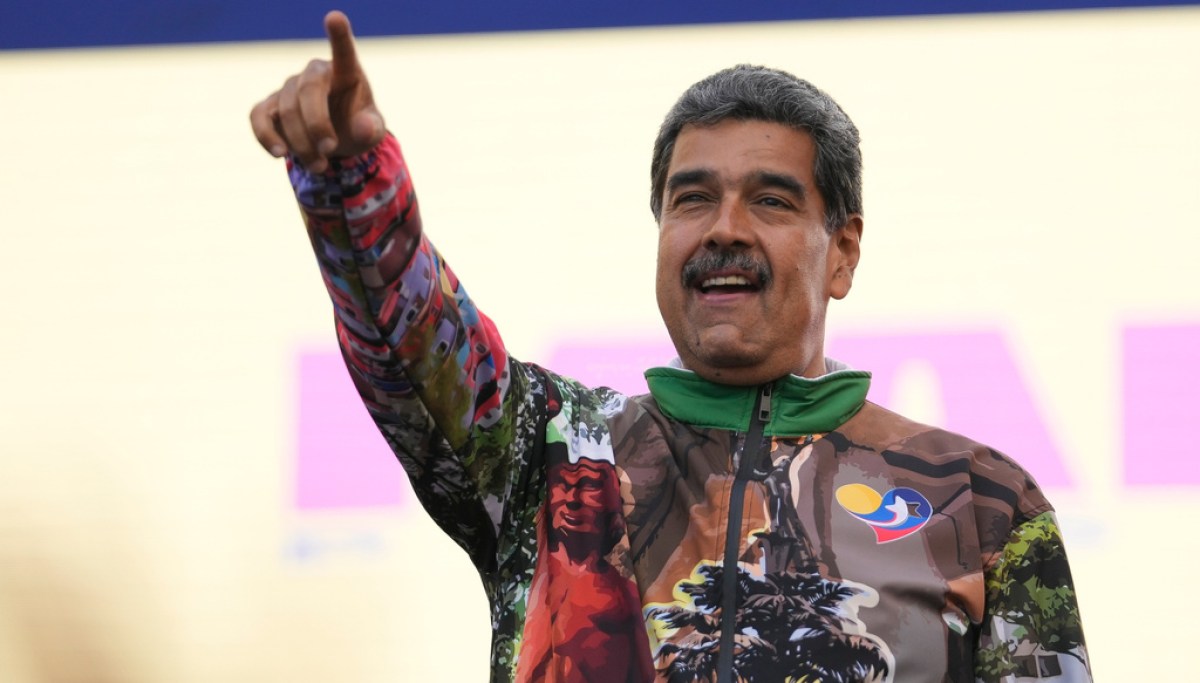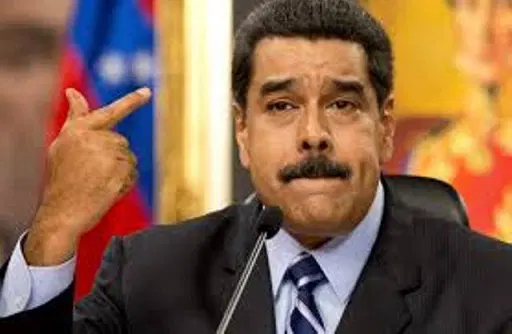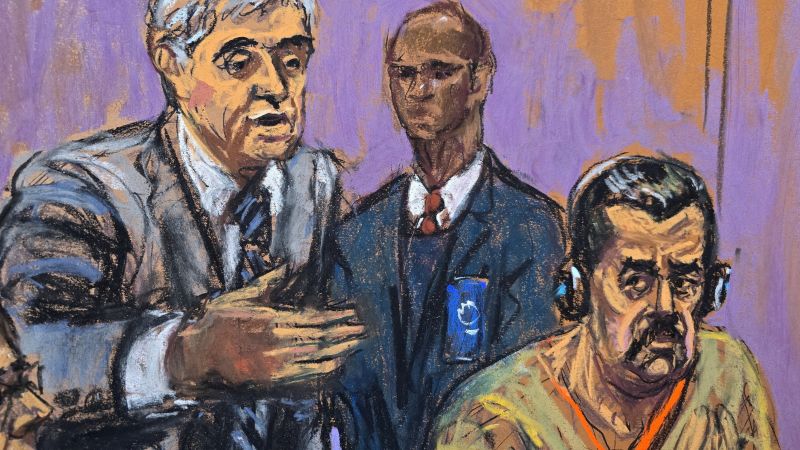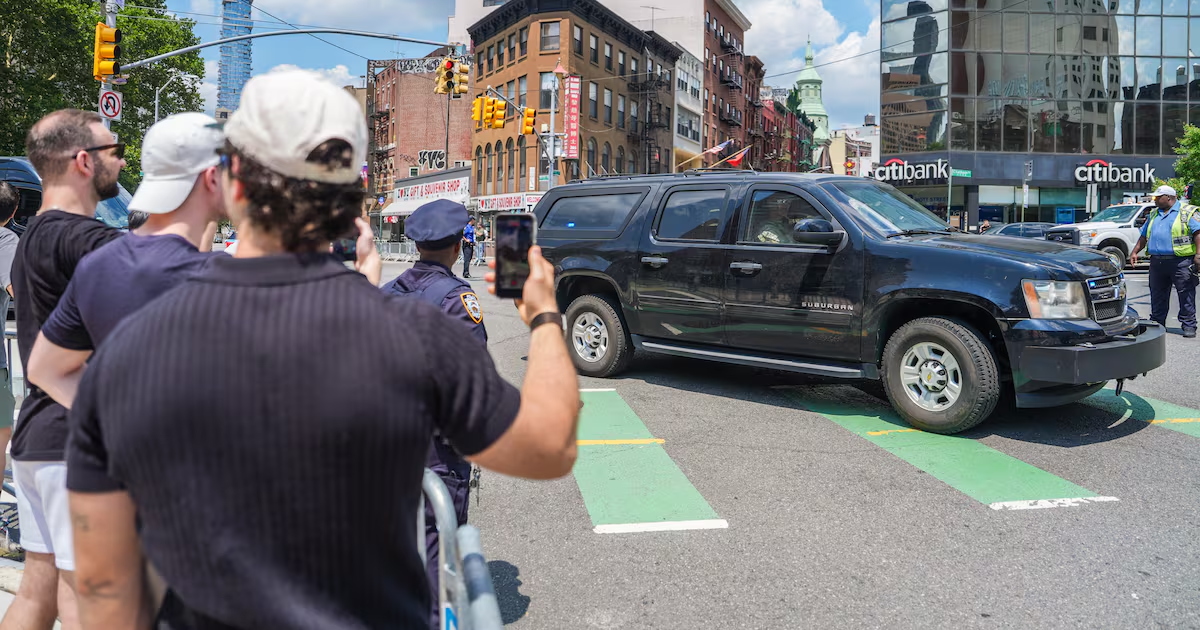
A judge on Wednesday set a June 1st, 2027, trial date for ousted Venezuelan president Nicolas Maduro and his wife Cilia Flores on US drug trafficking charges, while a defence lawyer vowed to seek dismissal of the case on the grounds that Maduro is immune from prosecution as the head of a sovereign state.Maduro and his wife, wearing beige prison garb, appeared during a hearing lasting about 20 minutes in Manhattan federal court before US district judge Alvin Hellerstein in one of the most consequential criminal cases in recent US history. US commandos captured Maduro (63) and Flores (69) at their heavily guarded home in Caracas during a January 3rd night-time military raid ordered by US president Donald Trump. They were brought to New York, where they previously had been indicted on charges of using their leadership positions in the oil-rich South American country to facilitate cocaine shipments. They have pleaded not guilty.In addition to scheduling the date for the trial to begin, Hellerstein set a September 2nd deadline for Maduro’s first round of legal motions seeking to have the case dismissed, as well as a November 17th hearing for arguments over those motions. Defence lawyer Barry Pollack told the judge he would seek to dismiss the case on immunity grounds.[ US soldier involved in Maduro raid charged with making $400,000 bets on captureOpens in new window ]Maduro faces four felony counts including narcoterrorism conspiracy and cocaine importation conspiracy. He could face a life sentence if convicted.In a court filing on Tuesday night, prosecutors with the Manhattan U.S. Attorney’s office and Maduro’s defence lawyers both had proposed a June 2027 start to the trial.“The parties all agree that this is a realistic schedule. We don’t think it’s going to slip, but obviously if anything comes up we will inform your honour,” Pollack told the judge on Wednesday.It is not yet clear how long the trial is expected to last.Maduro, a socialist who had an antagonistic relationship with the United States while leading Venezuela from 2013 until his capture, referred to himself as a “prisoner of war” during his first court appearance on January 5th.Maduro supporters protest outside of the courthouse ahead of his on Wednesday. Photograph: Ryan Murphy/Getty Images Maduro waved to someone – it was not clear who – in the courtroom’s gallery while being led out of the courtroom by US marshals after Wednesday’s hearing.Hellerstein also set a January 11th, 2027, deadline for Maduro’s lawyers to file a second round of motions. Those motions would come after prosecutors hand over evidence, some of which is expected to be classified, for the defence’s review.During Maduro’s January 5th court appearance, Pollack suggested the defence could also challenge the indictment on the basis that Maduro’s capture may not have been legal.Maduro has long accused the United States of seeking his ouster to gain greater control of the Opec nation’s vast oil reserves.The United States has called Maduro a corrupt dictator whose mismanagement of the economy led to an economic collapse and accused him of rigging his re-election votes in 2018 and 2024. It stopped recognising him as Venezuela’s legitimate president in 2019.In an advisory opinion in advance of the January raid, the US justice department’s office of legal counsel said it would be lawful for Trump to unilaterally order the operation to capture Maduro because it served an important national interest and did not rise to the level of a war that would require congressional authorisation.Venezuela has been run since Maduro’s capture by his former vice-president Delcy Rodríguez, who has established closer ties with the Trump administration. The United States has eased sanctions on Venezuela’s oil industry and foreign companies have expanded oil and gas projects in the country.Maduro was last in court on March 26th for a hearing over the US government’s prohibition on Venezuela’s government paying Maduro’s legal fees. The dispute was resolved a month later when the US government agreed to modify its financial sanctions on Venezuela to allow the government to pay the fees. – Reuters
Former Venezuelan president faces June 2027 trial date on US drug trafficking charges
Nicolás Maduro and wife appear in Manhattan court almost eight months after their capture in Caracas by US forces
669 words~3 min read