This audio is auto-generated. Please let us know if you have feedback.
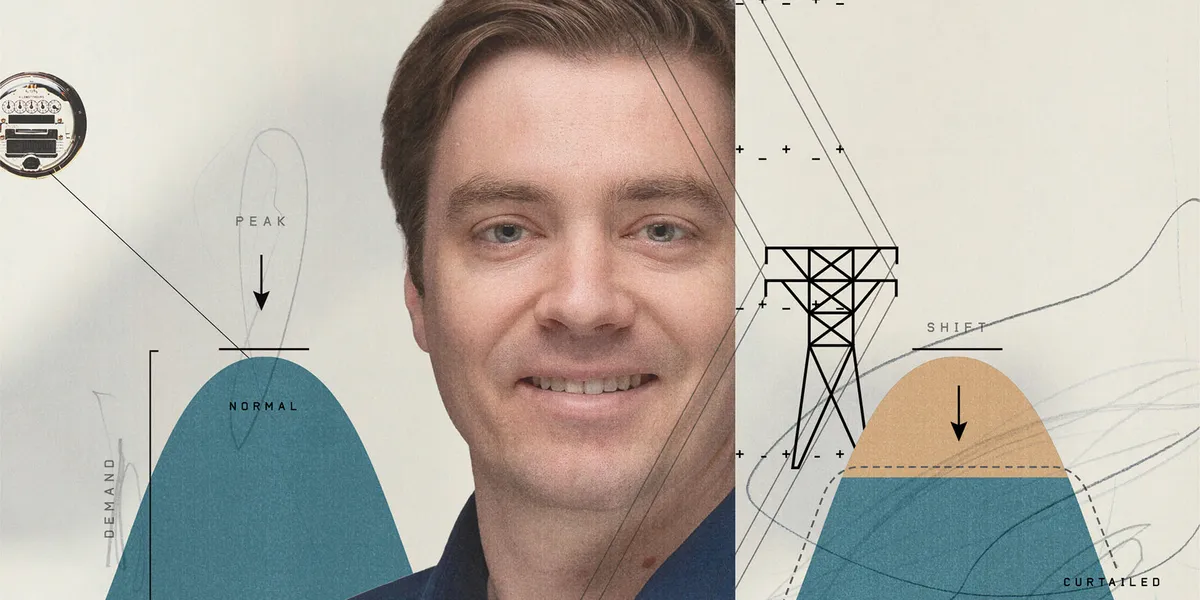
Scott Aaronson spent 17 years at the Edison Electric Institute, the national trade association for investor-owned electric utilities, where he served as senior vice president for energy security and industry operations and as secretary of the Electricity Subsector Coordinating Council. He is the founder of Aaronson Resilience Advisors.
For nearly two decades, American electricity demand sat flat. Efficiency gains offset growth, the grid aged quietly, and on most days that was fine. That era is over. The United States is entering the steepest sustained load growth since the Eisenhower years — driven by AI and data centers, yes, but also by advanced manufacturing coming home, electrified transportation, and the electrification of the economy itself. The grid has to be built to meet it.
Scott Aaronson
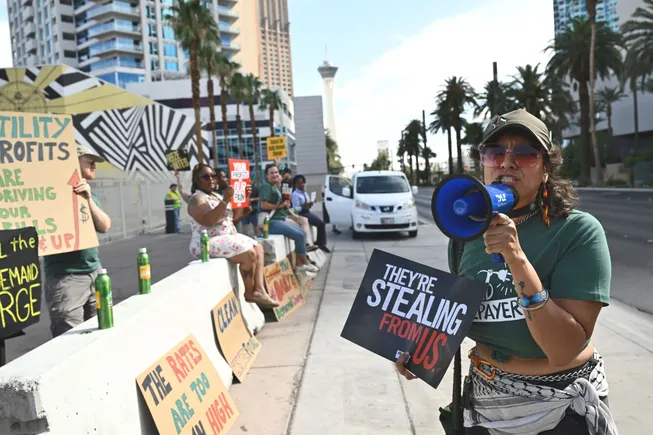
That reality is colliding with a political moment. Rising energy costs are dominating headlines and shaping agendas nationwide. Policymakers are paying attention, and they should be — affordability is a real concern, and low- and middle-income families are squeezed on every front. But many of the proposals now on the table are taking aim at utilities’ returns on equity and at their ability to invest in infrastructure, which would do lasting damage to the one system capable of delivering the grid we need on the theory that cutting both will bring bills down.